Chilean Horse
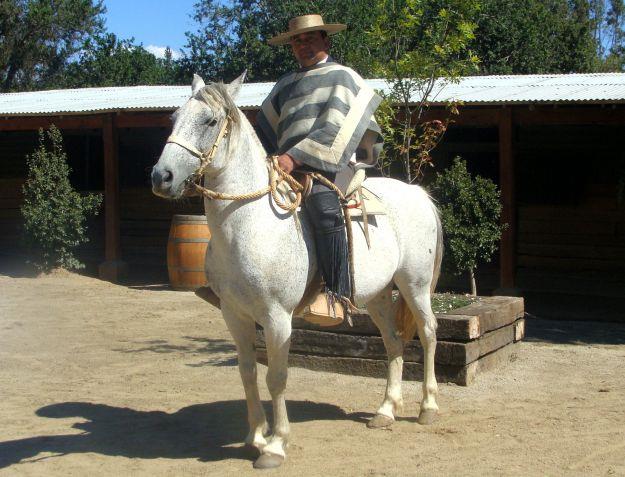
The Chilean Horse, known in Chile as the Caballo Chileno or Corralero, is a compact Criollo-type breed built for close-quarters cattle work and the tight turns of Chilean rodeo. It is short, deep-bodied and heavily muscled, the kind of horse that can accelerate, stop hard and turn on a coin. Centuries of practical selection in Chile gave it stamina, soundness and a level head under daily handling. People usually look it up to judge whether it suits real work, and on that measure it earns its reputation. It is a specialist, though, so size and purpose matter when you assess one.1, 2
History and Origin
The breed descends from Iberian horses brought to the Americas by the Spanish, then developed in relative geographic isolation under selection for stock work. Over generations breeders favoured a horse that could accelerate quickly, stop hard, turn close and stay sound over long working days, and those traits still define the breed's outline today. Unlike many modern sport-horse breeding stories, the Chilean Horse's history is tied to rural labour: moving cattle, travelling between properties, and working in the arena built for Chilean rodeo.1, 2
It also carries one of the oldest formal registries in the Americas. The studbook dates to 1893, with the Sociedad Nacional de Agricultura historically involved in maintaining genealogical records and breeder organisations later formalising oversight and promotion. Sources that place the registry at 2003 are wrong.1, 4
Appearance and Physical Characteristics
Think compact rather than tall. The Chilean Horse is typically short-backed, deep through the barrel and strongly muscled, with substantial bone for its height. That build suits quick changes of direction and controlled contact with cattle in the rodeo lane. Common coat colours are bay, chestnut and black, with other solid colours also occurring. Typical weight sits around 425 to 450 kg, varying with type and condition.1, 2
Height is where the breed gets misdescribed. You will sometimes see it listed at 14 to 15 hands or taller, which is usually an overstatement or confusion with other Criollo-type horses. Breed summaries and population resources commonly place the average closer to 138 to 140 cm (about 13.2 to 14 hands), and many note the breed generally does not exceed about 145 cm.1, 2
Temperament and Personality
Most descriptions emphasise a practical, willing nature: alert, responsive and hardy, with the steadiness that develops in working horses handled daily. Temperament still varies horse to horse, and early handling matters, but the breed's reputation is built around usability rather than delicacy.2
Is a Chilean Horse Right for You?
This is a working horse made compact on purpose, and it shows best in the job it was bred for. It remains strongly associated with the huaso (the Chilean stock handler) and with Chilean rodeo, where horses work cattle in a crescent-shaped arena called a medialuna. Outside rodeo it is used for general riding and rural work where a compact, efficient horse is an advantage. If you want a tall, long-striding sport horse, this is not it. If you want a sound, agile stock horse for cattle handling or riding, judge one the way Chilean breeders always have, by soundness, temperament and how it travels under saddle.1, 2
Diet and Nutrition
Keep forage as the base of the diet and make any feed changes slowly, over days to weeks rather than overnight. Sudden changes and rich pasture are common triggers for serious problems, so manage spring or irrigated pasture with care if your horse is prone to weight gain or foot soreness. A grazing muzzle or restricted turnout helps when needed.8, 9
Health and Lifespan
Like any horse, a Chilean Horse can suffer colic or laminitis. These are not breed certainties, but they are common, serious equine problems that owners should plan around, especially when pasture is rich, feed changes are sudden or hoof care slips. Learn the early warning signs: reduced appetite, pawing or rolling for colic, and heat in the feet, a pottery gait or reluctance to turn for laminitis. Seek veterinary help early rather than waiting.8, 9
Grooming and Care
Consistent farriery is the care task that matters most for this breed's soundness. Long toes and neglected feet worsen lameness and complicate laminitis management, so stay on a regular hoof-care schedule. Match feeding and foot care together and a Chilean Horse will hold up well over the long working life it was bred for.9, 10
A Few Things Worth Knowing
- Other names: Caballo Chileno, Corralero, Chilean Criollo.2
- National heritage: a 2011 government decree declared the pure-bred Chilean Horse a Monumento Natural, part of Chile's natural heritage, reflecting how close the breed sits to rural national identity.6
- A famous name, with an asterisk: the horse Huaso is linked to Alberto Larraguibel's high-jump record of 2.47 m, set on 5 February 1949. That horse is widely described as a Thoroughbred rather than a Chilean Horse, so it belongs to Chile's equestrian sporting story more than to the Corralero breed.7
The Bottom Line
The Chilean Horse is a working animal built compact for balance, stamina and quick cattle-handling decisions. It is not a sport-horse silhouette and does not pretend to be. If you choose one, judge it on soundness, temperament and ride, then keep feeding and hoof care consistent, and you will have a hardy, capable horse for the long haul.1, 2
References
- Caballo chileno (overview, history and characteristics), Wikipedia (Spanish)
- Chilean horse / Corralero (breed summary; links to FAO DAD-IS status), Wikipedia
- FAO Domestic Animal Diversity Information System (DAD-IS), species/breed database
- Federación Criadores de Caballos Raza Chilena (registry history and role), Wikipedia (Spanish)
- Caballo Chileno fue declarado Monumento Natural (coverage of 2011 decree), CaballoyRodeo.cl
- Decreto 17: Declara Monumento Natural al Caballo de Pura Raza Chilena (26 April 2011), vLex Chile
- Huaso (caballo), background on the 1949 high-jump record, Wikipedia (Spanish)
- Overview of colic in horses, MSD Veterinary Manual
- Laminitis in horses, MSD Veterinary Manual
- Case note highlighting chronic laminitis and hoof neglect welfare risk, RSPCA WA (4 August 2025)

Dog lover and writer at My Pets Australia, sharing practical breed guides and care advice for Australian pet owners.