Chihuahua

The Chihuahua is the smallest recognised dog breed, a toy companion from Mexico that packs a lot of personality into a body most adults could carry in one arm. That size is the whole appeal: they travel easily, suit apartments, and slot into small homes without much fuss. It is also a real responsibility, because a body that small magnifies the consequences of rough handling, missed dental care, and quiet weight gain. Get the basics right and they are often long-lived, alert little dogs that stay close for well over a decade.
History and Origin
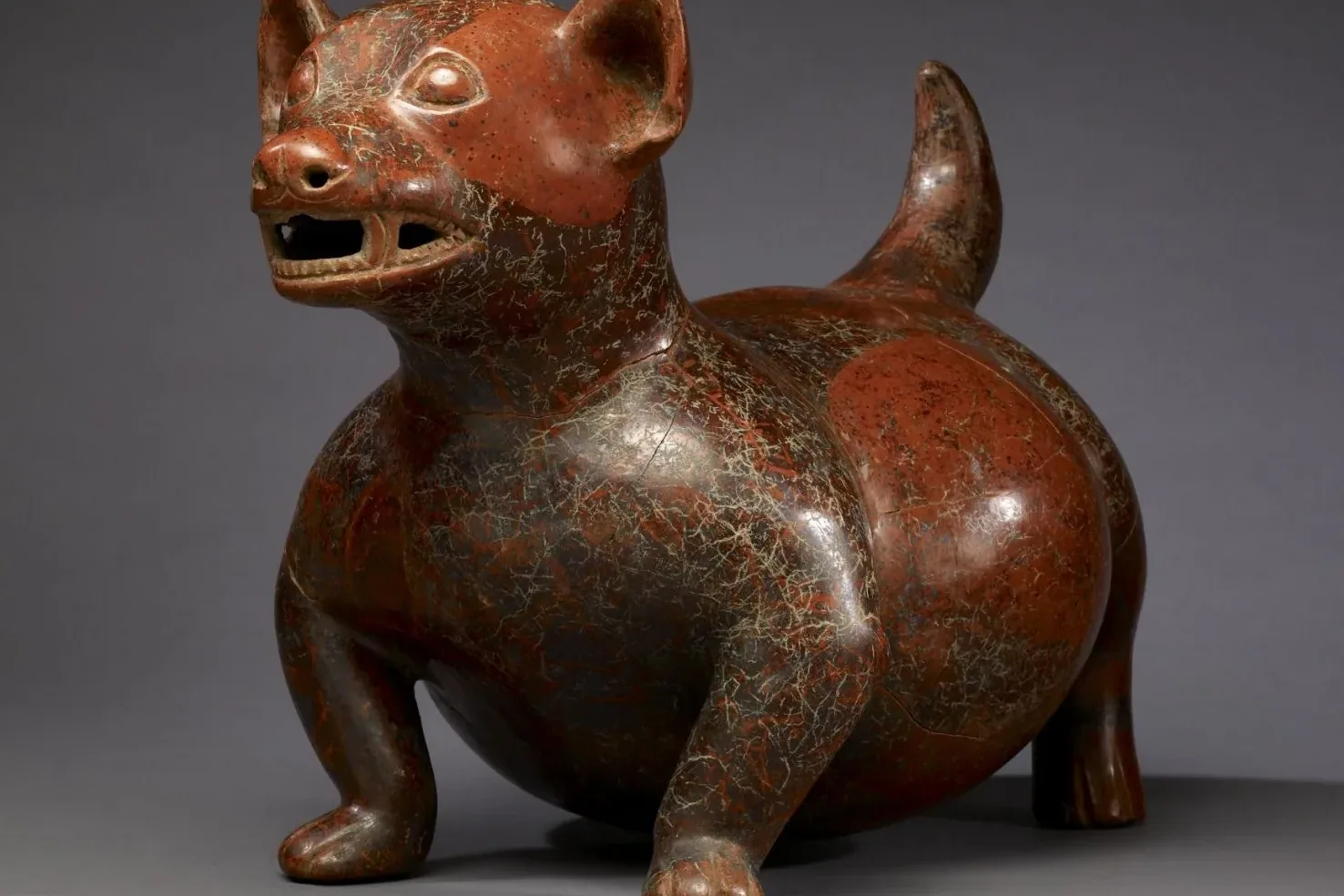
The Chihuahua takes its name from the Mexican state of Chihuahua, where small dogs of this type were documented in the 1800s. The breed is often linked to the Techichi, a small companion dog kept in ancient Mesoamerica. That connection is widely repeated, but the exact lineage is difficult to prove, so it is best treated as informed tradition rather than a neat family tree.4
Appearance and Physical Characteristics
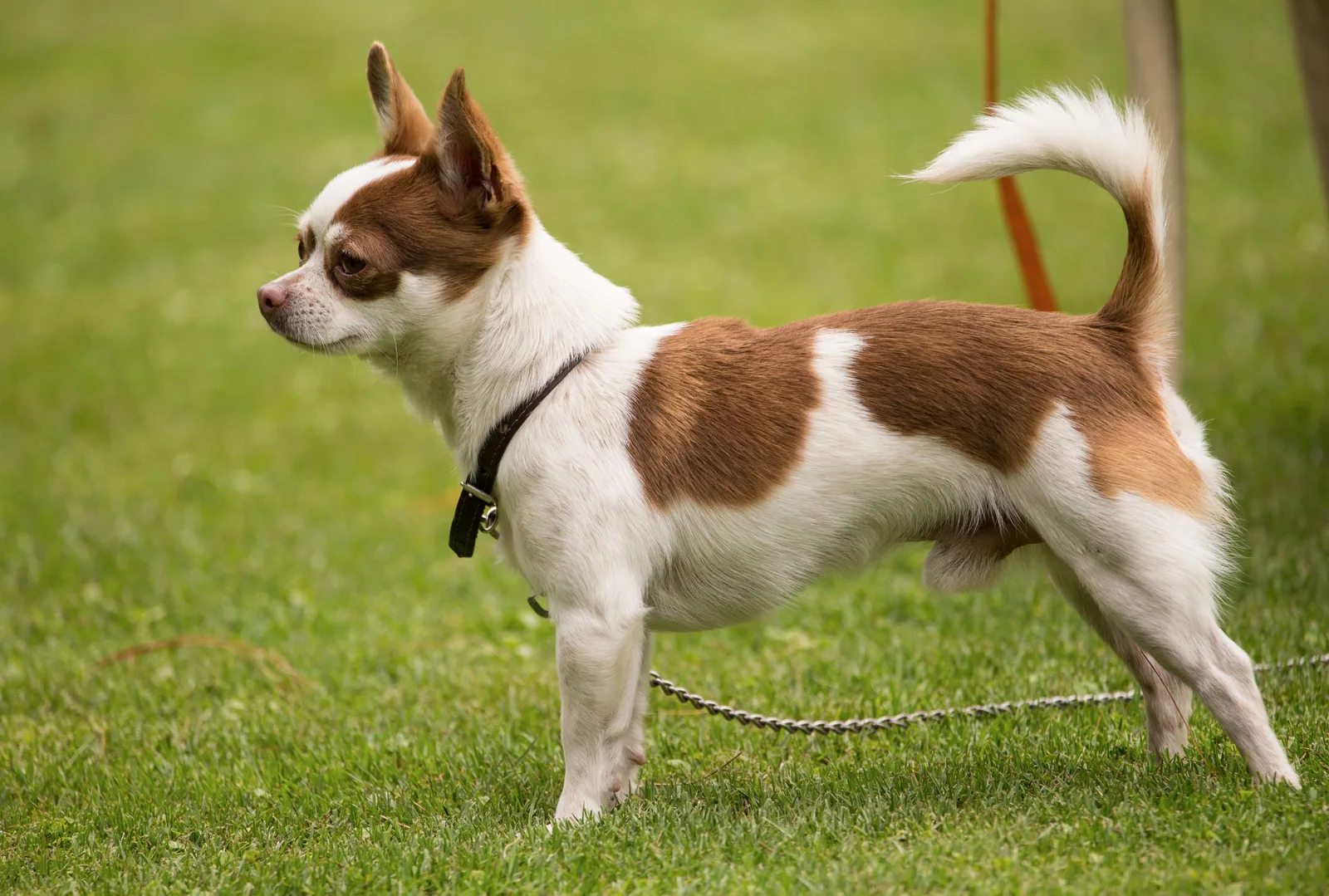
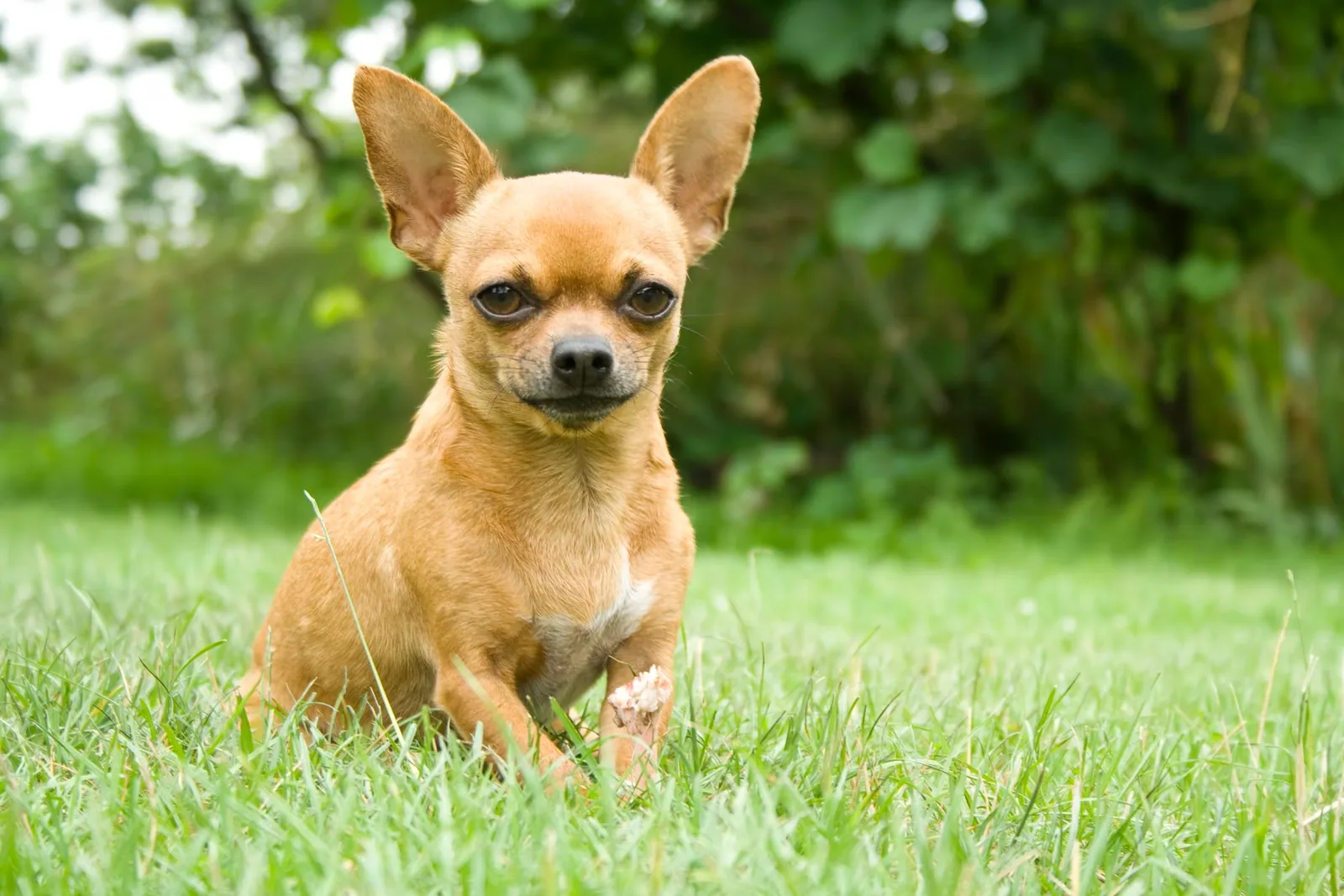
A well-bred Chihuahua is compact and alert, with a rounded "apple dome" head, large upright ears, and expressive eyes. The impression is small but not fragile: a balanced body, a level topline, and movement that stays brisk and efficient. The coat comes in two types, smooth or long, and in a wide range of colours.
- Breed group: Toy
- Country of origin: Mexico
- Height: Most adults stand around 15 to 23 cm at the withers, varying with build
- Weight: Breed standards commonly set an upper limit around 2.7 kg (6 lb).1, 2
- Coat: Smooth coat or long coat
For show standards the Chihuahua is typically expected to weigh no more than about 2.7 kg (6 lb), though pet dogs can be heavier and still be healthy if they are not carrying excess fat and are soundly built.1, 2 When people market "teacup" or "micro" Chihuahuas, those are informal sales terms, not recognised categories.
Chihuahuas come in many colours and combinations, but some major breed standards specifically exclude merle colouring, often called "dapple".2, 5 The exclusion is not just paperwork: the merle gene can be associated with serious eye and ear defects, particularly when two merle dogs are bred together to produce "double merle" offspring.6
Temperament and Personality
Chihuahuas tend to be bright, watchful little dogs. Many form strong attachments to one or two people and prefer close contact and predictable routines, and they are quick to notice movement and sound, which is why they can seem "on duty" at the window or front door.
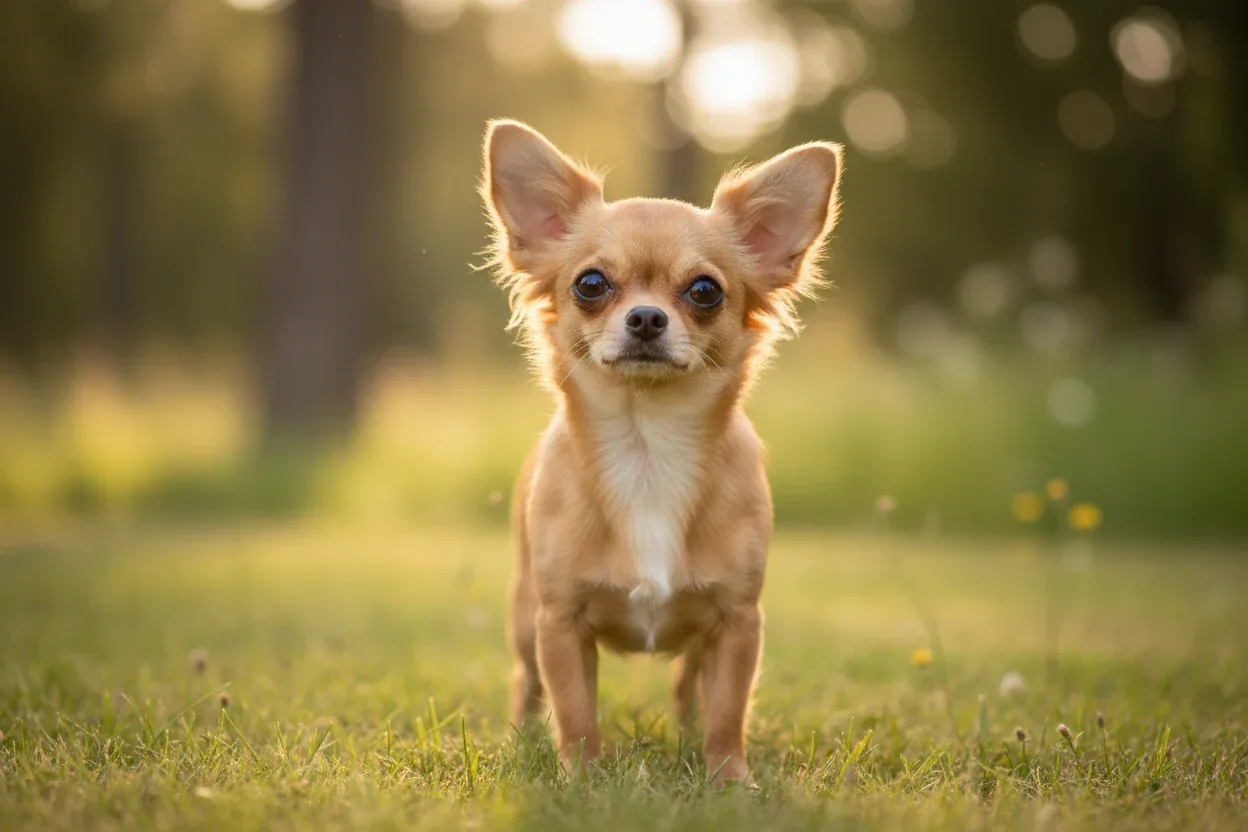
Temperament varies with genetics, early socialisation, and handling. A Chihuahua that is carried constantly, startled often, or allowed to rehearse barking and snapping can become reactive. One that is gently exposed to the world, with feet on the ground, calm introductions, and clear boundaries, usually settles into a confident companion.
Is a Chihuahua Right for You?
A Chihuahua suits many households, apartments included, but they are not automatically "easy" dogs. Their small bodies are vulnerable and their confidence is shaped by how they are treated. Run through a few honest checks before you commit.
- Children in the home: Small dogs can be injured by rough or clumsy handling. Close supervision is essential, and some small dogs are uncomfortable with unpredictable contact.11
- Noise tolerance: Many are naturally alert and can be vocal without training and routine.
- Dental budget: Plan for preventative care and the possibility of professional dental work over a lifetime.7, 8
- Avoid "rare colour" pressure: Prioritise health testing, stable temperament, and sound structure over novelty, especially where merle is involved.2, 5, 6
Training and Exercise
Chihuahuas do not need marathon walks, but they do need daily movement and steady training. Their minds stay busy even when their legs do not go far, and boredom can show up as barking, clinginess, or nuisance behaviour. Most adults do well with one or two short walks plus indoor play, and the key is consistency rather than distance.

- Keep sessions short, a few minutes at a time, and frequent.
- Use reward-based training with treats, praise, and play. Harsh corrections can backfire in a small, easily startled dog.
- Teach handling skills early: paws, mouth, brushing, harnessing. It pays off at the vet and groomer.
- Socialise thoughtfully with calm, controlled exposure to people, dogs, surfaces, and sounds, without overwhelming them.
Watch the waistline while you are at it. Weight gain in toy breeds can arrive quietly and then strain joints, breathing, and heat tolerance.
Health and Lifespan
Chihuahuas are often long-lived, frequently around 14 to 16 years and sometimes longer, but they are not "low-maintenance" medically.3 Their small size concentrates risk in a few predictable areas.

Dental disease. Periodontal disease is one of the most common medical conditions seen in dogs, and toy breeds are at higher risk. It can start early and progress quietly, with bad breath often the first sign owners notice.7, 8 Daily toothbrushing is the single most effective home measure, backed by professional veterinary dental care when needed.7, 8
Patellar luxation. A slipping kneecap can range from a mild occasional "skip" to persistent lameness. Mild cases may be managed conservatively, while moderate to severe cases may require surgery.9
Tracheal collapse. This airway weakness is seen most often in toy and miniature breeds and can cause a dry, honking cough and breathing difficulty. Excess weight can worsen the signs, and management may include weight control, medication, and reducing excitement triggers.10
Obesity. In a Chihuahua, a small amount of extra weight is a large percentage of body mass. It can aggravate airway disease, worsen joint problems, and reduce heat tolerance, so regular weigh-ins and portion control matter more than people expect.
Grooming and Care
Chihuahuas are generally straightforward to groom, but they benefit from frequent, gentle handling that keeps them relaxed about being touched.
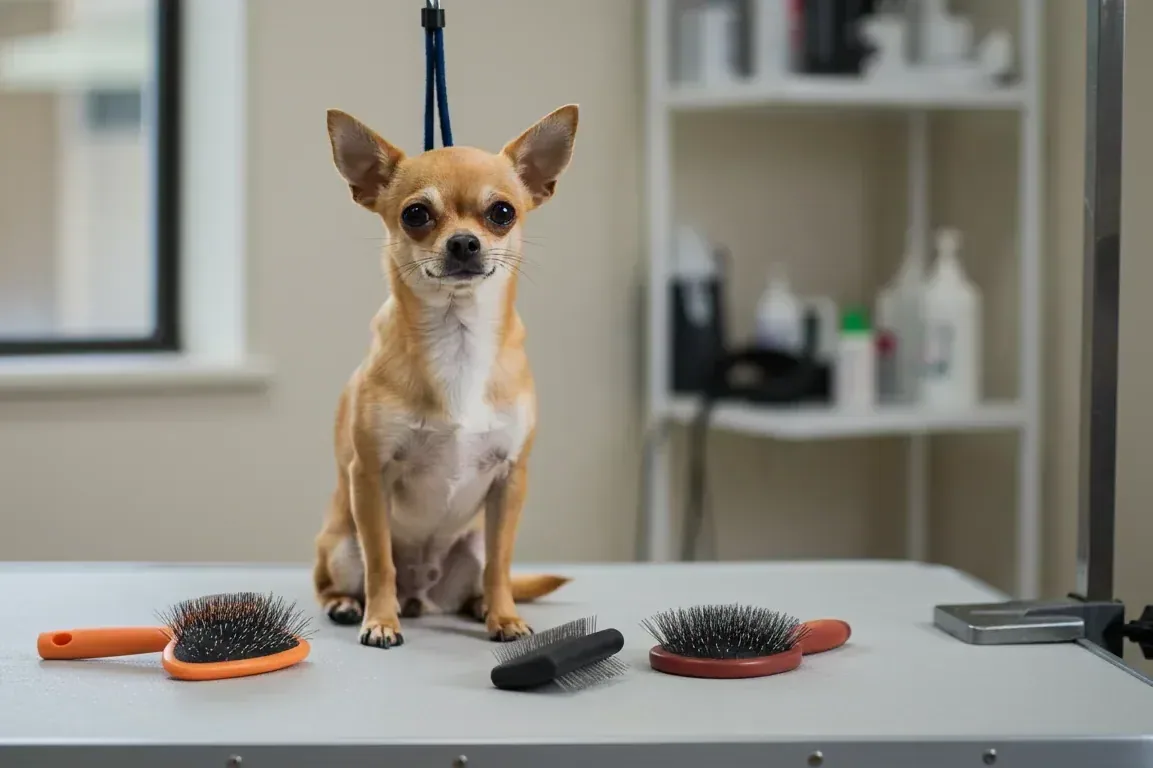
- Brushing: Smooth coats usually need a quick brush weekly. Long coats need more frequent brushing to prevent tangles.
- Nails: Trim regularly. Overlong nails change posture and can contribute to sore feet and altered gait.
- Ears: Check weekly for redness, discharge, or odour.
- Teeth: Brush daily if possible, aiming for consistency over perfection.7, 8
The Bottom Line
A Chihuahua is small enough to travel easily and live comfortably in tight spaces, but they still need the full rhythm of dog life: daily movement, training, social exposure, and calm rules that make the world predictable. Get the basics right, meaning teeth, weight, and gentle handling, and this breed often rewards you with many steady years at your side.3, 7
References
- Chihuahua Club of America, Official Breed Standard (weight not to exceed 6 pounds)
- Australian National Kennel Council (via ChihuahuaWorld), Chihuahua breed standard notes (weight up to 2.7 kg; merle excluded)
- American Kennel Club, Chihuahua lifespan overview
- Encyclopaedia Britannica, Chihuahua (history and origin overview)
- Fédération Cynologique Internationale (FCI), Chihuahua Standard No. 218 (colour excludes merle; weight limits)
- The Kennel Club (UK), Merle and associated health risks (eyes/ears; breeding considerations)
- World Small Animal Veterinary Association (WSAVA), Global Dental Guidelines
- Merck Veterinary Manual (Professional), Periodontal disease in small animals (prevalence; toy-breed risk; prevention)
- Merck Veterinary Manual, Patellar luxation in dogs and cats
- Merck Veterinary Manual (Pet Owner), Tracheal collapse in dogs
- RSPCA Pet Insurance Australia, Considerations when choosing a dog (size, children, supervision)

Dog lover and writer at My Pets Australia, sharing practical breed guides and care advice for Australian pet owners.