Chesapeake Bay Retriever
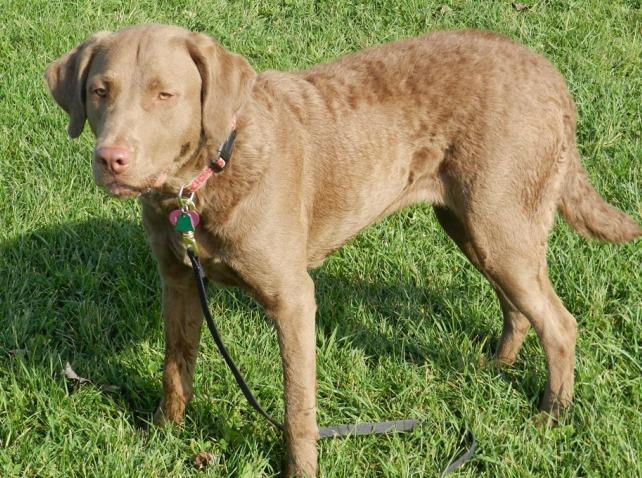
The Chesapeake Bay Retriever, or "Chessie", is a powerful American gundog bred to haul waterfowl out of cold, rough water all day without wearing down. It is loyal, capable and genuinely happy when it has a job, with an oily, water-shedding coat that lets it work in weather most dogs would refuse. It is also a specialist working dog, not a low-key family pet. Match it well, with real exercise, clear rules and training, and you get a steady, devoted companion. Match it poorly and both of you end up frustrated.
Breed type: Retriever, gundog, water dog
Country of origin: United States
Also known as: Chessie, CBR, Chesapeake
Size: Medium to large
Typical height: Males 58 to 66 cm; females 53 to 61 cm1
Care requirements: Low to medium, but not set-and-forget
Exercise requirements: High
Life expectancy: Often around 10 to 13 years, with individuals varying
History and Origin
The Chesapeake Bay Retriever developed along the Chesapeake Bay in the United States, prized by hunters and local watermen for one demanding job: retrieving waterfowl from cold, rough water, over and over, without falling apart.2, 3 The breed became so closely tied to Maryland that it was declared the official state dog in 1964.4
Appearance and Physical Characteristics
A good Chessie looks built for weather. The body is strong and workmanlike, with a deep chest and powerful movement made for endurance rather than show.1 The signature feature is the coat: a dense, woolly undercoat under a short, harsh outer coat that carries natural oil, a combination that helps it shed water and hold warmth after long swims.5, 6 Colours sit in the marsh palette of browns, sedge and dead-grass shades, which suited the dog for blending into reeds and shoreline during retrieving work.6
Temperament and Personality
Chesapeake Bay Retrievers are bright, alert and strongly driven to work, especially in and around water.7 They are usually affectionate with their own people but more reserved with strangers than many other retrievers, and that steadiness can read as aloof rather than friendly, particularly in a dog that was not well socialised young.7 Many Chessies also have an independent streak. It is less defiance than a habit of thinking for themselves, useful in the field and occasionally inconvenient in the backyard.7
Is a Chesapeake Bay Retriever Right for You?
This breed suits people who like a capable dog with a bit of independence, who enjoy training, do not mind a wet dog in the house, and can provide daily exercise that actually tires a working retriever. For a quiet suburban household with little time for structured activity, honestly, this is probably not the dog. Before committing, it helps to check a few things:
- Your routine: can you provide vigorous daily exercise and ongoing training?
- Your space: secure fencing and room to move make life easier.
- Your household: early socialisation matters, especially if you want a dog that stays calm around visitors.
- Health history: prioritise dogs from lines with documented health testing.9
If you are adopting an adult Chessie, look for temperament notes from carers and consider a meet-and-greet in a calm space first. This is a breed that settles best when expectations are clear and consistent from the start.
Training and Exercise
A Chessie does best with calm, consistent training and rules that do not change from day to day. Harsh handling usually backfires, while steady, reward-based work builds reliability and trust.7 Exercise is not optional for this breed, which was bred for long, physical days of swimming and retrieving. Aim to provide:
- Daily vigorous movement, such as brisk walks plus running, fetching or structured play.
- Regular water time where it is safe and legal. Many Chessies come alive in the water.
- Real jobs such as retrieving drills, scent games, obedience, tracking or gundog work.
Without enough activity and mental work, a Chessie can turn noisy, destructive or pushy. That is not naughtiness. A working dog will invent work when none is provided. That drive translates well into Australian training sports, retrieving games, long swims and outdoor life, as long as the dog has structure and a consistent handler.5, 6
Health and Lifespan
No breed is free of health problems, and the Chesapeake Bay Retriever has a few conditions worth keeping on your radar, especially if you are choosing a breeder or adopting an adult with limited history. Issues commonly discussed for the breed include:
- Hip dysplasia, a developmental joint disorder that can lead to arthritis and pain.8
- Elbow dysplasia and other orthopaedic problems.
- Inherited eye disease, including progressive retinal atrophy (PRA).
- Exercise-induced collapse (EIC) and degenerative myelopathy (DM), where screening is relevant in many working breeds.
Breed clubs commonly recommend health testing of breeding stock for hips, elbows, eyes and key inherited conditions.9 If you are buying a puppy, ask to see evidence of the parents' test results, not just verbal reassurance. If you are adopting, a vet check plus a plan for weight management and joint care is a sensible starting point for most adult Chessies.
Grooming and Care
Grooming is usually straightforward, but the coat has its own rules. That oily, water-resistant layer is part of the breed's design, so frequent bathing and heavy degreasing shampoos can strip the coat and make skin irritation more likely.6 In practice, care usually looks like this:
- Brush weekly, and more often during seasonal shedding.
- Bathe only when needed, using a mild dog shampoo and rinsing thoroughly.
- Check and clean ears regularly, especially after swimming.
- Nails and teeth: routine trims and dental care as with any breed.
A Few Things Worth Knowing
- Some online sources claim George Washington owned a Chesapeake Bay Retriever named "Sweet Lips". The dates do not line up. The breed developed in the 19th century and was registered later, so attributing a true Chesapeake Bay Retriever to the 1770s is unlikely.2, 3
- If you see lists of famous Chessies tied to much earlier periods, treat them as folklore rather than reliable breed history.
- The Chessie is, at heart, a waterfowl retriever: strong in the water, steady in rough conditions, and able to keep going when the weather turns mean.5, 6
The Bottom Line
The Chesapeake Bay Retriever is a specialist retriever, hardy, water-proofed by nature and happiest with work to do.6 For the right Australian home, one that is active, steady and willing to train, the Chessie can be a deeply loyal companion with a quiet, capable presence that feels more like a working animal than a decorative pet.
References
- The Kennel Club (UK), Retriever (Chesapeake Bay) breed standard
- Encyclopaedia Britannica, Chesapeake Bay retriever
- American Kennel Club, Chesapeake Bay Retriever history
- Maryland State Archives, Maryland State Dog: Chesapeake Bay Retriever
- American Kennel Club, "That Marvelous Coat of the Chesapeake Bay Retriever"
- Dogs Australia, Chesapeake Bay Retriever breed standard
- Vetstreet, Chesapeake Bay Retriever: temperament and breed overview
- Merck Veterinary Manual (Pet Owner Version), Hip dysplasia in dogs
- American Chesapeake Club, Health (breed health statement and recommended testing)

Dog lover and writer at My Pets Australia, sharing practical breed guides and care advice for Australian pet owners.