Catfish as Pets
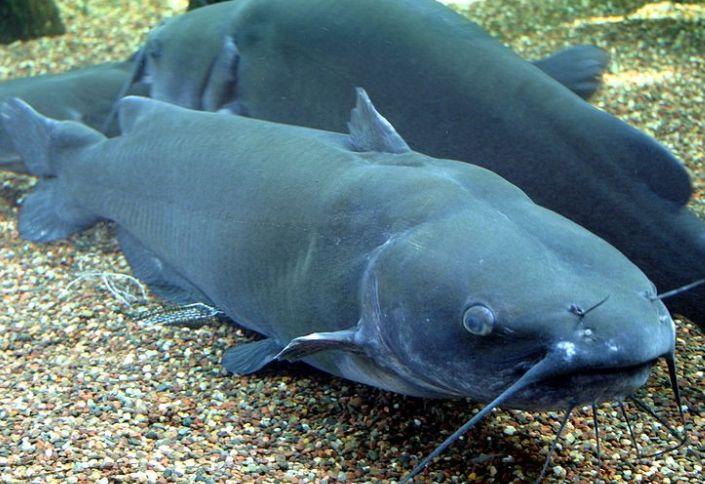
Catfish are the bottom-dwellers of the freshwater hobby, named for the whisker-like barbels around the mouth and prized for working the sand and shade that other fish ignore. A well-chosen one adds quiet, deliberate movement to a tank and forages through cover in a way that is genuinely absorbing to watch. Most people start looking into them after noticing uneaten food on the substrate or a tank that could use more life near the floor, and catfish can help with both. They are not a clean-up crew, though. They add bioload, they need real floor space, and some species quietly outgrow the tank you first pictured.
What a catfish actually is
"Catfish" is a broad label for many mostly-freshwater fish that share those barbels around the mouth. The barbels are packed with touch and chemical sensors and help the fish find food, especially in dim water or over sand and leaf litter.6 In an aquarium most catfish spend long stretches near the bottom, moving in short bursts between shaded cover and open feeding areas. Some are gentle shoalers, some are solitary, and a few are active hunters that do best in larger, calmer communities.
A reality check before you buy
The word on the shop label tells you almost nothing on its own. Sort out these points first.
- Tank footprint matters more than litres. Bottom-dwellers need floor space, not height.
- They are not a clean-up crew. Catfish need a proper diet, and they still produce waste, often a lot of it.
- Species names are everything. "Catfish" on a label can mean a small Corydoras, a fast-swimming pictus, or a species that reaches dinner-plate size.
- Check legality and never release fish. In NSW, releasing aquarium fish to public waters is illegal, and prohibited species rules apply. Unwanted fish should be rehomed responsibly.4
Common pet catfish and what they need
Corydoras (cory cats)
Corydoras are small, peaceful bottom-dwellers and one of the best first catfish for a community tank. They are social and do best in a proper group, often recommended as six or more of the same species, where they spend more time foraging in the open instead of hiding.7
What tends to suit them:
- Substrate: fine sand or smooth, rounded gravel to protect the barbels.
- Layout: shaded edges, driftwood, plants, and open feeding lanes.
- Temperament: best with calm, non-nippy tank mates.
Pictus catfish (Pimelodus pictus)
Pictus catfish are often sold as community catfish, but their needs are closer to an athletic river fish. They are fast, nocturnal, and need room to cruise. Many care guides recommend a tank of roughly 210 to 285 litres (or larger for groups), plus strong filtration and excellent oxygenation.8, 9
Two common surprises with pictus:
- Space: as constant swimmers, they become stressed in smaller tanks.8, 9
- Tank mates: small fish can be at risk, especially at night, because pictus have a large mouth for their size.10
If you want a relaxed, slow-moving community tank, a pictus is the wrong shape of fish for it.
Benefits and drawbacks
Why people keep them
- Bottom-level activity: they use parts of the tank other fish ignore.
- Natural behaviours: foraging, sifting, and exploring cover are quietly fascinating to watch.
- Hardy when water quality is stable: many common species cope well once the tank is properly cycled and maintained.1, 2
What catches people out
- Bioload: more waste means more filtration capacity and more consistent water changes.1, 2
- Outgrowing the plan: some cute juveniles become large, long-lived fish, and some species live for decades.3
- Nocturnal habits: several catfish are most active in low light, so they can seem to go missing during the day.
Setting up a suitable tank
Start with the fish's adult size and behaviour, then build the tank around that.
Tank size
There is no single catfish minimum, because the group ranges from tiny Corydoras to large-bodied species. As a starting point:
- Small Corydoras groups: prioritise floor space, stable filtration, and safe substrate.
- Pictus catfish: plan for a larger tank, often 210 to 285 litres or more, with swimming room and strong filtration.8, 9
If you are choosing between two sizes, pick the larger footprint. It gives you more stable water chemistry and a calmer fish.
Filtration, cycling, and oxygen
Most problems with aquarium fish trace back to invisible chemistry: ammonia and nitrite rising in a new tank, or creeping up in an overstocked one. A mature biological filter keeps those toxins in check, and it typically takes weeks to establish in a new aquarium.1 For tropical tanks, routine testing for ammonia, nitrite, and nitrate is part of normal care, not an optional extra, especially after any change to stocking, feeding, or filtration.2 Aeration matters too. Beneficial filter bacteria and fish both rely on oxygen, and many active catfish do best with good surface movement and well-oxygenated water.1
Substrate and decor
Barbels are working tools. Rough gravel, sharp decor, and chronically poor water can wear them down over time. Choose sand or smooth substrate, keep the tank clean, and use driftwood, caves, and plants to create shaded cover and clear paths for foraging.
Lighting
Many catfish prefer subdued light. You do not need a dark tank, but floating plants, driftwood shadows, and gentle transitions between bright and dim areas make them more willing to feed and explore.
Feeding and nutrition
Most commonly kept aquarium catfish are omnivores or opportunistic feeders. In the wild many eat insects, small crustaceans, worms, and plant material, picking through substrate and debris as they go. A steady approach at home:
- Base diet: quality sinking pellets or wafers.
- Variety: supplement with frozen foods such as bloodworms or brine shrimp, plus occasional fresh options suited to your species.
- Timing: for nocturnal fish, feed near lights-out so food reaches the bottom before daytime fish take it.
- Moderation: overfeeding is one of the quickest ways to spoil water quality, particularly in smaller tanks.1, 2
Common health issues and how to prevent them
Catfish are often called hardy, but their health is tied closely to water quality. Stress from ammonia, nitrite, unstable temperature, or crowding leaves fish more vulnerable to infection and parasites.1, 2
Early warning signs worth taking seriously
- reduced appetite
- unusual hiding, lethargy, or frantic darting
- hanging near high-flow areas or the surface
- damaged barbels, reddened patches, or frayed fins
Prevention that works
- Keep ammonia and nitrite at zero in a cycled tank, and manage nitrate with regular water changes.1, 2
- Quarantine new fish where possible, to reduce disease introduction.
- Avoid overcrowding and sudden changes to feeding or filtration.
If fish are unwell, treat water quality first, then seek species-appropriate veterinary or aquatics advice before adding medications. Some catfish are sensitive to certain treatments.
Breeding in captivity
Some catfish, especially certain Corydoras species, may breed in a well-kept home aquarium with good conditioning and stable water changes. Others, such as pictus catfish, are rarely bred successfully at home and may need conditions that are hard to replicate without specialised facilities.11 If breeding is your goal, choose a species known to breed in aquariums, then research that species specifically. Spawning triggers and fry foods vary widely across the group.
A few things worth knowing
- Whiskers that taste the water. The barbels are loaded with sensory cells used to locate food in low visibility. In some species chemical sensing matters more than vision.6
- Yes, catfish make sounds. Many produce sounds through pectoral fin spines (stridulation) or by using the swim bladder as a resonating chamber. It is real, though you may not hear it over pumps and filters.6
The bottom line
A well-chosen catfish adds a steady, grounded presence to a tank, moving through shade and sand while the rest of the fish flicker above. The good outcomes come from matching the species to the space, keeping water quality stable, and treating barbels and bottom space as essential habitat rather than decoration.
References
- RSPCA Knowledgebase: Why is water quality important when setting up a fish aquarium?
- RSPCA Knowledgebase: How should I care for my tropical fish?
- NSW Department of Primary Industries: Aquarium owners and trade
- NSW Department of Primary Industries: Caring for your pet fish
- NSW Department of Primary Industries: Monitoring ammonia
- Wikipedia: Catfish (overview of barbels/chemoreception and sound production mechanisms, with cited sources)
- Aquarium Care Basics: Cory Catfish (schooling behaviour and general care)
- WebMD Pets: What to know about pictus catfish
- Aquariadise: Pictus catfish (Pimelodus pictus) care sheet
- RSPCA (UK): Choosing an aquarium for pet fish (filters, cycling, ammonia and nitrite)
- Aqua-Fish: Pictus catfish (Pimelodus pictus) care guide (notes on breeding rarity in home aquaria)

Dog lover and writer at My Pets Australia, sharing practical breed guides and care advice for Australian pet owners.