Capped Rats
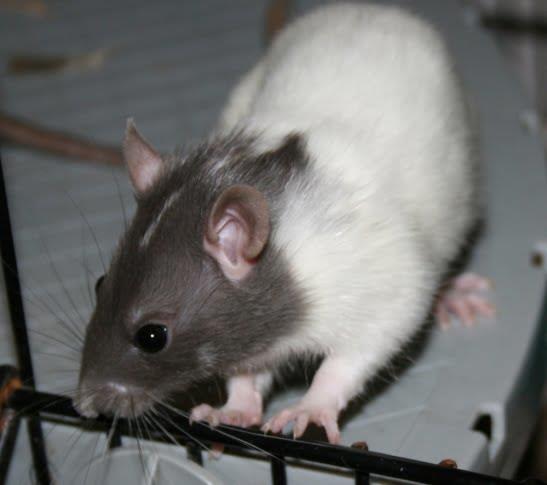
A "capped" rat is a domesticated pet rat with a patch of colour over the head and a mostly white body, one of the classic markings in the rat fancy alongside hooded and Berkshire patterns. Pet rats themselves are bright, sociable animals that climb, explore and settle in with people faster than most small pets. The word "capped" describes how the coat is coloured, not a breed or a separate species, so the care is simply good pet rat care.1 They live a short two to three years, which is worth knowing before you start. Get the housing, company and diet right and they are one of the more rewarding small animals you can keep.1, 2, 3
What "capped" actually means
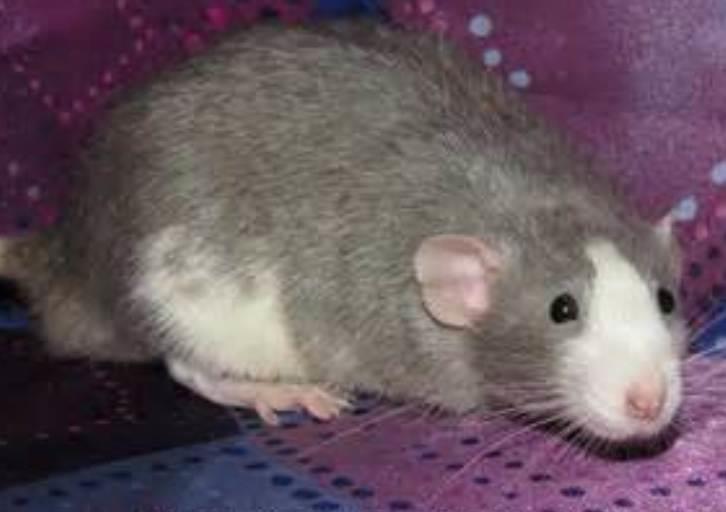
People usually reach this page after seeing "capped rats" on a breeder listing, a pet shop label or a care thread, and wanting to know what animal they are dealing with. The answer is straightforward. "Capped" is a marking pattern where colour sits over the head, the cap, while the rest of the body stays largely white.1
That is why you sometimes see "capped rat" written as if it were a breed or species. It is not. Pet rats are domesticated brown rats (Rattus norvegicus domestica), bred over generations for temperament, coat colours and patterns, and life alongside people. If a seller claims capped rats are a separate wild Australian species, ask for the scientific name and where the animals came from.1, 3
Appearance and Size
A capped rat can turn up in many colours and coat types, but the head marking is the defining feature. The body tends to be mostly white, sometimes with minor markings elsewhere depending on the line and how strictly the pattern was bred.1
Size varies with sex, genetics and diet. Many adult pet rats sit roughly in the 200 to 500 g range, with some individuals smaller or larger. Treat any single figure you see online as a rough guide, not a rule.6
Temperament and Personality
Pet rats are active, curious animals whose daily rhythm is climbing, exploring and social contact. With calm, steady handling many become reliably manageable around people, though personalities differ and some stay more cautious than others.4
Temperament is shaped by both early handling and genetics. Reputable breeders select for calmer, more stable animals and can usually tell you which youngsters are bold, busy or quiet.5
Care and Housing
Good housing is tall enough for climbing, secure against escapes and simple to clean properly. Ventilation matters more than most first-time owners expect. Rat urine and damp bedding drive up ammonia levels, which irritate airways and make respiratory problems more likely.5
- Ventilation first: wire-sided cages ventilate far better than solid tanks or plastic tubs, and poor airflow encourages ammonia build-up.5, 7
- Safe bar spacing: as a practical guide, RSPCA advice commonly notes bar spacing no larger than about 2.5 cm for adult rats, smaller for juveniles.5
- Dry, absorbent bedding: keep a deep enough layer to absorb waste, and remove damp patches often. Dusty, irritating bedding can worsen airways, especially in rats already prone to respiratory disease.7, 8
- Daily basics: spot-clean soiled bedding, remove any stashed fresh food, and wipe solid surfaces as needed. Regular cleaning keeps air quality steady and lowers disease risk.5, 7
Diet and Nutrition
Rats are omnivores and will eat a wide variety of foods, which is both useful and a trap. A reliable base diet prevents selective eating and nutritional gaps, with fresh foods offered alongside for variety and enrichment.4, 7
- Base diet: good-quality rat pellets or cubes are commonly recommended as the staple.4
- Fresh foods: offer a range of vegetables and some fruit in smaller amounts, introduced gradually to avoid stomach upsets.4
- Limit mix diets and treats: seed and grain mixes encourage picking out favourites and leaving the rest, and can be too energy-dense for many rats.4
- Water: fresh, clean water available at all times.4
Companions and Handling
Rats do best with other rats, provided introductions are done sensibly and the group is compatible. Even with company, daily observation and gentle handling helps you catch illness early. Small mammals often become seriously unwell before they look dramatically sick, so familiar daily contact keeps them tame and gives you an early warning.4
A Note on Breeding
One claim that circulates is that females can have up to 12 offspring per litter. In reality litter size varies widely with genetics, age, health and husbandry, and there is no single dependable maximum that applies to all rats. If breeding is on the table at all, get advice from an experienced vet or a reputable rat club, because the welfare and genetic downsides of casual breeding can be significant. For most households the safer path is simple: keep same-sex pairs or groups and avoid accidental litters.
Health and Lifespan
Pet rats typically live around two to three years, with plenty of individual variation.1 A few health themes come up again and again, and most of them are tied to the setup.
Respiratory disease
Respiratory illness is the biggest health theme in pet rats. Mycoplasma pulmonis is a well-known cause of chronic respiratory disease, and signs flare when housing conditions are poor, especially when ammonia levels rise or ventilation is limited.2, 7, 8 Watch for:
- sneezing, noisy breathing, snuffling
- red-brown discharge around the eyes or nose (porphyrin staining can look like dried blood)2
- reduced appetite, weight loss, hunched posture
If these signs persist, or breathing looks laboured, a vet visit matters. Rats can deteriorate quickly once the lungs are involved, and early treatment plus better air quality makes a real difference to comfort.2, 5
Dental problems
Rats' incisors grow continuously. Chewing is part of normal maintenance, and safe chew items help keep the teeth worn. Misalignment and overgrowth can still occur, especially after injury or in some lines, and may need veterinary trimming.7
Heat stress
Heat is quietly dangerous for rats, particularly in enclosed, poorly ventilated housing. Australian guidance commonly notes that once temperatures climb above about 30 °C you should monitor closely, keep enclosures out of direct sun, and use safe cooling options such as a frozen bottle placed so the rats can move away from it.7
A Quick Setup Checklist
- The enclosure is wire-sided or otherwise very well ventilated, not a fish tank or sealed tub.5
- Bedding stays dry, with damp patches removed before an ammonia smell builds up.5, 7
- Food is based on pellets or cubes, with fresh vegetables offered regularly.4
- Rats are kept with compatible companions and handled gently most days.4
- You can spot early respiratory signs quickly and act before it becomes a crisis.2, 5
Common Questions
Are capped rats a separate species found in Australia?
In pet-keeping, "capped" almost always refers to a marking pattern on domesticated pet rats, not a wild Australian species. If a seller claims otherwise, ask for the scientific name and provenance.1
Do capped rats enjoy human interaction?
Many pet rats tolerate and often seek out familiar handling, especially when raised with calm, consistent contact. It is more accurate to say they can become comfortable and confident with people than to assume affection as a fixed trait.4
Do I need to keep rats in pairs?
Rats are social and are commonly kept in compatible pairs or groups, with daily observation and handling helping maintain tameness and spot illness early.4
References
- Wikipedia, Fancy rat (domesticated brown rat, markings including "capped")
- University of Missouri College of Veterinary Medicine, Mycoplasma pulmonis in rats
- Portuguese Wikipedia, Fancy rat ("twister") as domesticated Rattus norvegicus
- RSPCA Victoria, Caring for pet mice and rats (diet, handling)
- RSPCA Knowledgebase, Where should I keep my rats? (ventilation, cleaning, bar spacing)
- Agriculture Victoria, Code of Practice Appendix: minimum housing standards (rats, floor area by weight)
- Agriculture Victoria, Caring for pet rats and mice (housing, cleaning, heat stress)
- Agriculture Victoria, Code of Practice Part 3.3: ventilation and ammonia (air quality)

Dog lover and writer at My Pets Australia, sharing practical breed guides and care advice for Australian pet owners.