Boxer Dog Care: A Comprehensive Guide for Australian Owners
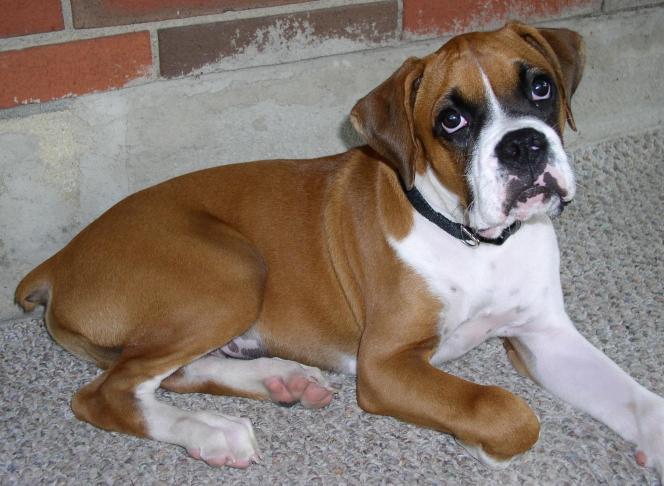
The Boxer is an athletic, people-focused dog with a short coat and a watchful, expressive face. Bred to stay close to their household, most are affectionate, endlessly playful, and happiest when they are part of daily life rather than parked in the backyard. They are also a lot of dog: fast, strong, and slow to grow up. The gap between "spirited companion" and "difficult dog" is almost always routine, meaning steady training, enough exercise, and realistic expectations about health. Get those right and a Boxer is a warm, vigilant, easy dog to love.
Boxer at a glance

- Height (at the withers): males 56 to 61 cm, females 53 to 58.5 cm (breed standard guide)1
- Typical weight: around 30 kg for males, around 28 kg for females (breed standard guide)1
- Coat: short, smooth, close-fitting
- Colours: fawn or brindle, white markings permitted but limited under the standard1
- Temperament (general): lively, loyal, people-oriented, and can be boisterous if under-exercised or under-trained2
- Exercise needs: often 1 to 2 plus hours a day for healthy adults, plus training and sniffing time2
- Life expectancy: commonly 10 to 12 years3
Appearance and Physical Characteristics
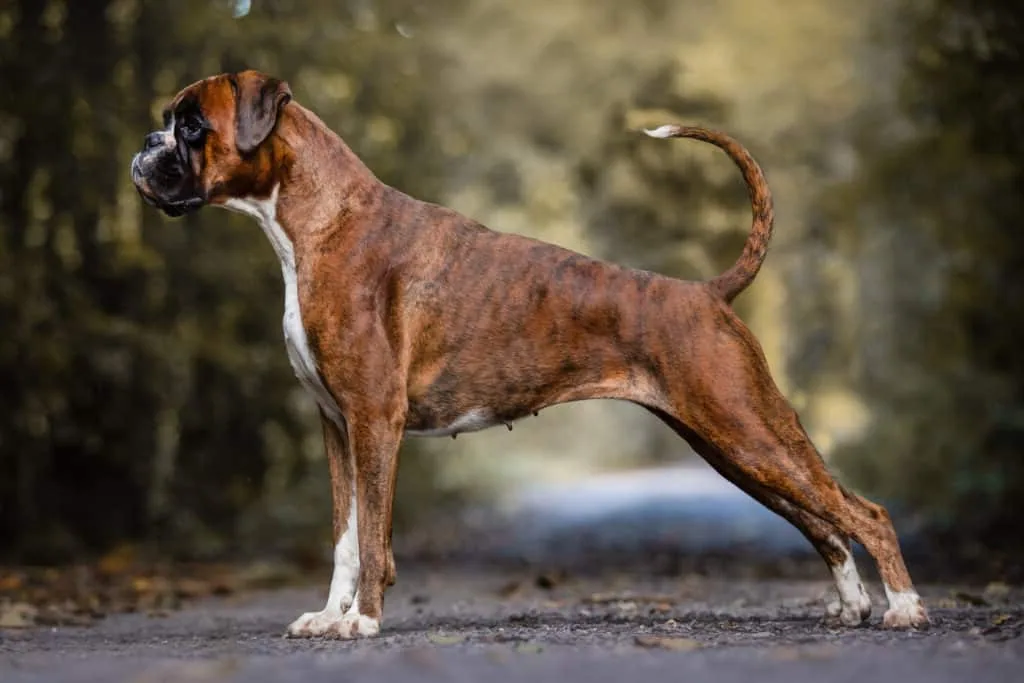
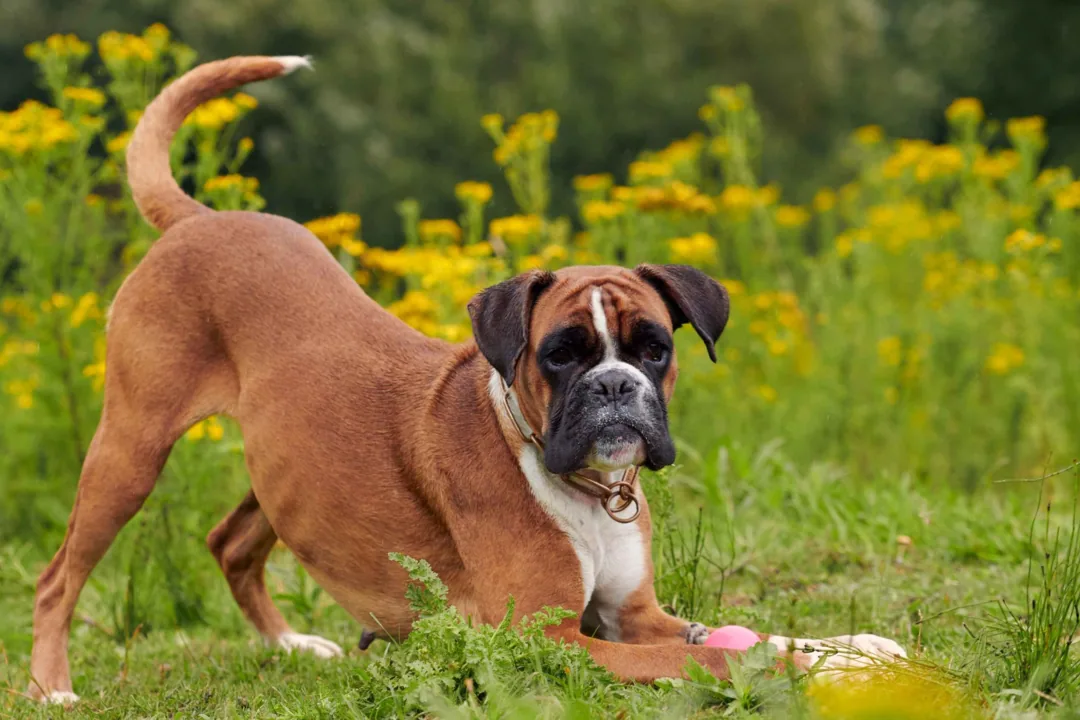
Boxers are built like athletes. Males stand 56 to 61 cm at the withers and weigh around 30 kg, females 53 to 58.5 cm and around 28 kg.1 The coat is short, smooth, and close-fitting, in fawn or brindle, with white markings permitted but kept limited under the breed standard.1 The short muzzle and expressive face are part of the appeal, but they also make the Boxer a brachycephalic breed, which matters for heat and exercise (more on that below).
Temperament and Personality
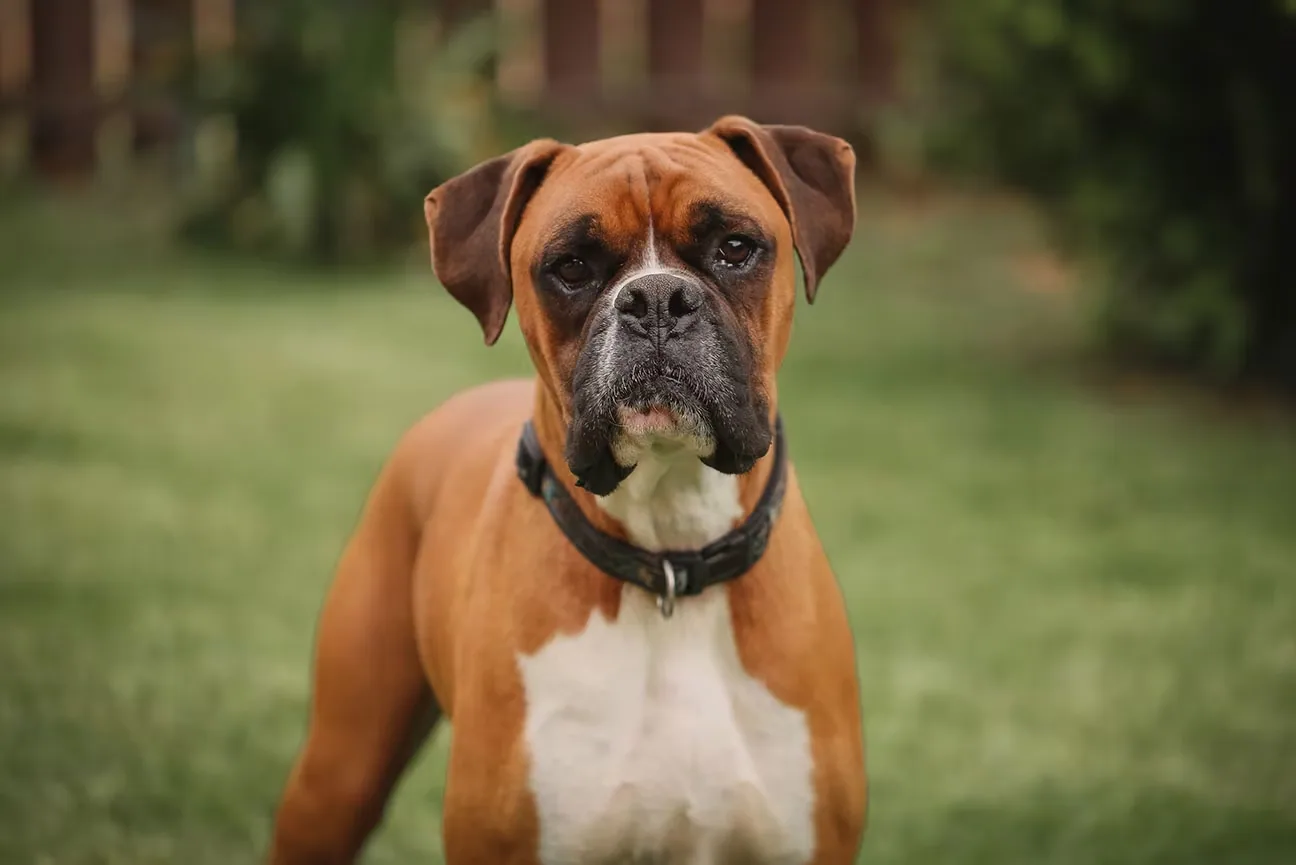
A Boxer is wired for company. Many are deeply attached to their people, following them from room to room and settling best when they are included rather than isolated. The traits that make them engaging, meaning speed, strength, and enthusiasm, are the same ones that can make them overwhelming without structure.2 A bored Boxer will invent their own entertainment, and it usually involves chewing, digging, fence-running, or "helping" at the worst possible moment.
Is a Boxer Right for You?
Boxers suit owners who enjoy daily activity, can offer calm boundaries, and are willing to work with their vet on breed-linked health screening. If your week has no room for an hour or two of walking, training, and play, this is not the breed to force it with.
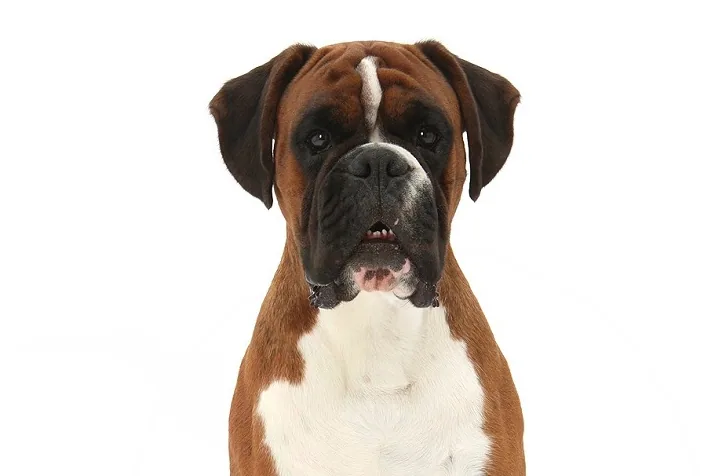
They often play with full-body gusto. That can be wonderful with older kids who understand dog space and stay steady on their feet, but it is a poor match for unsupervised toddlers. Regardless of breed, children should never be left alone with a dog, and adults should actively supervise interactions.4, 5
With other dogs and cats, outcomes are usually shaped by early socialisation and ongoing management. Choose controlled introductions, reward calm behaviour, and do not rely on the dogs "sorting it out" as a strategy.
Training and Exercise
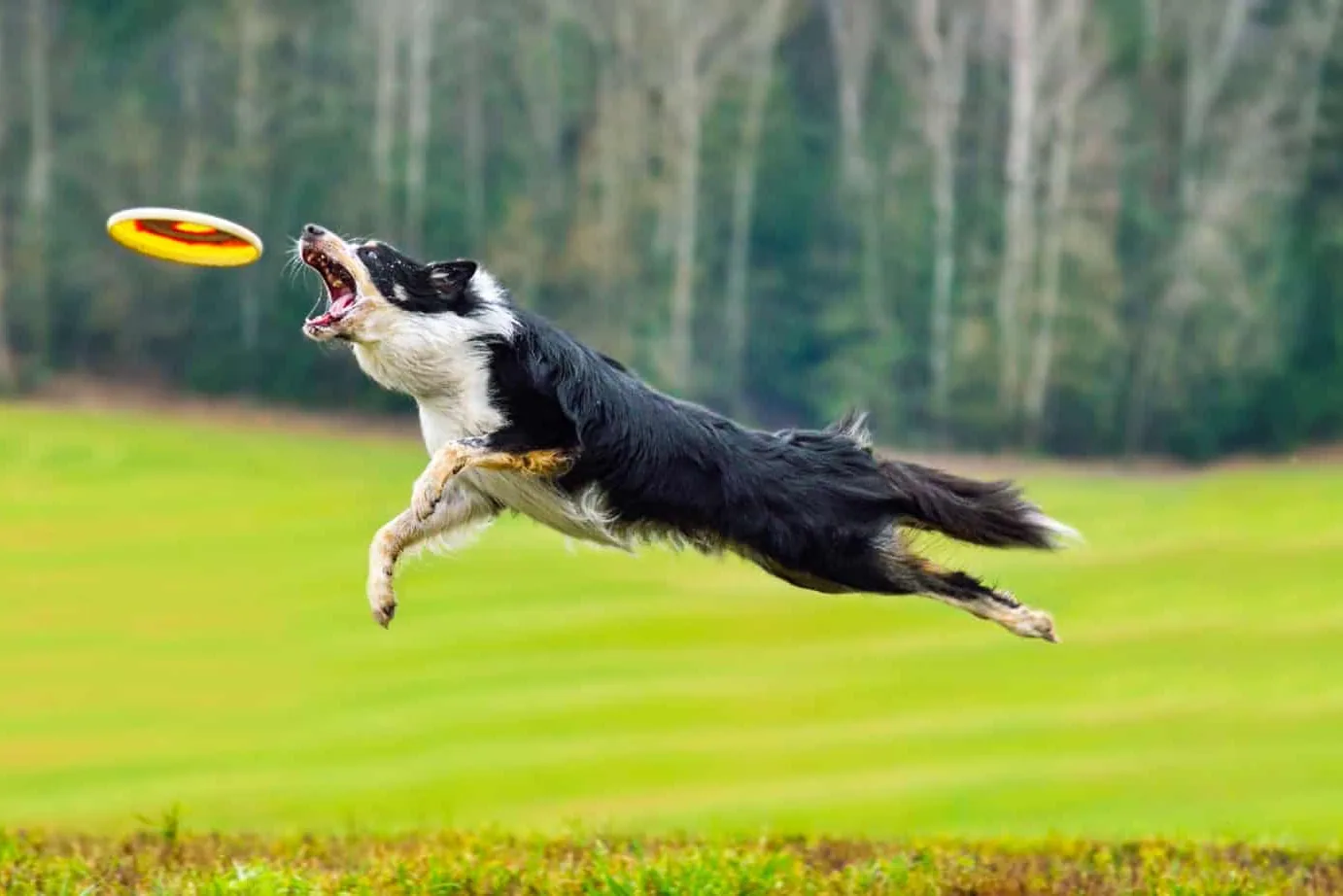
Boxers are intelligent and often quick to learn, but many are slow to mature. Training works best when it is short, frequent, and practical: tiny sessions scattered through the day, linked to real life such as doors, greetings, meals, and lead walking.
What tends to work well
- Positive reinforcement: food, play, and praise for the behaviours you want repeated.
- Early socialisation: calm exposure to people, surfaces, sounds, vehicles, and friendly dogs, at a pace the puppy can handle.
- Impulse control: "sit to say hello", "wait at doors", and "leave it" reduce the leaping, snatching, and chaos Boxers are famous for.
How much exercise?
Healthy adult Boxers commonly need around 1 to 2 hours of activity a day, often split between a brisk walk, training, play, and time to sniff and explore.2, 3 Puppies need less pounding and more rest, with exercise scaled to age and fitness.
Because Boxers are a short-muzzled (brachycephalic) breed, heat hits them hard. On hot Australian days, shift exercise to early morning or late evening, prioritise shade and water, and stop if your dog is struggling to cool down.
Health and Lifespan
Boxers commonly live 10 to 12 years.3 No list of "common Boxer health problems" will describe every dog, but there are patterns worth taking seriously. The point is not to worry, it is to plan: ask your vet what screening makes sense for your dog's age, family history, and lifestyle.

Heart disease (a key Boxer issue)
Boxers are over-represented in arrhythmogenic right ventricular cardiomyopathy (ARVC), sometimes called "Boxer cardiomyopathy". It can cause fainting episodes and dangerous heart rhythm disturbances, and it may not show obvious changes on routine scans early on. Monitoring can include ECG or Holter testing as advised by your vet.6
Other issues seen in the breed
- Orthopaedic problems: including hip dysplasia (risk varies by lines and body condition).
- Cancers: Boxers are often cited as a breed with higher risk of certain tumours, so early vet checks for new lumps matter.
- Gastric dilation-volvulus (bloat): deep-chested breeds are at increased risk. Discuss prevention strategies with your vet, especially if your dog is high-risk or has a family history.3
Everyday preventative care
- Annual (or vet-recommended) health checks, with earlier review if you notice coughing, fainting, exercise intolerance, weight loss, or new lumps.
- Vaccination and parasite prevention to suit your location and lifestyle.
- Dental care from the start, since brushing is better than catching up later.
Grooming and Care
The Boxer coat is easy to live with, but it is not "no grooming". A quick brush once a week lifts loose hair, keeps the coat glossy, and gives you a chance to notice skin irritation, ticks, or new lumps. Bathe only when needed, using a dog-appropriate shampoo. Keep nails trimmed, ears clean and dry, and check any skin folds, since moisture and friction can quietly cause irritation.
Diet and Nutrition
Feed the dog in front of you. A Boxer's ideal diet depends on age, workload, and health, and the clearest day-to-day guide is body condition and muscle tone rather than the number on the scale.

The World Small Animal Veterinary Association (WSAVA) recommends routine nutritional assessment at every vet visit, using tools like a body condition score and muscle condition score to guide feeding adjustments.7 If you are unsure about amounts, start with the food manufacturer's guide, then refine with your vet based on condition and energy levels.
Quick red flags to bring to your vet
- Sudden weight change, ongoing diarrhoea, or frequent vomiting
- Coughing, collapse or fainting, or unusual exercise intolerance
- Rapidly growing lumps, bleeding masses, or persistent sores
- Restlessness with a swollen abdomen (possible bloat emergency)
The Bottom Line
A well-kept Boxer is a steady rhythm of movement and calm: a dog that runs hard, learns daily, and sleeps deeply. When their needs are met, they tend to be warm, vigilant companions, muscular, bright-eyed, and very tuned to their people. If you are choosing a puppy, ask breeders about health testing and temperament in their lines. If you already share your home with a Boxer, the best upgrades are usually simple ones: predictable exercise, clear training, and a vet relationship that stays a step ahead of the breed's common problems.
References
- Dogs Australia (ANKC), Boxer breed standard (size, weight, colour)
- PDSA, Boxer: exercise needs and general breed characteristics
- The Kennel Club (UK), Boxer breed standard (size/weight) and breed information context
- American Veterinary Medical Association (AVMA), Dog bite prevention policy and guidance
- AVMA, Tips to prevent dog bites (supervision and risk context)
- Merck Veterinary Manual (Professional), Arrhythmogenic right ventricular cardiomyopathy (ARVC) in dogs (Boxer cardiomyopathy)
- WSAVA, Global Nutrition Guidelines (nutritional assessment, body condition scoring tools)

Dog lover and writer at My Pets Australia, sharing practical breed guides and care advice for Australian pet owners.