Birds as Pets: A Comprehensive Guide for Australian Bird Enthusiasts
A pet bird brings a bright, busy, watchful presence into a home, and many species are affectionate, clever, and genuinely rewarding to live with. Budgies, cockatiels and parrots have kept Australian households company for generations, and a well-cared-for bird can be a companion for a very long time. It is also a serious commitment. Birds are sensitive to routine and far more shaped by their environment than most new owners expect, so diet, light, space and stress quietly add up over years. This guide covers choosing a species, setting up housing, feeding safely, spotting illness early, and staying on the right side of Australia's wildlife rules.1, 2
Choosing the right bird
A pet bird is not a short-term project. Many species are long-lived, sensitive to routine, and more influenced by their surroundings than people realise. Start with what your household can reliably provide: quiet time, fresh food daily, and safe out-of-cage flight or exercise.
Key factors to consider
- Noise and neighbours: even small parrots can be piercing, especially at dawn and dusk. Sound carries in units and on suburban blocks.
- Time and attention: birds need daily interaction and enrichment to reduce stress and problem behaviours, including feather damage and screaming.2
- Lifespan and planning: many parrots may live for decades. Think about housing changes, children, travel, and who would care for the bird if life shifts.
- Mess and air quality: seed husks, feather dust, and scattered food are normal. Ventilation and cleaning routines matter.
- Wildlife and legality: native species can be protected and may need a permit depending on where you live and the species.3
Popular pet bird species in Australia (and what they are like to live with)
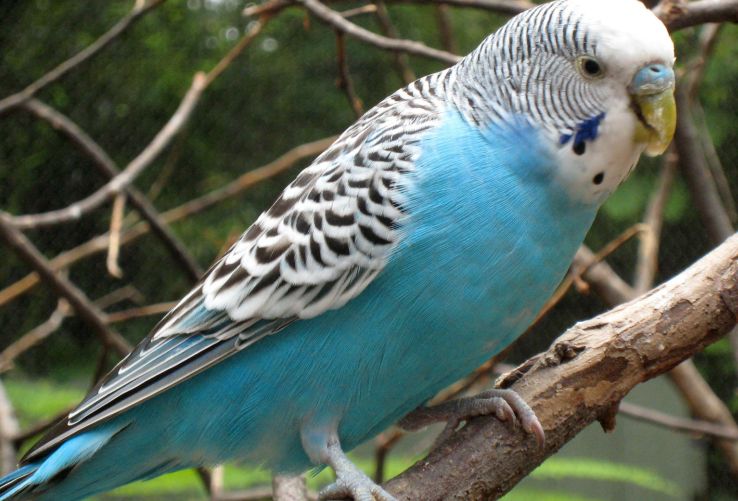
Budgerigars (budgies): small, active, social, and usually a good fit for first-time keepers who can commit to daily interaction.
Cockatiels: generally gentle and people-oriented, often fond of routine, and prone to stress if their environment is unpredictable.
Larger parrots (cockatoos and some other species): intelligent and intense. They can be loud, demanding, and long-lived, and they often need more space, sturdier set-ups, and careful training to prevent chronic behavioural issues.
Lorikeets: specialised nectar and fruit feeders with very wet droppings and higher cleaning demands. Their diet must be managed carefully to avoid nutritional problems.2
Housing and environment
A cage is a safe base, not a full habitat. The real goal is a clean, well-lit space with room to move, opportunities to forage and climb, and a predictable rhythm of sleep and daylight.
Cage essentials that matter
- Space to move: choose the largest enclosure you can fit and maintain, and prioritise width for movement. Birds need room to exercise their wings and shift between perches without constant climbing.
- Safe materials: sturdy, smooth bars and non-toxic finishes. Avoid suspect metals and materials that can be chewed into fragments.
- Placement: a bright, stable household area so the bird can observe and interact, but out of draughts and direct, baking sun.
- Perches: varied diameters and textures. Natural branches are widely recommended over uniform plastic or metal perches.2, 6
Enrichment
In the wild, birds spend much of the day moving, foraging, and watching. In a home, you have to build that variety on purpose. Rotate toys, add shreddable and chewable items suited to the species, and use food puzzles so eating takes time. Bathing opportunities help many species maintain feather condition, and fresh, clean drinking water should always be available.6
Diet and nutrition
Most pet bird health problems are slow-burn: a diet that is close but not quite right, repeated for years. Seeds alone are a common trap, because many birds will happily eat a seed-heavy diet while drifting into nutritional imbalance.
What a balanced diet usually looks like
For many commonly kept parrots, a high-quality formulated diet (pellets) is often used as a nutritional base, with fresh vegetables and other appropriate fresh foods added daily. Seeds are better treated as a smaller portion or training treat for many pet parrots, depending on species, age, activity level, and veterinary advice.2, 7
Fresh foods that are commonly suitable
- Leafy greens (washed well)
- Orange and red vegetables such as carrot and capsicum
- Legumes and grains prepared appropriately (ask your avian vet for species-specific guidance)
- Fruit in smaller amounts for many species, and as needed for nectar-feeding birds under guidance
If you are considering supplements such as calcium, vitamin D or iodine, treat them like medication. Over-supplementation can cause harm, so check in with an avian veterinarian before adding anything routinely.6
Foods to avoid
Some common household foods are toxic to birds. Avoid avocado, chocolate, alcohol, and caffeinated drinks. Also avoid salty, sugary, and heavily processed snacks.7
Health and veterinary care
Birds are prey animals, and many will mask illness until they are quite unwell. The most reliable tool is quiet, regular observation: appetite, droppings, posture, breathing, and the look of the feathers day to day.
Common health issues seen in pet birds
- Respiratory disease: nasal discharge, sneezing, open-mouth breathing, tail bobbing, voice change.
- Feather damage: can be linked to stress, boredom, skin disease, parasites, or diet problems.
- Digestive upsets: persistent diarrhoea, vomiting, weight loss, or changes in droppings can signal infection, diet issues, or organ disease.
The NSW bird-keeping code notes that changes in droppings, appetite, posture, breathing, and discharges are signs that warrant urgent attention.6
Psittacosis (parrot fever): a real Australian consideration
Psittacosis is an infection caused by Chlamydia psittaci. It can affect birds and can sometimes spread to people, usually by inhaling dust from dried droppings or secretions. Some infected birds show few signs, so hygiene and veterinary advice matter, especially if anyone in the home is pregnant, elderly, or immunocompromised.4, 5
Prevention that actually works
- Daily basics: remove wet food, tidy droppings, refresh water.
- Regular deep cleaning: clean and disinfect perches, bowls, and high-contact surfaces. Keep food stored dry and free from mould.6
- Quarantine new birds: keep new arrivals separate for a period and watch closely before introducing them to other birds.6
- Routine vet care: establish an avian vet early, before there is a crisis.
Training and socialisation
Training is less about tricks and more about predictability. A bird that can calmly step up, accept brief handling, and move in and out of a carrier without panic is safer at home and easier to treat if illness strikes.
Gentle foundations
- Step up: taught slowly, with positive reinforcement, to reduce grabbing and chasing.
- Short sessions: frequent, calm repetitions work better than long sessions that spill into frustration.
- Choice and distance: allow the bird to move away. Forcing contact often teaches fear rather than trust.
Behaviour and interaction
Bird behaviour is a stream of signals: feathers, eyes, posture, voice, breathing, and movement. Learn your bird's normal and you will notice the quieter warnings.
Reading body language
- Relaxed: steady posture, preening, resting on one foot, gentle vocalising.
- Overstimulated or stressed: rapid pacing, lunging, pinned eyes, flared tail, rigid posture, repeated alarm calls.
If biting and screaming appear, treat them as information first. Check sleep, cage location, diet, and enrichment. Then consider training and veterinary review, particularly if the change is sudden.
Grooming and maintenance
Healthy grooming is mostly environmental: clean air, bathing opportunities, and surfaces that let the bird move naturally.
Feathers, beak, and nails
- Bathing: offer shallow water or gentle misting if the bird tolerates it. Many species benefit from regular bathing water.6
- Beak wear: provide appropriate chew items and mineral sources as advised. Overgrown beaks should be assessed by a vet.
- Nails: varied natural perches can help. If nails are overgrown, have them trimmed by an experienced avian vet or trained professional to avoid injury.
Cleaning routines
- Remove droppings and old food daily.
- Wash food and water bowls frequently and place them to reduce contamination from perches.6
- Do a weekly clean of cage surfaces and accessories, using bird-safe products and rinsing well.
Legal and ethical considerations in Australia
Australia's bird life is heavily protected, and the rules change by state and territory. The safest approach is to assume a native bird may be regulated until your local wildlife authority says otherwise.
Permits and licences (examples)
New South Wales: many native birds require a biodiversity conservation licence to keep, and NSW notes that 41 captive-bred native bird species can be kept without a licence. Requirements depend on the bird class and how many you keep.1, 3
Queensland: a licensing framework applies to keeping protected native animals, with different licence types and conditions, and a strong emphasis on buying only from licensed sellers.8, 9
Ethical sourcing
Choose birds bred in captivity by reputable breeders, licensed sellers, or rescues. Avoid any pathway that encourages taking birds from the wild, or informal trading that cannot show lawful origin. Aside from the legal risk, wild capture and poor transport are hard on birds and can spread disease through collections.1, 9
The Bottom Line
A well-kept pet bird is a small, watchful companion: bright-eyed, busy, and tuned to the patterns of a home. Get the foundations right, meaning space, clean water, a balanced diet, and daily enrichment, and most of the harder problems become rarer and quieter. If you are unsure, start with an avian vet visit before you bring a bird home, or soon after. It is often the quickest way to match the species to your household and avoid years of preventable trouble.
References
- Bird keeper licences (NSW Environment and Heritage)
- RSPCA Australia (general guidance on animal welfare and care)
- Apply for a native animal keeper licence (Service NSW)
- Psittacosis (ACT Government)
- Psittacosis (parrot fever) (Better Health Channel, Victoria)
- NSW Code of Practice No 4, Keeping and trading of birds (NSW DPI)
- Merck Veterinary Manual (avian nutrition and toxicities, overview)
- Licences to keep, use or display native animals (Queensland Government)
- Keeping native animals (Queensland Government)

Dog lover and writer at My Pets Australia, sharing practical breed guides and care advice for Australian pet owners.