Bird breeds
Birds are among the most rewarding pets you can keep: alert, characterful, and capable of forming real bonds with the people around them. Most people searching "bird breeds" are weighing up a first pet bird, trying to tell similar-looking species apart, or checking what is legal and realistic to keep in Australia. The honest truth is that the right bird depends far more on daily reality than on rarity or looks. Some birds thrive in a busy household, others need specialist diets or aviary space, and a few should never be kept as pets at all. This is a plain-language guide to the main groups you will meet, the care basics that apply to nearly any companion bird, and where Australian wildlife law draws the line.
First, a note on "breeds" versus species
Unlike dogs, most pet birds are not "breeds" at all. They are usually different species (a budgerigar is not a cockatiel), or colour varieties within a single species, such as the various budgie colour mutations. This distinction is practical, not pedantic. Care needs like diet, housing, noise and lifespan are set mostly by the species, not the colour, so working out what you are actually keeping is the first step to keeping it well.
Choosing a pet bird in Australia
A good match comes down to daily life: sound levels, mess, time out of the cage, and whether the bird's diet is straightforward. It is also worth checking state and territory rules before you buy or adopt, particularly with native species, because some wildlife can be kept only under permit and the rules vary. These general welfare points apply across common companion birds:1
- Space and setup: a secure enclosure that lets the bird move, climb and stretch fully, with safe perches and enrichment.
- Daily care: fresh food and water, regular cleaning, and time for flight or supervised exercise where possible.
- Social needs: many birds need frequent interaction, with people or compatible birds, not a quiet corner life.
- Veterinary care: plan for an avian vet visit when you first get the bird, and whenever appetite, droppings, breathing or behaviour changes.
Parrots: bright, clever and often loud
Parrots are popular because they are alert, interactive and long-lived. They are also frequently noisy, messy and demanding, especially the species that form strong pair-bonds and rely on constant social contact. They reward the households that are set up for them and frustrate the ones that are not.
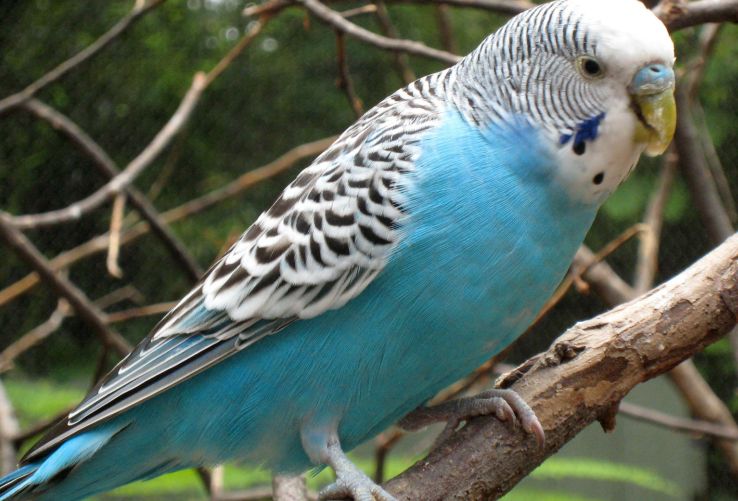
Budgerigar (budgie)
Small, active and widely kept. Budgies do best with room to fly, varied enrichment, and a balanced diet rather than seed only. They can learn whistles and some words, but the real appeal is their busy, curious nature.
Cockatiel
Often a good first parrot, because they are generally smaller and less intense than many larger parrots while still being social and trainable. Like all parrots, they need routine, stimulation and safe chewable items.
Rainbow lorikeet (native)
Lorikeets are nectar-feeders, built for a very different diet from seed-eating parrots. Keeping them well means providing an appropriate nectar-based diet and managing the extra mess that comes with liquid foods. Before considering any native parrot, check your state or territory wildlife rules and local advice.
Eclectus parrot
Eclectus parrots are striking and intelligent, but they are not a set-and-forget pet. Their care typically involves more space, more enrichment, and a carefully managed diet. They suit households ready for a bigger daily commitment.
Songbirds: smaller bodies, quieter homes
"Songbirds" is a broad group, but in pet keeping people usually mean small birds like canaries and finches. These are often less physically interactive than parrots, yet they still need correct housing, diet and companionship suited to the species.
Canaries
Canaries are kept mostly for their song and presence. They suit people who want a bird to watch and listen to rather than handle, and males are typically the main singers.
Finches
Finches are lively, social aviary birds that generally do best with other finches, plenty of flight space, and a stable, low-stress environment. They are usually not hands-on pets, but they reward careful observers.
A quick word on "talking"
Parrots are the classic vocal mimics. Canaries and finches, by contrast, are known for song, not speech. If a bird that talks is the goal, you are looking at parrots, and even then talking varies from one individual to the next.
Birds of prey: hunters, not household pets
Raptors, meaning hawks, eagles, falcons and owls, are specialised predators with powerful feet and beaks and sensory systems tuned for hunting. Their needs are complex, and in Australia they are not animals for casual ownership. Keeping or handling raptors is generally limited to licensed wildlife carers, educators and falconers operating under strict rules. One point worth keeping straight: raptors can be territorial, but they are not "highly social" in the way flocking parrots are, and social behaviour varies widely by species and context.
"Exotic" birds and the biosecurity reality
Australia's biosecurity rules are strict for good reason. If you are imagining importing a pet bird from overseas, the options are extremely limited. The Australian Government states that you can import some pet psittacine (parrot) species from New Zealand, and that you cannot import pet birds from any other country under that pathway.2, 3 If someone offers an "imported exotic" bird with vague paperwork, treat it as a red flag and seek official advice.
Rare and threatened Australian birds: admire, do not buy
Some of Australia's most charismatic birds are also among the most at risk. They are not "rare pets"; they are threatened wildlife with active recovery efforts behind them. Nationally listed threatened species include:
- Swift parrot, listed as critically endangered under Australia's EPBC Act, with a national recovery plan in place (updated April 2024).4
- Regent honeyeater, listed as critically endangered under the EPBC Act.5
- Night parrot, listed as critically endangered under the EPBC Act, confirmed only in isolated populations and difficult to monitor.6
If you want to support these species, the most meaningful steps are habitat protection, responsible land and garden choices, and backing conservation programs, rather than seeking ownership.
Care essentials that make the biggest difference
Most bird problems in homes come from the slow grind: cramped housing, the wrong diet, stale air, boredom, and missed early signs of illness. Start with the basics and stay consistent.
- Housing: choose an enclosure that suits the species' movement and flight needs, placed away from fumes, drafts and constant stressors.1
- Diet: feed to the species. Nectar-feeders like lorikeets are not seed-eaters, many parrots need more than seed, and many small birds need more than a standard mix.
- Enrichment: rotate safe perches, foraging opportunities and chew items, because boredom can turn into feather damage or repetitive behaviours.
- Safety: be cautious with non-stick cookware fumes, smoke, aerosols and strong cleaning products, as birds are sensitive to airborne irritants.
The bottom line
The best bird for a home is rarely the most dramatic one. It is the species whose diet you can meet every day, whose noise you can live with, and whose social needs you can genuinely provide for over years and sometimes decades. Start small, learn the rhythms of good care, and let the bird's natural behaviour set the pace.
References
- RSPCA Australia Knowledgebase, How should I care for my birds?
- Australian Government (DAFF), Importing your pet bird
- Australian Border Force, Can you bring it in? Live animals and pets
- Australian Government (DCCEEW), National Recovery Plan for the Swift Parrot (Lathamus discolor) (2024)
- Australian Government (DCCEEW), Regent Honeyeater
- Australian Government (DCCEEW), Night Parrot

Dog lover and writer at My Pets Australia, sharing practical breed guides and care advice for Australian pet owners.