Bearded Dragon Care: A Comprehensive Guide for Australian Pet Owners
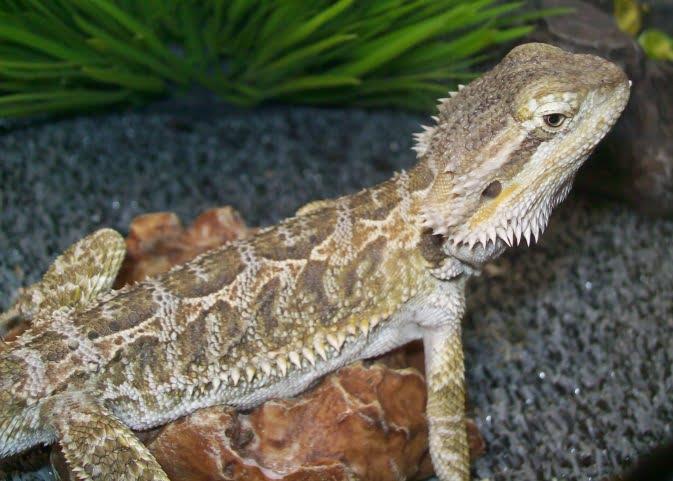
The central bearded dragon (Pogona vitticeps) is one of Australia's most popular pet reptiles, and it earns that spot: it is alert, active by day, and genuinely tolerant of gentle handling, which makes it far more engaging than most lizards. It is a native species from inland Australia, so keeping one legally requires a reptile keeper's licence in most states, and the rules vary, so check your state wildlife authority before you buy. Get the setup right and a bearded dragon is hardy and long-lived. Get it wrong and it is surprisingly fragile. Heat, UVB and diet work together, and if one is off, digestion slows, calcium cannot be used properly, and illness sets in quietly rather than suddenly.1, 2
Adult size: typically 45 to 60 cm, head to tail3
Typical lifespan (well cared for): often 10+ years in captivity, varying with husbandry and health4
Diet: omnivorous, insects and plant matter, and may take small vertebrates in the wild3
Native habitat: arid to semi-arid woodland, shrubland and grassland across inland eastern Australia3
Natural Habitat and Origin
The central bearded dragon comes from inland Australia, where days are bright and warm, nights cool down, and the ground offers a mix of open sun, rough timber, rocks and low shrubs.3 In the wild they move between sun and shade to regulate body temperature. That same behaviour is what you are copying in captivity with a basking zone, a cooler retreat, and steady UVB across the day.1, 2
Appearance and Physical Characteristics
Adults usually reach around 45 to 60 cm including the tail. Colour varies with genetics and environment, often matching sandy or earthy tones in wild animals.3 The beard itself is an expandable patch of spiny scales under the throat. It can darken and flare during displays, and is part of how bearded dragons communicate and deter threats without needing to flee.3
Temperament and Personality
In captivity, bearded dragons are often calm and tolerant of routine handling, especially when raised with gentle, consistent contact. They are still a prey animal, and stress tends to show as stillness, gaping, darkening, flattening the body, or repeated attempts to escape rather than obvious aggression.1 They are diurnal, active by day and resting at night. A predictable light cycle and access to a proper basking zone keeps their daily rhythm stable, which supports appetite and digestion.2
Is a Bearded Dragon Right for You?
A bearded dragon suits someone who is happy to run a small piece of technology every day: heat, UVB and diet all have to be maintained and checked, not set and forgotten. Before anything else, sort out the legal side, because these are native animals and keeping one requires a reptile keeper's licence in most states, with conditions that differ by jurisdiction. Confirm the current rules with your state wildlife authority. If you can commit to the licence, the equipment and a decade or more of daily care, it is a rewarding pet. If you want something you can largely ignore, it is not.
Care and Housing
Enclosure size and layout
As a mainly ground-dwelling lizard, a bearded dragon needs length more than height. For an adult, aim for an enclosure around 1.2 to 1.8 m long, about 0.6 m wide, and 0.6 to 0.9 m high, with a secure lid and good ventilation.1 Set it up like a small stretch of semi-arid country:
- a basking platform (rock or solid branch) under the heat source
- a hide on the cooler end
- climbing branches and sturdy decor for choice and movement
Temperature: basking spot and gradient
Bearded dragons need a thermal gradient so they can choose the temperature they want. A practical target is a warm basking area up to about 45°C, a cooler area around the high 20s, and a night drop that stays safely above the high teens to low 20s depending on your home and the animal's age and health.1, 2 Use a thermostat on heat sources and measure temperatures where the dragon actually sits, since probe thermometers beat stick-on dials. Burns and chronic overheating happen when keepers trust the globe wattage instead of the surface temperature.2
UVB lighting (non-negotiable)
UVB enables vitamin D synthesis, which is essential for calcium metabolism and healthy bone development. Provide a quality reptile UVB source positioned at the correct distance for the specific lamp, and keep it on a consistent day and night schedule.2
Humidity and ventilation
Central bearded dragons are a desert-adapted species. Keep the enclosure dry with good airflow, and avoid over-misting or densely planted layouts that trap humidity.1
Substrate: what to use and what to avoid
Easy-to-clean, non-loose substrates are safest for most homes: paper towel, newspaper, tile, or reptile-safe liners. Loose substrates can be used by experienced keepers, but require care, especially with juveniles and animals that lunge at food, because accidental ingestion can contribute to gut blockage and other problems.1
Handling and cohabitation
Handle calmly, close to the ground, supporting the whole body. Let the dragon walk onto your hand rather than lifting from above, which can trigger a defensive response. Wash hands before and after handling, and keep faces away from the mouth, not because bearded dragons are mean, but because mouths carry bacteria like any reptile's.1 Be cautious about pairs or groups. Cohabitation can lead to chronic stress, competition for heat and food, and injuries, even when animals look quiet. Many keepers have the best results housing adults separately unless they have a specific, well-managed breeding plan and a way to separate animals immediately if behaviour shifts.
Diet and Nutrition
In the wild, central bearded dragons eat a mix of vegetation (leaves, flowers, fruit), invertebrates, and occasionally small vertebrates.3 In captivity, aim for variety rather than one perfect feeder insect or one staple vegetable. As they mature, most individuals shift towards a higher proportion of plant matter compared with juveniles, who generally need more insect protein for growth.3
- Greens and vegetables: offered regularly, often daily, chopped to bite size.
- Insects: offered more frequently for juveniles, less often for adults. Choose appropriately sized prey.
- Calcium and vitamin supplementation: used as directed by your reptile vet. Needs depend on UVB quality, diet, age and breeding status.3
Fresh water should be available. Some bearded dragons drink from a bowl, while others take droplets from surfaces after bathing or light spraying. Both patterns are observed in managed care.3
Some foods are risky because of toxins or nutritional issues. Avoid avocado and rhubarb, and treat fruit as an occasional item rather than a staple. If you are unsure about a plant, leave it out until you can confirm it is safe.5 Avoid wild-caught insects where pesticides or parasites are possible.
Health and Lifespan
Many bearded dragon health issues trace back to the environment rather than bad luck. The big ones to watch for are:
- Metabolic bone disease (MBD): often associated with insufficient UVB and inadequate calcium intake. Early signs can include weakness, tremors, soft jaw, and changes in posture or movement.2
- Respiratory disease: risk rises with poor temperature control, damp conditions, and chronic stress. Signs include wheezing, mucus, open-mouth breathing at rest, and lethargy.
- Parasites and gut trouble: may show up as weight loss, poor appetite, diarrhoea, or persistently abnormal droppings.
Book a reptile vet appointment promptly if you notice persistent appetite loss, marked lethargy, straining, sudden weight change, wheezing, or swelling of the limbs or jaw. A routine health check, including faecal testing where appropriate, helps catch problems early, before they become slow, expensive emergencies.
Grooming and Care
Shedding
Shedding comes in patches rather than one neat peel. Provide rough surfaces such as a branch or rock to rub against, keep hydration steady, and avoid pulling stuck shed. If shed repeatedly constricts toes or the tail tip, check with a vet.
Cleaning
- Daily: remove droppings and uneaten insects, and wipe obvious mess.
- Regularly: wash bowls and hard surfaces, and replace liners or substrate as needed.
- Periodically: a deeper clean of the enclosure and furnishings, then thorough rinsing and drying before the dragon goes back in.
A Few Things Worth Knowing
Arm-waving and head-bobbing are real behaviours used for communication. The third eye, or parietal eye, on top of the head detects changes in light and shadow, which can help with predator awareness, even though it does not form images like the main eyes do.6
The Bottom Line
A central bearded dragon is one of the better reptile pets you can keep in Australia: interactive, hardy when its needs are met, and often good for a decade or more. The catch is that all of that depends on a correct enclosure, a proper thermal gradient, reliable UVB, and a varied diet, plus the right licence for your state. Sort the equipment and the legal side first, and the day-to-day care becomes routine.
References
- RSPCA Australia Knowledgebase, How should I care for my bearded dragon?
- Vetafarm, Bearded Dragon Basics
- Australian Museum, Central Bearded Dragon (Pogona vitticeps)
- Once in a Wild, Bearded Dragon (Pogona vitticeps) overview
- MSD Veterinary Manual, Nutrition in reptiles
- Encyclopaedia Britannica, Parietal eye

Dog lover and writer at My Pets Australia, sharing practical breed guides and care advice for Australian pet owners.