Bearded Collie
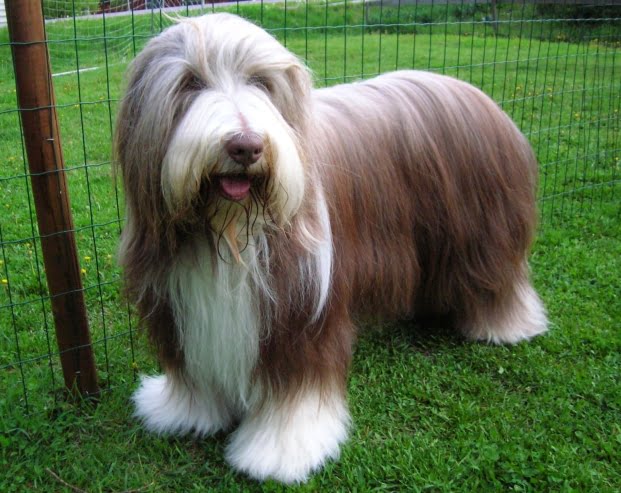
The Bearded Collie is a shaggy, bright herding dog from Scotland, built for stamina and famous for a weather-resistant double coat and a happy, busy temperament. Beardies are social, quick to learn, and genuinely good company for an active household. They earn their keep as family dogs when the daily rhythm of walking, training, and brushing actually happens. Left under-occupied, they get inventive, and the coat that looks so good in photos will mat close to the skin if it is neglected. This is a lovely breed for the right week, and a lot of work for the wrong one.
History and Origin
The Bearded Collie is a Scottish herding breed, shaped by hill farms where dogs worked long distances in rough weather. Accounts of the breed's beginnings vary, but a commonly repeated story links shaggy European sheepdogs (including Polish Lowland Sheepdogs) with local Scottish working dogs, producing the type that became the modern Beardie.3, 4 What stays steady across sources is the purpose: a capable, biddable dog that could keep moving, keep thinking, and keep its coat through cold and wet.
Appearance and Physical Characteristics
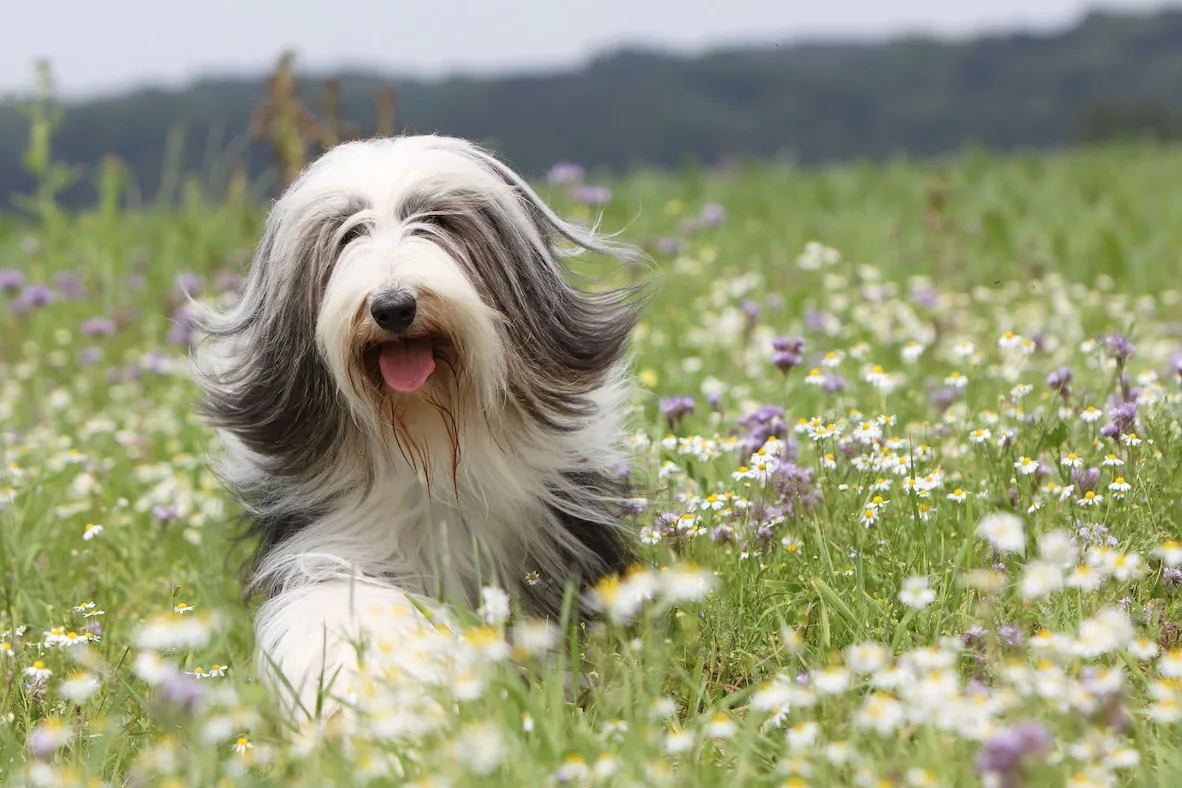
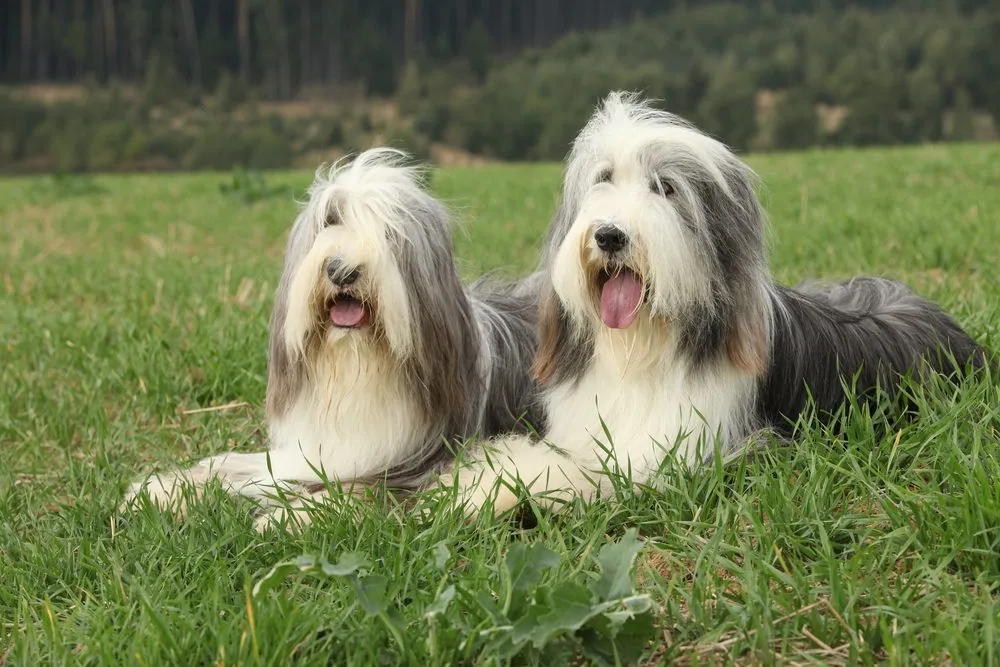
A Beardie looks like windblown practicality: bright eyes under a fall of hair, and a lean, active body built for endurance rather than bulk. The breed is slightly longer than tall (roughly 5:4), with plenty of daylight under the body.1 Dogs stand 53 to 56 cm at the shoulder, bitches 51 to 53 cm.1 The coat is a true double coat, a soft undercoat under a harsher outer coat.2 Colour can include slate grey, reddish fawn, black, blue, and various shades of grey, brown, and sandy, often with white markings in specific places under the breed standard.1
Temperament and Personality
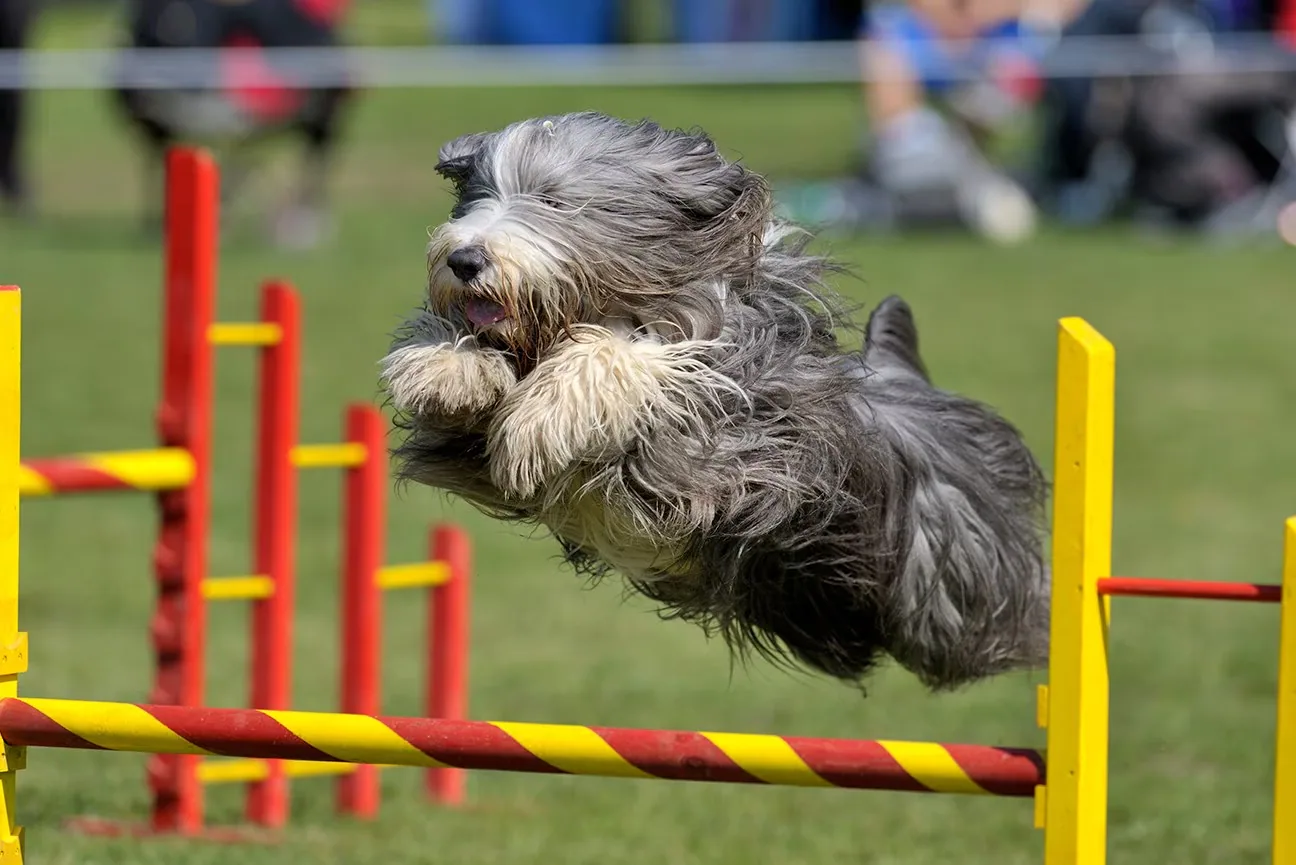
A well-bred, well-raised Bearded Collie is typically social and upbeat, quick to notice patterns in the household and just as quick to invent its own entertainment when the day goes quiet. The breed standard describes an alert, lively, self-confident working dog, steady with no signs of nervousness or aggression.1 Many Beardies enjoy training and dog sports because it gives their brains somewhere to go. Without that outlet they can drift into nuisance behaviour, usually not naughtiness so much as boredom.
Is a Bearded Collie Right for You?
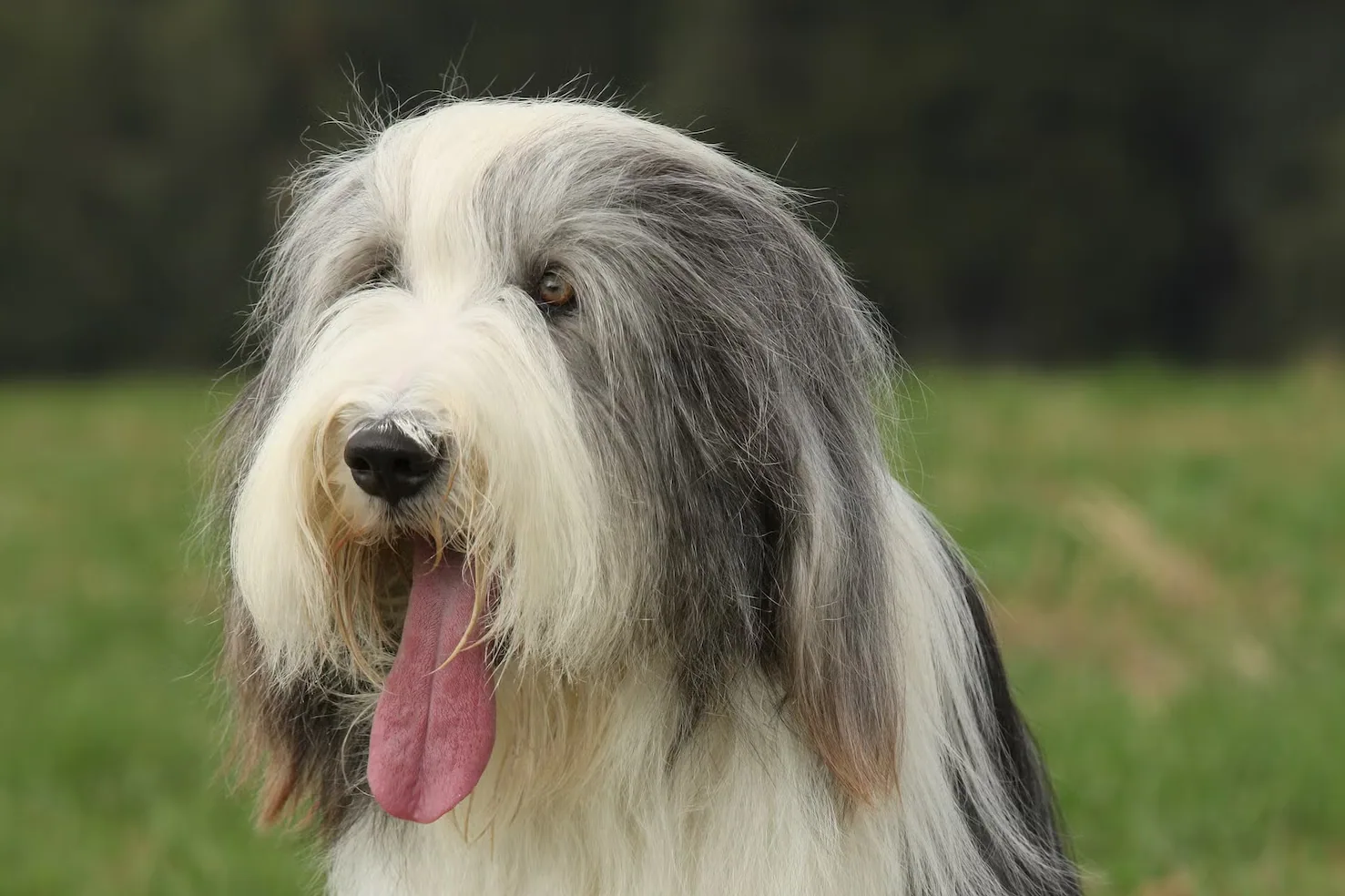
Be honest about your week before you commit, because the coat and the energy are not optional extras. Beardies do not need a farm, but they do need secure containment and enough daily activity to keep body and brain settled. General guidance for dog owners stresses that all dogs must be securely contained, and that exercise and stimulation should match the dog's type and energy levels.5 A securely fenced yard helps, but it is not a substitute for walks, training, and attention. A bored herding dog can become a surprisingly creative escape artist.
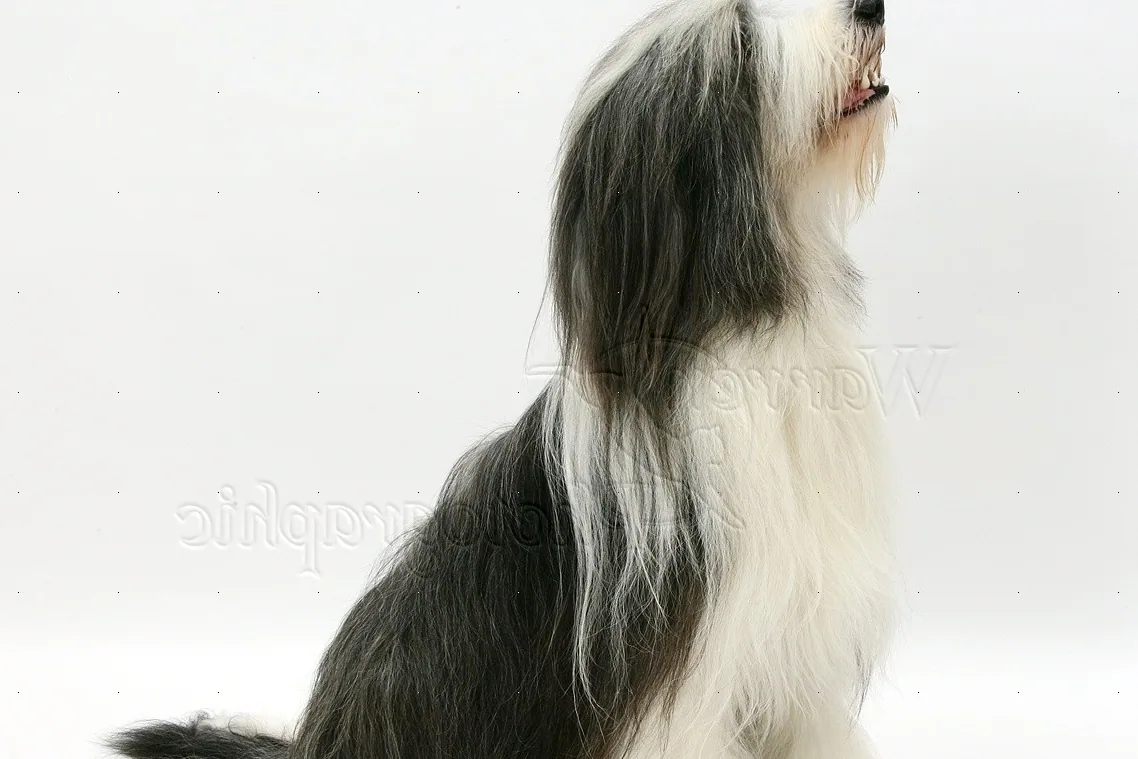
Beardies do turn up in rescue in Australia, often because their coat care and exercise needs outstripped what an owner could realistically provide long-term. Before adopting, think carefully about your weekly capacity for grooming, training, and daily exercise, and speak openly with shelter or rescue staff about the individual dog's needs and history.5
Training and Exercise
Bearded Collies are active dogs, and one lap around the block rarely feels like enough. They cope best when exercise is a mix of walking, sniffing time, play, training, and, where safe and legal, off-lead running. General welfare guidance for dogs emphasises daily exercise and play alongside training that provides mental stimulation and helps prevent problem behaviours.6
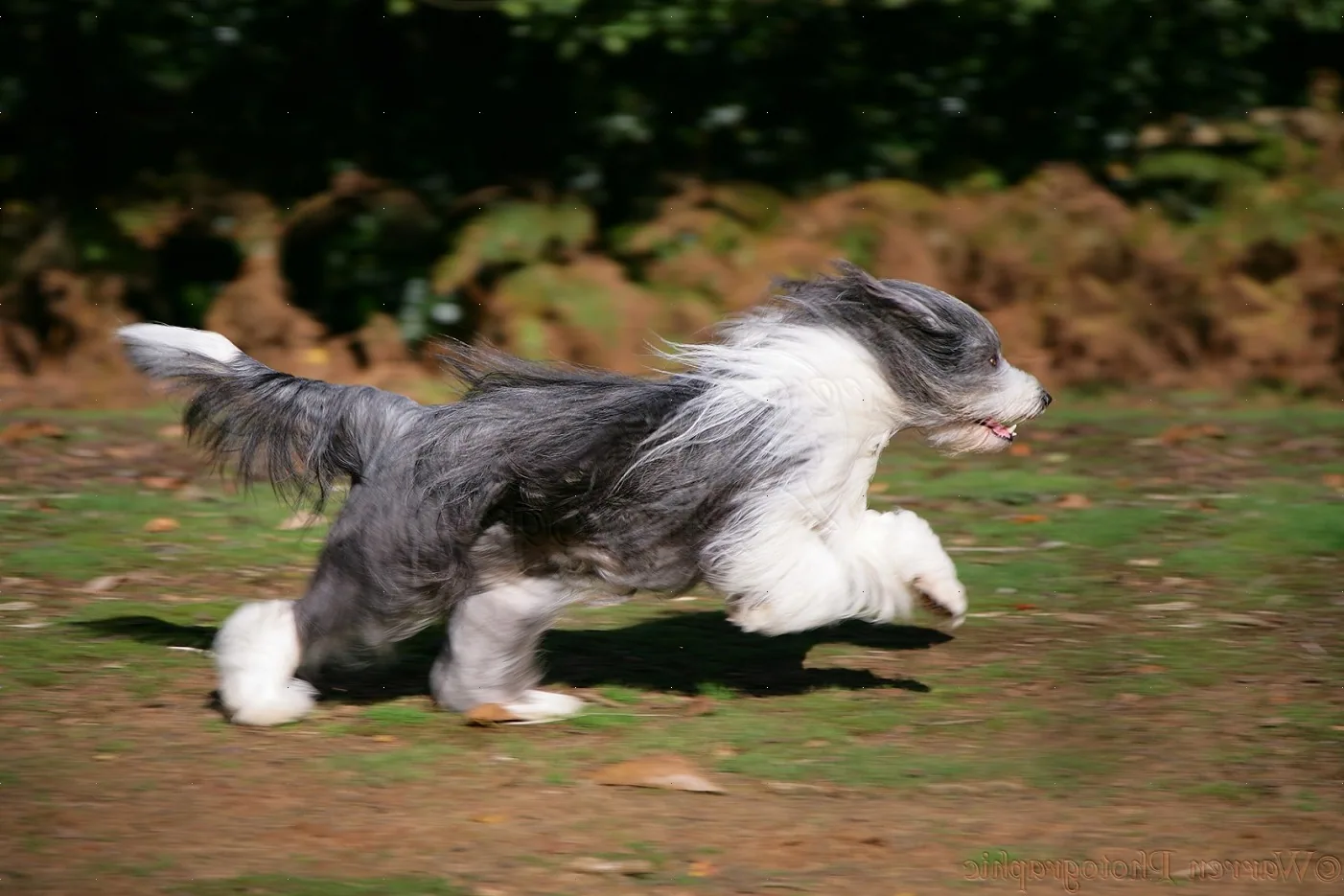
- Daily movement: many need multiple outings or one longer, more engaging session.
- Give them a job: recall games, scent games, basic obedience, agility foundations, trick training, or herding-style activities.
- Plan for adolescence: energy and distractibility often surge, and consistency matters more than intensity.
Beardies are usually quick learners, but they are also observant and easily reinforced by whatever works in the moment, including jumping up, pulling, or inventing their own games. Reward-based training is widely recommended because it is enjoyable for dogs and supports learning without intimidation.6 Keep sessions short and frequent, and use food, toys, and real-life rewards (sniffing a tree, greeting a friend) to make the right choices feel worthwhile.
Health and Lifespan
No breed is immune to health problems. In Bearded Collies, responsible breeding commonly involves screening hips, eyes, and thyroid, and making the results accessible through formal programs where possible.7, 8 Lifespan is often quoted around 12 to 14 years, though individuals vary with genetics, health screening, and care. Issues you will hear discussed include:
- Hip dysplasia: a developmental problem of the hip joint that can lead to arthritis and pain. Severity varies widely, and management ranges from weight control and medication to surgery in some cases.9
- Eye disease (including progressive retinal atrophy types): a group of inherited retinal degenerations. Routine eye examinations are part of many breed screening programs.10
- Thyroid disease: thyroid testing is commonly included in breed health recommendations and parent-club screening requirements.7, 8
If you are choosing a puppy, ask to see current documentation for hip and eye screening and thyroid testing, and ask how often those tests are repeated across the dog's life.7, 8
Grooming and Care
The coat is the main deal-breaker for this breed: beautiful, and not self-managing. A double coat mats close to the skin if brushing is skipped, particularly behind the ears, in the armpits, around the collar line, and through the feathering.
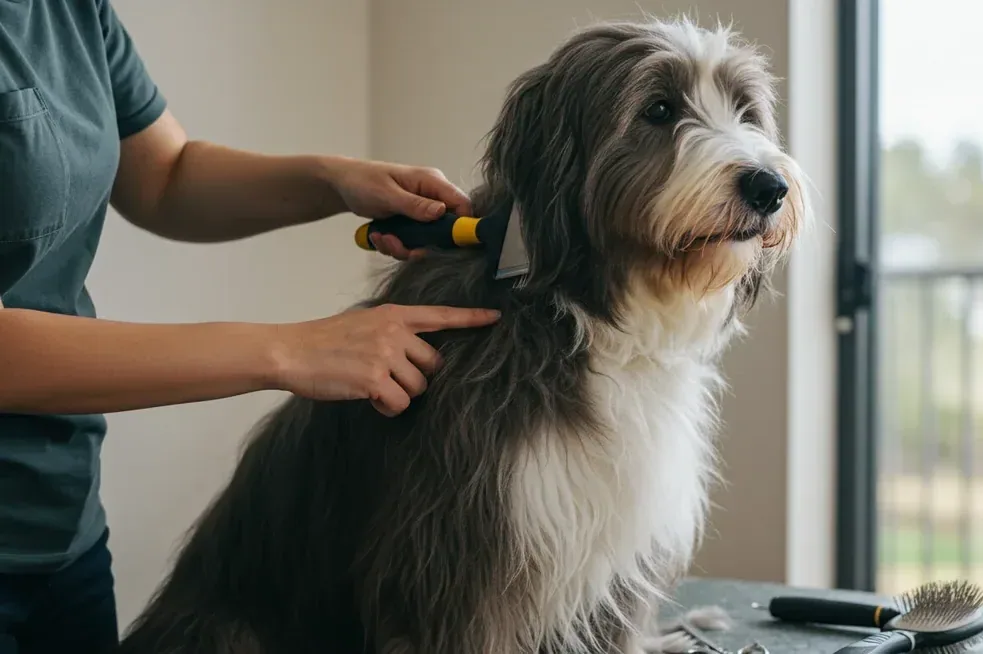
- Brush and comb routinely: aim for several sessions a week, more during shedding or if your dog swims, hikes, or collects burrs.
- Check the high-tangle zones: behind the ears, under collar and harness points, armpits, groin, and tail.
- Bathe when needed, not on a rigid schedule: clean coat tangles less, damp and dirty coat tangles more. Dry thoroughly after baths and swims.
- Build handling skills early: calm grooming is easier when it is practised from puppyhood in short, reward-based sessions.
Regular grooming also gives you a quiet, practical health check for skin, ears, lumps, grass seeds, and parasites.6
A Few Things Worth Knowing
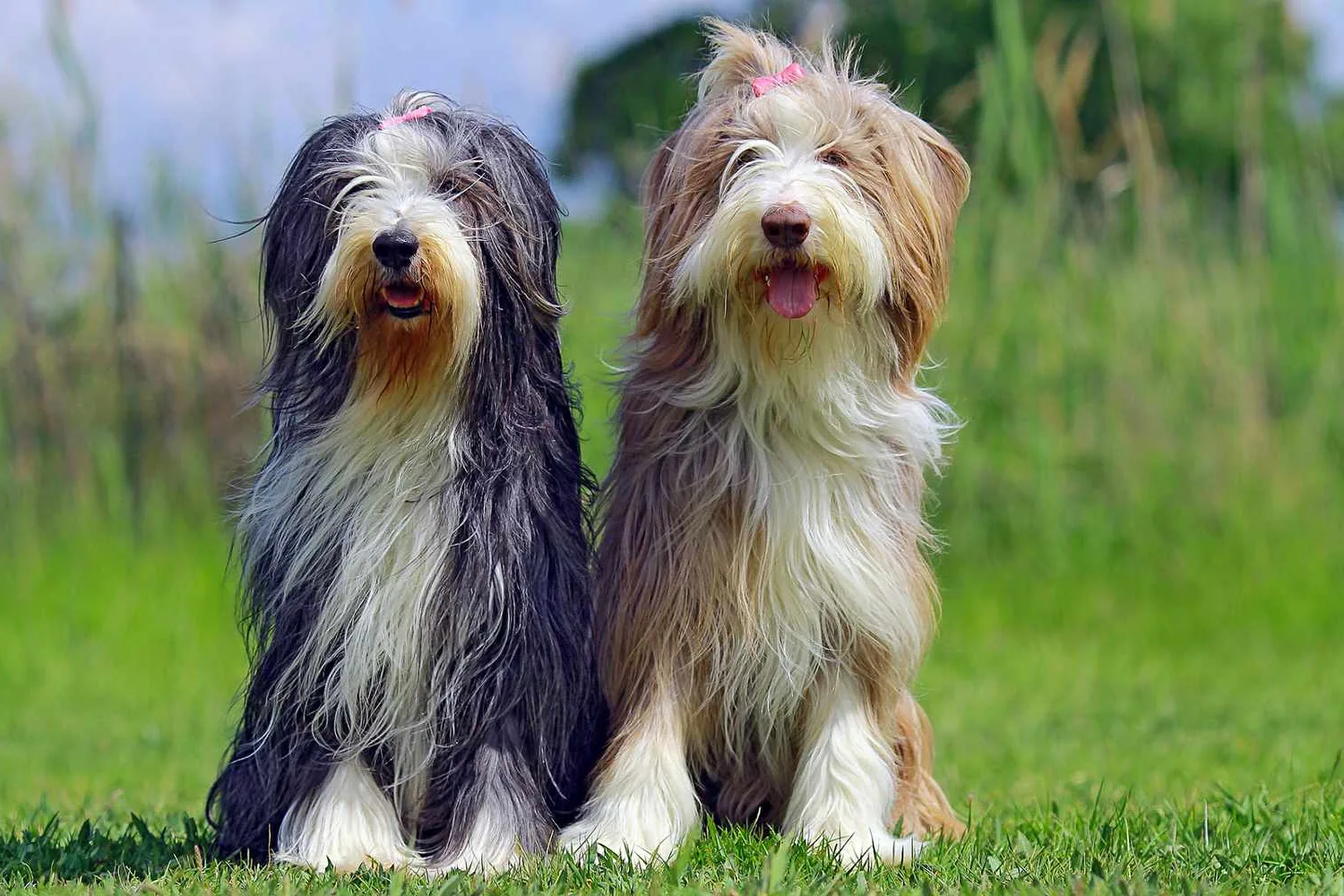
- In Australia the Bearded Collie is recognised with a published breed standard covering structure, temperament, accepted colouring and markings, and the ideal height range.1
- The build is lean and slightly longer than tall, roughly a 5:4 ratio, with visible daylight under the body.1
- Grass seeds are a real hazard in a long coat over an Australian summer, so check the feet, armpits, and ears after walks.
The Bottom Line
The Bearded Collie is at its best when life has a steady pace: a morning walk with time to sniff, a little training, a coat kept free of mats, and a home that enjoys an active dog moving through it. Meet a few adult Beardies if you can, and ask blunt questions about grooming time, shedding, and adolescent energy. Get the match right and the work never feels like much.
References
- Dogs Australia (ANKC), Bearded Collie breed standard
- The Kennel Club (UK), Bearded Collie breed standard
- Bearded Collie Club of America, "Genesis" (breed history discussion)
- American Kennel Club, Polish Lowland Sheepdog history (mentions link to Bearded Collie)
- RSPCA Pet Insurance (Australia), Considerations when choosing a dog
- RSPCA Pet Insurance (Australia), Essential dog care information
- Bearded Collie Club of America, Litter listing guidelines (health test requirements)
- Orthopedic Foundation for Animals (OFA), CHIC program overview
- Merck Veterinary Manual (Pet Owner Version), Hip dysplasia in dogs
- Merck Veterinary Manual, Progressive retinal atrophy (background information)

Dog lover and writer at My Pets Australia, sharing practical breed guides and care advice for Australian pet owners.