Beagle

The Beagle is a compact British scent hound, best known as a friendly, sturdy, sociable dog that fits neatly into an active family home. They are cheerful company, they generally get on with other dogs, and their small size and low-maintenance coat make them easy to live with on paper. The catch is the nose: a Beagle follows a scent with single-minded focus, which means recall and secure fencing matter more than most first-time owners expect. Lead with the good points and they are excellent companions, just go in knowing what the breed was actually built to do.
Breed category: Hound
Country of origin: Great Britain
Average size (height at withers): 33 to 40 cm1, 2
Average weight: Often around 9 to 13.5 kg (varies by build and lines)3
Average life span: Commonly 11 to 15 years (individual variation)4
Grooming requirements: Low3
Exercise requirements: Medium to high, usually at least 1 hour daily and often more3
History and Origin
The Beagle was developed in Great Britain as a scent hound, bred to follow small game by nose and to work steadily in the company of other dogs. That heritage still sits close to the surface. Many Beagles will track a smell with total focus, especially outdoors, and they often enjoy having other dogs and people around them.3

Appearance and Physical Characteristics
Beagles are compact, solid dogs with a short, dense, weatherproof coat and long, pendulous ears. The Australian breed standard sets the desirable height at 33 to 40 cm at the withers.1, 2
Colours vary widely, including tricolour and several pied combinations, and the tail tip is typically white, which was historically useful for spotting a dog moving through cover.1, 2
Temperament and Personality
A well-bred, well-socialised Beagle is usually friendly, curious, and keen to be part of the household routine. They tend to do best with regular human contact and enough daily activity to burn off the working-dog engine that still powers them.3

Two traits matter more than most first-time owners expect:
- Scent drive: once a smell takes hold, recall can fall apart unless it has been carefully trained and maintained.
- Voice: many Beagles are naturally vocal (barking, baying, howling), especially when excited or frustrated.
Is a Beagle Right for You?
A Beagle suits a home that enjoys daily walks, does not mind a dog that follows its nose, and is willing to train patiently for real-world distractions. If you want a dog with instant off-lead reliability in an unfenced park, this is not the easy option, because the nose will often win. But if you have secure fencing, an hour or two a day to spend, and a sense of humour about a vocal, food-motivated hound, they can be a genuinely rewarding companion.
Training and Exercise
Beagles learn quickly, but they do not always look obedient in the way some breeds do, especially when the environment is full of scents. Training works best when it is consistent, reward-based, and practised in small steps from easy settings to harder ones.
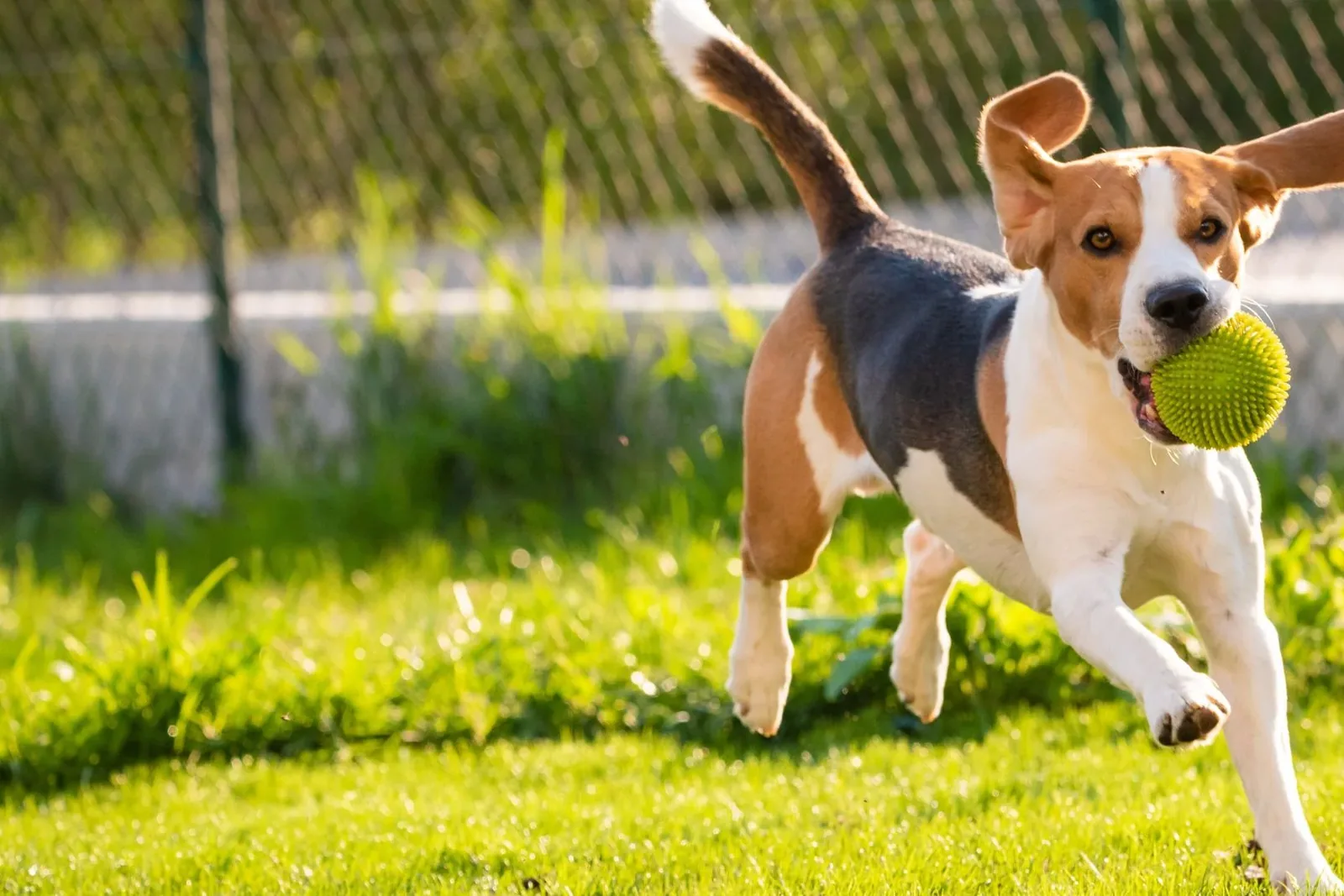
Most Beagles need at least an hour of exercise a day, and many do better with closer to two hours when they are young and fit. Walks that allow plenty of safe sniffing are not wasted time for a scent hound, they are part of how the dog settles and thinks.3
Practical tips that suit the breed:
- Use a lead or a secure area until recall is proofed, because many Beagles will follow a scent straight through an open gate.3
- Feed some meals through enrichment (scatter feeding, puzzle toys) to give the nose a job.
- Train "come" with high-value rewards and practise around mild distraction, not just in the lounge room.
Health and Lifespan
Beagles commonly live 11 to 15 years, with individual variation.4 Two issues are worth watching from the start.
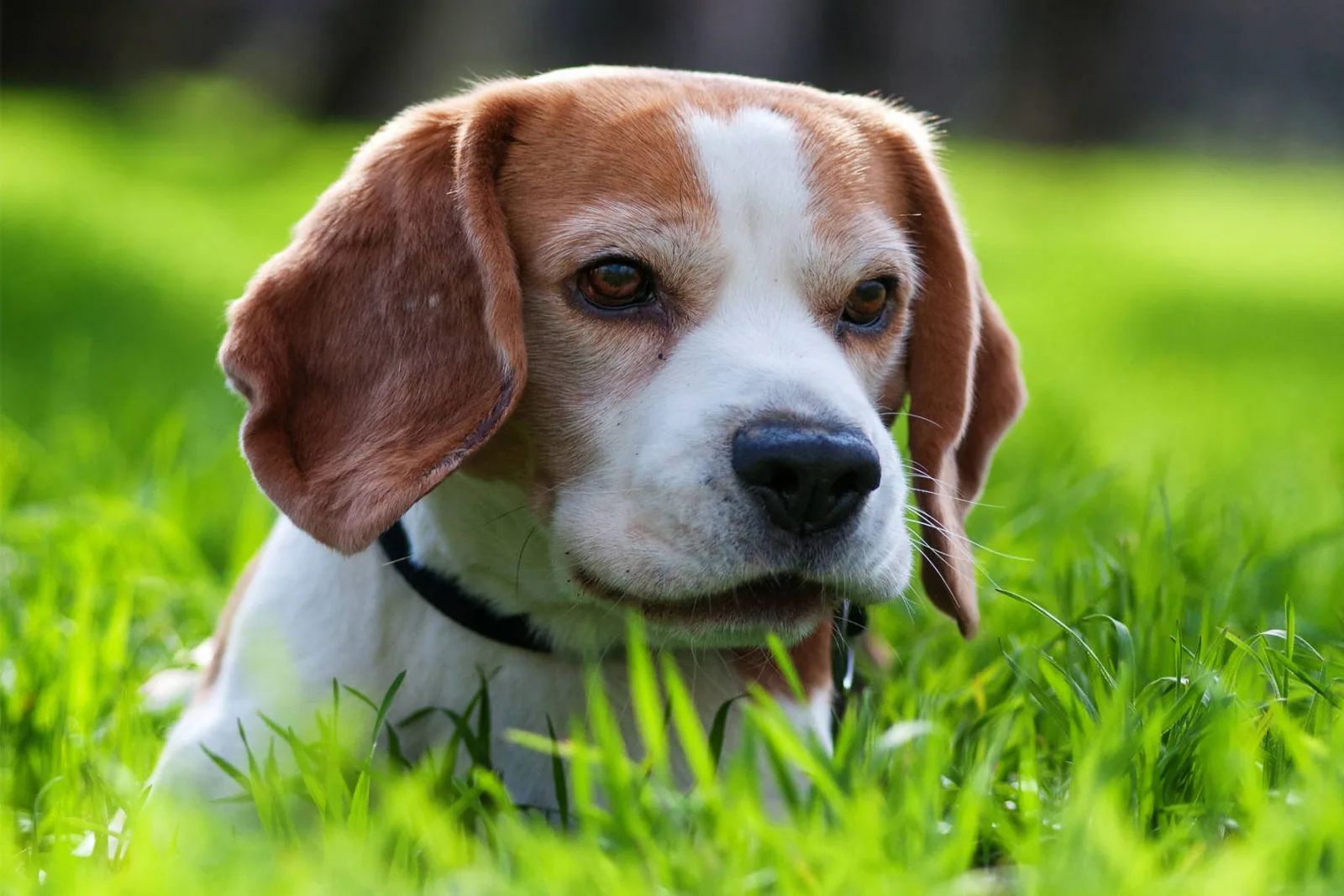
Weight gain and obesity
Beagles are well known for their enthusiasm around food, and they can put on weight easily if portions and treats creep up while exercise slips back. Obesity raises the risk of serious problems, including diabetes, joint disease such as arthritis, and reduced life expectancy.5
Simple prevention usually works best:
- Measure meals rather than free-feeding.
- Use part of the daily kibble allowance as training rewards.
- Ask your vet to show you how to body-condition score your dog, then re-check monthly.
Ear infections (otitis externa)
Ear trouble is not guaranteed, but Beagles have ear conformation that can contribute to a warm, less-ventilated ear canal. In dogs generally, pendulous ears and moisture are recognised predisposing factors for otitis externa.6
Early signs worth acting on:
- Head shaking or ear scratching
- Redness, odour, discharge, or obvious pain
- Recurring dirty ears that return soon after cleaning
If ear infections keep coming back, your vet may look for underlying drivers such as allergy and check for deeper disease, since recurrent otitis externa can be linked with otitis media in some cases.7
Grooming and Care
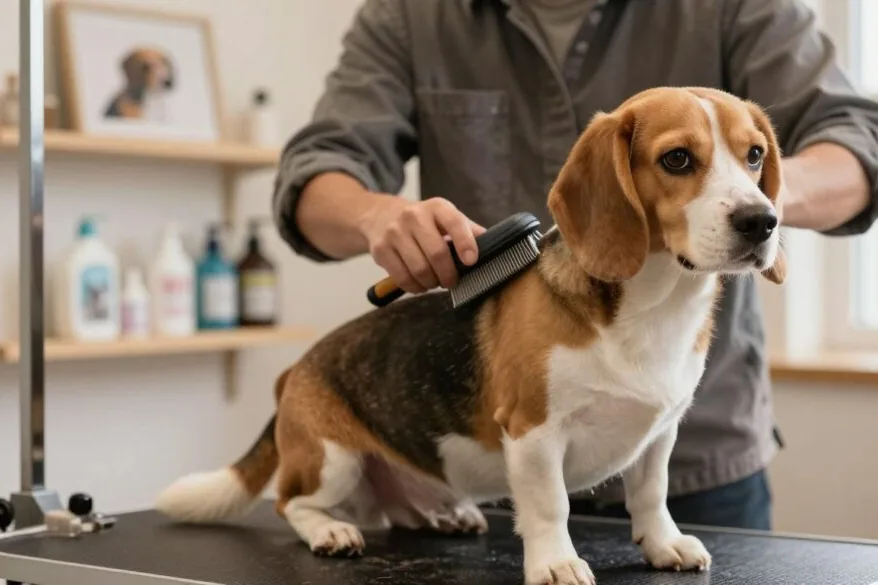
Grooming needs are low. The short, dense coat is easy to keep in order with regular brushing, and the main ongoing care task is staying on top of ear checks and weight rather than coat work.3
Diet and Nutrition
Because Beagles are so food-driven, portion control is the single most useful habit an owner can build. Measure meals, count treats as part of the daily total, and use part of the kibble allowance for training rewards so the maths still adds up. A vet-guided body-condition score, re-checked monthly, is a reliable way to catch creeping weight before it becomes a health problem.5
Choosing a Beagle: breeding, rescue and adoption
If you are buying a puppy, look for breeders who prioritise health, stable temperament, and good early socialisation, not just appearance. Ask what health screening they do, what support they provide after purchase, and whether you can meet the dam and, if possible, the sire. Breed clubs and Dogs Australia member bodies are a starting point for understanding the breed standard and connecting with established breeders, but it is still worth doing your own checks and asking direct questions.2

Beagles and Beagle-cross dogs do turn up in rescue, and adoption can suit the breed well, particularly when an organisation has had time to assess behaviour and match the dog to your home. Good practice is steady:
- Start with reputable organisations and shelters, including RSPCA Adoptapet listings.8
- Avoid buying a dog online sight unseen, which increases the risk of supporting poor welfare practices and being misled about health or background.9
- Expect to talk through lifestyle fit, including exercise time, fencing, and other pets, before adoption is approved.10
A Few Things Worth Knowing

- Snoopy, from Peanuts, is the standout Beagle in popular culture. Some other characters are sometimes called Beagles, but many are stylised or not clearly defined as a specific breed.
- Claims linking the Beagle to an AFL team mascot, or naming a specific Beagle as Queen Elizabeth I's pet, are not reliably supported and are best treated as folklore rather than fact.
- Breed clubs are useful for meeting experienced owners, finding breed activities including scent work, and learning what normal looks like for a healthy Beagle. In Australia, Dogs Australia and state canine bodies publish the breed standard and connect owners with the broader pedigree dog community.2
The Bottom Line
A Beagle is often at its best in a home that enjoys daily walks, does not mind a dog that follows its nose, and is willing to train patiently for real-world distractions. Keep food management sensible and treat ear symptoms early, and you will usually end up with a companion that is sturdy, bright, and very present in the day-to-day life of the house.3, 5, 6
References
- Dogs NSW (Dogs Australia member body), Beagle breed standard
- Dogs Australia, Beagle breed standard
- Royal Canin, Beagle breed overview (exercise, size, grooming)
- American Kennel Club, Beagle (overview and life expectancy)
- Royal Canin, Health risks of obesity in dogs
- Merck Veterinary Manual (Professional), Otitis externa in animals
- Merck Veterinary Manual (Professional), Otitis media and interna in animals
- RSPCA Australia, Adopt a Pet (Adoptapet)
- RSPCA Knowledgebase, Safe ways to look for a companion animal online
- RSPCA Australia, Adopting a dog or puppy (process and considerations)

Dog lover and writer at My Pets Australia, sharing practical breed guides and care advice for Australian pet owners.