Basset Hound
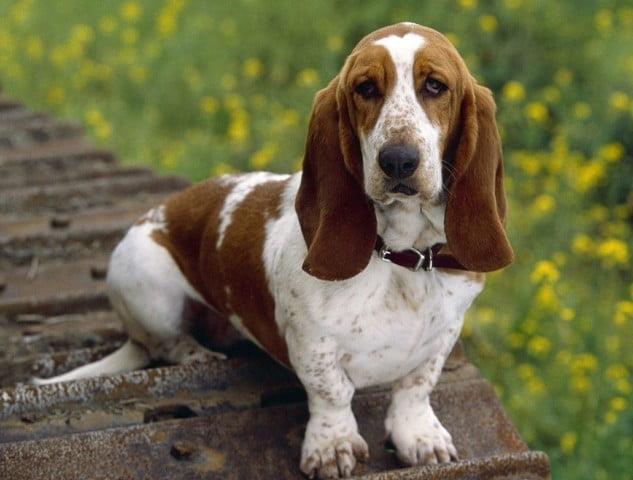
The Basset Hound is a scent hound built low to the ground, with a long body, short legs, heavy bone and famously long ears. It was bred in France and later refined in Britain to trail game on foot, and that steady, nose down purpose still shapes the dog you get today: calm, affectionate and happy on an unhurried walk. Most people meet the breed through its looks and its easygoing manner, and both are genuine. It is also a dog whose shape brings a few real care demands around weight, ears and back that are worth understanding before you commit.
Breed group: Hounds
Country of origin: France, later developed and standardised further in Britain1, 2
Size: Medium to large, but very low to the ground (short-legged, dwarf-type build)1
Height: Typically 33 to 38 cm at the withers (breed standard)1
Life span: Commonly around 12 to 13 years, individuals vary3
Exercise: Low to moderate, steady daily walking suits most adults3
Often best suited to: Companion animal, plus scent work and tracking games on lead or in secure areas
History and Origin
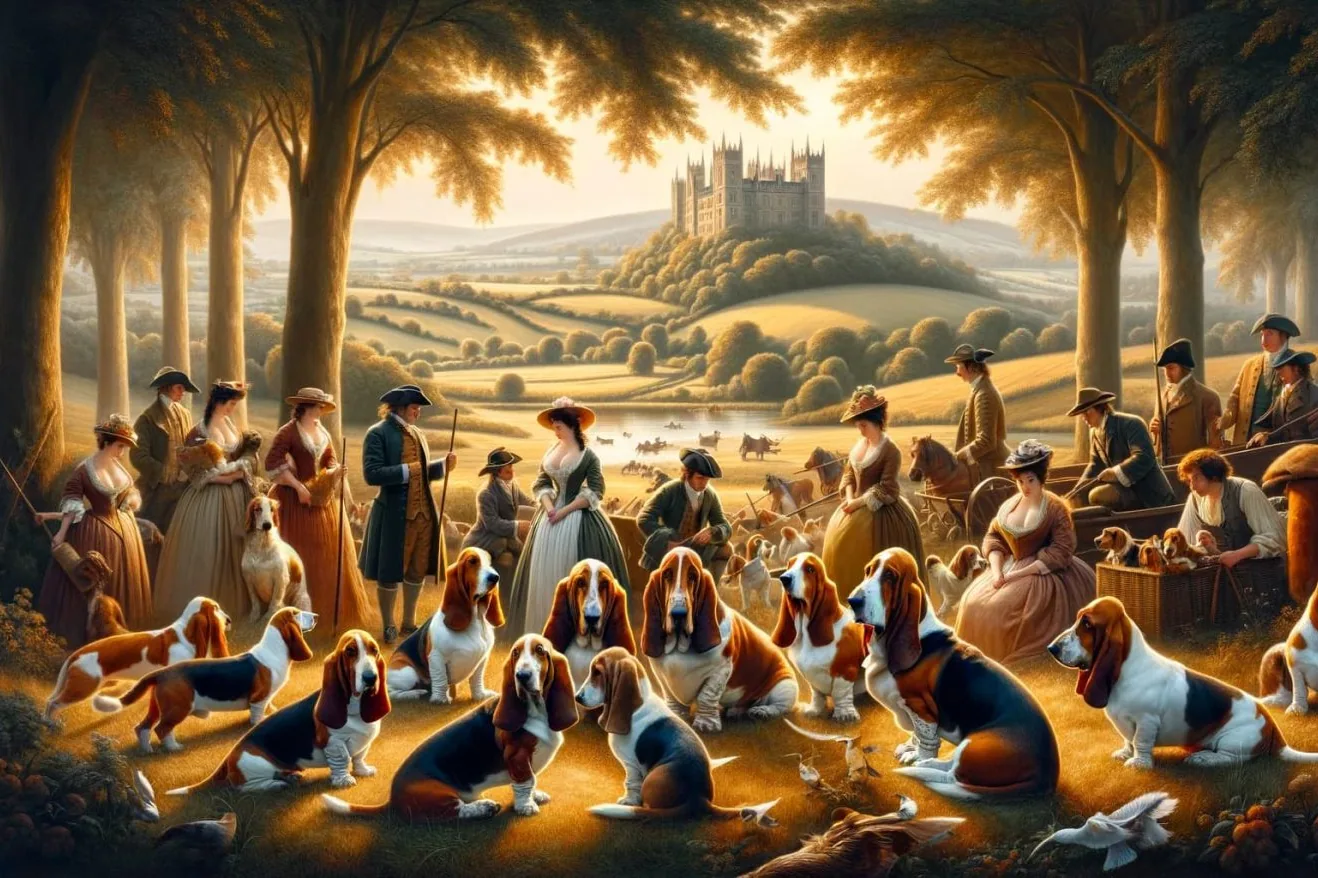
The name gives the shape away. Basset comes from the French bas, meaning low, and the breed began with French basset dogs, low-set scent hounds used for hunting on foot where a slower pace let people keep up.4 Through the 1800s, French bassets were imported to Britain and selectively bred into the heavier, more substantial Basset Hound most people recognise today.2, 4
Appearance and Physical Characteristics
A Basset Hound is built close to the ground: a long body, short legs, substantial bone and a deep chest. In motion they are meant to be strong and enduring rather than quick, working steadily with the nose down when a scent catches.1 Breed standards describe a short, smooth coat and long ears. That combination of low height, heavy structure and generous skin helps explain both their scenting talent and some of the day-to-day care they need.1
Temperament and Personality
Well-bred, well-socialised Basset Hounds are typically placid and affectionate, with a calm presence around the house. They are scent hounds, though, and a good smell can switch their attention off from the rest of the world in an instant.1 Many are friendly with visitors and tolerant with children when introduced sensibly, but they are not robot obedient. Think steady, independent and food-motivated, often happiest when training feels like a game rather than a drill.
Is a Basset Hound Right for You?
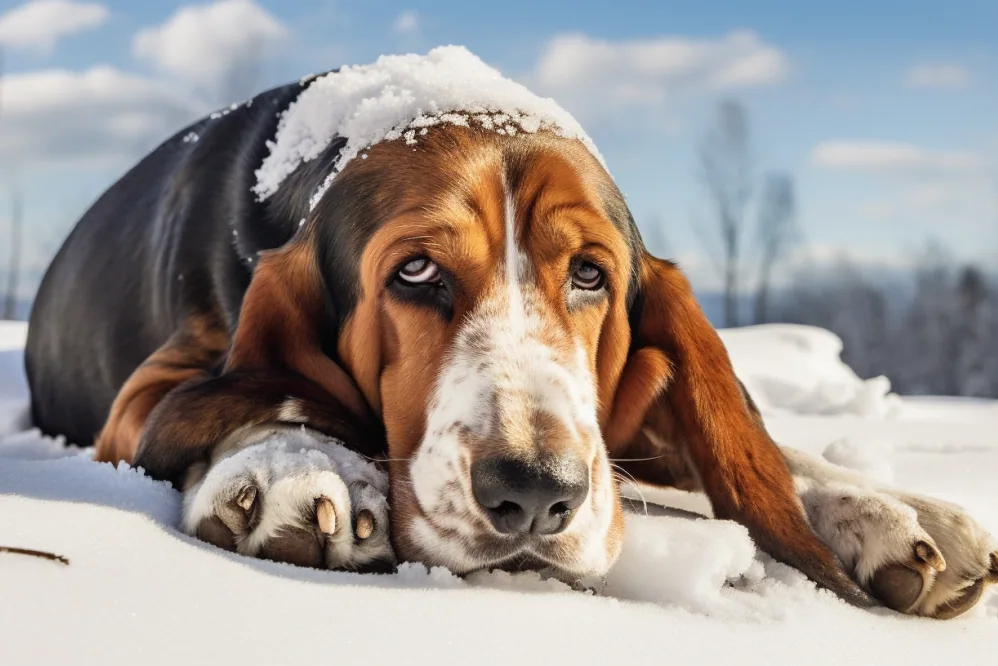
This is a good fit for someone who wants a calm, sociable companion and can commit to daily walking, weight management and regular ear checks. The demands are not dramatic, but they are constant, and a Basset that is allowed to gain weight or skip ear care will run into avoidable trouble. If you want a dog with reliable off-lead recall or one that needs little routine maintenance, the breed will test your patience. If you enjoy an unhurried dog and are happy to build good habits early, it can be a rewarding one.
Training and Exercise
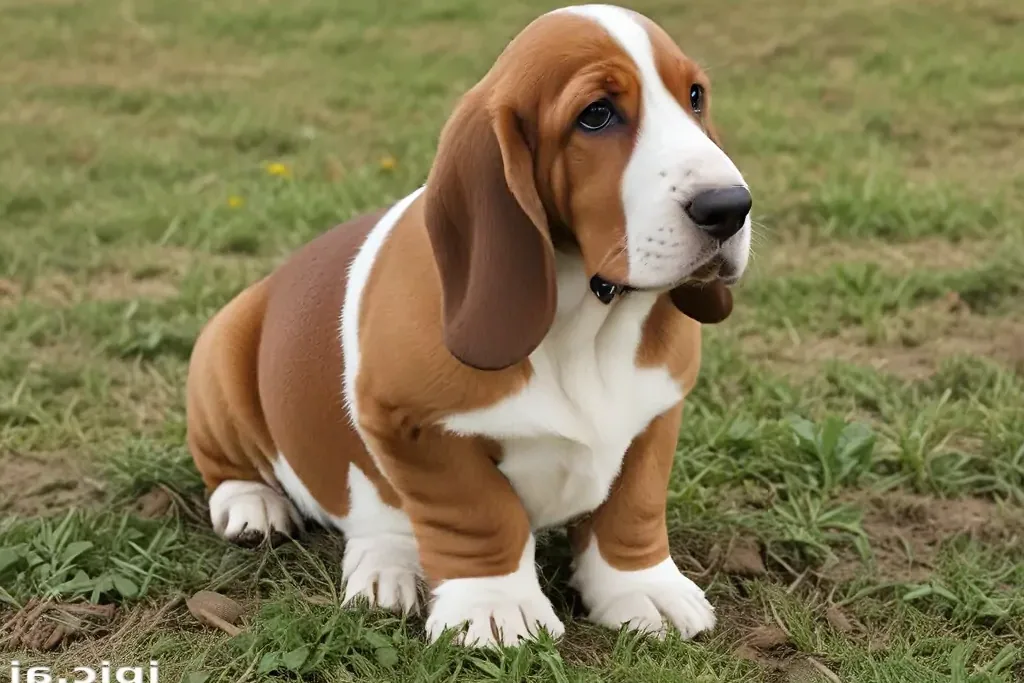
Bassets usually learn best with patient, reward-based training and short sessions. Their noses are powerful, so recall is safest to build in low-distraction spaces first, then gradually around scents and movement. Most adults do well on daily walking and steady, low-impact movement rather than hard exercise.
- Start early and keep it brief: a few minutes, a few times a day, beats one long session.
- Reward what you like: calm praise and small treats help more than repetition.
- Make walking manners a priority: scent hounds can pull, so practise loose-lead skills before habits set.
- Socialise thoughtfully: gentle exposure to people, dogs, surfaces and sounds, always at the dog's pace.
- Let them sniff: scent time is real enrichment for a hound, and it tires the brain without pounding the body.
Health and Lifespan
No breed is problem-free, and Basset Hounds have a few recurring themes owners should recognise early. Most live around 12 to 13 years.3
Weight gain and body condition
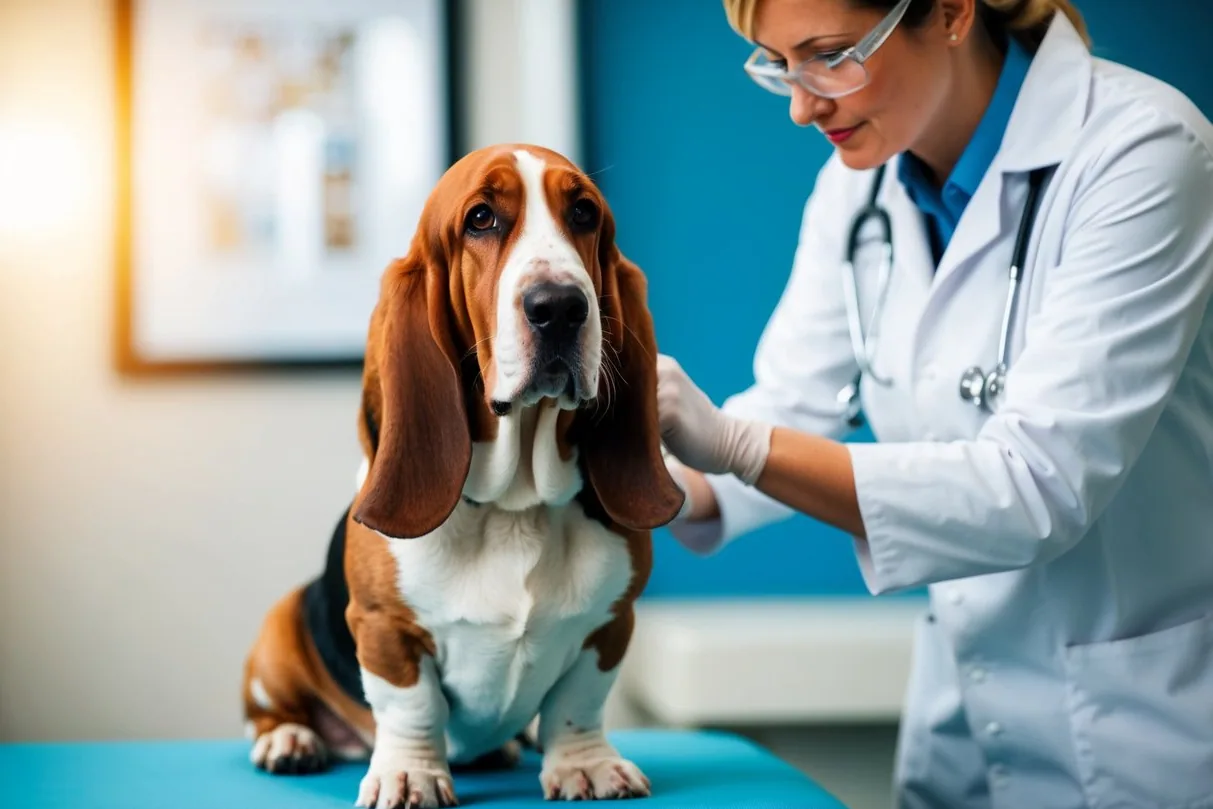
Their low build makes extra kilos matter. Being overweight adds strain to joints and spine, and it can quietly reduce quality of life long before anything looks serious. A simple body condition score check helps you stay honest: you should be able to feel ribs with light pressure, see a waist from above and notice a tuck-up from the side.5
Ear trouble
Long, low-hanging ears reduce airflow and can trap moisture and debris, which can set the stage for otitis, meaning ear inflammation or infection. Regular checks for smell, redness, discharge and head-shaking catch problems early. If signs appear, a vet exam matters, because chronic ear disease can be painful and stubborn.
Eye issues
Droopy eyelids and loose facial skin can be part of the Basset look, but exaggerated eyelid conformation can be linked with problems such as ectropion and entropion in dogs generally, and eye irritation can become a recurring theme in some individuals.6
Back and disc disease
Bassets are a chondrodystrophic, short-legged type, and long-backed dogs can be more prone to intervertebral disc disease (IVDD). A sudden reluctance to move, pain, wobbliness or weakness in the back legs needs urgent veterinary assessment, because early treatment can change outcomes.7
Bloat (gastric dilatation-volvulus, GDV)
Although GDV is more common in large, deep-chested breeds, Basset Hounds are also listed among at-risk breeds. GDV can progress rapidly and is life-threatening.8 Seek emergency veterinary care immediately if you see signs such as repeated unproductive retching, a suddenly distended abdomen, restlessness or collapse.8
Diet and Nutrition
Most adult Basset Hounds do well on measured meals matched to their activity.
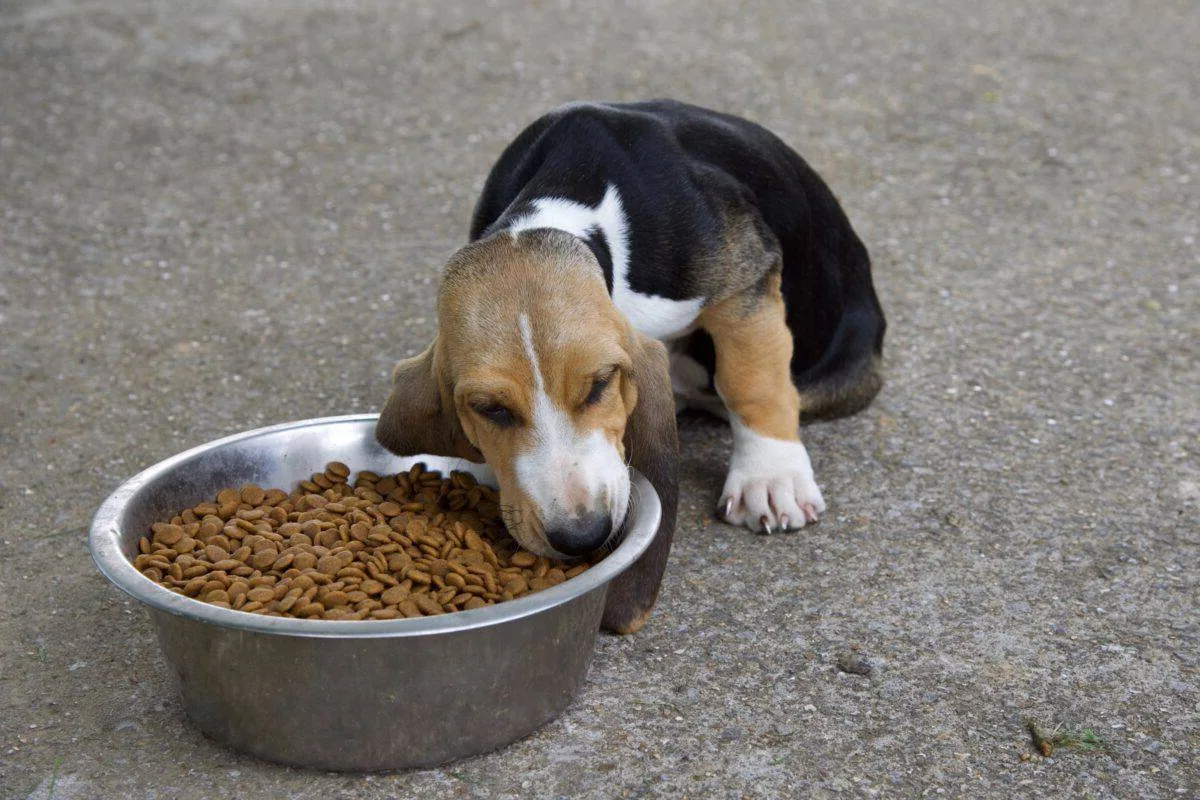
- Feed for body condition, not the packet: adjust quantities to keep an ideal condition score.5
- Use food strategically: treat budgeting, including training treats, prevents a slow creep in weight.
- Aim for daily walking: consistent moderate exercise supports joints and helps appetite match activity.
Grooming and Care
The coat is short and straightforward, but the breed's shape asks for a few regular checks.
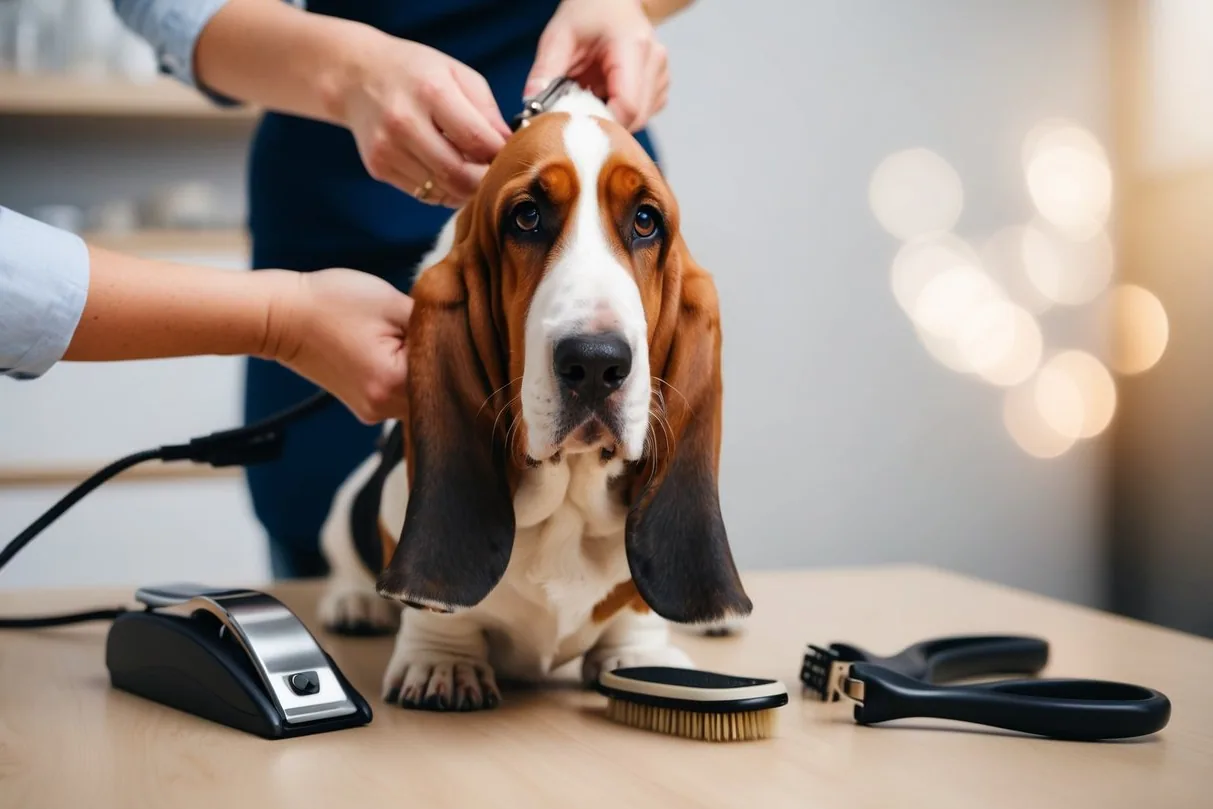
- Ears: check weekly, clean only as advised by your vet, and keep ears dry after baths.
- Skin folds: keep any folds clean and dry to reduce irritation.
- Nails: trim regularly, because short legs mean long nails can change gait and add discomfort.
- Teeth: home toothbrushing is one of the most effective ways to reduce dental disease risk over time.9
A Few Things Worth Knowing
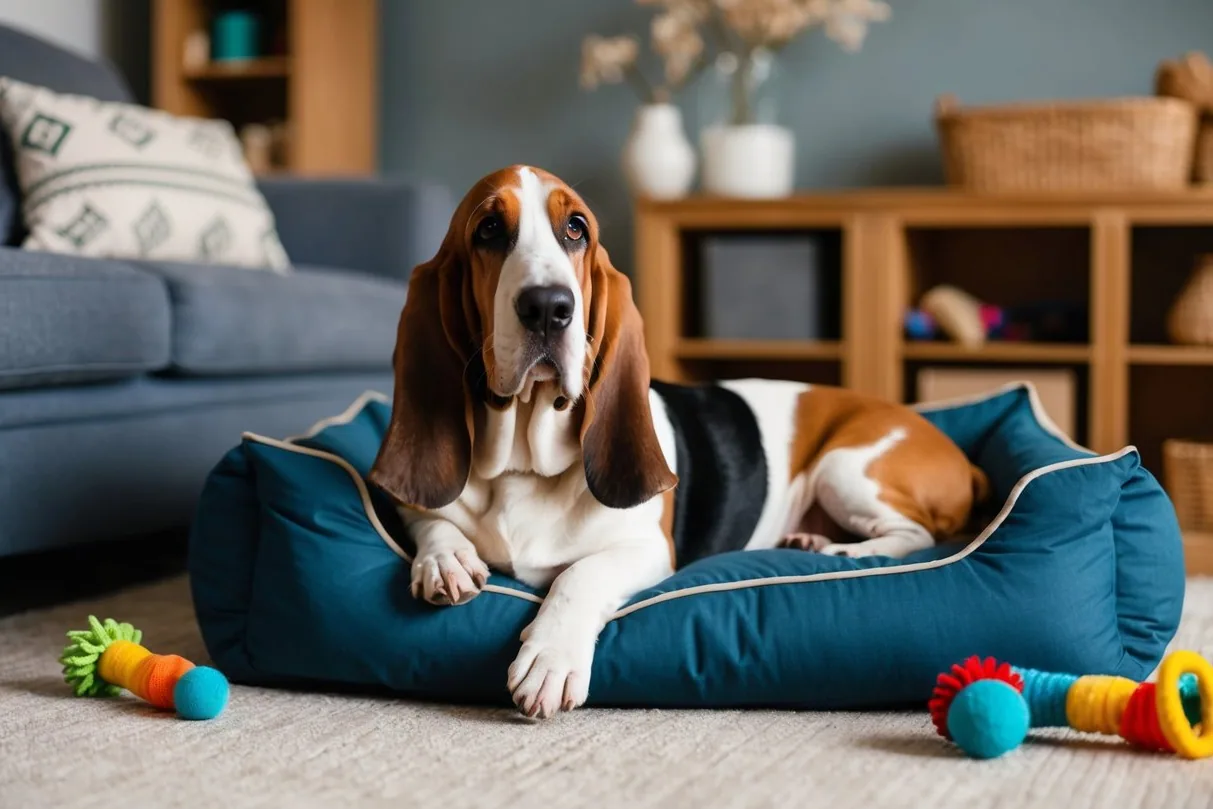
- The name basset comes from the French bas, meaning low, a direct nod to the build.4
- A Basset Hound turns up in plenty of films and ads, but one common mix-up is worth fixing: Eeyore from Winnie-the-Pooh is a donkey, not a dog.10
The Bottom Line
A Basset Hound is a scent hound at heart: low to the ground, methodical and built to work with its nose. In a home that often translates to a calm companion who enjoys routine, food puzzles and unhurried walks, provided weight is managed and ears, eyes and back are treated with sensible care.
References
- The Kennel Club (UK), Basset Hound breed standard
- American Kennel Club (AKC), Basset Hound breed information
- Cornell University College of Veterinary Medicine, Basset Hound canine health information
- Encyclopaedia Britannica, Basset hound
- Agriculture Victoria, Dog condition score chart
- Merck Veterinary Manual, Entropion and ectropion in animals
- Merck Veterinary Manual, Intervertebral disk disease (IVDD) in dogs
- Merck Veterinary Manual, Gastric dilation and volvulus (GDV) in small animals
- World Small Animal Veterinary Association (WSAVA), Dental guidelines
- Encyclopaedia Britannica, Winnie-the-Pooh

Dog lover and writer at My Pets Australia, sharing practical breed guides and care advice for Australian pet owners.