Barrel Racing
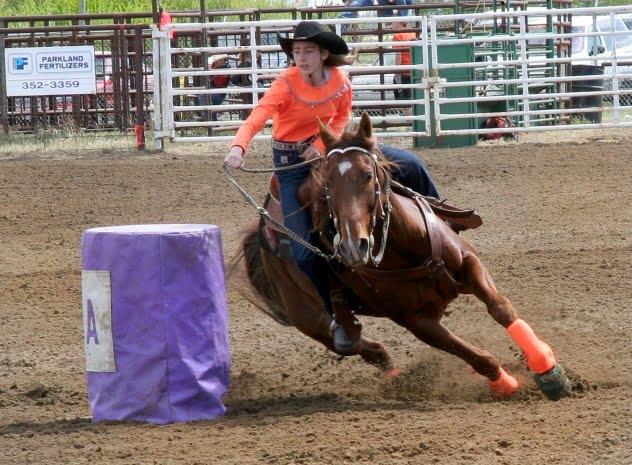
Barrel racing is a timed event where a horse and rider sprint a cloverleaf pattern around three barrels, chasing the cleanest, quickest line home. It is genuinely fun to watch and to ride, and the entry level is friendly: plenty of clubs run beginner classes where the goal is simply a clean pattern, not a record time. The basics are simple, but the craft sits in the turns, the footing, and the quiet preparation that keeps both horse and rider sound. Small details matter here, because a missed turn, the wrong gear, or a tired horse can turn a fast run into a no-time, or worse, an injury.1, 2
What Barrel Racing Is
The standard course uses three barrels set in a triangle. From the entry, the pair circles the first barrel, either left first or right first, crosses to the second, then the third, and sprints for home. Fastest time wins, once any penalties are added.1, 2
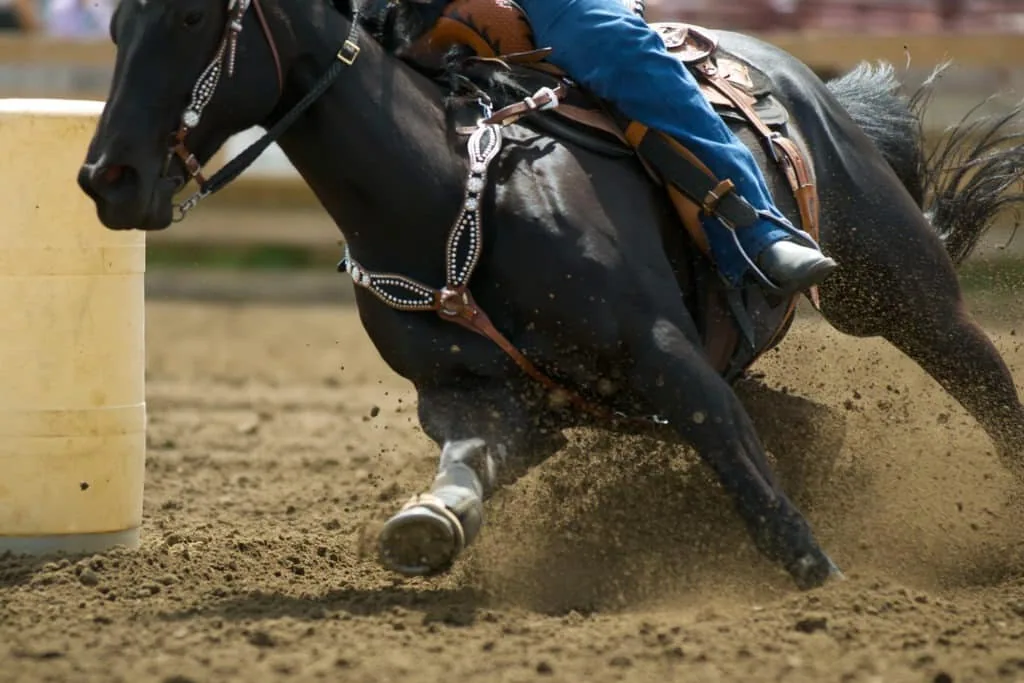
You will often hear riders talk about a "tight pocket," meaning the space you leave around the barrel, and "rate," meaning collecting the horse before a turn. Those are style words for something very practical: keeping momentum without losing balance.
A Brief History
Barrel racing grew out of North American rodeo culture and was shaped into a standardised timed event through the mid-20th century. Today it is run at rodeos, club days, breed shows and specialist barrel racing events, with local rule books setting details such as dress requirements, age classes and how results are recorded.2, 3
Rules Most Competitions Share
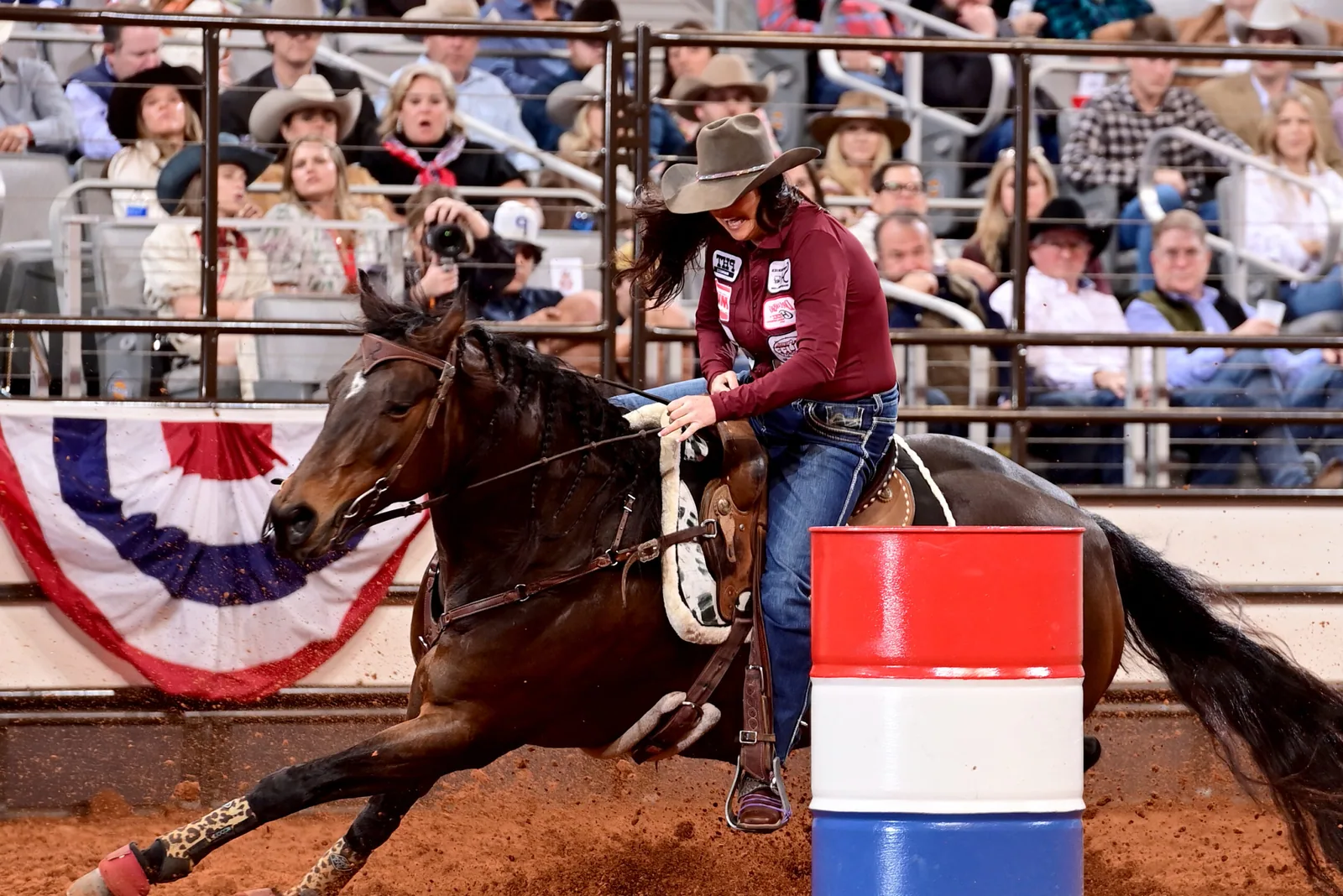
Exact rules vary by organising body, so always check the rule book for the event you are entering. Still, most barrel racing competitions share a familiar spine.
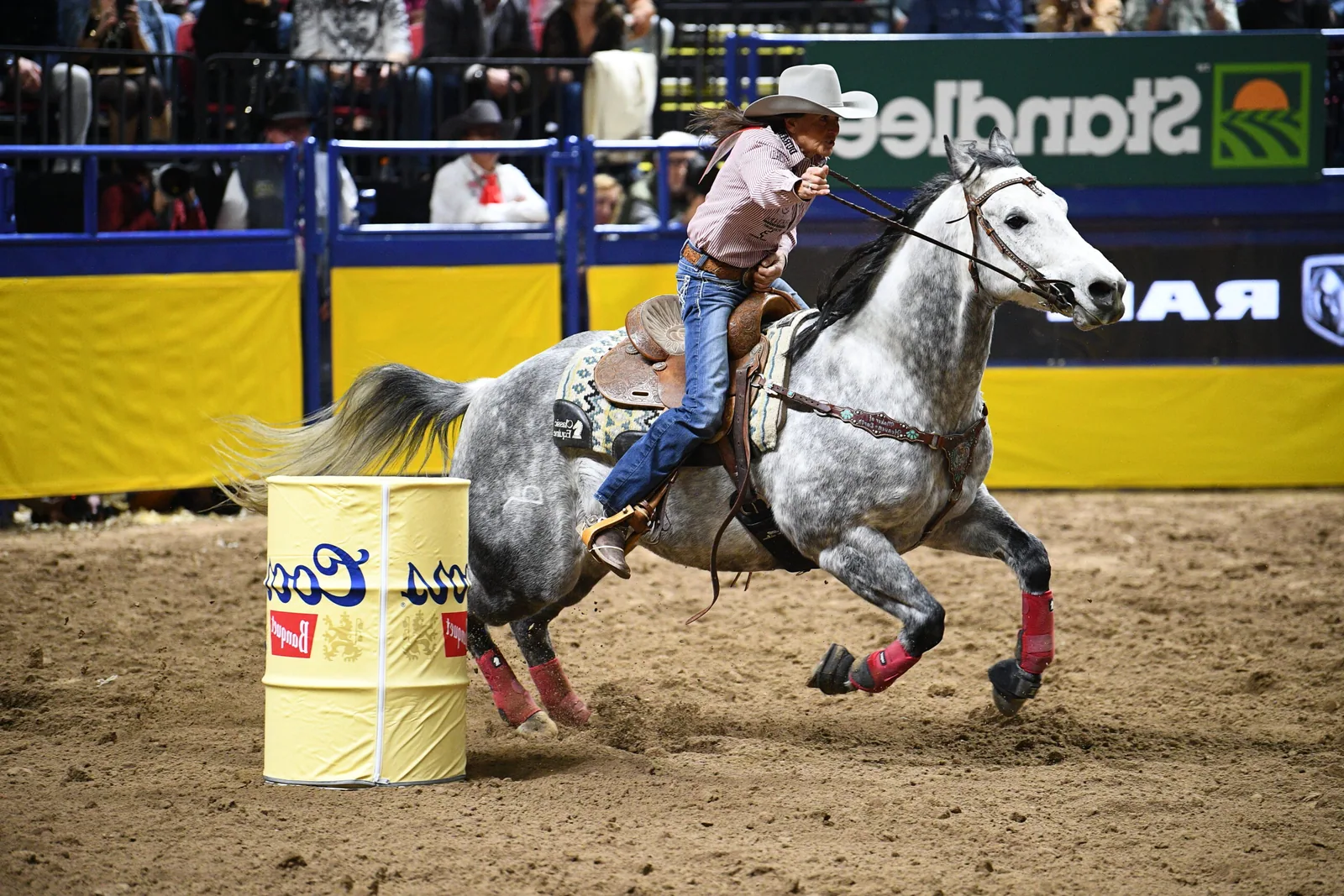
- Follow the cloverleaf pattern. Breaking pattern usually means a no-time or disqualification.3
- Barrel contact is usually allowed; tipping one is not. Many rule sets allow a barrel to be touched, but if it is knocked over you will commonly receive a time penalty, often five seconds.1, 2, 4
- Start and finish timing is strict. Runs are timed to fractions of a second, and some organisations also require backup timing and a judge on duty.3
What Is Different in Australia
In Australia, rules can differ between associations and affiliates. The Australian Barrel Horse Association (ABHA), for example, publishes specific updates on judging, backup timing, barrel specifications, and what counts as an illegal or broken pattern. If you are competing under ABHA rules, read the current version carefully and treat event-day briefings as part of the rules.3
Equipment You Actually Need
There is no single perfect barrel racing setup, but the job of the gear is consistent: keep horse and rider stable at speed, and keep signals clear in the turns.
For the Horse
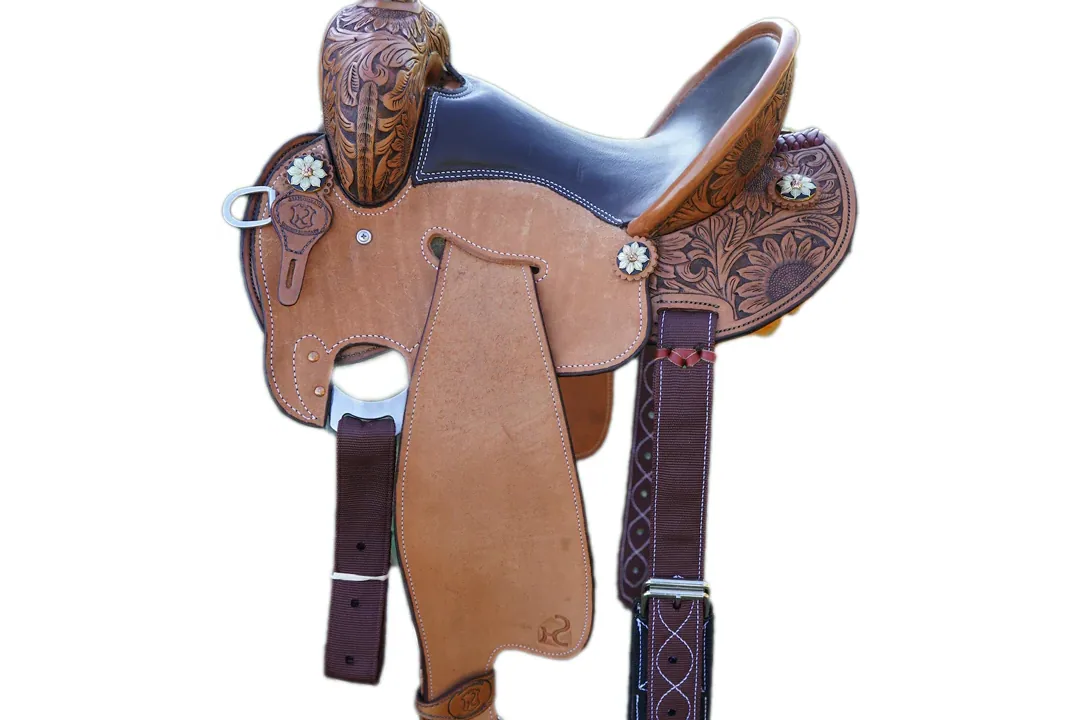
- A saddle that stays put. Many riders use a western saddle designed for speed events, often with a breast collar. Fit matters more than style.
- A bridle, bit and reins that suit the horse. Choose what allows straight, calm approaches and balanced turns without hauling.
- Leg protection, common but not universal. Boots can help protect against brushing and knocks in tight turns, depending on the horse and footing.
For the Rider
- A helmet, strongly recommended. Look for an equestrian helmet certified to an independent safety standard such as ASTM F1163 with SEI certification, and replace it after an impact even if it looks fine.5, 6
- Boots with a heel to reduce the chance of a foot sliding through the stirrup.
- Gloves if you prefer steadier rein contact, especially when your hands get sweaty.
Training a Barrel Horse
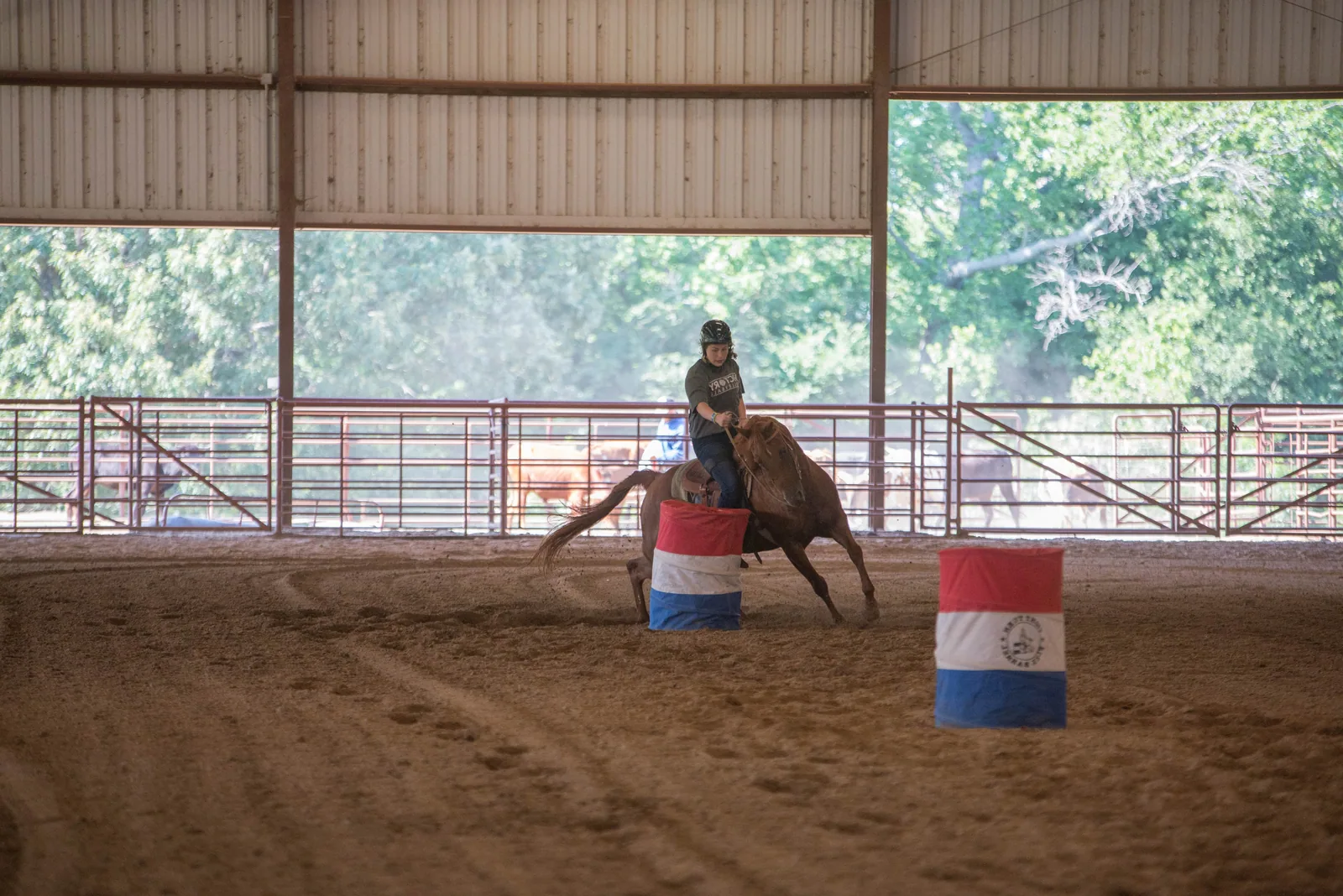
Good barrel horses are built in layers, and speed comes last. The early work is quiet and repetitive: steering, rhythm, and the ability to stay soft through the body when the turn tightens.
Start With Control and Straightness
Before patterns, train clean lines: travel straight between markers, respond to seat and leg aids, and stop and stand without argument. When those pieces are reliable, the cloverleaf stops feeling like a scramble and starts feeling like a plan.
Conditioning and Recovery Are Part of Training
Barrel runs are short but intense. Fitness work, such as slow miles, transitions, and hill work where appropriate, helps the horse stay balanced when fatigue creeps in. Research on three-barrel style events shows measurable physiological changes after runs, which reinforces a basic truth riders already know: conditioning and recovery time matter.7
Common Mistakes That Cost Time
- Entering too fast, too early. A rushed approach often creates a wide first turn and a chain of late, sliding corners.
- Letting the horse fall in on the turn. When the shoulder drops inward, the horse loses balance and either clips the barrel or drifts out.
- Changing the plan mid-run. Sudden pulling and re-aiming usually adds steps. It can also unsettle the horse, especially at the third barrel.
- Ignoring footing. Deep, inconsistent or slick ground changes how a horse can safely turn. Adjust the run to the surface, not the other way around.
The Physical Demands on Horse and Rider
At speed, the turns load the horse's hindquarters, inside forelimb and core as it compresses, pivots and accelerates out. Riders, meanwhile, need the kind of strength that looks like stillness: a stable leg, a quiet upper body, and hands that can guide without bracing. That is why many riders treat barrel racing like any other high-intensity sport. They warm up, cool down, monitor soreness, and keep an eye on small changes in stride, appetite and willingness.
Timing and Strategy
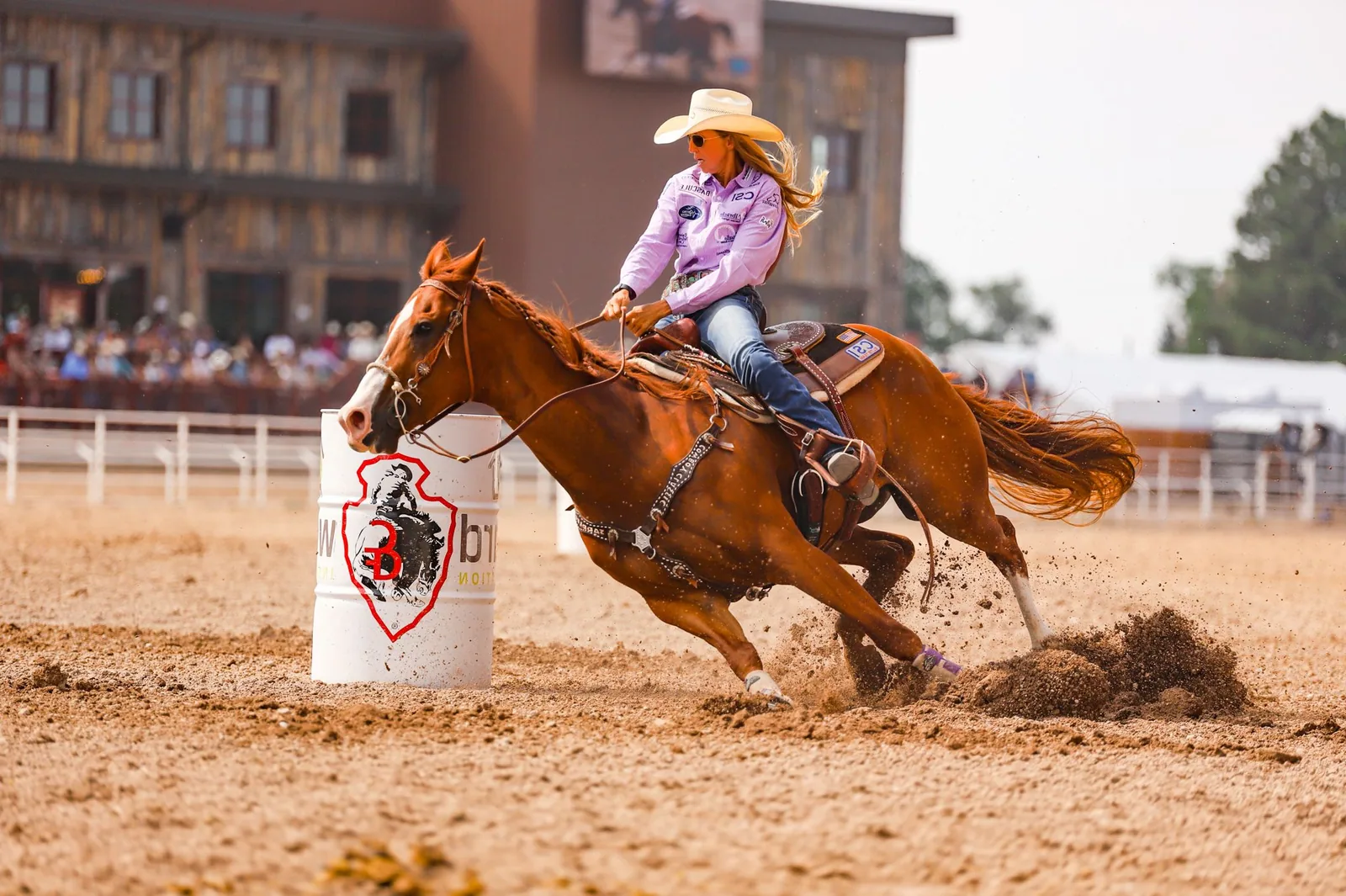
The clock rewards smoothness. The quickest runs often look almost unremarkable: a straight approach, a turn that stays tight without tipping, and a line that carries speed home. Most riders choose either a right-first or left-first pattern based on what best suits their horse's balance and turning preference. The best pattern is the one the horse can repeat cleanly, under pressure, on different days.
Where the Sport Is Heading
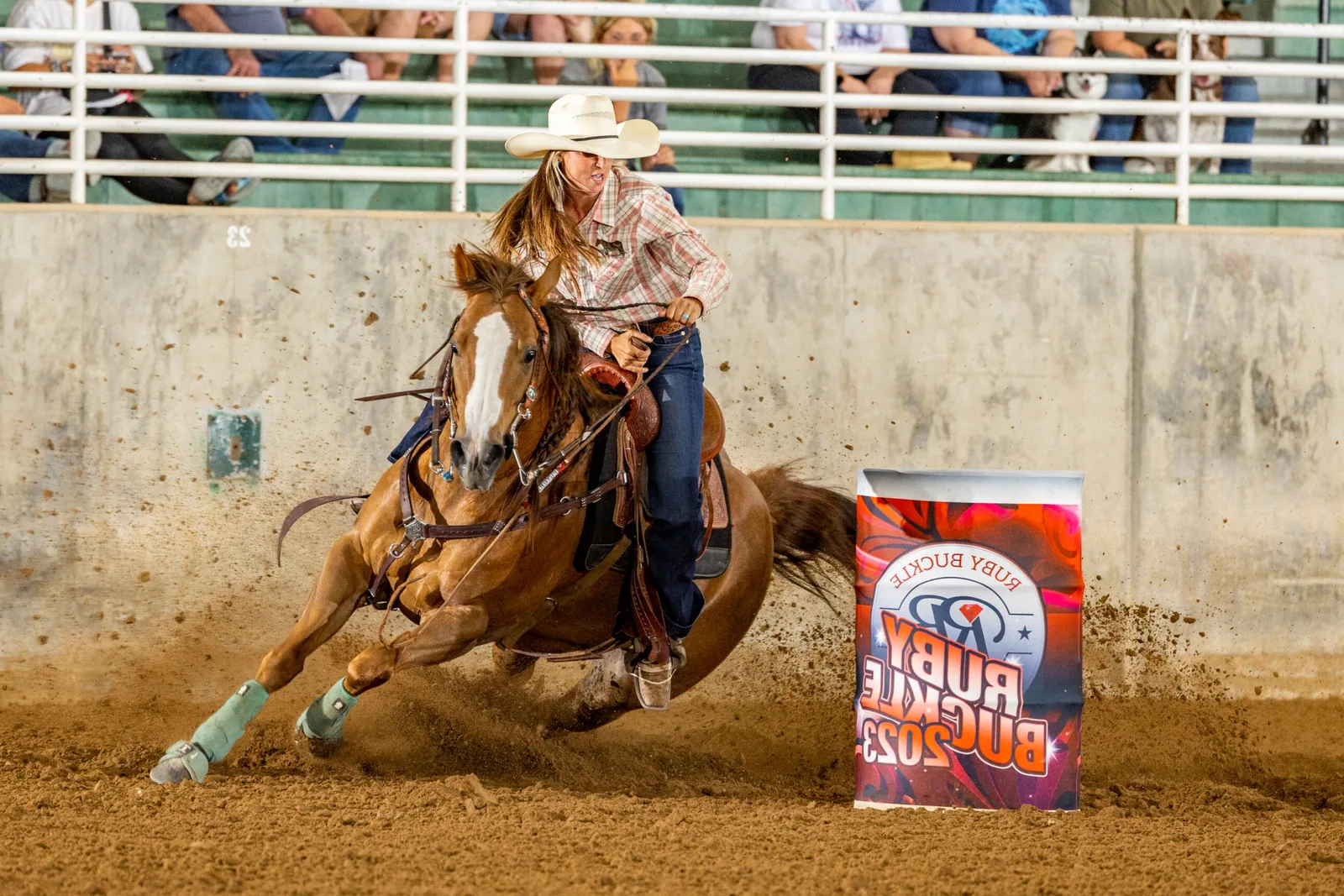
Barrel racing continues to grow through grassroots clubs, rodeos, and breed and discipline organisations. Alongside that growth is a steady tightening of expectations around judging, timing integrity and horse welfare. The direction is less spectacle and more consistency, with a clearer sense of what a fair, safe run looks like.3
References
- American Quarter Horse Association (AQHA): Barrel racing (pattern overview and common five-second penalty)
- Wikipedia: Barrel racing (general description, pattern and common penalties)
- Australian Barrel Horse Association (ABHA): Amended rules (Australia-specific rule updates and clarifications)
- National Barrel Horse Association (NBHA): Official rulebook (competition framework and rule categories)
- University of Connecticut (UConn) Department of Animal Science: Riding helmet safety (injury context and helmet guidance)
- Troxel Helmets: Helmet certifications (ASTM F1163/SEI overview and replacement guidance)
- Animals (MDPI), 2024: Welfare assessment in three-barrel race events with short intervals between starts

Dog lover and writer at My Pets Australia, sharing practical breed guides and care advice for Australian pet owners.