Barb Horse
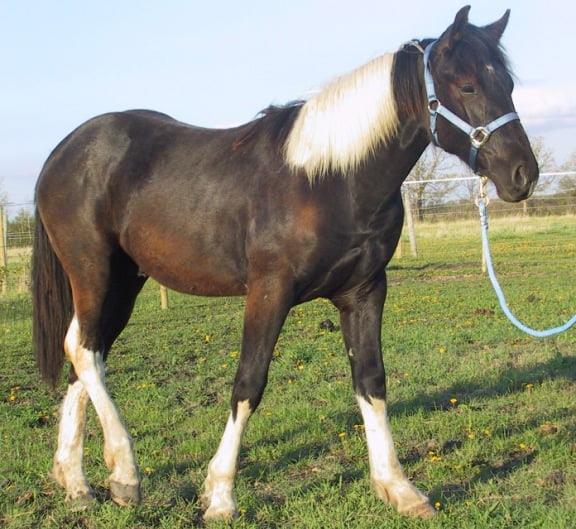
The Barb, also called the Barbary or Berber horse, is a hardy North African saddle horse built for stamina, sure-footedness, and honest work over long distances. It comes from the Maghreb, especially Morocco, Algeria, and Tunisia, where it has long been tied to Amazigh (Berber) riding culture. What sets it apart is economy: strong bone, tough feet, and a compact frame that keeps going when flashier horses run out of road. It has left its mark on many breeds around the western Mediterranean, though it is often confused with the Arabian and, oddly, with an unrelated dog breed of a similar name. This is a working saddle horse first, not a pet personality.1, 2
Breed name: Barb horse (Barbary/Berber horse)
Origin: Maghreb (North Africa; especially Morocco, Algeria, Tunisia)1, 2
Height: commonly around 14.2 to 15.2 hands (varies by registry and type)1
Weight: often around 400 to 500 kg (varies with build and management)1
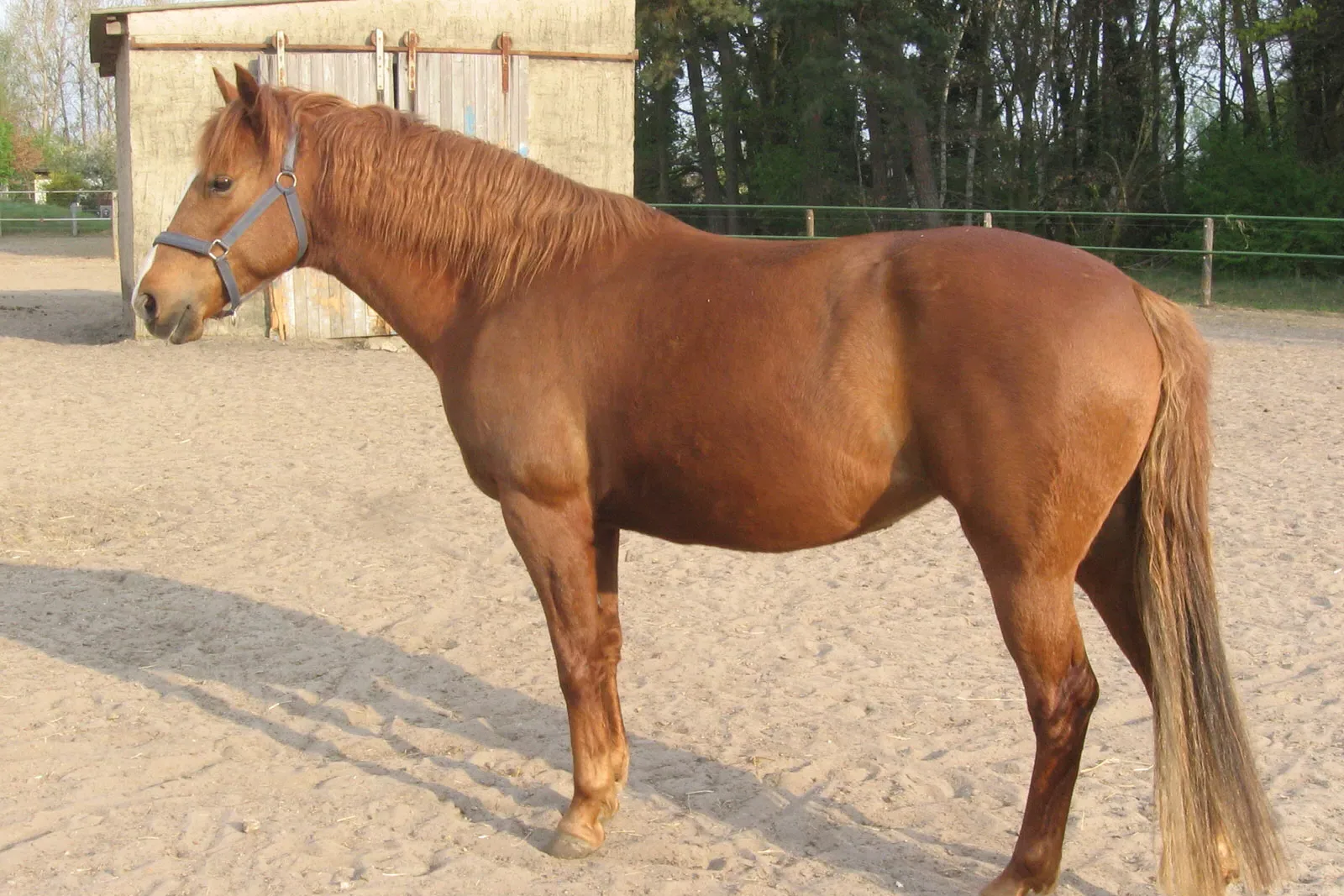
Coat colours: commonly bay, chestnut, grey; black also occurs1, 2
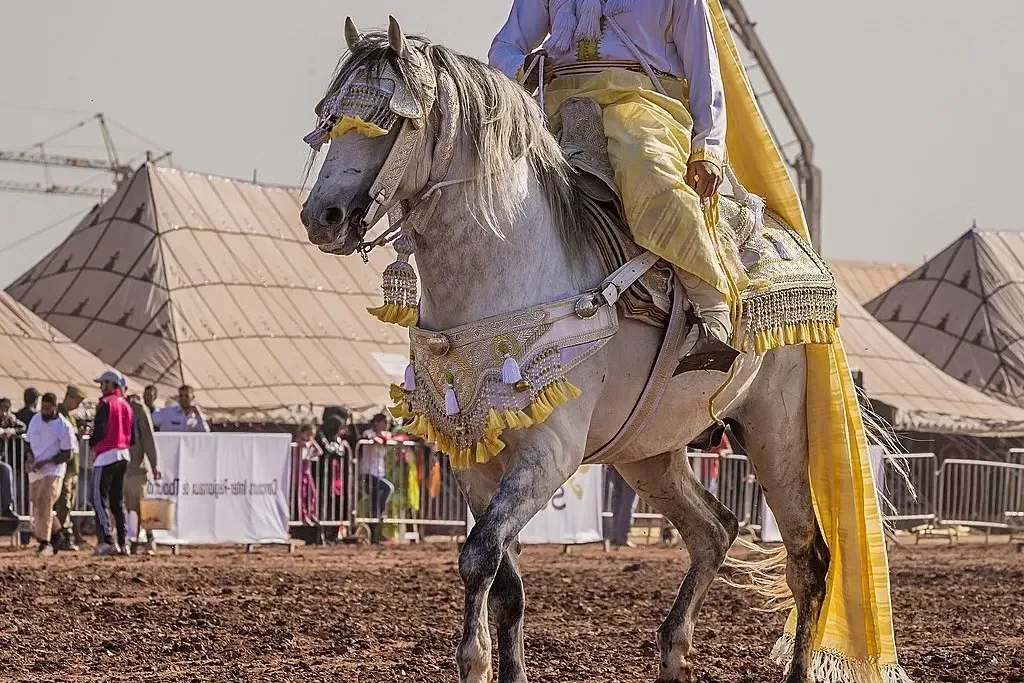
Typical uses: riding, endurance and trail, traditional cavalry-style displays (fantasia/tbourida in North Africa), general saddle work1, 2
History and Origin
The Barb is a North African horse of the Maghreb, long linked to Amazigh (Berber) peoples and regional riding culture. Over centuries, Barb-type horses moved between North Africa and southern Europe through trade, war, and shifting empires, leaving a clear imprint on other riding horses around the western Mediterranean.1, 2 Exact timelines are hard to pin down. Claims such as use as early as 1000 BC get repeated often, but they are difficult to verify cleanly in modern breed-history terms, partly because "Barb" also worked as a regional label that shifted over time.1
Appearance and Physical Characteristics
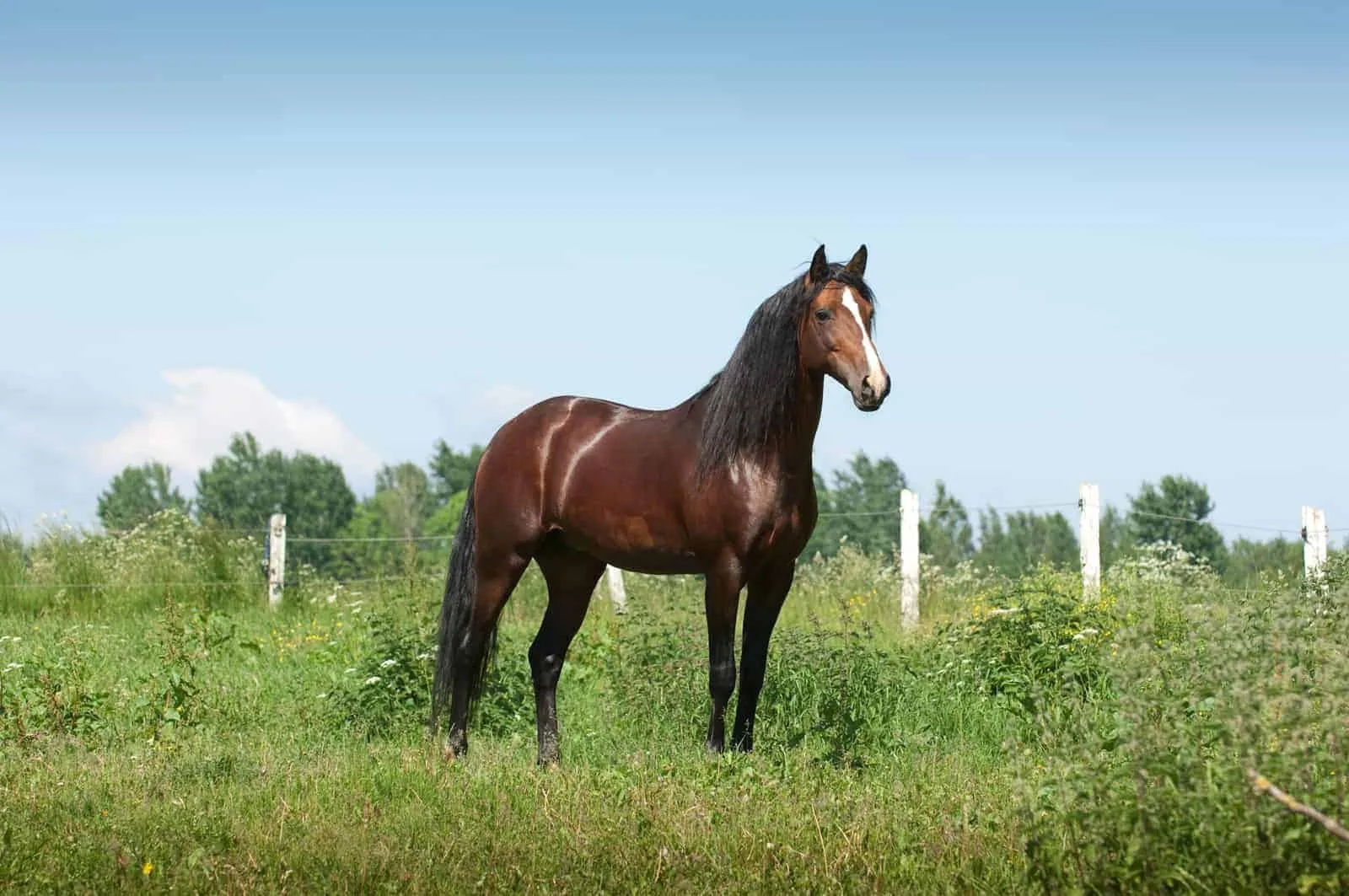
Barbs are medium-sized saddle horses with a compact, efficient frame built for work: strong bone, practical feet, and a body that carries weight without fuss. Compared with many modern sport-horse types, the outline is usually more straightforward than showy.1, 2
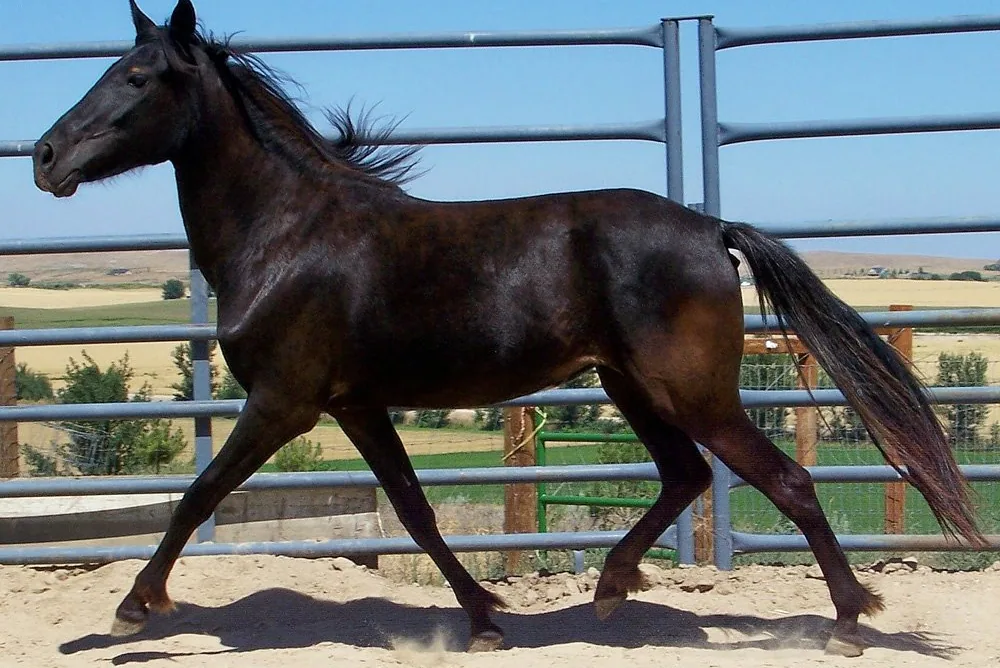
- Head: often a straight to slightly convex profile, not always "dished" (that term is more strongly associated with some Arabian lines).1
- Body: sturdy, short-coupled build with deep heart room and practical balance depending on type.1
- Legs and feet: generally strong limbs and tough hooves, reflecting selection in dry, varied terrain.1, 2
Coat colours commonly include bay, chestnut, and grey, and black is also recorded. Prevalence varies by region and studbook, and grey often becomes more obvious as horses age, as it does in other breeds carrying the greying gene.1, 2
Movement is plain and efficient. Most Barbs walk, trot, and canter without exaggerated knee action. When people praise the "ground-covering trot", they usually mean economy and reach, not a naturally gaited (ambling) breed trait.1, 2
Temperament and Personality
The Barb is widely described as hardy and willing, with the sort of energy that suits riders who like a forward horse and can offer calm, consistent handling. It rewards a rider who wants a practical partner: alert, responsive, and capable of long steady efforts when conditioned well, which is why it shows up so often in endurance-style work.1, 2 Temperament still comes down to the individual, early handling, and the way the horse is kept and trained. Expect a working mind rather than a lap-horse.1

Is a Barb Right for You?
Be honest about what you want to do with a horse. The Barb earns its keep in real riding outside an arena, on stamina, thriftiness, and sure-footed travel rather than extravagant movement or show-ring polish. Depending on training and conformation, Barbs and Barb-influenced horses turn up in:
- Trail and pleasure riding, for steady, practical distance.
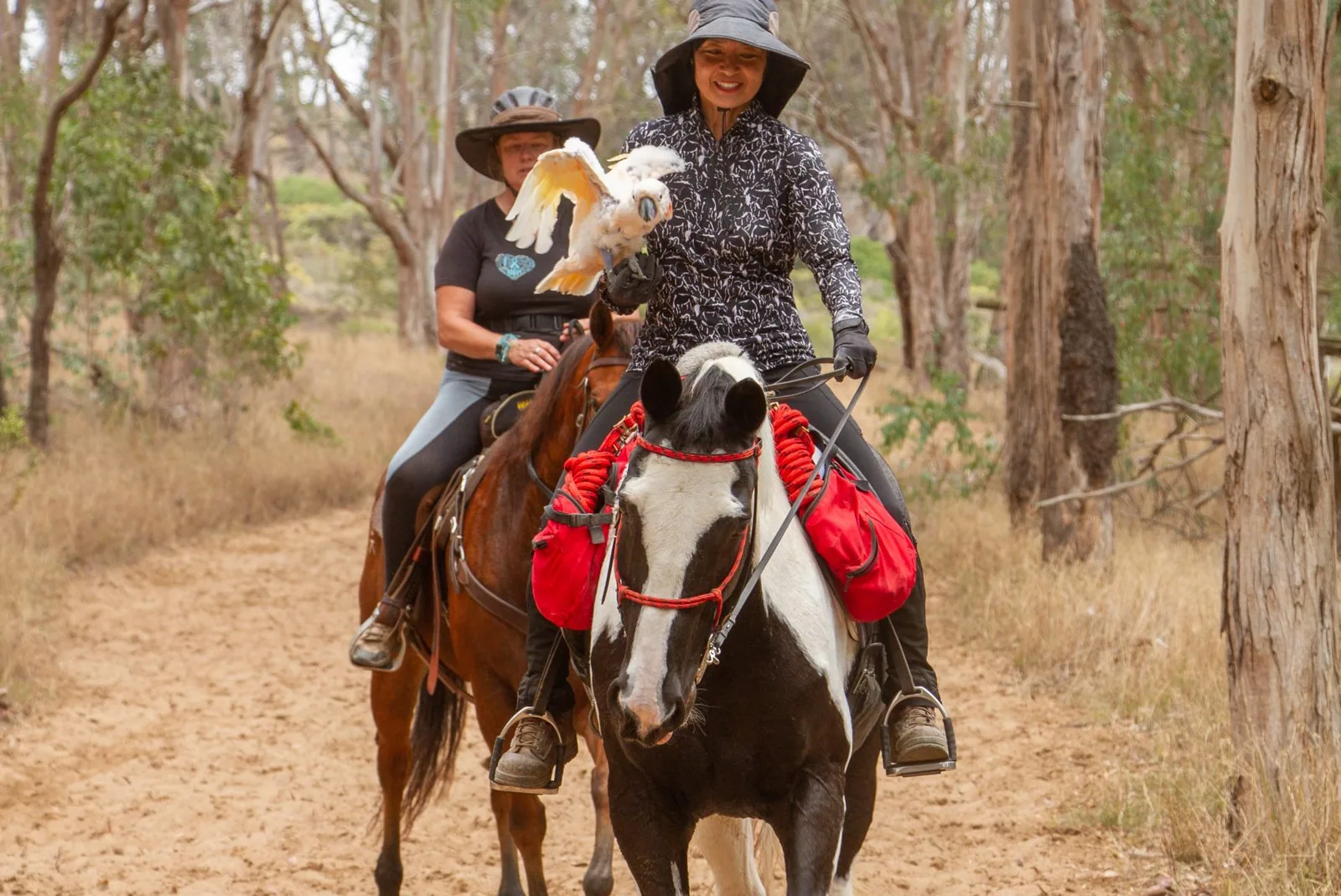
- Endurance and long-distance work, when conditioned appropriately.1, 2
- Traditional displays such as fantasia/tbourida in North Africa, often with Barb and Arab-Barb horses.2, 3
- General saddle disciplines, where a sensible mind and durability matter more than flashy gaits.
If you want a quiet plodder or a competition mover with big knee action, this is not the obvious pick. If you want a durable, forward horse for long practical miles and can commit to the daily care any horse needs, it is worth a look. Purebred Barbs are also uncommon outside North Africa, so in Australia you are more likely to find Barb-influenced or Arab-Barb horses than a registered pure Barb.3
Training and Exercise
A Barb does not need exotic handling, but it does benefit from the quiet consistency that suits most smart, forward horses: clear cues, short sessions early on, and enough turnout and movement to keep body and mind settled. Its stamina is a real asset for distance work, but that fitness has to be built gradually through conditioning rather than assumed.1, 2
Health and Care
Barbs are generally hardy, and the care they need is the same solid routine any horse depends on. In Australia, keep these basics tight.
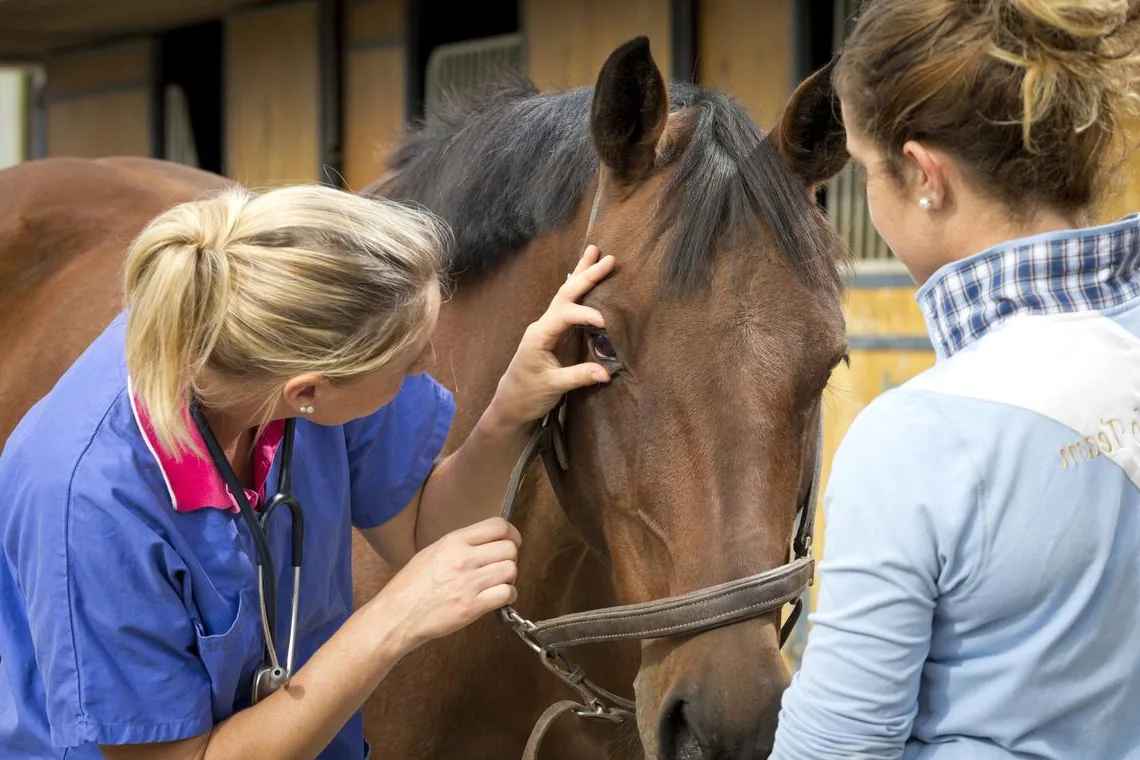
- Biosecurity for new arrivals: isolate new horses for at least 14 days and watch closely for signs of illness, avoid sharing gear at events, and keep hygiene tight around floats, water buckets, and communal areas.4
- Hoof care: regular trims are routine, often around every 6 to 8 weeks, adjusted for wear, terrain, and growth rate.5
- Teeth: routine dental checks matter for weight, comfort, and rideability. Frequency depends on age and workload, but an annual check is a common baseline for adult horses.5
- Know when to call the vet: severe colic signs, serious wounds, sudden lameness, or any rapid deterioration should be treated as urgent.5
A Few Things Worth Knowing
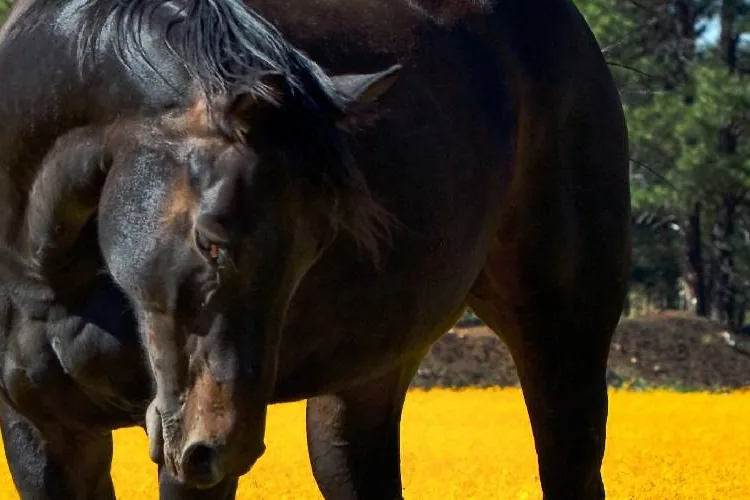
- The Barb is a horse, not a dog. It is sometimes confused with the Anatolian Shepherd Dog (Karabaş) because of the similar name. If you were looking for the dog, this is not it.1, 2
- Arab-Barb (or Arabian-Berber) is a recognised cross between Barb and Arabian lines. It is not the pure Barb breed, so read listings carefully.3
- In many places the Barb survives alongside cross-bred populations, and breed purity is hard to maintain without clear records and consistent standards. That is why active studbooks and breed bodies push identification and structured breeding.1, 3
- If you are considering breeding, look for registry documentation and advice from an established Barb studbook or national breed body rather than relying on visual type alone.
The Bottom Line
The Barb is a tough, willing North African saddle horse whose strengths are stamina, hard feet, and honest distance work rather than show. It suits a rider who wants a forward, durable partner and can commit to the everyday care a horse requires. Just watch the name confusion, both with the unrelated dog and with the Arab-Barb cross, and check the paperwork before you buy or breed.
References
- Encyclopaedia Britannica, "Barb" (horse breed)
- Wikipedia, Barb horse (overview and history notes)
- Wikipedia, Arab-Barb (cross-breed overview)
- NSW Department of Primary Industries, Horse owners: biosecurity guidance
- NSW Department of Primary Industries, Caring for horses (hooves, teeth, health red flags)

Dog lover and writer at My Pets Australia, sharing practical breed guides and care advice for Australian pet owners.