Baby Pet Mice
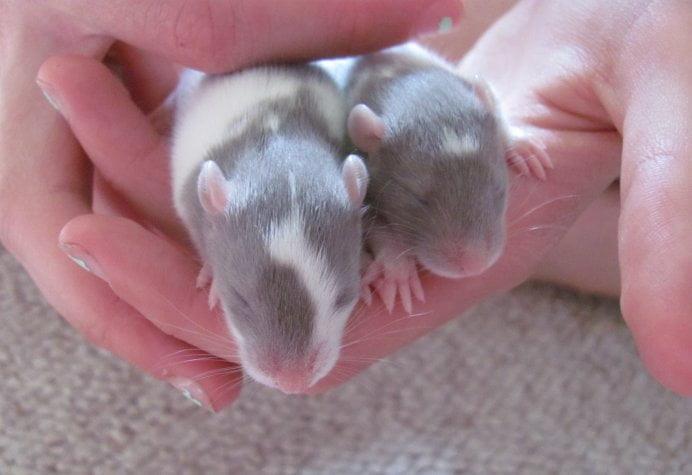
Baby mice are small, quick, curious rodents that settle into a pet home once they are properly weaned. They are inexpensive to keep, endlessly busy, and rewarding to watch as they build nests and sprint on a wheel at dusk. Mice are legal to keep as pets in Australia, unlike hamsters and gerbils, which are banned as declared pests. The catch is that "baby" often means a pup that is too young, or a mix of sexes that will breed within weeks. This guide covers how to choose, house, feed, and handle young pet mice, based on established animal welfare and veterinary guidance.1, 3, 7
What "baby" actually means
In pet shops and classifieds, "baby mouse" can mean anything from a newly weaned youngster to a very young pup. The useful checkpoint is weaning age. Mice are typically weaned at around 21 to 28 days, depending on the source and situation.7
If a mouse is not yet weaned, it should still be with its mother, or under veterinary or wildlife advice if the mother is not available. A recently weaned youngster can settle into a pet home, but will still need extra warmth, stable routines, and careful handling.
Choosing a healthy baby mouse
Start with the animal in front of you, not the colour or "breed" name. A healthy young mouse is alert, steady on its feet, and curious without seeming distressed when the environment changes.
Run a quick health check before you commit:
- Eyes and nose: clean, no crusting or discharge.
- Breathing: quiet and even, with no clicking, wheezing, or obvious effort.
- Coat and skin: smooth coat, no bald patches, scabs, or heavy scratching.
- Body condition: not pot-bellied, not bony, moving normally.
Ask for mice that have already been living together as a stable group before weaning, ideally siblings, because mixing unfamiliar mice later can trigger intense conflict.2, 3
Social needs: when to keep mice together
Mice are social animals and generally do best with compatible company, but the details matter: sex, age, and whether the group is already established.2, 3
- Females: usually do well in small, compatible groups, often the easiest option for pet homes.2, 3
- Males: intact adult males are more likely to fight, especially if they did not grow up together, and injuries can be serious.2, 3, 9
- Mixed sex: avoid unless you are intentionally breeding under informed guidance, because unwanted litters happen quickly.3
Once you have a stable group, try not to add or remove individuals. Even a single change can unsettle the social structure and spark fighting.2, 3
Housing
A good mouse enclosure is secure, well ventilated, and large enough to allow natural movement and choice: sleeping, hiding, climbing, foraging, and retreating from cage-mates when needed. Glass tanks can work if ventilation is excellent and the lid is secure. Wire cages can work if the gaps are small enough to prevent escapes. However you house them, aim for space plus clutter, meaning multiple hides, tunnels, and nesting areas.5
Bedding and nesting
Choose bedding that supports burrowing and does not irritate airways. Paper-based bedding and aspen are commonly recommended. Avoid aromatic softwoods like cedar, and be cautious with dusty materials, as mouse lungs are easily irritated.6
Wheel, chew items, and foot safety
Give them a wheel and chew items, but choose equipment that does not injure feet. Solid-surface wheels reduce the risk of foot damage compared with wire or mesh running surfaces.6
Feeding baby pet mice
A nutritionally complete commercial pellet is the most reliable base diet for pet mice. It prevents selective eating, where mice pick out the tasty bits and miss essential nutrients.8
Fresh foods can be offered in small amounts for variety, such as leafy greens and crisp vegetables, but keep portions modest and introduce changes slowly to avoid digestive upset. Fresh, clean water should always be available.
Store feed so it stays dry and clean. Rodent diets can deteriorate or become contaminated, including with mould-related toxins, if stored poorly, so buy reasonable quantities and keep them sealed and cool.8
Handling and taming
Young mice are small, fast, and easily startled, so handling is safest when it is predictable and low drama: slow movements, a quiet voice, and hands that form a steady platform.
- Begin with short sessions near the enclosure, letting the mouse approach your hand.
- Scoop rather than grab from above.
- Support the whole body and avoid restraining tightly.
Some mice remain skittish even with gentle handling. That can be normal temperament, not a training failure.
Cleaning routines
Keep the enclosure dry and fresh, but avoid stripping away every familiar scent too often, especially in groups. Sudden, complete scent loss can contribute to tension when mice are returned to the enclosure after a big clean.1
- Spot-clean daily: remove wet bedding and soiled nesting areas.
- Deeper cleans as needed: replace bedding regularly, but consider leaving a small amount of clean, familiar nesting material so the enclosure still smells recognisably theirs.
Health and lifespan
Mice can decline quickly when they are unwell, so check them briefly every day: movement, breathing, posture, coat condition, and whether everyone is getting access to food and hides.
Seek veterinary help promptly if you notice:
- sneezing, wheezing, clicking, or laboured breathing
- eye or nasal discharge
- rapid weight loss, persistent diarrhoea, or dehydration
- bite wounds, swollen areas, or repeated chasing and cornering
Pet mice have short lifespans compared with many other companion animals. Typical figures are around 1.5 to 2.5 years, with some variation by genetics and care.7, 10
As they grow: preventing accidental litters and aggression
Baby mice grow into fertile adults quickly. Sex them early, with help from an experienced breeder or veterinarian if you are unsure, and separate males and females before breeding becomes possible. If you keep groups, keep them single-sex unless you are deliberately and responsibly breeding.2, 3, 7
Be especially cautious with male group housing as they mature. Aggression is common enough to be a routine welfare concern in group-housed males, and it can escalate fast once it starts.9
The Bottom Line
Baby pet mice thrive on small, steady things: familiar companions, a secure enclosure full of hiding places, dry bedding, balanced food, and handling that never feels like a chase. Get the basics right early, and their world settles into a quiet rhythm of soft rustling at dusk, brief sprints on the wheel, and nests built in the corners you did not expect. They are legal, affordable, and genuinely engaging, provided you sort out sex and grouping before the numbers get away from you.
References
- RSPCA (UK), Keeping mice together (compatibility, grouping, aggression)
- RSPCA Knowledgebase (Australia), What company do my pet mice need? (grouping, weaning, male aggression)
- RSPCA Knowledgebase (Australia), How should I care for my mice? (social needs, housing cautions)
- RSPCA Australia, Essential tips on housing mice (enrichment, social housing notes)
- VCA Animal Hospitals, Rodents: Housing (mouse social housing overview)
- Tree of Life Exotic Pet Medical Center, Mouse care (housing, bedding cautions, wheel safety)
- Merck Veterinary Manual, Mice at a glance (lifespan, gestation, weaning age)
- Merck Veterinary Manual, Management of laboratory animals (feed storage, deterioration and contamination considerations)
- NC3Rs, Minimising aggression in group-housed male mice (aggression risk and contributing factors)
- Merck Veterinary Manual, Biologic data of pet rodents (mouse lifespan range)

Dog lover and writer at My Pets Australia, sharing practical breed guides and care advice for Australian pet owners.