Azteca Horse
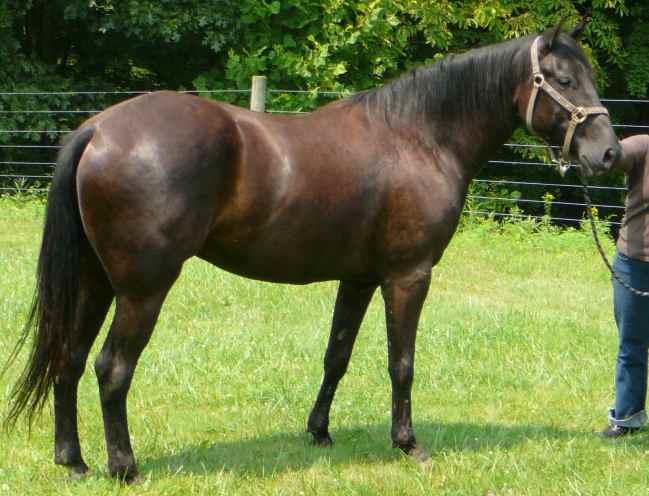
The Azteca is a purpose-bred Mexican riding horse, developed in the 1970s to combine Iberian balance with stock-horse practicality. The result is an athletic, trainable mount that turns up in charro work, reining, dressage-style schooling and general competition riding. It is strong, versatile and pleasant to ride, which is exactly what it was designed to be. People usually go looking for Azteca information when they are weighing up a purchase, checking a horse's breeding, or working out whether the breed suits their riding. The breed's story is often muddled online, so the notes below stick to what registries and established equine references consistently agree on.1, 2, 3
Azteca at a Glance
- Height: commonly around 14.3 to 16.1 hands. Mares are often slightly smaller, stallions and geldings often taller.1, 2
- Weight: often about 450 to 540 kg, depending on build and conditioning.1, 2
- Coat colour: solid colours are the standard, and grey is commonly seen. Rules vary by registry.1, 2
- Temperament: generally described as willing and trainable, with an emphasis on versatility rather than sharpness.2
- Origin: Mexico.1, 3
- Common uses: charro work, general riding, and both Western and English disciplines, including dressage-style work and stock-horse events.1, 2
History and Origin
The Azteca is not an ancient breed and it was not bred by the Aztecs. It was developed in Mexico in 1972, aiming for a horse that could handle traditional charro riding while still moving with the balance and collection associated with Iberian horses.1, 2, 3
Most accounts trace the early program to Don Antonio Ariza Cañadilla and breeders associated with Rancho San Antonio near Texcoco. The breed later received official recognition from Mexico's agricultural authorities in 1982, often cited as 4 November 1982.1, 2, 3
Breeding and Bloodlines
An Azteca is built from three foundations: Andalusian or PRE-type blood (often including Lusitano in some registry definitions), American Quarter Horse, and Mexican Criollo. Different registries word this slightly differently, but the intent is consistent: combine Iberian balance and presence with stock-horse athleticism and practicality.1, 2, 3
Many breed descriptions online invent "four bloodlines" such as Criollo, Caballo de Paso, Pinto and Charro. That is not a standard, widely supported breakdown. More credible sources describe percentage ranges and limits instead. Commonly cited rules include a minimum and maximum proportion of Andalusian or Quarter Horse blood, and a cap on Criollo percentage.3
Appearance and Physical Characteristics
Aztecas are medium-sized, strong horses with a muscled frame that looks ready for work rather than extreme. Many have a straight or slightly convex profile, a neck that can be naturally arched, and sloping shoulders that help produce free, mobile gaits and an easier kind of collection.1, 2
Colour is usually solid in the traditional standard, with white markings typically limited. Some non-Mexican registries allow additional patterns, so colour alone is not a reliable way to identify an Azteca without papers and pedigree context.1
Temperament and Personality
The Azteca has a reputation for being willing and trainable, and versatility is the point of the breed rather than a highly strung, hot temperament.2 Because they often inherit sensitivity and athleticism from their Iberian blood, they tend to reward a rider who is consistent and quiet, and they can feel over-faced by rough or rushed handling.
Training and Exercise
The breed was designed to be versatile, and you will see Aztecas across both Western and English arenas. They are commonly referenced in activities that reward agility, responsiveness and balance, from reining and stock work through to dressage-style schooling and general competition riding.1, 2
Training tends to go best when it is consistent and quiet: clear boundaries, steady repetition, and enough variety to keep the body supple without drilling it into soreness.
Is an Azteca Right for You?
If you like the idea of an Azteca, you probably like a horse that sits between two worlds: the forward, practical feel of a stock horse and the upright balance of an Iberian. Compared with a pure Andalusian or PRE, an Azteca can feel more point-and-go and more cow-horse in the way it moves. Compared with many Quarter Horses, it may offer more natural elevation and collection. Individuals still vary widely, and pedigree only sets the stage.
Aztecas exist in Australia, but they are not common compared with established local populations of stock horses, warmbloods and thoroughbred types. If you are shopping, the shortest path to clarity is paperwork: ask which registry the horse is recorded with, request pedigree documentation, and confirm identification details before you travel or commit a deposit.2
- If papers matter to you: confirm the registry's breeding rules and whether the horse's paperwork is recognised by the body you intend to compete under.1
- If performance matters more than labels: assess the individual horse, including soundness history, temperament under saddle, and suitability for your workload.
Health and Everyday Care
There are no widely recognised, breed-specific diseases that mark the Azteca as a problem breed. In practice, it needs the same foundations as any riding horse: steady nutrition, fit-for-purpose work, and routine preventative care.4
Core care basics
- Feet: regular farrier attention helps prevent cracks, imbalance and long-toe discomfort. Australian guidance commonly suggests trimming cycles around 6 to 8 weeks, adjusted to growth and workload.4
- Teeth: routine dental checks matter for comfort, weight maintenance and contact. Frequency depends on age and diet, and young horses often need more frequent assessment.4
- Worm control: aim for a plan based on risk and veterinary advice rather than automatic dosing. Parasite pressure varies by property, season, stocking rates and manure management.4
Biosecurity and Hendra virus in Australia
If you keep horses in parts of Australia where flying foxes are present, Hendra virus risk management becomes part of normal horse keeping. Queensland Government guidance points to vaccination as the most effective way to help manage the disease risk, while still using precautions because no vaccine is a 100 per cent guarantee.5
Practical steps include moving feed and water away from trees that attract flying foxes, and restricting horse access to areas with flowering or fruiting trees when bats are active.6
A Few Things Worth Knowing
- The breed is modern, not ancient. Development began in 1972 and official Mexican recognition followed in 1982.1, 3
- Claims like "only around 5,000 registered worldwide" do not hold up against commonly cited registry figures from the mid-2000s onward, which are higher and continue to grow. Treat any single global number as an estimate unless it comes directly from a registry's current report.1, 2
The Bottom Line
The Azteca is a modern Mexican breed with a clear purpose: a strong, athletic riding horse shaped by Iberian and stock-horse ancestry, officially recognised in the early 1980s after development began in 1972.1, 2, 3 If you are considering one in Australia, treat the name as a starting clue, not a guarantee. Look for credible registration, verify breeding claims, and then let the horse's movement, manners and soundness do the talking.
References
- Azteca horse (breed overview, history, characteristics), Wikipedia
- Breed Profile: Azteca Horse, Fédération Equestre Internationale (FEI)
- Azteca Horses, Oklahoma State University, Department of Animal & Food Sciences
- Basic horse care, Agriculture Victoria
- Hendra virus vaccine for horses, Business Queensland
- Reducing the risk of Hendra virus infection, Business Queensland
- Protecting horses from disease (biosecurity guidance), Queensland Department of Primary Industries
- Hendra virus (vaccination and admission requirements), UQ VETS, The University of Queensland

Dog lover and writer at My Pets Australia, sharing practical breed guides and care advice for Australian pet owners.