Arowanas as Pets
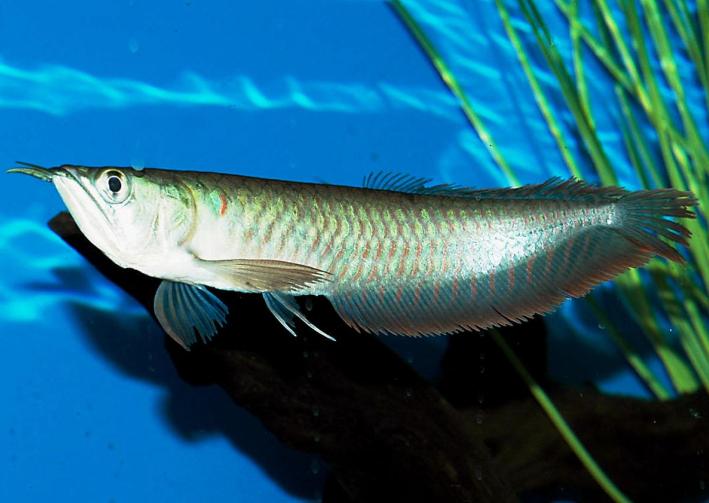
The arowana is a large, long-bodied surface fish that moves through open water like a slow ribbon, and that presence is why people fall for one the moment they see it in a shop or online. It can reach around 90 cm, live well past 10 years, and stay calm with the right tank-mates. It is also a serious commitment. These fish grow long, jump hard, and turn poor water quality into illness fast, so the real question is not colour or "type" but whether you can give one clean water, a long tank, and a locked lid for a decade or more. Legality matters too, because in Australia what you can keep and import depends on the species and where you live.
Size: Up to ~90 cm (species dependent)6
Lifespan: Often 10 to 20+ years with good care (species dependent)6
Temperament: Often calm with suitably sized tank-mates; predatory towards smaller fish6
Care level: Moderate to high (space, filtration, diet variety, water testing)3
Diet: Omnivore with a strong surface-feeding, fish-and-invertebrate bias; use a varied, high-quality diet6
Minimum tank volume: Treat "minimum" cautiously; adults generally need very large aquaria (often far beyond starter setups)3
Water parameters: Tropical, stable temperature; keep ammonia/nitrite at zero and nitrates controlled via filtration and water changes3
Social behaviour: Typically kept singly; multiple arowanas usually require very large systems and careful management
What an Arowana Is
"Arowana" is a common name for several large, long-bodied, surface-feeding fish kept in the aquarium trade. They are built for open water and sudden bursts, so a long runway of tank, clean oxygenated water, and a tight lid matter far more to them than decorations. They are also unforgiving of sloppy basics. An arowana can look fine right up until water quality slips, and then infections and fin damage appear quickly. Good husbandry here is not fancy, it is consistent: test the water, change it, clean filters properly, and avoid sudden shifts.3
Common Types in Australia (and the Legal Reality)
Before you set your heart on a particular arowana, check the legal status of the species. What is available and permitted varies by state and territory, and import rules are separate again.
Australian arowana (Scleropages jardinii / Scleropages leichardti)
These are native Australian species that are sometimes sold domestically. Availability and permitted keeping conditions vary by state and territory, so confirm your local rules before you buy.
Silver arowana (Osteoglossum bicirrhosum)
The silver arowana is a South American species commonly discussed in the hobby. It is recorded to reach around 90 cm total length, and it naturally feeds at the surface on a mix that includes fish and insects.6
Asian arowana / "dragon fish" (Scleropages formosus)
This is the famous, high-value species often called "dragon fish". Internationally it is listed on CITES Appendix I.1 In Australia it has been the subject of decisions not to add it to the Live Import List, which matters because species not on the list generally cannot be imported legally.5
Tank Setup for an Adult Arowana
Arowanas do not need a busy aquascape. They need stable, well-filtered water and room to turn without scraping themselves.
Tank size and shape
Go longer and wider rather than taller. Small "minimums" get outgrown fast, and cramped tanks encourage stress, collisions, and chronic fin damage.
Lid security (non-negotiable)
Arowanas jump. Fit a tight, strong lid with no gaps around hoses or cables, and keep the waterline low enough that a startled fish cannot launch straight into the cover.
Filtration, oxygen, and the weekly routine
Plan for heavy feeding and heavy waste. Use oversized filtration and steady aeration, and build a simple routine around water tests and partial water changes. Good filtration supports nitrifying bacteria that process toxic wastes, but it does not replace water changes.3
Feeding: Varied and Clean
Arowanas are opportunistic surface feeders. In captivity, aim for a varied diet that suits their size and reduces the risk of nutritional gaps or fatty degeneration over time.
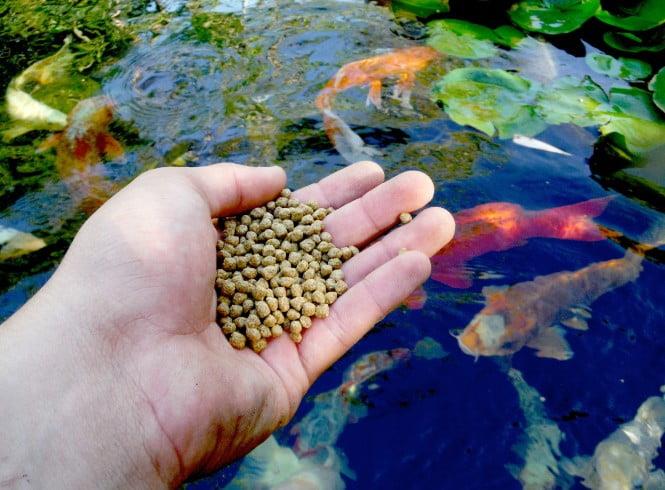
- Staples: quality pellets designed for large carnivorous or omnivorous fish (choose a size they can take cleanly).
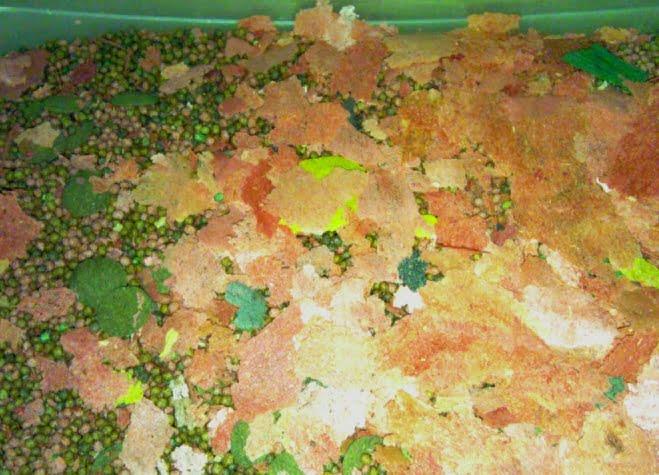
- Regular variety: frozen and thawed seafood (e.g. prawns), insect-based foods, and other appropriate frozen foods.
- Use live feeding sparingly: live feeder fish can introduce parasites and disease, and it often trains the fish to strike at anything that moves.
Feed smaller amounts more thoughtfully rather than dumping in large feeds. Uneaten food rapidly degrades water quality, and water quality is where most arowana problems begin.3
Tank Mates: What "Compatible" Really Means
Arowanas are predatory towards fish they can swallow. Even when they seem calm, the mouth sets the rule.
- Avoid small fish, shrimp, and other bite-sized animals.
- If you add tank mates, choose robust species of a similar body size and temperament, and make sure the aquarium is large enough that feeding does not become a daily contest.
- Watch for fin-nipping and crowding. Arowanas often wear damage on their trailing fins first.
Common Health Issues
Arowanas can suffer bacterial and fungal infections, fin and tail rot, and buoyancy problems. The pattern is familiar: long-term stress, poor water quality, or an injury that becomes infected. Improve the environment while you treat the fish, or the problem returns.7
Practical early warning signs include:
- clamped fins, ragged fin edges, or reddening along fin rays
- scraping, flashing, or repeated startling
- loss of appetite, spitting food, or persistent surface gasping
- white patches, ulcers, or cottony growths
If you are not sure, speak with an aquatic veterinarian or an experienced fish health professional. Do not shotgun medications into an unstable tank.
Legal and Biosecurity Checks in Australia
Rules around fish ownership and movement vary between states and territories, and import rules are separate again. Two checks matter before you buy:
- Import status: Australia's system restricts imports to permitted species, and importation generally requires permits and compliance with biosecurity conditions.4, 5
- Your state or territory rules: some jurisdictions regulate "high-risk" or invasive fish and place obligations on possession, reporting, and disposal.2
Never release aquarium fish into waterways. In Queensland, for example, government guidance is explicit that dumping aquarium animals spreads invasive species and harms native ecosystems.8
The Bottom Line
An arowana can be a striking, steady presence in a home aquarium when its needs are met: a long tank, strong filtration, a secure lid, and a keeper willing to do the quiet weekly work. When any of those pieces are missing, they do not fail dramatically at first, they simply wear down. Before you commit, confirm the adult size of the species you are considering, price out a suitably large aquarium and filtration, and check the legal status where you live. The easiest time to make the right choice is before the fish comes home.
References
- CITES, Golden/Asian Arowana (Scleropages formosus) species information and listing
- Queensland Government, Legal obligations for invasive freshwater animals (noxious fish and related requirements)
- RSPCA Knowledgebase, Caring for tropical fish (tank size, heating, filtration, water changes)
- Australian Government (DAFF), Importing live fish to Australia (permits and conditions)
- Australian Government (DCCEEW), Live Import List (including decisions relating to Asian arowana)
- FishBase, Osteoglossum bicirrhosum (silver arowana) summary (size, ecology)
- Merck Veterinary Manual, Overview of aquarium fish disorders (water quality and disease)
- Queensland Government, Prevent the spread of invasive freshwater animals (do not release aquarium fish)

Dog lover and writer at My Pets Australia, sharing practical breed guides and care advice for Australian pet owners.