Argentine Dogo
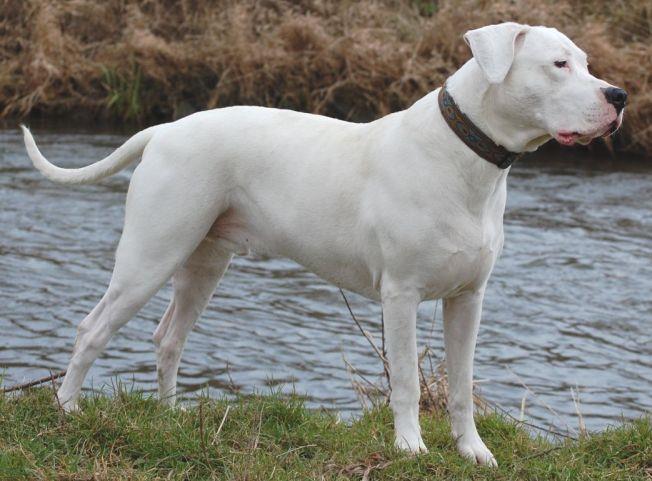
The Dogo Argentino is a large, powerfully built white dog developed in Argentina to hunt big game in a pack. It is athletic, loyal to its household, and genuinely impressive to watch when it is fit and well handled. It is also a serious commitment, and in Australia there is a legal catch: the breed is prohibited from importation under Commonwealth rules and is treated as a restricted breed in some states. This guide sticks to verifiable facts about what the breed was bred for, what it is like to live with, and the training and health realities that shape everyday life.
Breed category: Working (hunting) breed1
Country of origin: Argentina1
Typical height: Dogs 60 to 68 cm; bitches 60 to 65 cm (at the withers)1
Typical weight: Males around 40 to 45 kg; females around 40 to 43 kg1
Typical life span: Often reported around 10 to 12 years5
Grooming needs: Low (short coat, but regular shedding)1
Exercise needs: Medium to high (varies with the individual dog; plan for daily work)2, 4
History and Origin
The Dogo Argentino was developed in Argentina as a big-game hunting dog, expected to work in a pack and hold large, dangerous quarry such as wild boar.1 That working history explains the breed's athletic build, its stamina, and its tendency toward intense focus once something catches its interest. When people talk about the breed's drive, this is where it comes from.
Legal Status in Australia
Read this part before anything else. In Australia the Dogo Argentino is on the list of dog breeds prohibited from importation under Commonwealth rules.6 That does not automatically describe every state's rules for dogs already in the country, but it does shape availability and regulation.

Some jurisdictions also treat the Dogo Argentino as a restricted breed with specific compliance requirements and limits on sale or transfer. For example, NSW lists the Dogo Argentino as a restricted dog and makes it an offence to sell, advertise, give away, or transfer ownership of a restricted dog, with permit and control requirements applying to owners.7
If you are dealing with a Dogo (or a dog that may be a Dogo cross), check your state or territory rules and your local council requirements before you commit to rehoming, moving house, or travelling interstate.
Appearance and Physical Characteristics
The breed standard describes a large, strongly built dog with a short coat that is entirely white, with limited head markings tolerated in the standard.1 In motion, a fit Dogo tends to look efficient rather than lumbering: deep-chested, balanced, and built for sustained work.
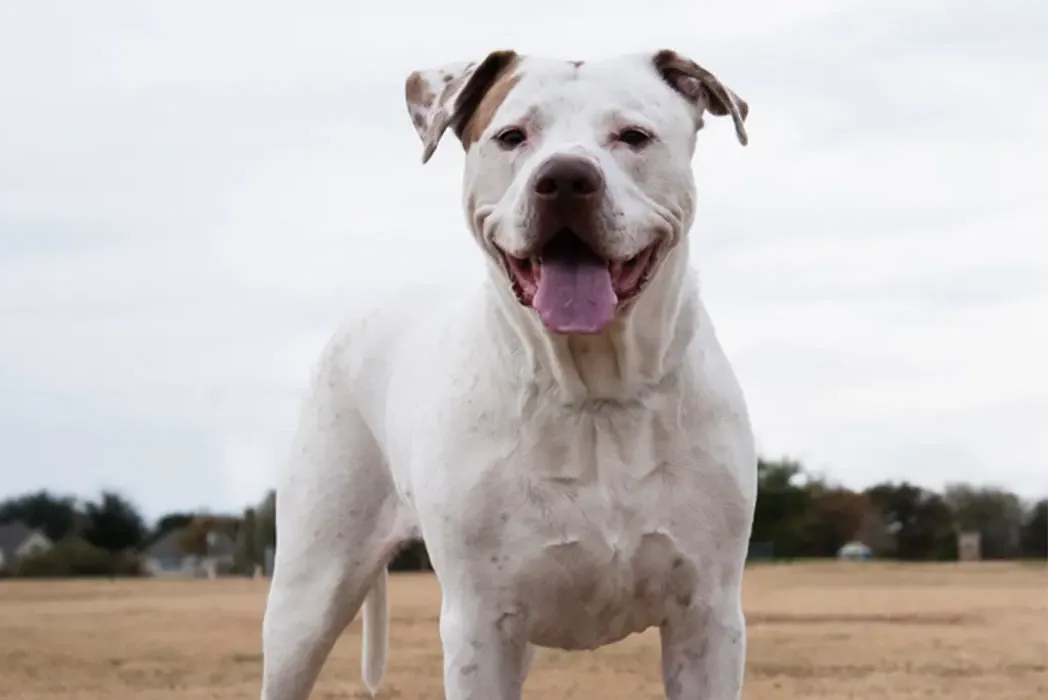
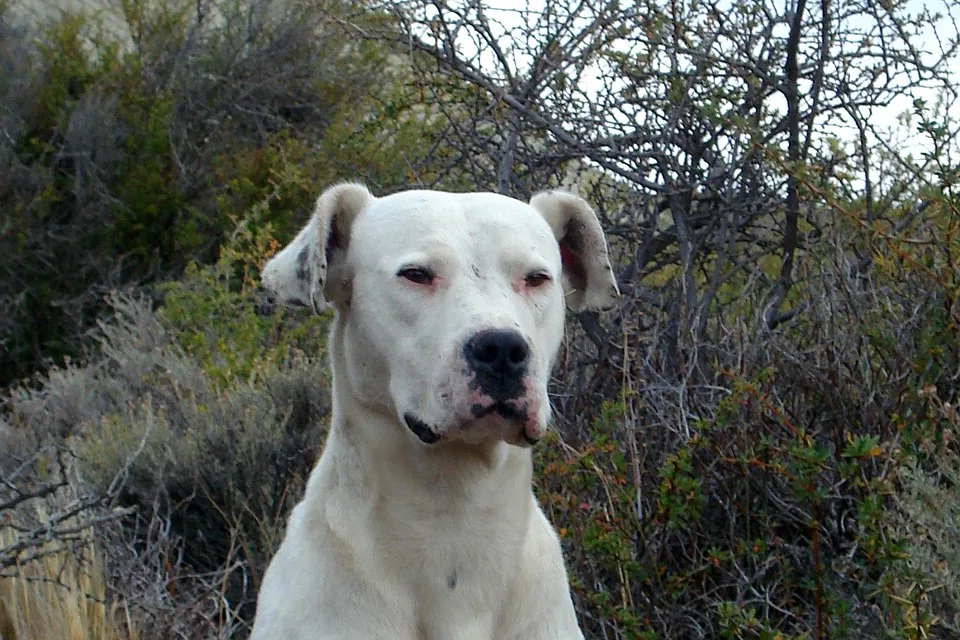
One practical point that casual breed summaries often miss is hearing. White-coated breeds can have a higher risk of congenital deafness, and the Dogo Argentino standard lists deafness as a disqualifying fault.1 Hearing can be assessed with BAER testing via veterinary referral, which is commonly used for objective hearing screening in dogs.5
Temperament and Personality
Well-bred, well-raised Dogos are usually steady, bold dogs with strong loyalty to their household and plenty of self-confidence. They are not a set-and-forget breed. They do best with calm structure, clear boundaries, and plenty of purposeful activity, and they tend to notice quickly when the handling around them is inconsistent.
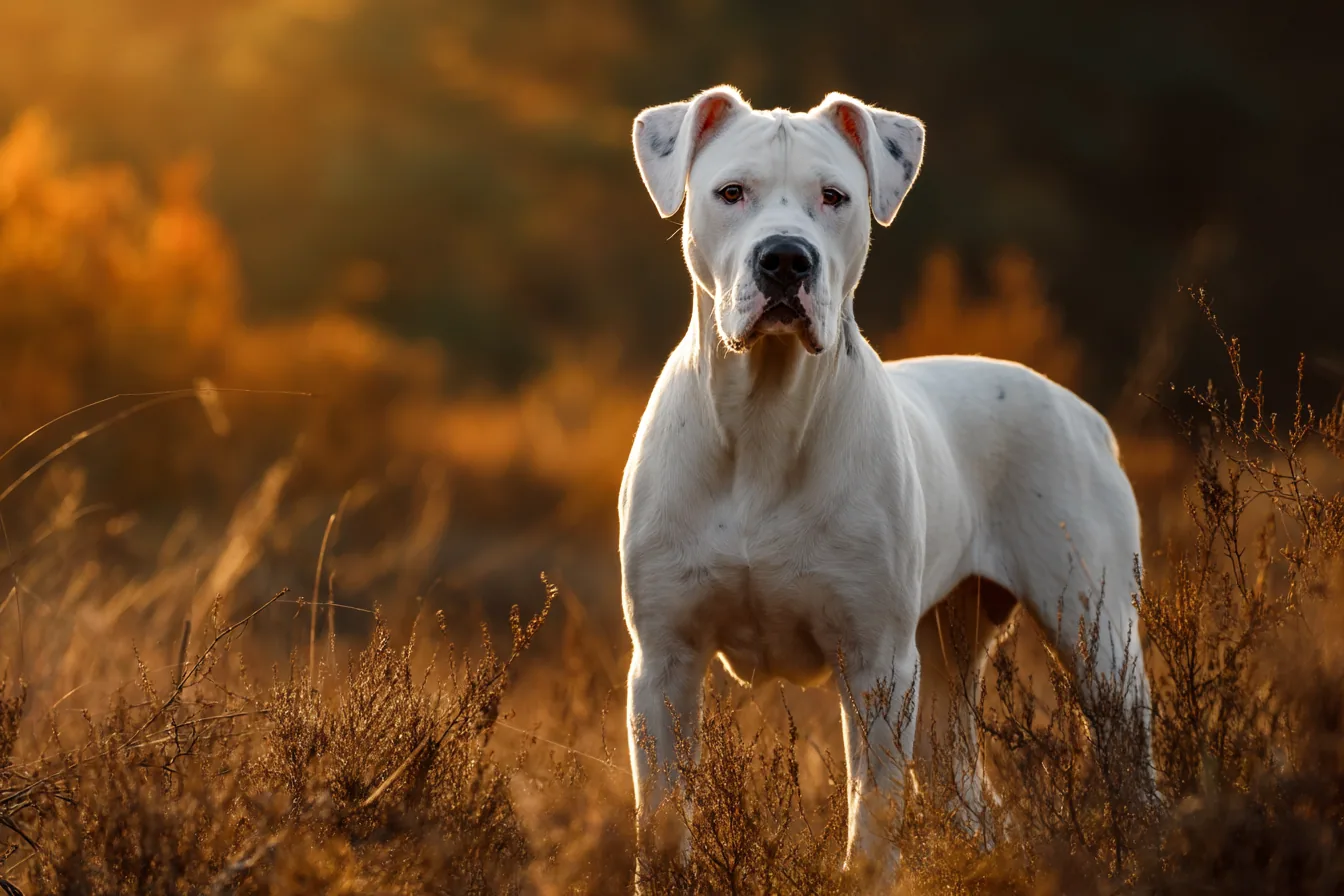
Because they were developed for hunting large game, many individuals show a pronounced chase or prey response. That does not make them bad with other animals by definition, but it does mean introductions, management, and training matter, especially around cats, pocket pets, and off-lead situations.
Is a Dogo Argentino Right for You?
In the right home, these dogs can be calm housemates, quiet until there is a reason to move, then suddenly all muscle and momentum. They tend to do best with adults who enjoy training, have time for daily exercise, and are comfortable managing a powerful dog in public. For most households, honestly, that is a lot to take on, and the legal restrictions narrow the field further.
Often a good match if you have:
- Experience with large, strong breeds and confident handling.
- Secure fencing and a routine that includes daily physical work and training.
- A commitment to reward-based training and early, ongoing socialisation.2, 4
Think carefully if you have:
- Free-roaming cats or small animals you cannot safely separate.
- Little time for structured training and exercise.
- Uncertainty about legal restrictions where you live (check first).6, 7
Training and Exercise
Early socialisation makes a measurable difference in how a dog copes with the modern world. RSPCA guidance highlights a critical socialisation period in puppies (commonly described as roughly 3 to 17 weeks), where positive exposure to people, places, handling and other dogs helps shape later behaviour.2, 3 For a strong, fast breed, the safest approach is the one that builds reliable habits without escalating conflict: reward-based, positive reinforcement training, with management tools that set the dog up to succeed.4

Practical training priorities for this breed
- Recall and emergency stop (before off-lead privileges are even considered).
- Loose-lead walking with a well-fitted collar or harness, with no dragging matches.4
- Neutral behaviour around other dogs (calm passing, not forced greetings).
- Handling tolerance (mouth, paws, ears, coat) to support veterinary care.
- Muzzle training as a low-stress skill, especially useful where regulations or risk management require it.
Exercise needs to go beyond a long walk. Many Dogos cope poorly with boredom, and a daily walk is rarely enough on its own for a large, athletic working breed. Think in terms of steady physical conditioning plus mental work: scent games, structured training sessions, safe tug and play rules, and puzzle feeding. Match the workload to the dog in front of you, because young, unconditioned dogs pushed into hard running too early are more likely to pick up injuries, while under-worked adults tend to invent their own jobs, often noisy, destructive ones.
Health and Lifespan
No single checklist covers every line of the breed, but a few issues come up repeatedly in large, deep-chested dogs and in white-coated breeds. Dogos are often reported to live around 10 to 12 years.5

Congenital deafness
Congenital deafness is a recognised concern in some white-coated breeds, and breed materials and veterinary references commonly note Dogo Argentinos among breeds where hearing should be taken seriously.1, 5 BAER testing gives an objective result if you have any doubt.
Gastric dilatation-volvulus (GDV, bloat)
Large, deep-chested dogs are at higher risk of GDV, a life-threatening emergency. Risk reduction advice commonly includes feeding smaller meals rather than one large meal and avoiding vigorous exercise around meal times. Know the signs and treat it as urgent if you suspect it.8
Orthopaedic and eye issues
As with many large breeds, it is sensible to ask breeders or rescue groups what screening has been done in the lines for orthopaedic issues, and to have your vet keep an eye on gait, comfort, and mobility as the dog matures.
Grooming and Care
The Dogo's short coat is easy to maintain, but low grooming does not mean no grooming. Weekly brushing helps lift dead hair and grit, and it gives you a regular chance to check skin, ears and paws. White coats also make skin irritation easier to spot early, so if you notice persistent redness, recurrent ear problems, or itchy feet, it is worth a proper veterinary work-up rather than cycling through shampoos and diet changes without a plan.

A Few Things Worth Knowing
Because importation is prohibited, you may see limited local supply and inconsistent information. If you are assessing a breeder, look for transparency: health testing where relevant, stable adult temperaments you can meet, and clear, written support around training and management. If you are adopting, ask what the dog has actually lived with (other dogs, children, cats), what triggers have been observed, and what training has been done. Then assume you will still need to build reliability from the ground up in your own home.

The Bottom Line
The Dogo Argentino is a practical, working-bred animal in a modern suburban world. When things go well, it is because the environment is right: secure boundaries, regular work, careful socialisation, and calm handling. When things go poorly, it is often because the dog is asked to navigate too much freedom, too soon, with too little guidance. If you are drawn to the breed, treat the decision like taking on a high-drive working dog of any kind: confirm the legal position where you live, meet well-managed adults, and plan your training and containment before the dog arrives home.6, 7
References
- FCI breed standard: Dogo Argentino (summary copy of standard)
- RSPCA Australia: Here's how to care for your puppy (socialisation period guidance)
- RSPCA South Australia: Dog socialisation benefits (timing and practical considerations)
- RSPCA Knowledgebase: Training recommendations (reward-based methods)
- VCA Hospitals: Deafness in dogs (overview and testing)
- Australian Border Force: Importing animals (dangerous breeds prohibited from import)
- NSW Office of Local Government: Restricted dogs (NSW requirements and restrictions)
- VetZone (Australia): Gastric dilatation and volvulus (bloat) in dogs

Dog lover and writer at My Pets Australia, sharing practical breed guides and care advice for Australian pet owners.