Ardennes Horse
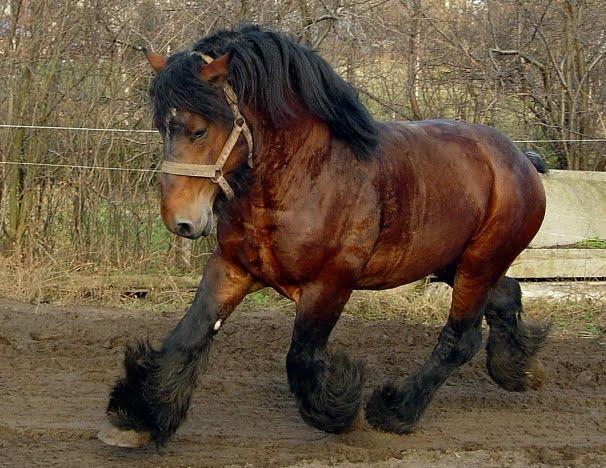
The Ardennes is one of Europe's oldest draught horses, a compact, heavily muscled cold-blood bred to work all day on poor ground without wasting energy. It is prized for a genuinely calm, willing temperament and enormous pulling power, which is why people still put it to farm work, forestry, and carriage driving. It is medium in height but feels huge in hand because of its width and mass. That mass is also the catch: this is a serious animal that needs serious feed, space, and hoof care. If you have the facilities and the handling experience, it is a rewarding horse; if you do not, its sheer size can turn small mistakes into big ones.
Ardennes Horse at a glance
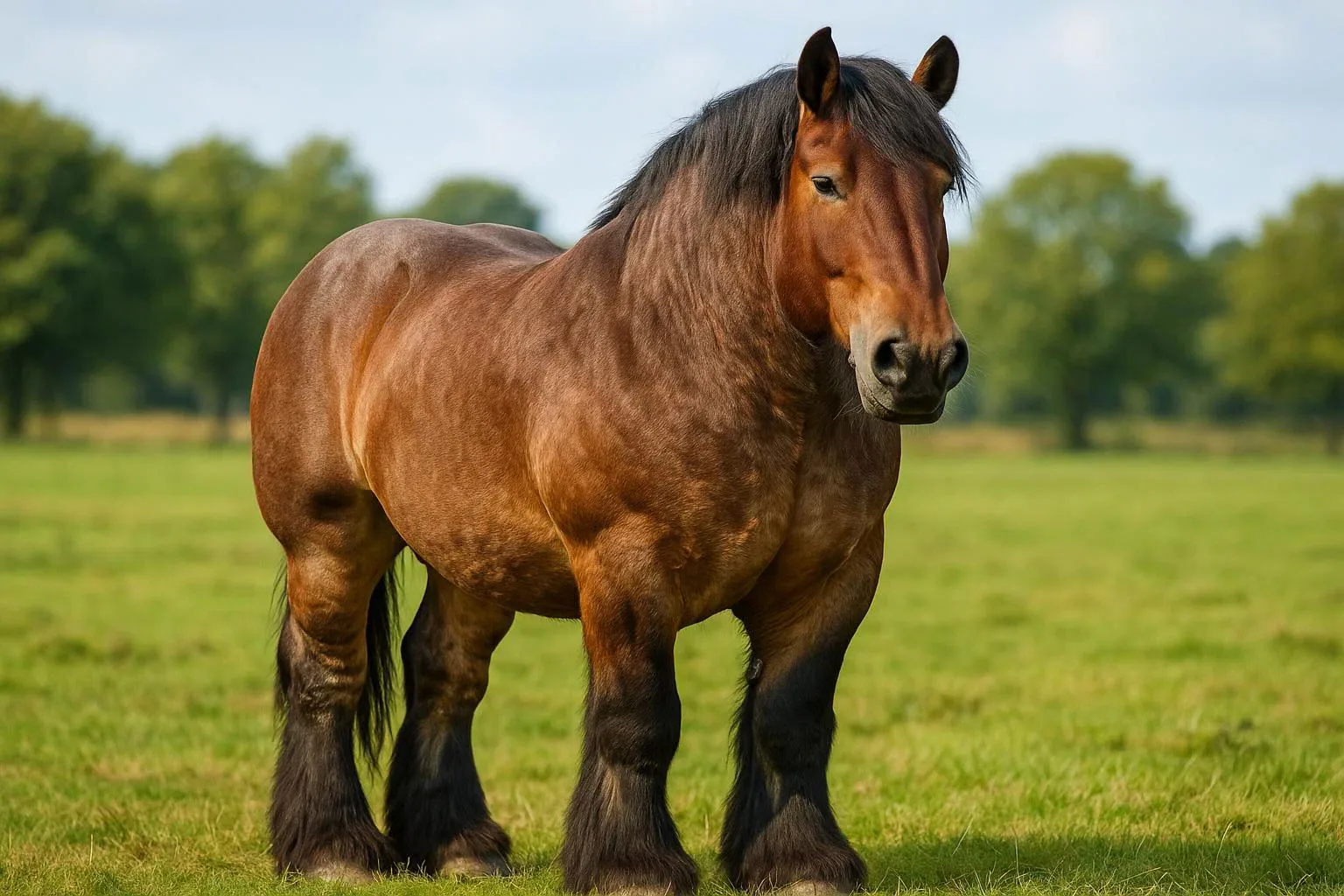
- Origin: The Ardennes region spanning parts of France, Belgium, and Luxembourg1
- Type: Cold-blooded draught horse, built for pulling and steady work2
- Height: Commonly around 15 to 16 hands (about 152 to 163 cm). French stud-book minimums are 1.54 m for stallions and 1.52 m for mares2, 3
- Weight: Often about 700 to 1,000 kg or more depending on bloodlines and selection. Many modern guides place typical weights roughly in the 680 to 1,000 kg range4, 5
- Colours: Commonly bay, roan, chestnut, and grey. Some registries tolerate black, while others restrict it3, 4
- Temperament: Typically calm, docile, and willing, bred for patient, repetitive work2, 6
- Common uses: Farm and forestry draught work, logging, carriage driving, and breed shows. In some places also used for meat production2, 7
- Lifespan: Often similar to other horses. Some references cite around 30 years, but real-world longevity depends heavily on workload, nutrition, hoof care, and chronic disease management6
- Rarity: Not common outside its European home region. Exact registered-worldwide numbers vary by stud-book and country, so treat any single global figure cautiously3
History and Origin
The Ardennes is tied to a tough landscape of hills, forests, and poor soils, where a compact, muscular horse could do slow work all day without wasting energy. Over centuries that practical shape was reinforced and recorded in regional stud-books, producing a recognisable draught type with a broad chest, strong neck, short cannons, and dense bone.2, 3
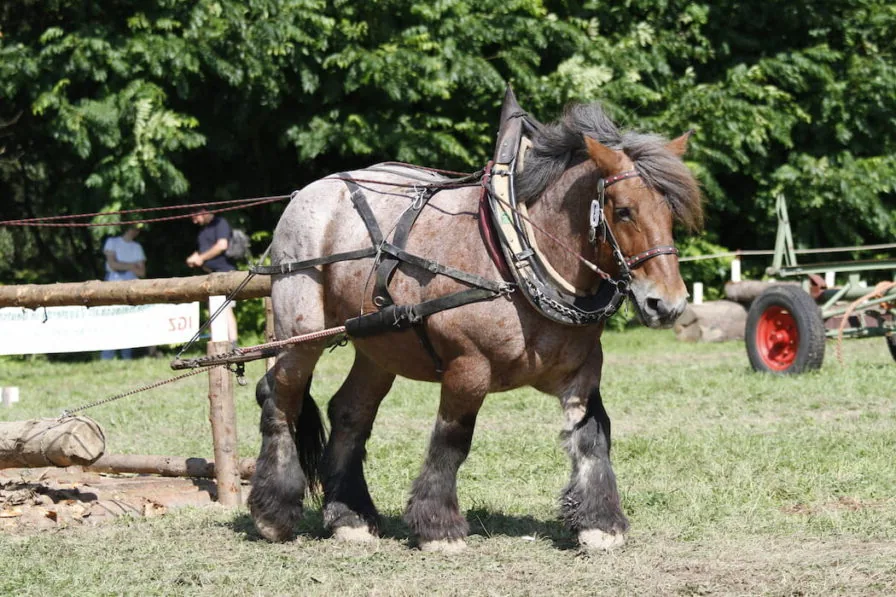
Like many European draught breeds, Ardennes horses were pulled into war logistics in the early 20th century, then returned to agriculture and hauling as mechanisation spread. Today you are most likely to see them in traditional draught work, forestry demonstrations, driving, and breed promotion, work that suits their balance and steadiness more than their speed.2
Appearance and Physical Characteristics
An Ardennes is built like a short, loaded cart: low to the ground, thick through the shoulder and hindquarter, and designed to push into a collar. The head is typically broad, with a straight to slightly convex profile. The neck is powerful, the back is relatively short, and the legs are sturdy, sometimes with light feathering around the fetlocks.2, 3
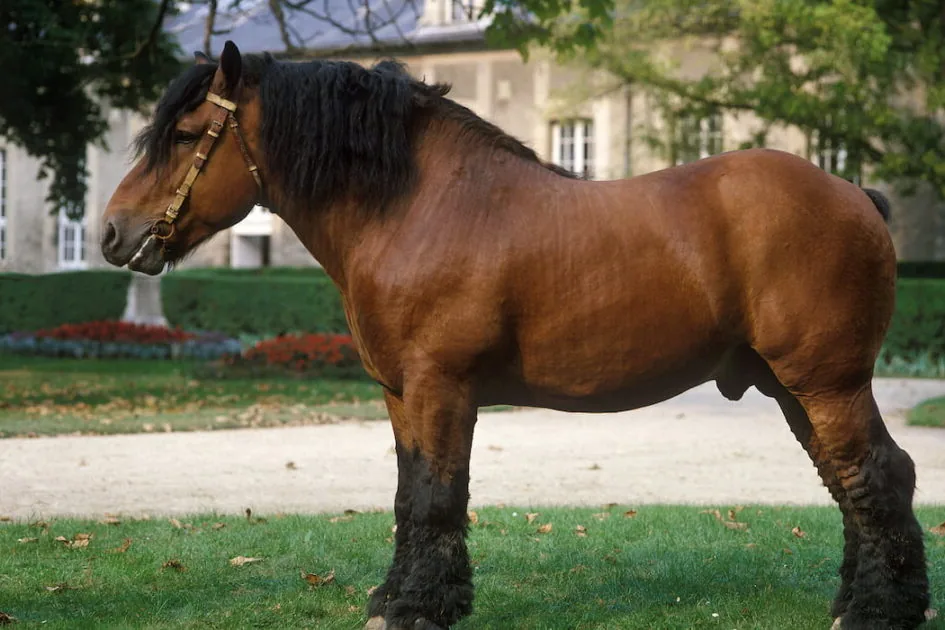
Height is often quoted around 15 to 16 hands, but the more useful detail is proportion. An Ardennes can be medium in height while still feeling enormous in hand because of its width and mass.2, 5
Coat colours and what registries allow
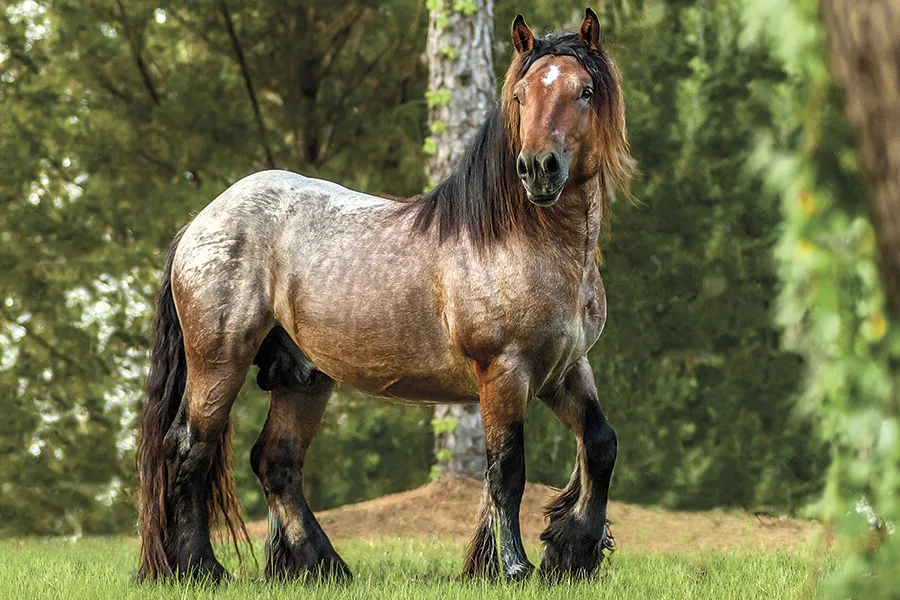
You will commonly see bay and roan, with chestnut and grey also recognised. Breed standards can be quite specific: French breed information lists preferred colours including bay, roan, chestnut, and iron grey, with certain dark colours tolerated and others excluded from the stud-book.3
Temperament and Personality
A good Ardennes is steady under pressure, tolerant of noise and movement, and patient when asked to lean into harness or stand while gear is adjusted. That does not make it automatically bombproof. Its calmness is a working calm, usually the product of breeding, handling, and repetition, paired with the physical power to ignore a rider's mistakes if boundaries are not clear.2
With novices the main risk is not that the horse is sharp. It is that a large, quiet animal can still be dangerous through simple momentum. A step sideways from a 900 kg horse is a very different event to a step sideways from a 450 kg horse.
Is an Ardennes Right for You?
The Ardennes is, at heart, a pulling horse. It can be ridden, but its body is optimised for draught rather than athletic jumping or sustained high-speed work. Most modern use sits comfortably in a few roles:
- Farm and property work: hauling, slow towing, and tasks where traction matters more than speed2
- Forestry and logging: especially in sensitive areas where machines cause rutting or access is tight2
- Carriage driving and shows: where a steady, impressive mover is valued2
Claims that the breed is commonly used for modern dressage, show jumping, or racing do not match its usual profile. Individuals can do many things, but the breed's strengths are traction, steadiness, and endurance at a working walk and trot.2
One thing to weigh before buying or breeding is the paperwork. Ardennes can mean slightly different things depending on the country and stud-book, since Belgian, French, and other related Ardennes-derived types exist, and breeding choices have shifted the average size over time. Look for stud-book registration, recorded parentage, and a clear description of what the local registry accepts for height and colour.3
Training and Exercise
Ardennes horses respond best to calm repetition: short sessions, clear cues, and generous space to organise their feet. The goal is not to fire them up but to build reliable forward movement, brakes, and a quiet, confident stand.
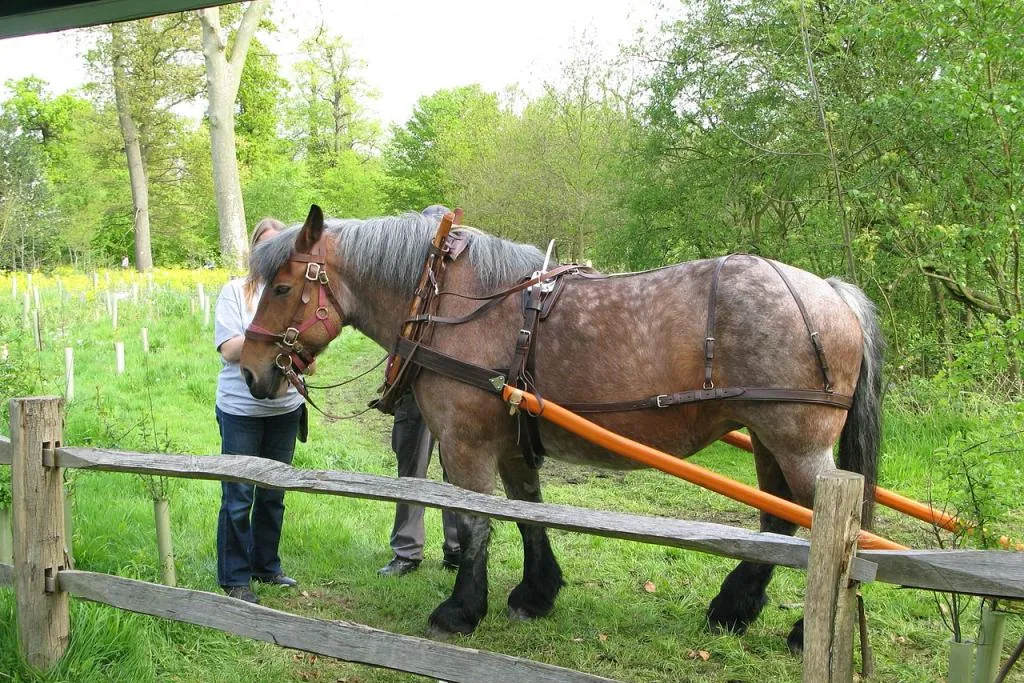
- Start on the ground. Leading, yielding the shoulder and hindquarters, and standing tied safely will protect both horse and handler.
- Teach whoa as a real behaviour. With heavy horses, stopping is a trained skill, not a default.
- Check tack fit early. Broad shoulders and thick necks can make near-enough harness or saddles rub quickly.
Health and Lifespan
The Ardennes is often described as hardy, but hardy does not mean low-maintenance and no breed is free of health issues. Large draught horses can be vulnerable to problems linked to weight, feeding, and management, including hoof imbalance, skin issues under heavy hair, and metabolic trouble if they are overfed rich pasture. Routine veterinary and farrier care still does most of the heavy lifting.6
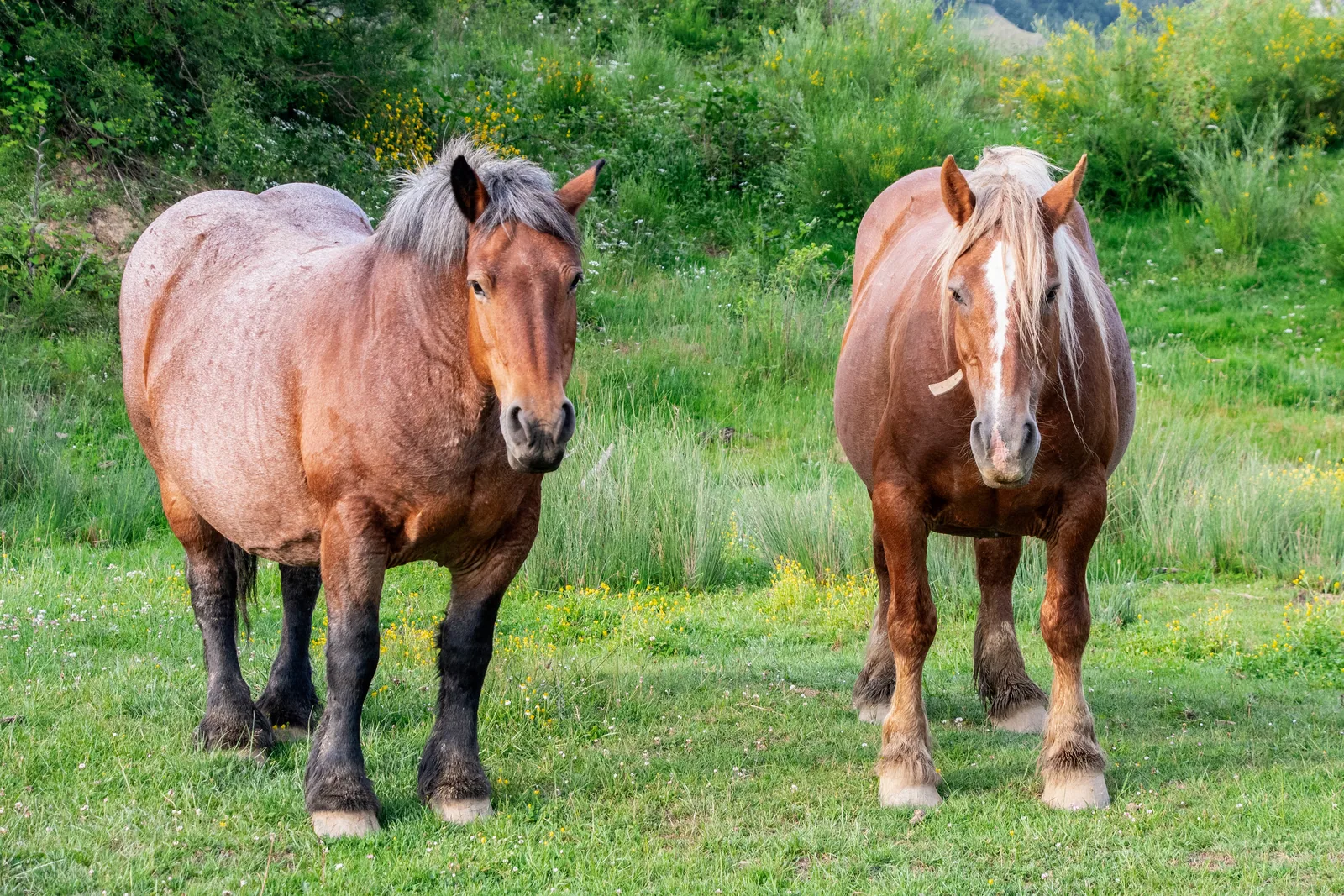
The basic care pillars are:
- Hoof care: regular trims and shoeing to keep the foot balanced under a heavy body.
- Dental care: routine checks to keep chewing efficient.
- Vaccinations and biosecurity: set a program with a veterinarian appropriate to your region and the horse's travel and workload.
Lifespan is often quoted at around 30 years, but that figure depends heavily on workload, nutrition, hoof care, and how well any chronic disease is managed.6
Diet and Nutrition
Feeding a draught horse is a balancing act. The Ardennes carries a lot of mass and needs enough energy to fuel real work, but it can also run into metabolic trouble on rich pasture if it is overfed. Match the ration to the actual workload rather than the size of the horse, keep an eye on body condition, and work with a veterinarian if weight or metabolic signs start to shift.6
Australian Note: Hendra Virus Risk Management
If you are keeping any horse in Australia, draught or otherwise, Hendra virus is part of the background risk in affected areas. Queensland authorities emphasise practical steps like covering feed and water, keeping horses away from flowering or fruiting trees that attract flying foxes, and talking with your vet about vaccination. Even vaccinated horses should be handled with appropriate precautions if infection is suspected, because no vaccine offers absolute protection.8, 9
A Few Things Worth Knowing
- Specific competition claims need verifiable records to be reliable. Examples previously listed for this breed, such as Cabriole and Granit winning Belgian national titles in the early 2000s, are not supported here by reputable, traceable sources, so they have been left out. For a notable-horses section, use competition databases, stud-book announcements, or national federation records, and cite them directly.
- It is fair to call the Ardennes uncommon in many countries, but at-risk labels depend on the exact population, registry, and region being discussed. Some organisations track risk for specific national breeds, while others track native UK breeds only, so a single statement like classified at risk by RBST can easily be wrong for a continental European breed.10
- The most useful way to gauge the breed's health is to check the relevant stud-book and national breeding organisations in your country, then look at foal registrations over time. That tells you whether numbers are rising, steady, or thinning.
The Bottom Line
The Ardennes is a calm, powerful, genuinely useful draught horse for the right owner, someone with the space, feed, hoof care, and handling experience to match its size. Its temperament makes it forgiving to work with, but its mass means it is never a casual pet. Get the paperwork, the facilities, and the veterinary and farrier routine in place, and it is a steady, hard-working companion for decades.
References
- Encyclopaedia Britannica: Ardennes (region)
- PetMD: Ardennais (Ardennes) Horse Breed
- Union des Éleveurs de Chevaux de la Race Ardennaise (France): Le Cheval de Trait Ardennais (breed standards)
- Chevaux du Monde: Ardennais (Trait) breed profile
- Classequine: Ardennais (morphology, size, colours)
- PetMD: Ardennais, care and lifespan notes
- PetMD: French Ardennais (uses and history overview)
- Queensland Government (Health): Hendra virus infection
- Business Queensland: Hendra virus vaccine for horses
- Rare Breeds Survival Trust (UK): Watchlist (scope is UK native breeds)

Dog lover and writer at My Pets Australia, sharing practical breed guides and care advice for Australian pet owners.