Appenzell Mountain Dog (Appenzeller)
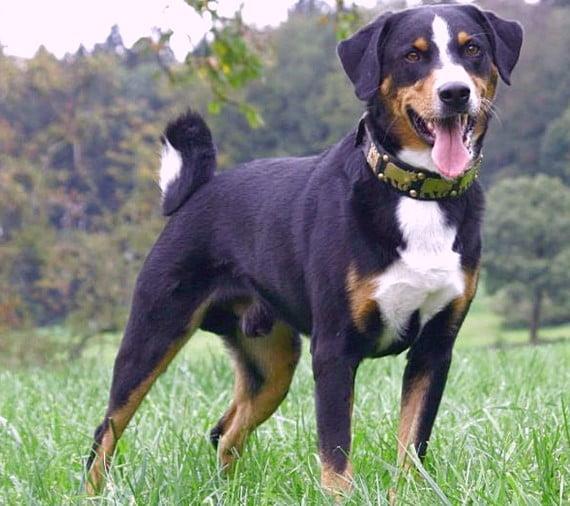
The Appenzell Mountain Dog, also called the Appenzeller Sennenhund or Appenzell Cattle Dog, is a medium-sized Swiss farm breed built for movement, weather, and quick decisions. It is alert, athletic, and genuinely clever, the kind of dog that keeps pace with a busy day and enjoys having a job to do. Owners who train it well get a bright, capable companion with real staying power. It is also a serious commitment. Give an Appenzeller too little to do and it will invent its own work, often loudly.
History and Origin
The Appenzeller comes from north-eastern Switzerland, where it was developed as an all-purpose farm dog: moving stock, guarding property, and keeping up with work that rarely stayed still. It belongs to the Swiss mountain dog family and is recognised by the Fédération Cynologique Internationale (FCI), which lists Switzerland as the country of origin.1
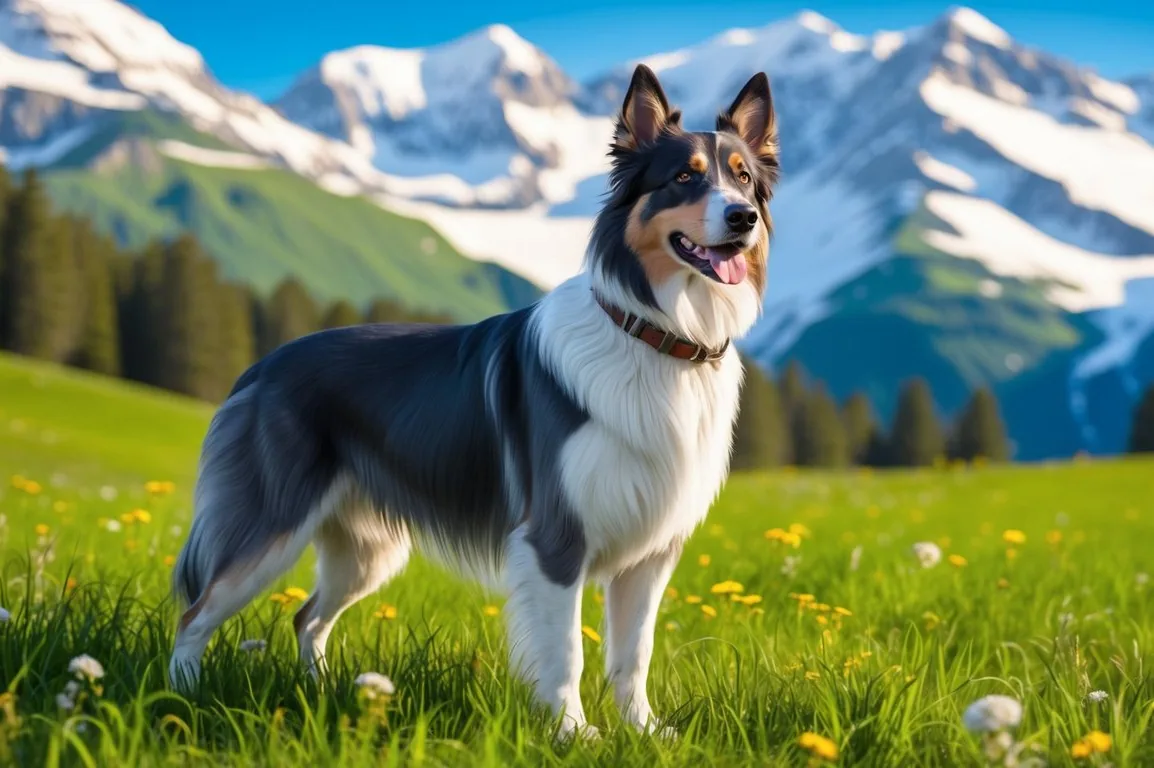
Outside Europe the breed remains uncommon. In the United States, for example, it is still in the American Kennel Club's Foundation Stock Service and Miscellaneous pipeline rather than full AKC recognition, which reflects how rare it is there.2
Appearance and Physical Characteristics
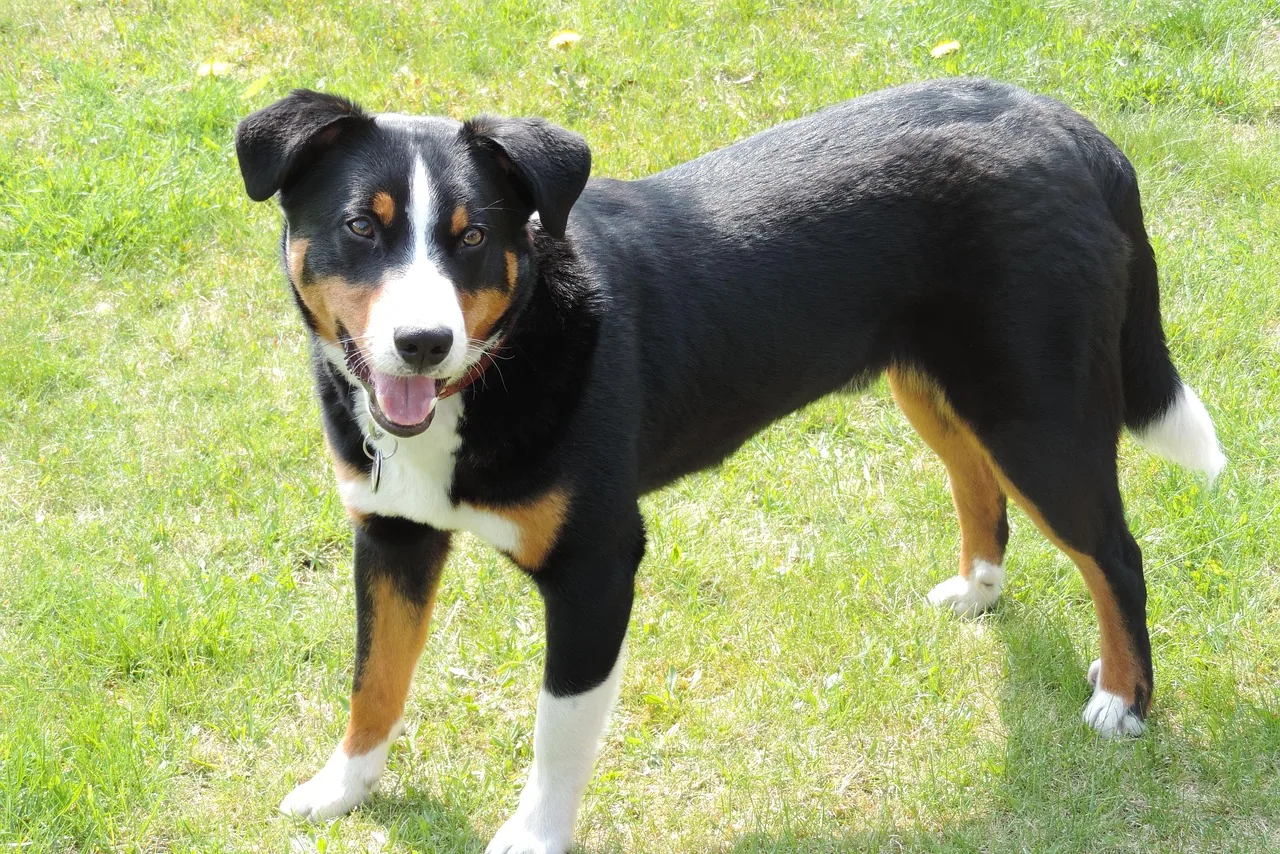
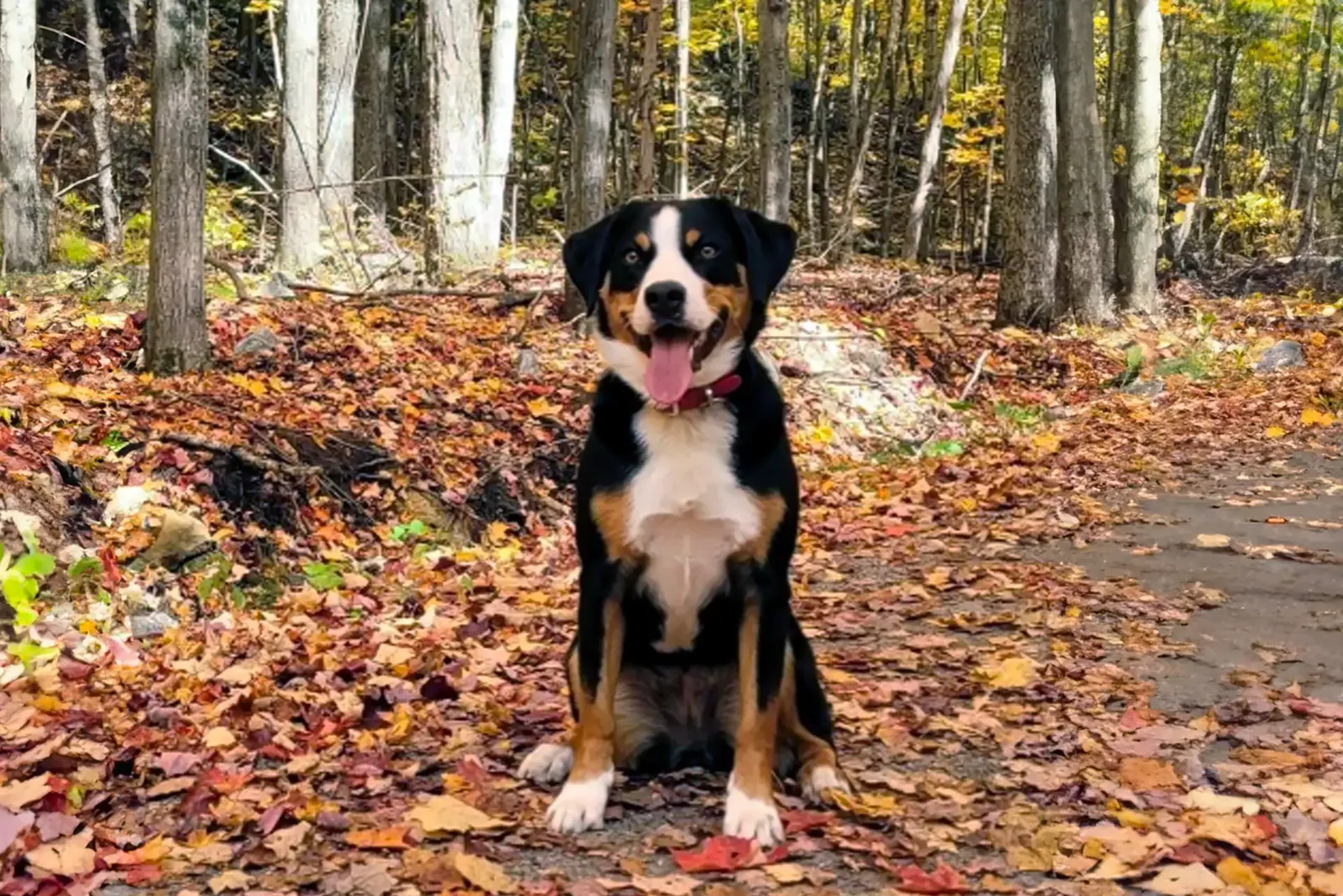
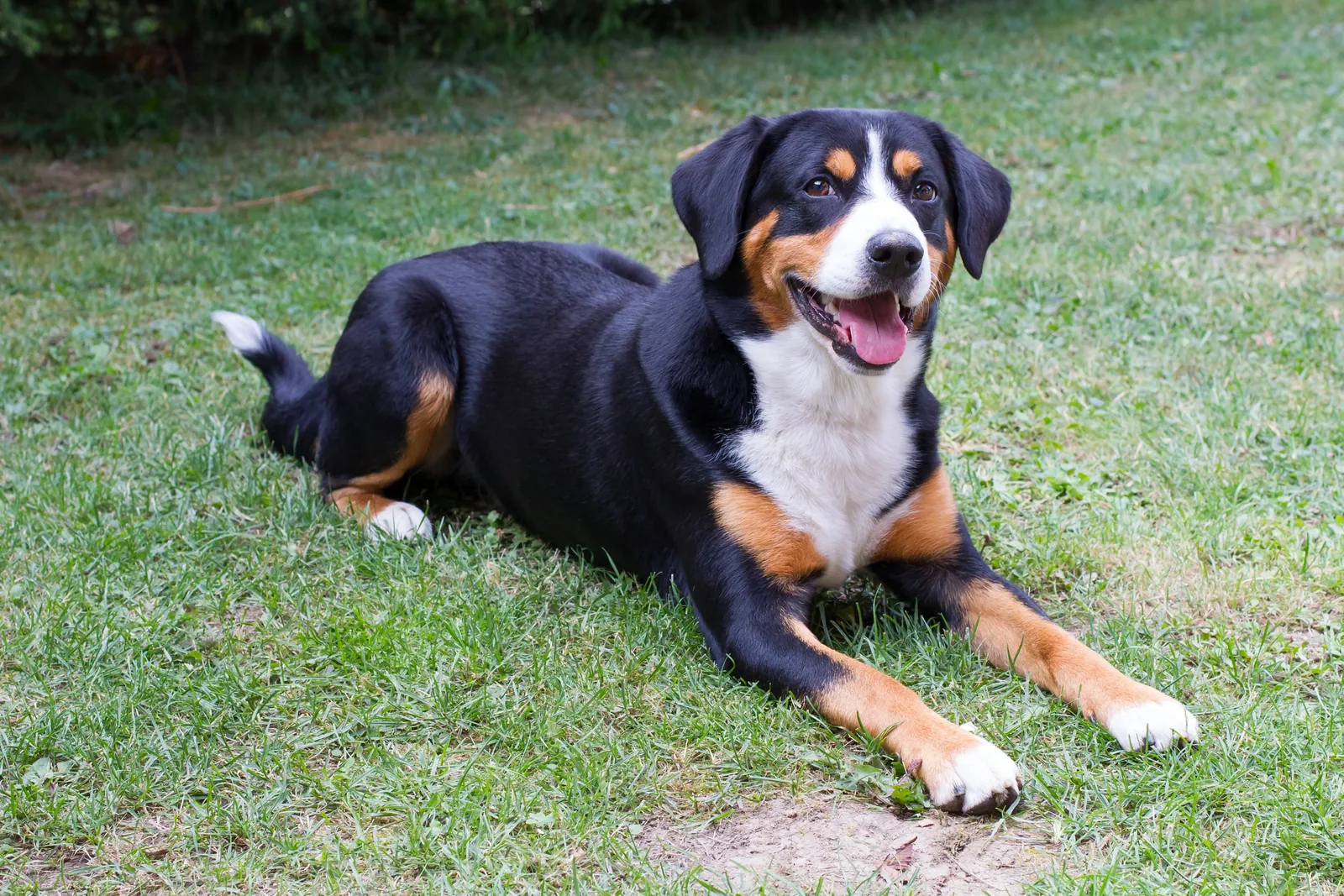
The Appenzeller is a squarely built, medium dog with a springy, capable gait that reads as practical rather than ornate. Its double coat, a short dense undercoat under a harsher outer coat, helps it cope with cold and wet conditions. The look most people recognise is tricolour, black with tan and white markings that stand out sharply against the dark coat.
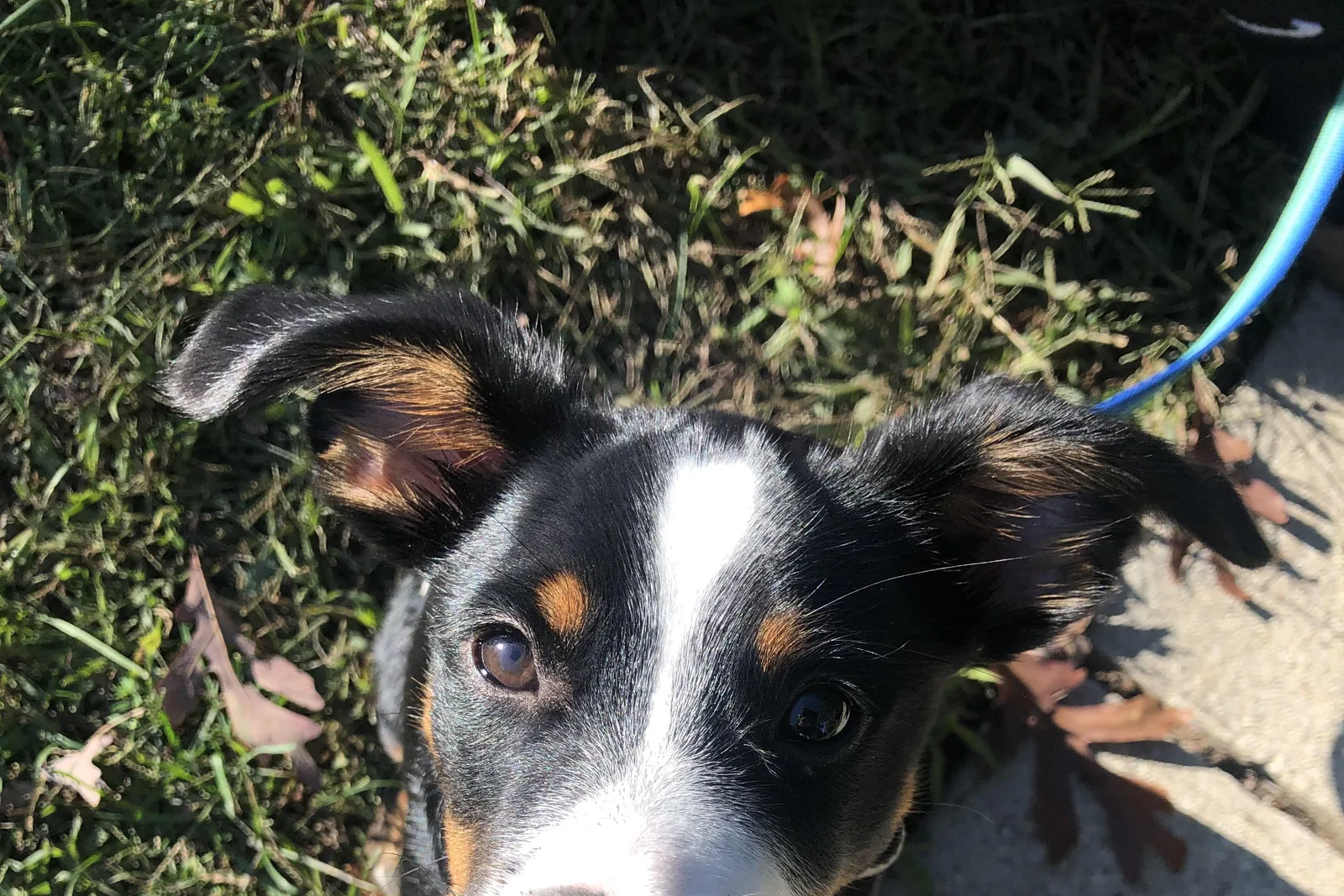
One point worth correcting: the tail is not usually docked. Tail docking is restricted or prohibited in many places, and modern breed presentation commonly keeps a natural tail. If you see docking described as standard, treat it as outdated or location dependent rather than a breed-wide rule.6
Temperament and Personality
This is an intelligent, alert working dog. Many Appenzellers are naturally watchful and can be vocal, traits that make sense on a farm where noticing things early is part of the job. In a suburban setting those same traits need channelling through training, calm routines, and enough daily activity to take the edge off.
They bond deeply with their people, but they are not a couch-first breed. Without enough to do, an Appenzeller may default to patrolling the fence line, barking at movement, or rehearsing herding behaviours such as circling and chasing.
Is an Appenzeller Right for You?
In the right household, active, consistent, and willing to train, an Appenzeller can be a steady family companion. For a low-activity home, honestly, it is the wrong dog. This breed needs daily exercise and daily learning, and it does not do well as an afterthought.
With children the key is supervision and teaching both sides: kids learn respectful handling, and the dog learns calm manners around fast movement and noise. With other pets, early introductions and ongoing management matter. Herding-type behaviours such as staring, circling, and chasing are not bad behaviour so much as unshaped instinct. They can often be redirected, but they rarely disappear on their own.
Training and Exercise
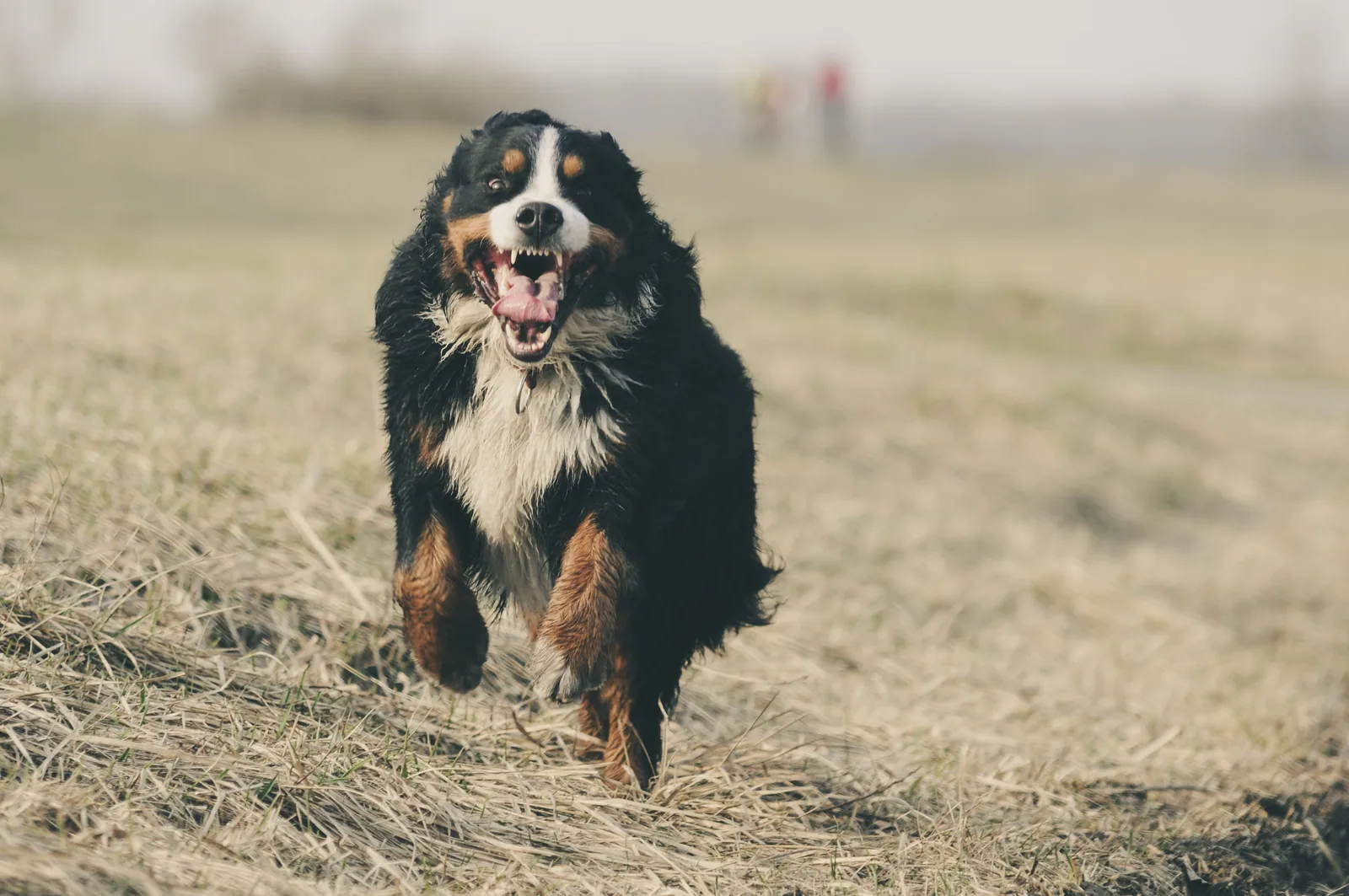
Appenzellers do best with daily movement and daily learning together. Long walks help, but the breed often thrives on structured work: obedience, scent games, agility foundations, or safe herding-style outlets where appropriate. Reward-based training suits a smart, driven dog because it builds clarity without conflict. The RSPCA supports reward-based training using positive reinforcement, rewarding the behaviours you want and avoiding punishment-based techniques that can increase fear and stress.3
Practical training focus areas
- Recall and impulse control: critical if the dog is quick to chase motion.
- Calm greeting skills: teach four paws on the ground early and often.3
- Noise management: reward quiet, build a reliable "settle", and reduce trigger rehearsal at windows, fences, and the front gate.
- Early socialisation done gently: pair new experiences with good outcomes and do not force interactions.4
The working roots show up as stamina, speed, and an instinct to control movement. In town that means the dog may try to manage joggers, bikes, running children, or visiting dogs unless you teach alternatives and provide appropriate outlets. If you want a natural guard dog, remember that watchfulness without training can become nuisance barking or reactivity. The more reliable path is calm management: teach the dog what to do when the doorbell rings, when someone approaches the fence, and when excitement spikes.
Health and Lifespan
It is tempting to call any farm-bred dog "generally healthy", but no breed is exempt from inherited and complex conditions. What matters is how breeders test, how puppies are raised, and how adult dogs are managed.
Orthopaedic problems such as hip and elbow dysplasia are widely recognised concerns across many medium-to-large active breeds. Screening schemes help breeders reduce risk by selecting dogs with better results and by weighing family history rather than a single score in isolation.5
Eye disease is another broad category owners will see mentioned in breed discussions. Progressive retinal atrophy (PRA) is not a single disease but a group of inherited retinal degenerations, and many DNA tests are variant and breed specific. The practical takeaway is simple: ask what eye testing has been done, by examination or DNA where relevant, and keep routine veterinary checks consistent across the dog's life.7
Everyday care that supports long-term soundness
- Condition and muscle: keep the dog lean and fit, and avoid large weight swings.
- Age-appropriate exercise: build impact gradually in young dogs and avoid repetitive hard pounding until growth plates are mature (your vet can guide you).
- Regular veterinary checks: especially if lameness, stiffness, or eye changes appear.
Grooming and Care
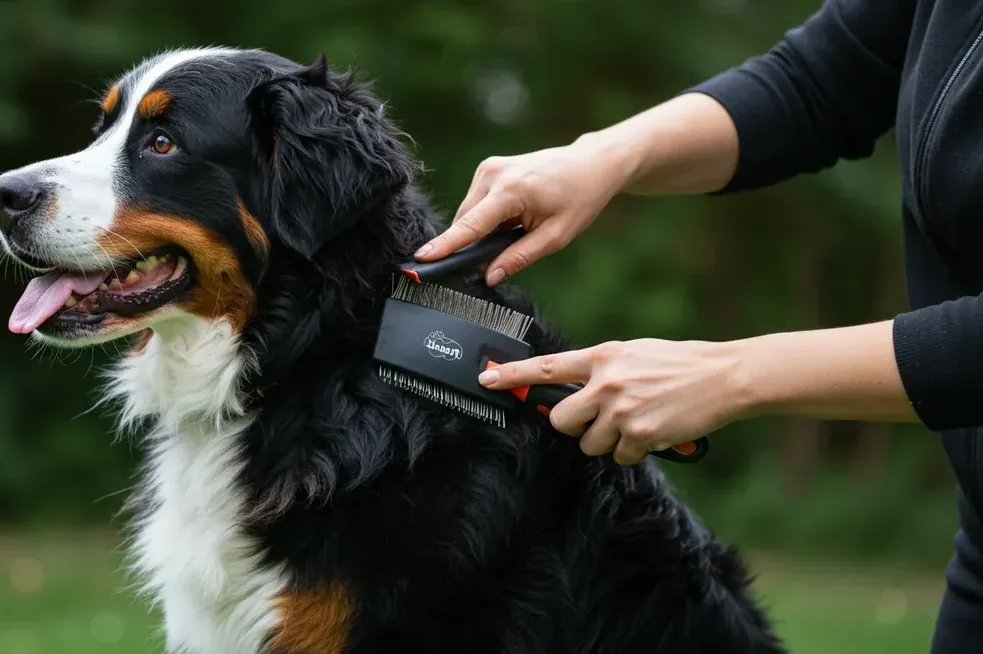
The coat is designed to be practical. Weekly brushing usually keeps shedding manageable and helps you spot burrs, ticks, or skin irritation early. During seasonal shedding, brushing often needs to step up for the dog's comfort and the household's sanity. Bathing is occasional rather than constant. Over-washing strips oils and can leave the coat dull or the skin dry, so a simple rinse and brush is often enough after muddy adventures.
The Bottom Line
The Appenzell Mountain Dog is a capable, bright working breed in a medium frame, often striking and often intense, and rarely suited to a low-activity life. If you can offer daily exercise, training that rewards the right choices, and a calm structure at home, the breed can settle into family life without losing the sharp, lively edge that made it useful in the first place.3
References
- Fédération Cynologique Internationale (FCI), Appenzeller Sennenhund (Appenzell Cattle Dog), breed listing
- American Kennel Club (AKC), Miscellaneous Class (includes Appenzeller Sennenhund)
- RSPCA Australia Knowledgebase, Reward-based dog training and positive reinforcement
- RSPCA Australia Knowledgebase, How to socialise a puppy (reward-based, choice-based approach)
- The Kennel Club (UK), Hip dysplasia screening scheme (breeding advice and interpretation)
- RSPCA Australia Knowledgebase, Dogs (animal welfare guidance hub)
- UC Davis Veterinary Genetics Laboratory, Progressive Rod-Cone Degeneration (PRA-prcd) overview
- UC Davis Veterinary Genetics Laboratory, Progressive Retinal Atrophy (rcd4-PRA) overview
- American Kennel Club (AKC), Sennenhund breeds overview (includes Appenzeller background)

Dog lover and writer at My Pets Australia, sharing practical breed guides and care advice for Australian pet owners.