Anglo-Arabian horse - Anglo Arab
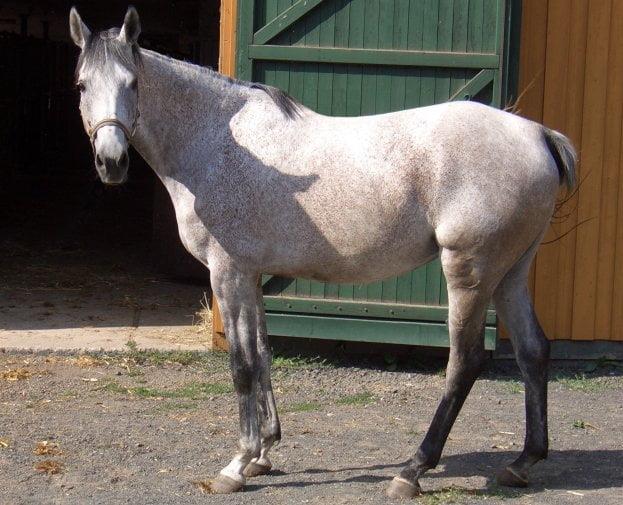
The Anglo-Arab is a sport horse bred from Arabian and Thoroughbred bloodlines, aiming to keep the Arabian's toughness and efficiency while adding the Thoroughbred's stride, speed and scope. The result is a light, athletic type that has long been prized for eventing, endurance and other sport that rewards stamina and careful jumping. It is also a sensitive horse. Anglo-Arabs are quick to read pressure and a busy environment, which makes them brilliant with a tidy, consistent rider and hard work for an unsteady one. This guide sticks to the real breed picture: origin, build, temperament, uses, and what day-to-day care looks like.
Size: 15 to 16 hands (commonly)3
Weight: around 450 to 550 kg3
Coat colour: commonly bay, chestnut or grey (other colours may occur, depending on registry rules)3
Temperament: generally intelligent, athletic, often sensitive and forward (varies with breeding and handling)3, 4
Life span: often 25 to 30 years (individual variation is normal)8
Typical uses: eventing, show jumping, dressage, endurance; also racing in some countries1, 2, 3
Distinguishing features: refined head, long neck, sloping shoulder, light frame with strong hindquarters (type varies with the percentage of Arabian vs Thoroughbred blood)3, 4
Origins: developed from Thoroughbred x Arabian breeding (and related lines) with formal breed development in France2, 3
Country of origin: France (for the recognised Anglo-Arab/Anglo-Arabe breed tradition)2, 3
History and Origin
Thoroughbred and Arabian crosses have been made in many places, but the Anglo-Arab as a recognised breeding tradition is closely tied to France and the French national stud system. Documented development accelerated through the 19th century, with formal breeding programmes and definitions emerging as the type proved useful for cavalry remounts and, later, sport and racing.2, 3
Registries vary by country, so what "counts" as an Anglo-Arab is a matter of studbook rules. A common threshold in recognised systems is a minimum of 25% Arabian blood for an Anglo-Arab classification, with separate categories used when the percentage drops below that (often described as "complementary" types).3, 5
Appearance and Physical Characteristics
The Anglo-Arab reads as a blood horse: a clean, refined head; a long, workable neck; a shoulder that tends to be sloped rather than upright; and a body that stays lighter through the middle than many warmbloods, with power collecting in the hindquarters.3
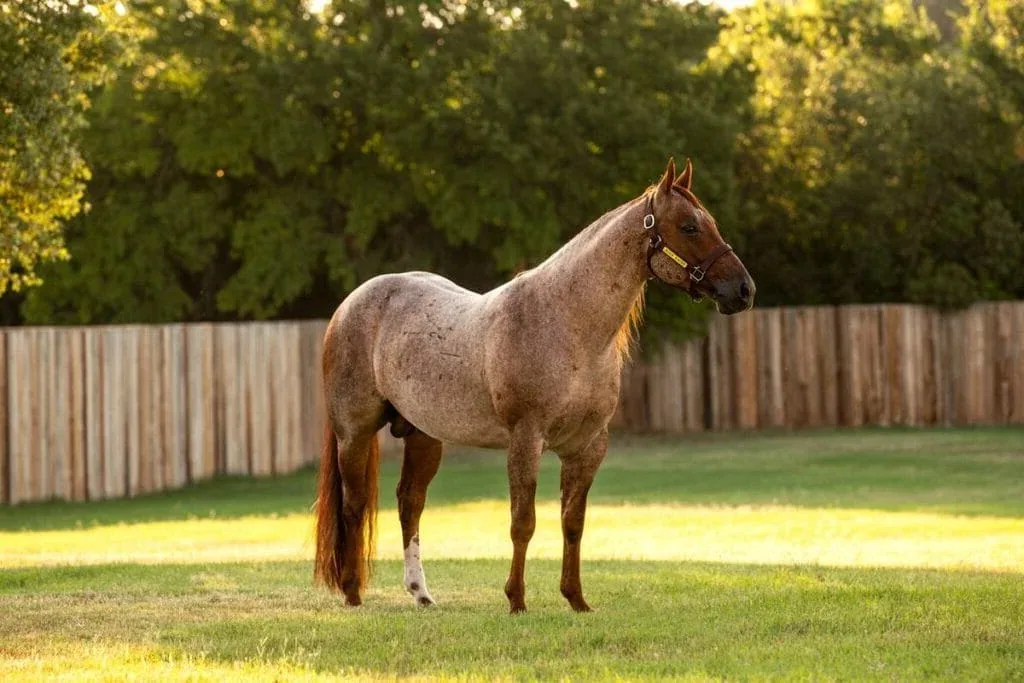
Type varies from one horse to the next. Some individuals look almost Thoroughbred, built for speed and reach. Others show more Arabian influence, often with a slightly shorter back and a more economical way of travelling. The percentage of Arabian blood is one reason you will see more than one shape called Anglo-Arab in the real world.3
Temperament and Personality
Anglo-Arabs are valued for mental quickness and athletic responsiveness. That same responsiveness can read as sensitivity: they may notice pressure, inconsistency and a busy environment sooner than a steadier, heavier type.3, 4

This does not make them unreliable. It means they tend to do best with quiet handling, clear repetition, and a rider who can keep their own aids tidy.
Is an Anglo-Arab Right for You?
The honest answer depends on your riding and handling skills. In a sensitive, athletic horse, small differences in type, height and early training can be the difference between a brilliant partner and a horse that feels like too much work. An Anglo-Arab rewards a rider who is consistent and calm, and it will amplify one who is not.

If your goal is eventing, endurance or another discipline that rewards stamina and scope, and you can offer steady, patient work, the breed suits you well. If you want a low-drama, forgiving first horse, a quieter and heavier type is usually the better fit.
Training and Exercise
Anglo-Arabs thrive when the basics are unhurried and consistent: straightness, rhythm, and a clear "go forward then soften" conversation. Push too much pressure too early and they may become tense in the body, rush fences, or feel sharp to ride, not because they are difficult, but because they are quick to learn patterns, including the unhelpful ones.

The breed's natural territory is sport that rewards stamina, balance and careful jumping. Anglo-Arabs have long been prominent in eventing and have also been used in show jumping and dressage, with separate racing streams in some regions.1, 3
- Eventing: often prized for endurance, agility and speed across country.3
- Show jumping: quick off the ground and careful when well produced (individual scope varies).3
- Endurance: many crosses and lines suit long-distance work, depending on conditioning and management.1
- Racing (some countries): dedicated Anglo-Arab racing exists in parts of Europe and nearby regions.3
Build fitness gradually, especially for eventing and endurance, where tendons and ligaments need time to adapt.
Health and Lifespan
An Anglo-Arab commonly lives 25 to 30 years, with normal individual variation.8 Longevity and soundness come down to ordinary horse care done well. Keep dental care, farriery, worm control and vaccination on schedule.8 Regular turnout supports soundness and steadier behaviour in most horses.
Diet and Nutrition
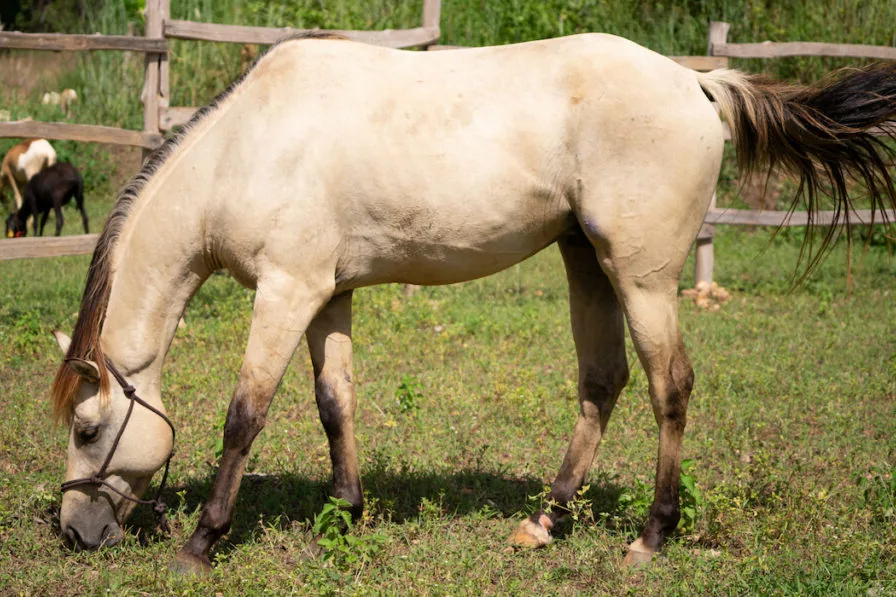
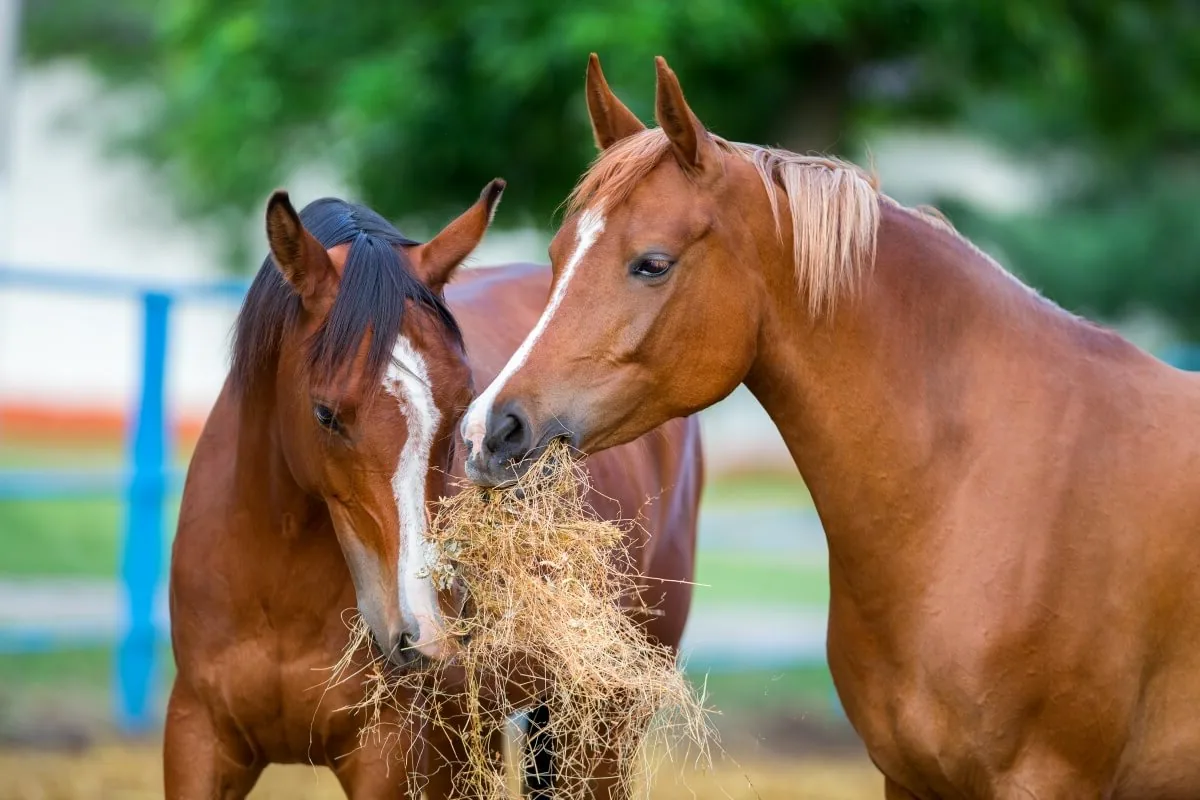
Start with forage first, then adjust concentrates to workload. Sudden diet changes are a common cause of digestive upset in any horse, so make feed changes gradually.7
A Few Things Worth Knowing

- The Anglo-Arab is not registered with the Australian Stock Horse Society. That society exists to preserve and promote the Australian Stock Horse breed, not to run an Anglo-Arab registry.6
- Registration depends entirely on the specific studbook's rules: required pedigree, minimum Arabian blood percentage, and how classifications below the threshold are recorded.5
- Popular lists of "famous Anglo-Arabians" often mix breeds. Furioso II, for example, is recorded as a Selle Francais stallion, not an Anglo-Arab.9 For genuine examples, check studbook records and FEI databases for horses recorded under the AA/Anglo-Arabe system.
- The best Anglo-Arabs are rarely accidental. They come from deliberate decisions about blood percentage, conformation and rideability.3, 5
The Bottom Line
The Anglo-Arab sits in the narrow band of horses built for sport: light, efficient and strong behind, with enough sensitivity to feel like a live wire in unsteady hands. In the right program they can be precise and brave, with the stamina to keep their shape late in a long day.1, 3, 4 If you are choosing one, treat the breed label as a starting point and look at the individual in front of you: how it recovers after work, how it eats and settles, and how it holds rhythm when the questions get harder.
References
- World Breeding Federation for Sport Horses (WBFSH), AA (Association Nationale de l'Anglo-Arabe) studbook profile
- Encyclopaedia Britannica, Anglo-Arab (horse breed)
- French Anglo-Arab (overview of breed history, type, and use)
- Agriculture Victoria, Horse handling and behaviour
- Legifrance, Arrete relatif au stud-book francais du cheval anglo-arabe (definition and percentage recording)
- Australian Stock Horse Society (ASHS), About the Society
- American Association of Equine Practitioners (AAEP), Colic (risk reduction and management)
- RSPCA Australia, Minimum welfare requirements for horses
- Furioso II (breed recorded as Selle Francais)

Dog lover and writer at My Pets Australia, sharing practical breed guides and care advice for Australian pet owners.