American Cocker Spaniel
The American Cocker Spaniel is a compact, bright little gundog with a soft expression, big dark eyes, and a genuinely lovely temperament: affectionate, people-oriented, and lively without being large. That combination is why they slot neatly into suburban homes and even apartments. The catch is the coat. Done well, life with a Cocker is steady and companionable; done casually, the same dog ends up matted, itchy, overweight, or fighting recurring ear infections. If you are happy to keep up the grooming and the ear checks, they make an easy, close companion.
History and Origin
The breed developed in the United States from spaniels brought over from the UK. American breeders gradually favoured a smaller, more compact dog with a shorter muzzle and a distinct head shape, and over time the American and English types diverged enough that kennel clubs began recognising them separately.4, 5
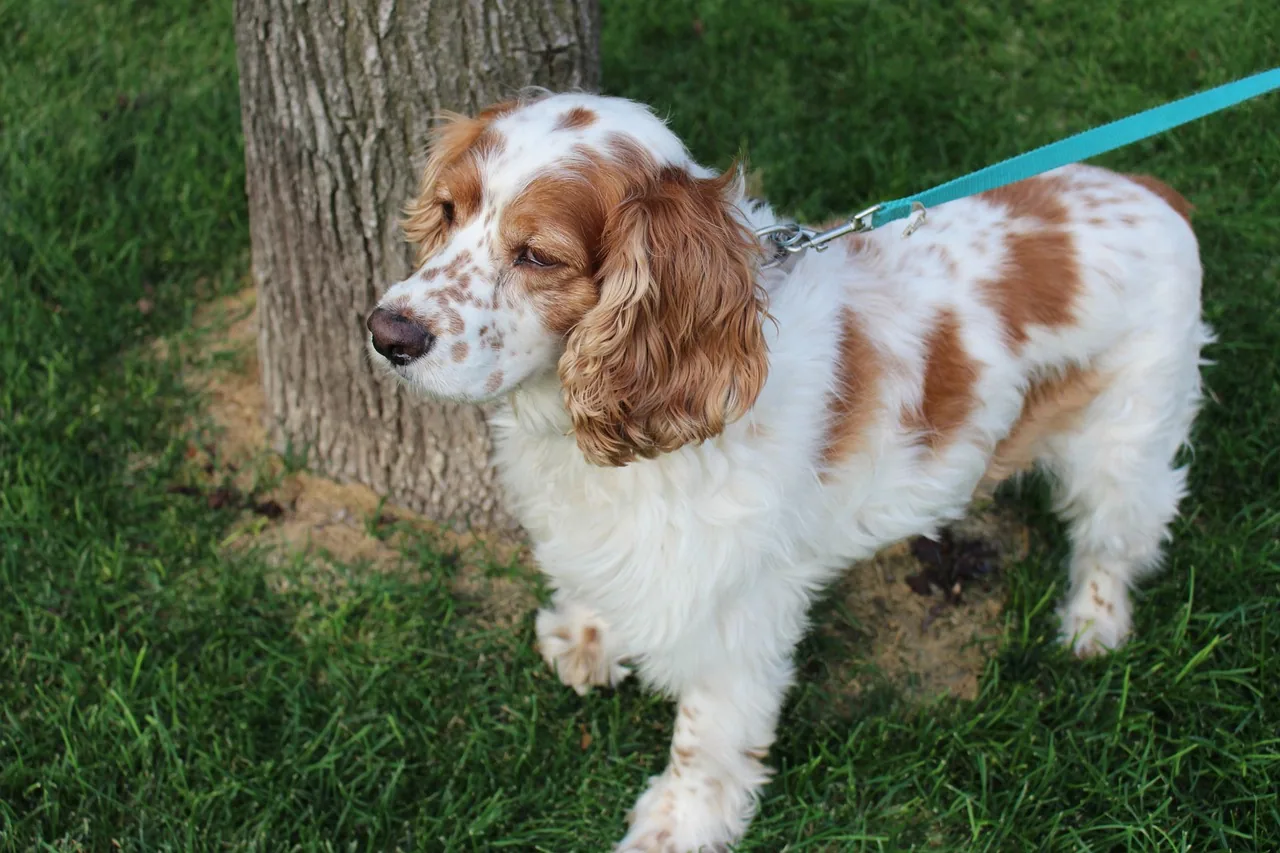
In the United States, "Cocker Spaniel" was among the earliest breeds recorded by the American Kennel Club, in 1878. The American Spaniel Club, closely tied to the breed's early history, was established in 1881.3, 6
Appearance and Physical Characteristics
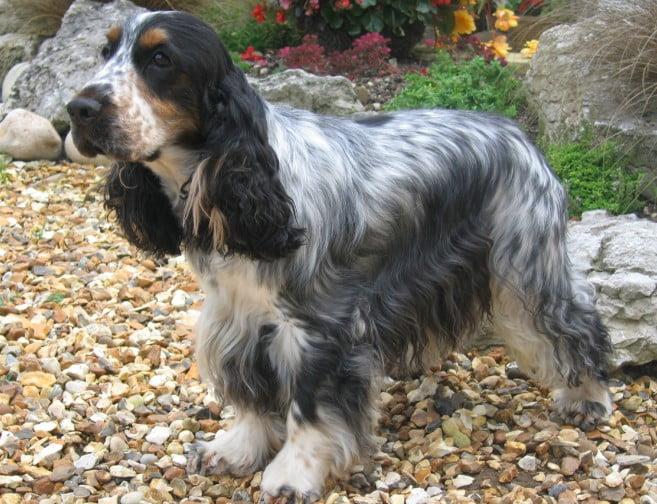
This is a dog built for moving through cover: a compact frame, a deep chest, and a coat designed to protect. The defining features are the long, low-set ears, the large dark eyes, and the profuse feathering on chest, belly, legs, and ears.1, 2
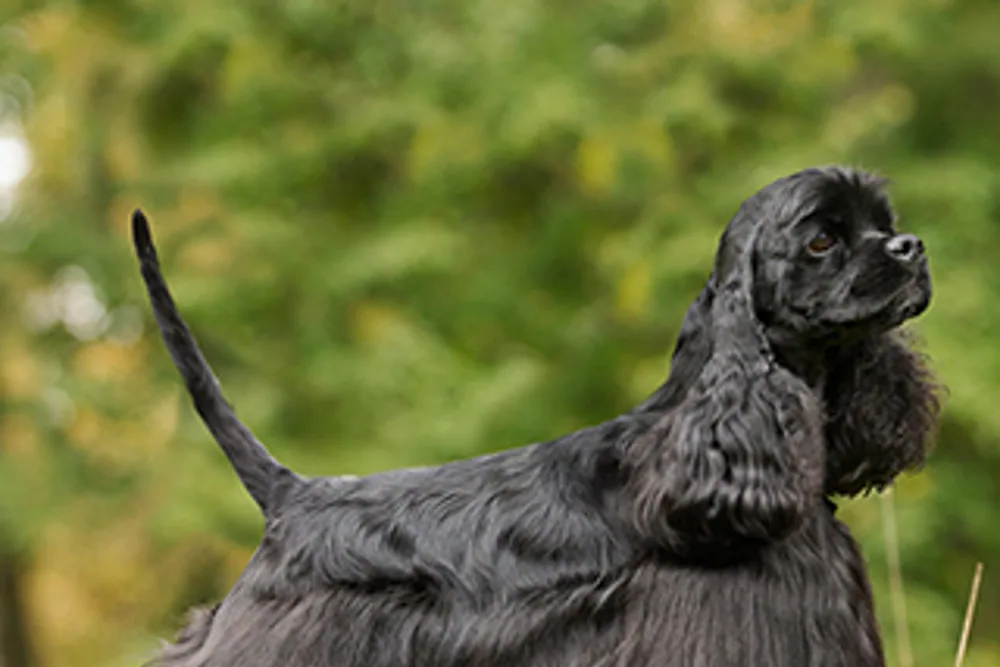
Height is tightly described in breed standards. In Australia, the Dogs NSW standard (aligned with ANKC/FCI style wording) sets ideal height at about 38.1 cm for males and 35.6 cm for females, with specific penalties and disqualifications outside the stated limits. Standards elsewhere land close to this, with males typically about 37 to 39 cm and females about 34 to 37 cm at the withers.1, 2
Temperament and Personality
Well-bred and well-raised American Cockers tend to be affectionate, alert, and responsive to their people. They generally want to be nearby rather than out in the yard alone, and they can be lively without needing a lot of space, which is why they suit many suburban and apartment households, provided they get daily outlets for movement and sniffing.7

They can be vocal, particularly if they are under-exercised or have learnt that barking reliably produces attention. Early training and calm routines usually make more difference here than simply being strict.
Is an American Cocker Spaniel Right for You?
The honest test is the coat and the ears, not the dog's nature. A Cocker is often a good match if you want a smaller, friendly, people-oriented dog, you are happy to commit to coat and ear maintenance, and you can provide daily walks and gentle training.

They are a poor match if you want a wash-and-wear coat with minimal grooming, if the dog will spend long stretches alone most days, or if the ongoing costs of grooming and potential ear or skin care do not fit your budget.
If you like the breed but would rather not buy a puppy, rescue can be a good pathway. Adult Cockers often arrive in care precisely because their grooming and training needs were underestimated. Before adopting, ask practical questions: how does the dog handle brushing, clippers, and being touched around the ears and feet; is there any history of recurrent ear disease or skin allergies; and what exercise routine has worked for the dog in foster care.
Training and Exercise
American Cocker Spaniels do best with daily walks plus small, frequent thinking tasks: scent games, short training sessions, and food puzzles. Many enjoy retrieving and basic agility, but they do not need marathon distances to be settled. Consistency matters more than intensity.7
Training is usually straightforward when it is reward-based and steady, so keep sessions short. Build habits early around calm greetings, gentle lead walking, and being comfortable with grooming, which means touching paws, brushing ears, and standing still on a mat.
Health and Lifespan
American Cockers commonly live around 10 to 14 years, with individuals varying by genetics, weight, and care. No breed is trouble-free, and prospective owners usually prepare for three broad themes: ear disease, eye disease, and weight management.

Ear canal inflammation, or otitis externa, is one of the most common reasons dogs are taken to the vet. Signs often include head shaking, scratching, pain, odour, redness, and discharge. Because the causes can include allergies, parasites, and secondary infections, recurring cases need proper diagnosis rather than guesswork drops.8 Longstanding or recurrent outer-ear disease can be linked with deeper infection in the middle or inner ear, which is one reason vets take chronic ears seriously.9
Cockers can also put on weight quietly, especially when exercise drops and treats creep up. In Australia, the RSPCA recommends practical prevention: portion awareness, daily exercise, and checking body condition with your vet rather than relying on the scales alone.11, 12
Grooming and Care
The coat is the make-or-break part of this breed. If you keep it long, assume regular brushing and combing right down to the skin, plus professional grooming on a schedule. Mats are not just cosmetic; they trap moisture and debris against the skin and can contribute to irritation and infection.
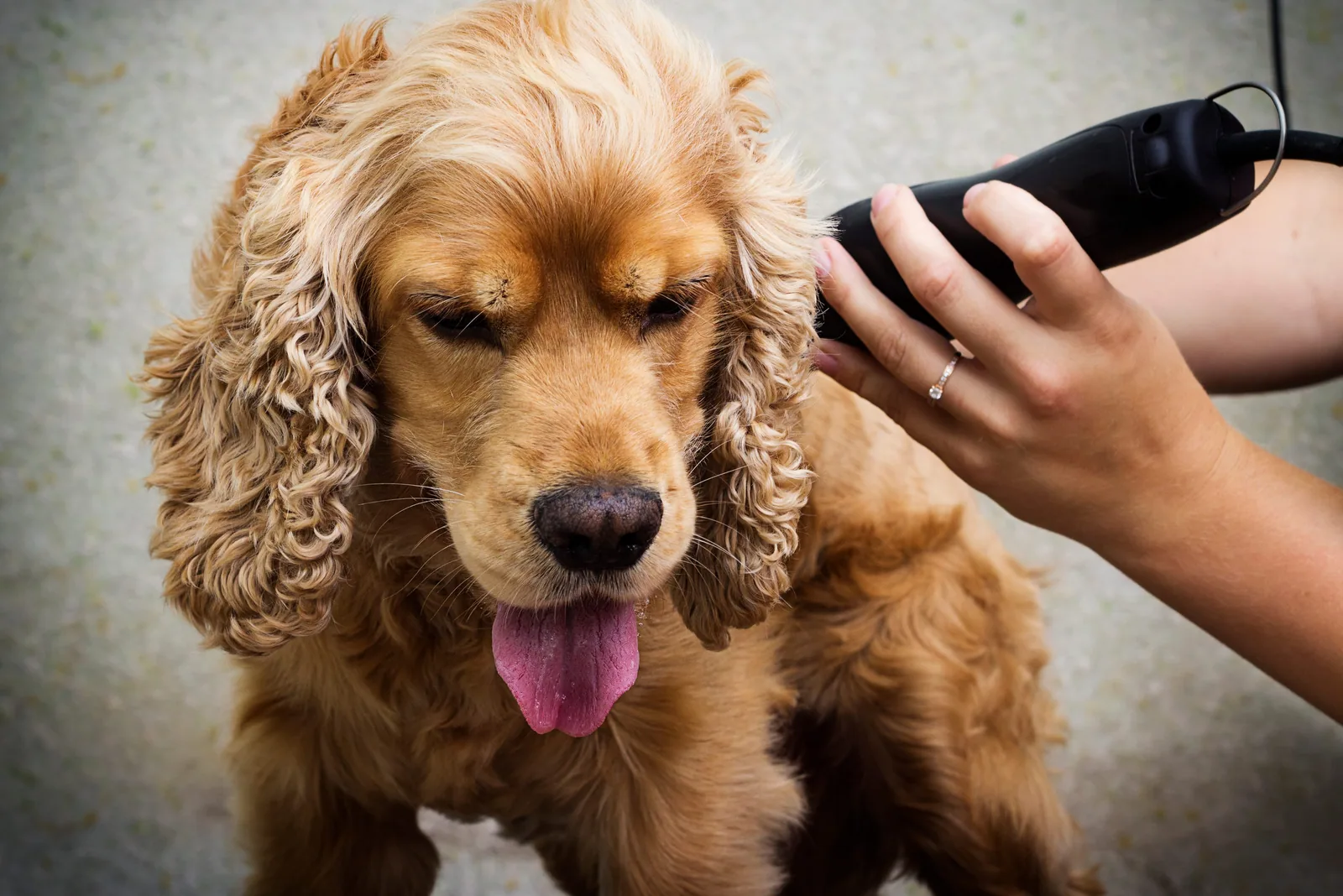
- Brushing and combing: several times a week, and daily during coat changes or if the coat is kept long.
- Feet, armpits, and behind the ears: check these high-friction zones for tangles.
- Ear checks: lift the ear leather and look and smell for early signs of trouble such as odour, redness, or greasy discharge. If your vet recommends cleaning, do it exactly as directed, because over-cleaning can also irritate.
- Dental care: aim for regular tooth brushing as part of routine husbandry.
When cleaning ears at home, avoid cotton buds, which can push debris deeper into the canal and cause injury.10
Diet and Nutrition
Feed to body condition rather than to habit. Because Cockers gain weight quietly once exercise drops and treats add up, portion awareness is the single most useful thing you can control at home. Check body condition with your vet regularly rather than relying on the scales alone, and keep treats as a small, deliberate part of the daily total.11, 12
A Few Things Worth Knowing
- Breed type: sporting (spaniel), country of origin the United States.
- Size: small to medium, with males typically about 37 to 39 cm and females about 34 to 37 cm at the withers.
- Exercise needs are moderate, but they come with a real need for daily mental work.
- Grooming needs are high if the coat is kept long, and ongoing ear and coat maintenance are non-negotiable.
- Typical lifespan is commonly around 10 to 14 years.
The Bottom Line
The American Cocker Spaniel is a compact, lively companion with a gentle presence in the house and a working dog's need for daily purpose. The coat and ears are the ongoing cost, not the temperament. If you can offer consistent grooming, kind training, and steady exercise, they tend to repay it with a close, easy partnership.
References
- Dogs NSW (ANKC): Cocker Spaniel (American) breed standard
- The Kennel Club (UK): Spaniel (American Cocker) breed standard
- American Spaniel Club (ASC): Official website
- American Spaniel Club: History of the Cocker Spaniel and the ASC
- Wikipedia: American Cocker Spaniel (overview and history)
- American Kennel Club (AKC): Breeds by year recognised
- The Spruce Pets: American Cocker Spaniel breed characteristics and care (overview)
- Merck Veterinary Manual (Professional): Otitis externa in animals
- Merck Veterinary Manual (Pet Owner): Otitis media and interna in dogs
- Merck Veterinary Manual (Pet Owner): Ear infections and otitis externa in dogs
- RSPCA Australia: 4 ways to avoid obesity in your dog
- RSPCA Knowledgebase: How do I tell if my dog is overweight?

Dog lover and writer at My Pets Australia, sharing practical breed guides and care advice for Australian pet owners.