Amazon Parrots
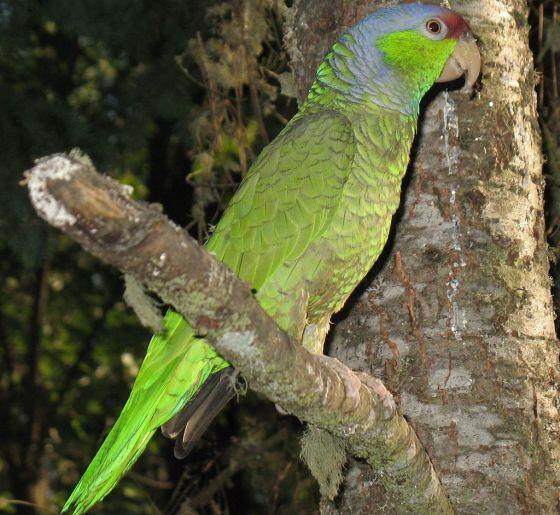
Amazon parrots are bright, chunky, long-lived parrots from the Amazona genus, mostly green with vivid flashes of yellow, blue or red depending on the species. At their best they are confident, characterful companions, and many are capable mimics of speech and household sounds. They are also loud, opinionated, and built to chew, so they suit a keeper who wants an involved bird rather than quiet decoration. A well-kept Amazon can share your life for decades, which is part of the appeal and part of the commitment. In Australia they are exotic birds with strict import rules, so start with the legal picture before anything else.
History and Origin
"Amazon parrot" is not one bird. It is a whole genus, Amazona, with many species, each with its own temperament, voice and tolerance for stress. Blue-fronted, double yellow-headed, yellow-naped, lilac-crowned and red-lored Amazons are among the better-known pet species, though availability varies by country and by local law. They are native to the Americas, occurring naturally across parts of Mexico, Central America, the Caribbean and South America. In trade and regulation, most Amazona species fall under CITES controls (often Appendix II), which is one reason paperwork matters when birds cross borders.7
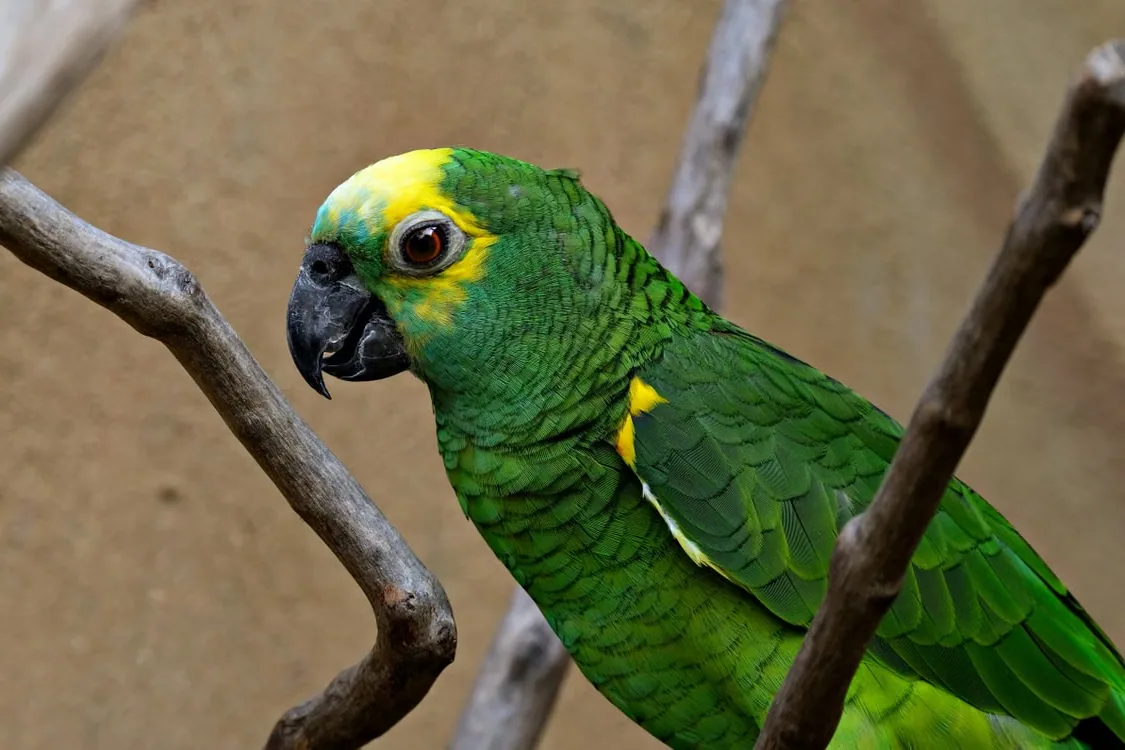
One common myth is worth correcting. Claims that wild Amazon parrots live in northern Australia are simply wrong. Any Amazons in Australia are captive birds or the occasional escapee, not native wildlife.
Appearance and Physical Characteristics
Most Amazons are compact, broad-headed parrots with strong beaks built for cracking nuts and shredding fibrous plant material. Plumage is typically green, with many species carrying bold patches of colour on the head and wings. Typical size runs about 25 to 40 cm and typical weight roughly 250 to 600 g, both varying by species.

That beak-and-body design has consequences indoors. These birds can snap cheap cage welds, destroy soft plastics, and turn untreated timber into splinters in an afternoon. A sturdy cage, safe chewables, and daily supervised out-of-cage time are basic requirements, not extras.
Temperament and Personality
Amazons are social, observant birds that notice patterns: who leaves, who returns, when the household gets loud, when the kitchen produces food. They often thrive on predictable routines and plenty of structured interaction, but they can also become overstimulated in busy homes where they never get a quiet, safe wind-down period. Good management is mostly prevention: enough sleep, enough enrichment, and enough space to move away from household traffic and triggers such as fumes, draughts and constant commotion.8, 9
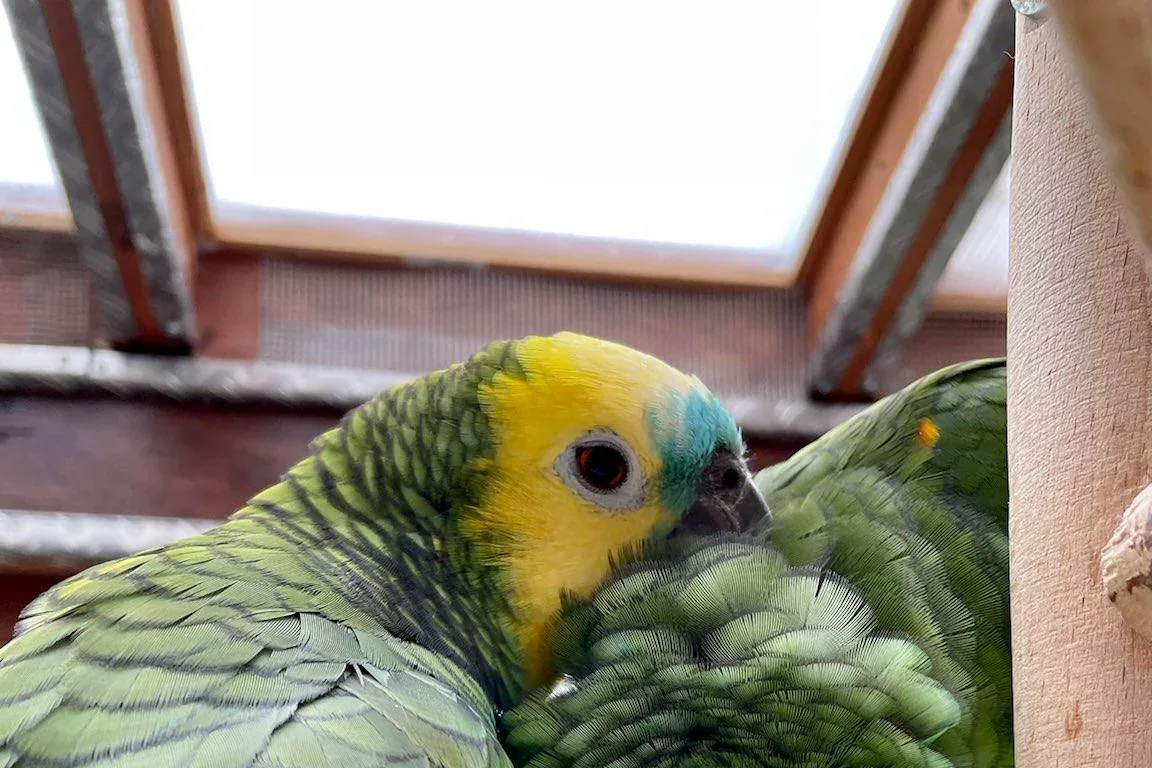
Many Amazon parrots can mimic sounds and human speech. Some become clear talkers, others prefer whistles, beeps and household noises. Speech tends to improve with calm repetition and positive reinforcement, but it is never guaranteed and should not be the main reason to choose one.
During breeding season, some Amazons become more defensive of a favourite person, perch, or cage area. That shift can look like sudden biting out of nowhere, but it usually follows subtle warning signals such as eye pinning, feather slicking, a low posture, or a stiff, forward-leaning stance. Respecting those early signs prevents most escalations.
Is an Amazon Parrot Right for You?
These are not easy birds. Noise is part of the package: assume regular loud calling, often at dawn and dusk, and plan for neighbours and anyone who works from home. They need daily out-of-cage time, training and enrichment, a strong and spacious cage, a quiet dark sleep period every night, and an avian-experienced vet lined up before problems start. They can live for decades, so plan for changes in work, housing and family life. If that sounds like more than you want to take on, an Amazon is not the right bird, and that is a fair conclusion to reach before you buy rather than after.

Care and Housing
Housing needs to survive a determined chewer. Provide a strong, spacious cage with safe perches and a rotating supply of chew and forage options so the bird has legitimate outlets for its beak. Site the cage away from kitchen fumes, draughts and constant foot traffic, and give the bird a quiet corner it can retreat to.
Sleep and routine do a lot of the behavioural heavy lifting. A quiet, dark period every night and a stable daily rhythm keep an Amazon settled and reduce the stress that feeds problem behaviours. Daily supervised time out of the cage is part of normal care, not a treat.
Diet and Nutrition
The most common feeding mistake is the obesity trap. In the wild, Amazons eat a changing mix of plant foods, including seeds, fruit, blossoms, buds and nuts, along with occasional animal matter. In captivity the usual problem is a diet that is too energy-dense, especially seed-heavy mixes, paired with too little exercise. Obesity in parrots is not just extra weight. It can feed into fatty liver disease, reduced stamina and poorer outcomes under anaesthetic, and many birds learn to beg for high-fat favourites while ignoring the healthier parts of the bowl.
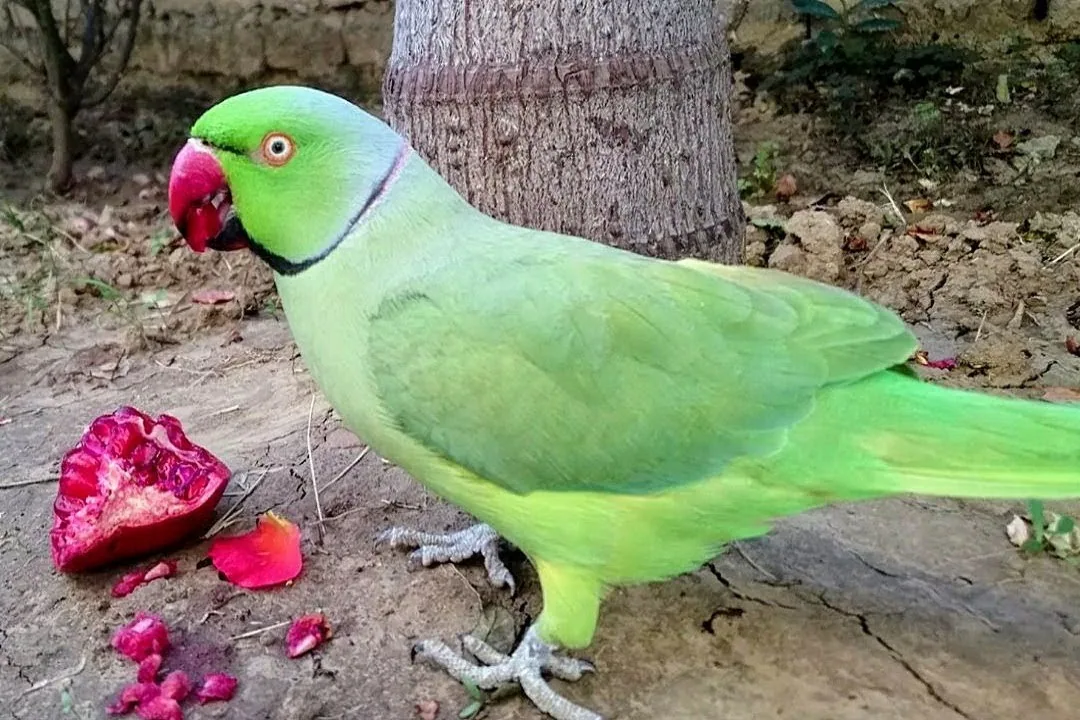
- Aim for balance: base the diet on a reputable formulated pellet, then add a wide range of vegetables and a smaller portion of fruit.
- Use nuts and seeds strategically: best kept for training and foraging, not as the main meal.
- Make them work for food: hide portions in foraging toys to mimic natural feeding and slow down intake.
Health and Lifespan
Amazons commonly live several decades, and some individuals reach 50 years or more with excellent care. A few health issues come up often enough to watch for.
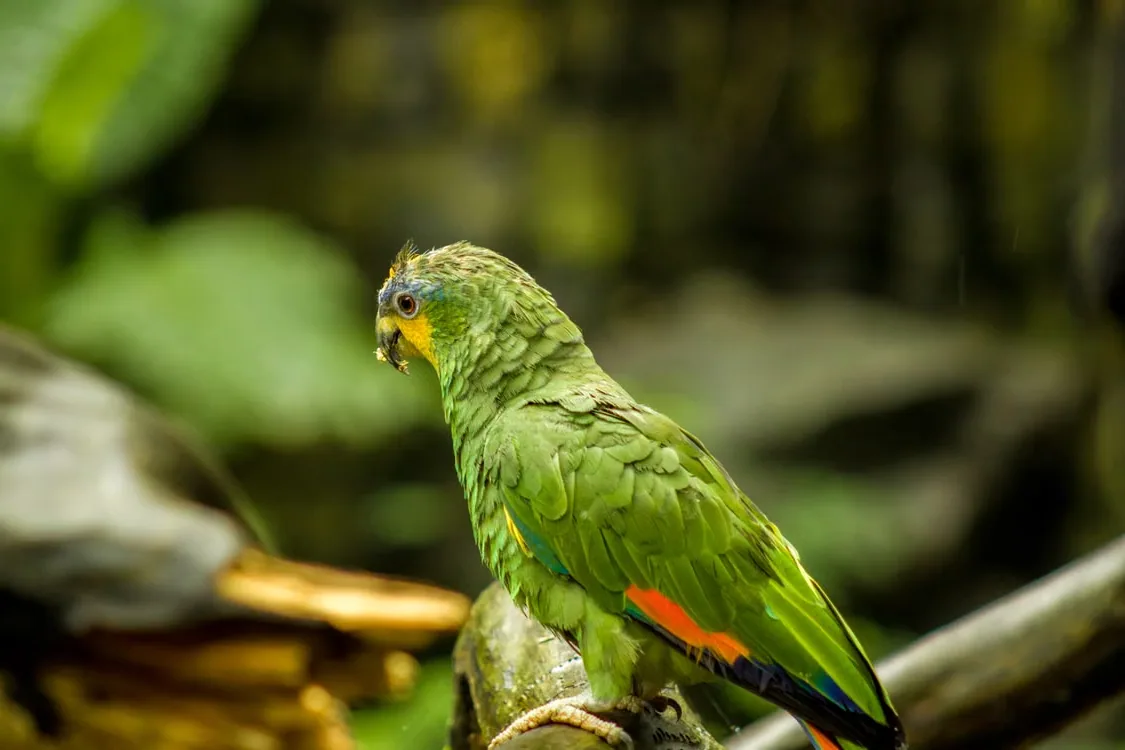
Obesity and related disease. If your Amazon is gaining weight, becoming reluctant to fly, or showing breathlessness with mild exertion, treat it as a prompt to review diet and activity. Weighing your bird regularly on a gram scale is one of the simplest early-warning tools.
Feather-damaging behaviour (often called feather plucking) can be driven by boredom, lack of sleep, social stress, skin disease, pain, or underlying medical conditions. It is rarely solved by a single trick. Start with a vet check, then rebuild daily enrichment, foraging, a steady light and sleep routine, and predictable handling.
Psittacosis is a zoonotic risk, meaning it can pass from birds to people. It is caused by Chlamydia psittaci, a bacterium that commonly infects birds. Birds can carry and shed it with vague signs or none, and people can be infected through exposure to respiratory secretions or dried droppings and dust.5, 6, 10 If anyone in the household develops flu-like illness or pneumonia symptoms after bird exposure, seek medical advice and mention the bird contact. If your parrot shows respiratory signs, diarrhoea, lethargy, or eye or nasal discharge, book an avian vet promptly and avoid close face contact until you have guidance.
Legal Considerations in Australia
Whether you can keep an Amazon parrot in Australia depends on import rules and on your state or territory law, so check before you commit. Amazon parrots are exotic, non-native birds here, and import rules are strict. The Australian Government's current guidance is that pet psittacine birds can only be imported from New Zealand under specific conditions, and you may need permits under both biosecurity law (DAFF) and environmental law (DCCEEW), with species eligibility tied to the Live Import List.1, 2, 3, 4
State and territory rules can also apply, including keeping permits, biosecurity requirements, animal welfare obligations, and nuisance or noise rules. Before buying or moving a bird across borders, confirm the requirements for your specific location and your bird's exact species with the relevant state authority.
Breeding and Reproduction
In the wild, many Amazon species form strong pair bonds and nest in tree hollows. Clutch size and incubation time vary by species, but a typical clutch is around 2 to 5 eggs, and incubation is often close to a month. In captivity, breeding should be left to experienced keepers with avian veterinary support. Unplanned breeding increases risks such as chronic egg-laying, egg binding, territorial aggression, and neglect when owners cannot meet the demands of chicks.
The Bottom Line
An Amazon parrot can be a brilliant, engaging companion for the right household, one that has the time, the space, the noise tolerance and the decades-long horizon to do it properly. It is also a serious commitment, both in daily care and in the legal steps needed to keep one in Australia. Sort out the import and state requirements first, plan honestly for the noise, the chewing and the vet access, and you will have a much better idea of whether this is your bird.
References
- Department of Agriculture, Fisheries and Forestry (Australia), Importing your pet bird
- Department of Agriculture, Fisheries and Forestry (Australia), Importing live animals and reproductive material
- DCCEEW (Australia), Live Import List
- DCCEEW (Australia), Do I need a permit? (Wildlife trade and CITES guidance)
- US CDC, Clinical Overview of Psittacosis (updated 18 Sept 2025)
- World Organisation for Animal Health (WOAH), Avian chlamydiosis
- CITES, Amazona amazonica listing (example of Appendix II status under Psittaciformes listing)
- RSPCA Australia, How to help your pet bird have a good life
- RSPCA Knowledgebase, Keeping birds entertained and enriched
- Merck Veterinary Manual, Avian chlamydiosis (psittacosis), professional overview

Dog lover and writer at My Pets Australia, sharing practical breed guides and care advice for Australian pet owners.