Alter Real Horse
The Alter Real is a baroque Iberian saddle horse bred for classical dressage and Haute Ecole work, and at its best it is one of the most rideable, adjustable horses you can sit on. It is not really a free-standing breed but a royal Portuguese lineage within the Lusitano tradition, centred on Portugal's historic state stud at Alter do Chao. The line is tightly managed, carefully recorded, and shaped as much by conservation breeding as by sport and ceremony, because numbers have been low at times. That management is exactly why buyers get confused: people meet conflicting claims about size, colour, and what "Alter Real" even means. If you are weighing one up, treat it as a pedigree and registry question, not just a look and feel one.1, 2
At a Glance
- Origin: Alter do Chao, Alentejo region, Portugal (Coudelaria de Alter, the Alter Stud Farm).1, 2
- Type: baroque, compact and athletic saddle horse used for classical riding and modern dressage.2, 3
- Typical height: commonly around the mid to high 15 hands range, with individual variation.3
- Colours: bay and brown are common, and other solid colours occur. Claims that the line is "distinctively white" are misleading. Greys exist, but the line is not defined by a white coat.1, 4
- Temperament: often described as forward and trainable, though suitability still comes down to the individual horse, its handling, and its schooling.4
What "Alter Real" Actually Means
"Alter Real" points to the royal breeding programme based at the Alter Stud Farm and to the horses produced under that line. It is closely tied to the Lusitano world and to classical Portuguese equestrian tradition, rather than being a separate breed with its own independent ecosystem.1, 2
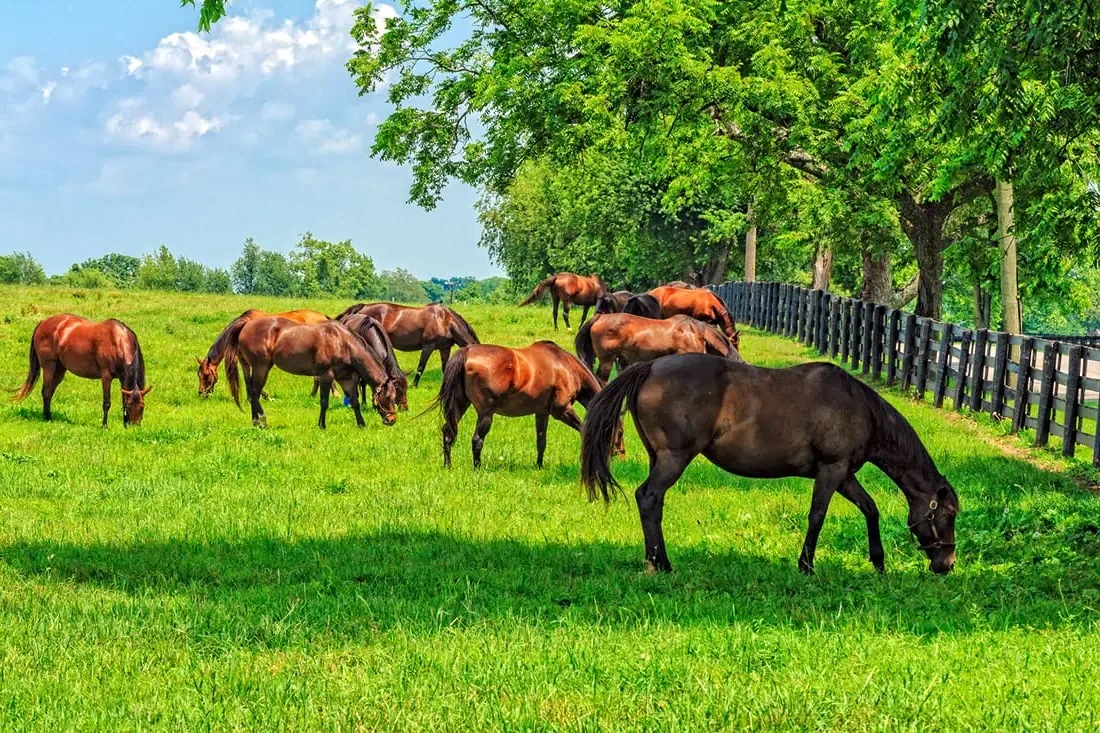
That distinction matters when you read an advertisement. Registration and identification run through the Portuguese Lusitano studbook framework (APSL), which has official processes for registration, documentation, and ownership changes. So a horse advertised as "Alter Real" is a claim you verify through paperwork, not through the shape of its neck.5, 6
History and Origin
The Alter Stud Farm was founded in 1748 under King Joao V, part of a broader policy to improve Portugal's saddle horse production and supply horses fit for Haute Ecole work rather than relying on imports. The site at Coutada do Arneiro, near Alter do Chao, became the physical and cultural centre of the line.2, 1
King Jose I is commonly credited with carrying through the installation and structuring of the stud, including early stock sourced largely from Spain in the form of Andalusian type mares. That reflects the shared Iberian tradition sitting behind both the Lusitano and Andalusian populations.2, 1
Through the 19th and early 20th centuries, shifting national priorities and administration disrupted the breeding goals. In the mid 20th century the restoration became explicit, and the programme rebuilt numbers from a small base. That detail still matters today whenever people discuss the line's genetic diversity and careful selection.1, 2
Appearance and Physical Characteristics
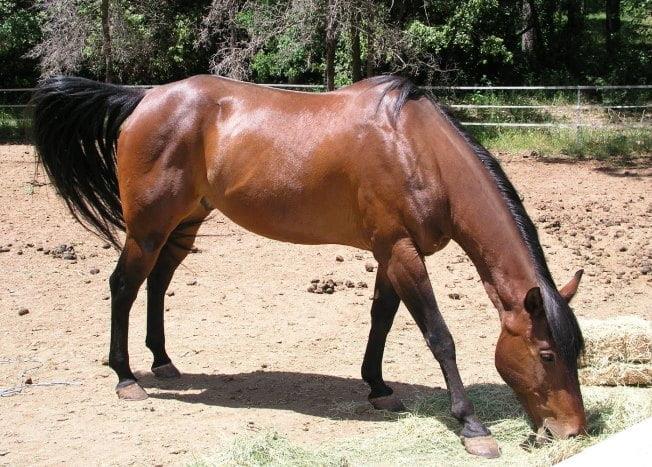
Alter Real horses are baroque in outline: a shorter, strong back, a deep body, powerful hindquarters, an arched and well set neck, and a proud, elevated way of going that suits collected work. They are built to sit, lift, and carry, which are useful traits for classical school movements and upper level dressage when the horse is correctly trained.3, 2

One number worth correcting: some summaries list weights of 800 to 900 kg, which is not realistic for a 15 to 16 hand Iberian saddle horse. Mature horses of this type more commonly sit in the several hundred kilogram range, often roughly 450 to 600 kg depending on height, bone, and condition, with individuals outside that band. Assess condition score and soundness rather than chasing a single breed weight figure.7
On coat colour, the line is not "distinctively white". Bay and brown have historically been common in the Alter nucleus, and while greys and darker colours occur, colour is not the defining feature. If someone sells a "white Alter Real" as a hallmark, ask for registration details instead of taking the colour as proof.1, 4
Temperament and Personality
The Alter Real is usually described as forward, sensitive, and trainable, the kind of horse that rewards a rider who enjoys fine tuning. Those same qualities mean it responds to tension as readily as it responds to good schooling, so the temperament you meet is heavily shaped by handling. Suitability is an individual question, not a guarantee stamped on the breed.4
Training and Exercise
Alter Real horses are strongly associated with classical schooling, work that rewards balance, sensitivity, and the ability to collect without tension. Those traits translate well into modern dressage, where the training scale is built patiently and the horse is allowed to develop strength over time.
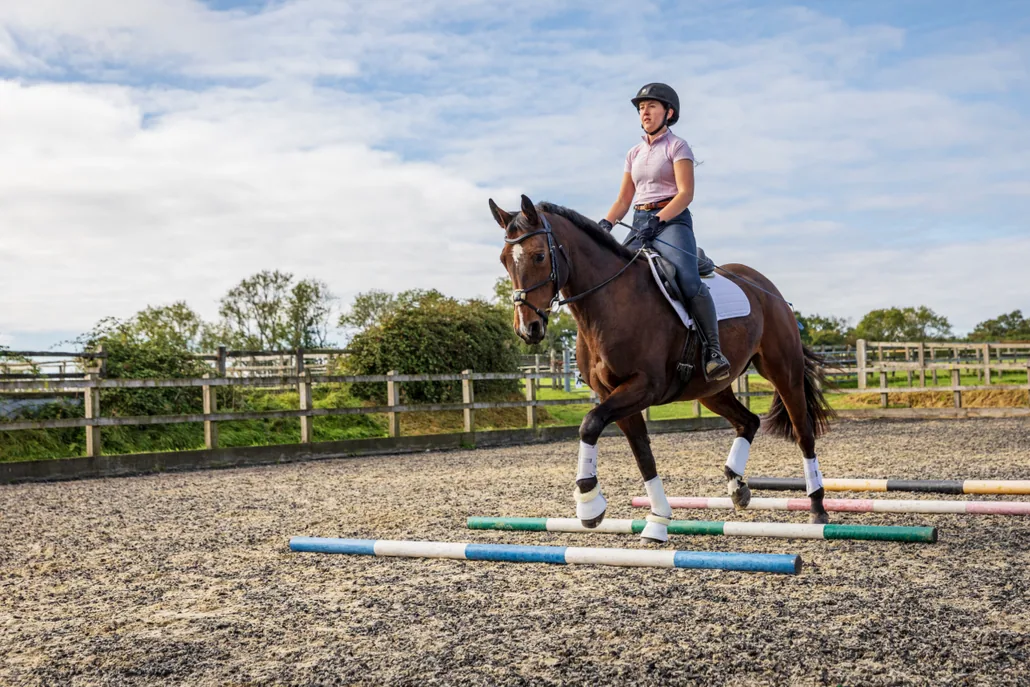
Think of the line as collection first. It is often at its best when the work asks for adjustability, careful placement of the feet, and an attentive response to the aids, rather than raw speed or long, flat galloping. Alter Reals can appear in jumping and eventing, but that compressed, sit and carry frame is where they shine.3
Is an Alter Real Right for You?
Start with fit for purpose rather than better or worse. If you want a horse that can sit, turn, and carry itself in a compressed frame through extended schooling, an Alter Real makes immediate sense. If your priority is big, ground covering strides at speed over distance, you are probably looking at a different type of horse altogether.
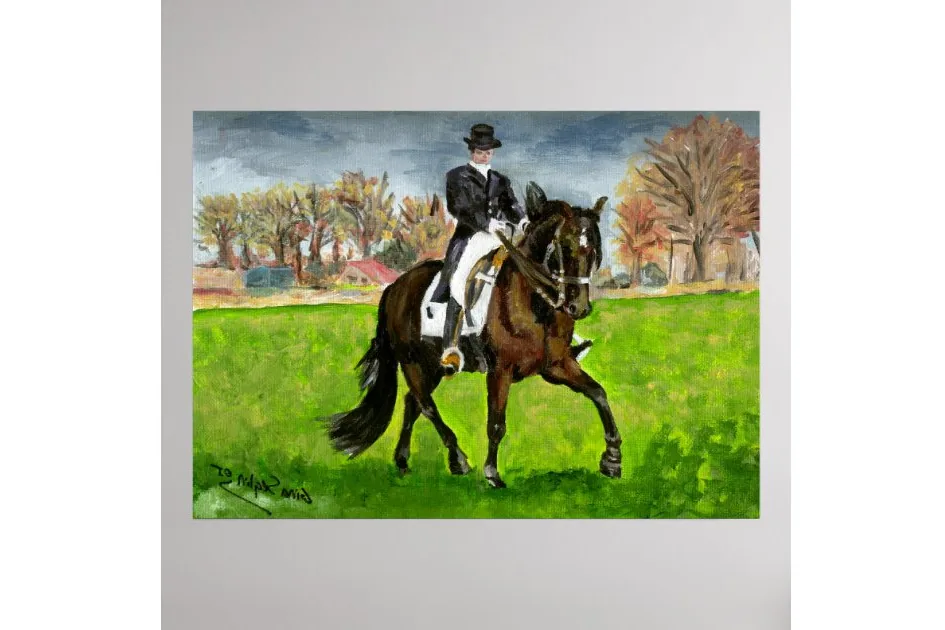
There is also the practical reality that this is a scarce, heritage line with strict recording. Sourcing a genuine one takes patience, and it is a serious commitment of money, time, and ongoing schooling to keep the horse working the way it is bred to. For a rider who enjoys classical work and does the homework on pedigree, it can be a genuinely rewarding match.
How to Verify an Alter Real
Because "Alter Real" is a registry claim, a few calm checks save a lot of trouble before money changes hands.
- Start with the horse's registered name and APSL identification details. Ask the seller for the documentation numbers, not just a stable name.5, 6
- Confirm the ownership trail. APSL, and in North America the US Lusitano Association, set out how ownership transfer is handled and what information is required.6, 8
- Be wary of proof by appearance. Colour, mane thickness, and a general Iberian look do not establish Alter Real lineage on their own.1, 4
Preservation and Outlook
The Alter Stud Farm's modern role is as a management and preservation centre for the line, carrying a public service responsibility for genetic heritage. That mission brings constraints: selection is deliberate, recordkeeping is strict, and numbers stay limited compared with broader sport horse populations.1, 2
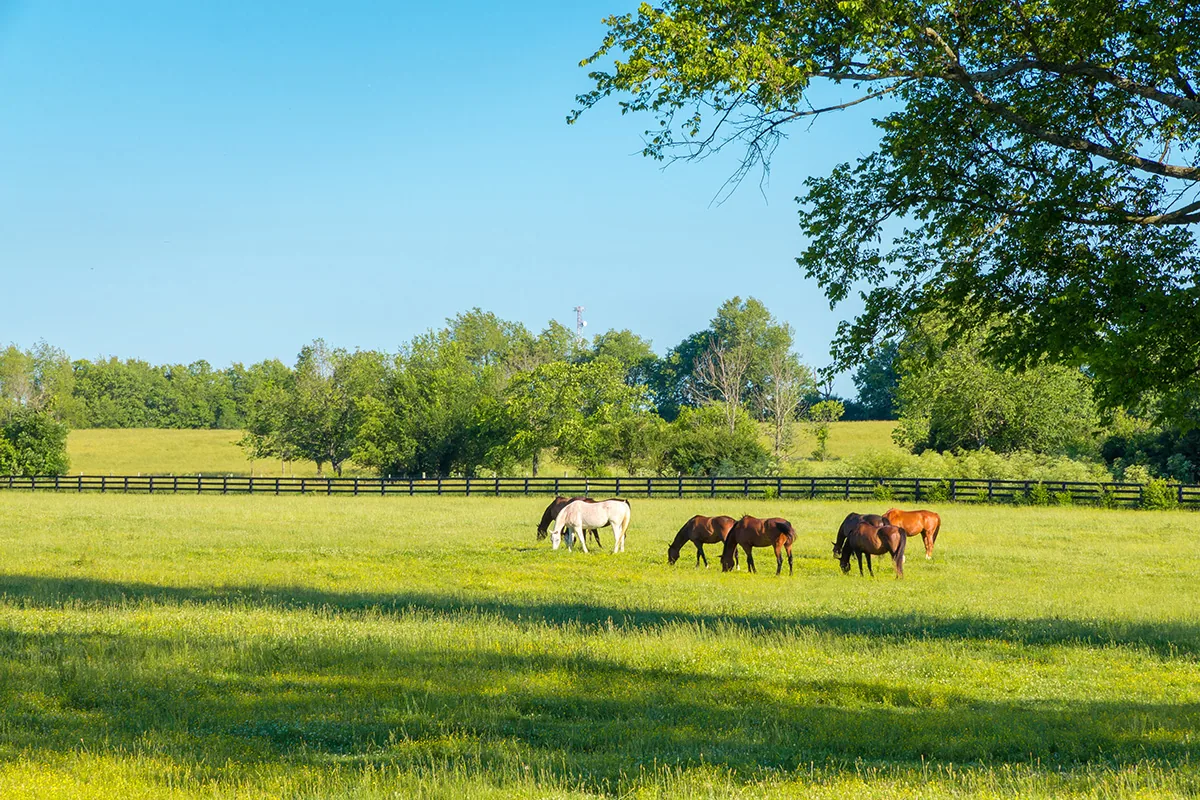
When a population is rebuilt from a small base, genetic diversity becomes a practical concern. The historical record at Alter includes periods of disruption and later restoration from limited stock, which is why careful breeding policy stays central to the line's long term health. The combination of history, strict recording, and a narrow breeding focus keeps the line both distinctive and scarce, and it is exactly why accurate identification and responsible buying matter so much.1, 2
The Bottom Line
The Alter Real is a specialist's horse: a baroque Iberian bred over centuries for collection and classical work, and superb at it in the right hands. It is scarce, tightly managed, and easy to misrepresent, so the real work is in the paperwork. Verify the APSL registration, ignore claims made on colour or looks alone, and match the horse to the job you actually want to do.
References
- Alter Real (official), About Us and history of the Alter Stud Farm
- Parques de Sintra, Portuguese School of Equestrian Art: Alter Stud Farm
- Chevaux du Monde, Alter Real (morphology overview)
- Luso Quest, Coudelaria de Alter (Alter Real): colour and historical notes
- APSL (official), Registration and ownership change procedures
- US Lusitano Association, Transfer of ownership and APSL registration context
- RSPCA Australia, Average horse weight (context for realistic ranges)
- APSL (official), FAQs (registration and ownership documentation requirements)

Dog lover and writer at My Pets Australia, sharing practical breed guides and care advice for Australian pet owners.