Albanian Horse
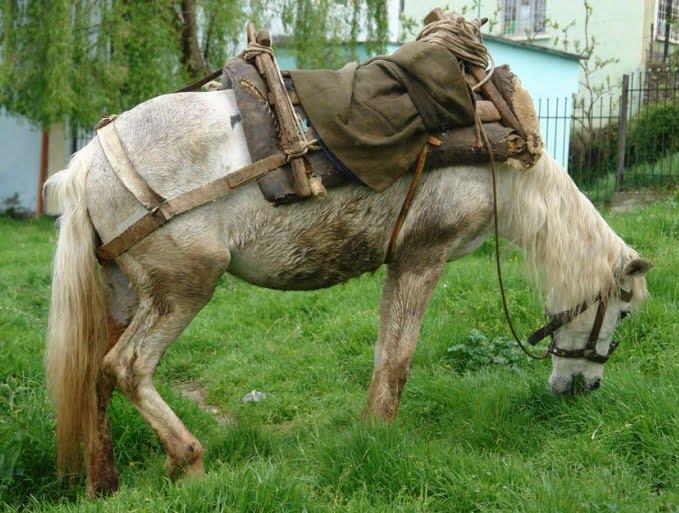
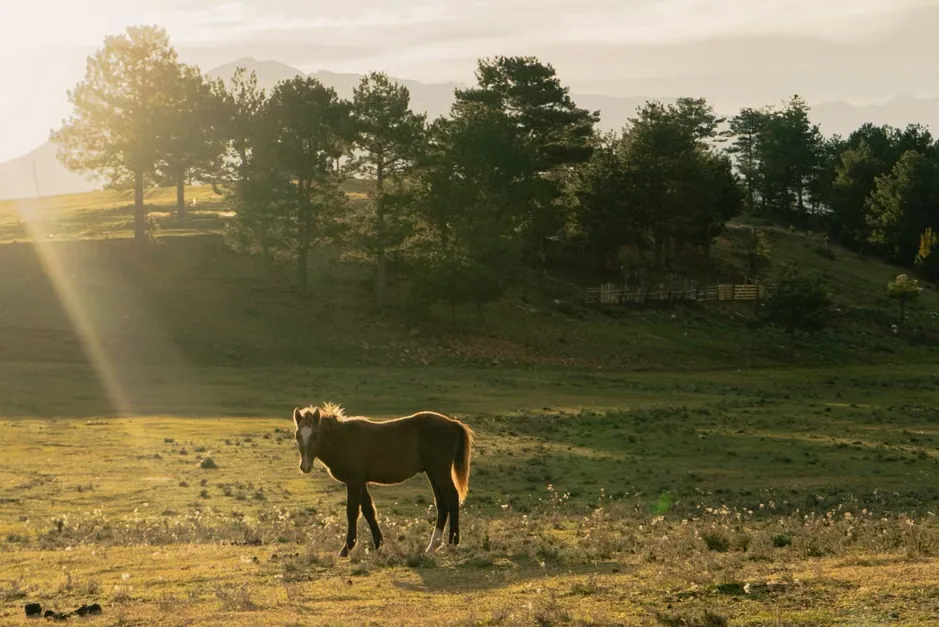
The Albanian horse is the only indigenous horse breed of Albania, a small, tough native shaped by mountains, thin grazing, and generations of everyday transport. It earns its keep through stamina, thrift, and sure footing rather than size or speed. Two broad types are usually described, a lighter mountain horse and a more robust lowland one. It is a landrace as much as a breed, so you will see real variation from one district and bloodline to the next.1 Treat any exact figures you read as a starting point, not gospel.
History and Origin
Written breed summaries describe the Albanian horse as long established in the region, with later influences from imported stock. One commonly cited note is that Arab stock was used for cross-breeding from the early 1900s, with other breeds used later.1 For much of the 20th century it stayed a practical animal, valued for stamina and usefulness in a rural economy where horsepower was daily infrastructure rather than sport.1
Appearance and Physical Characteristics
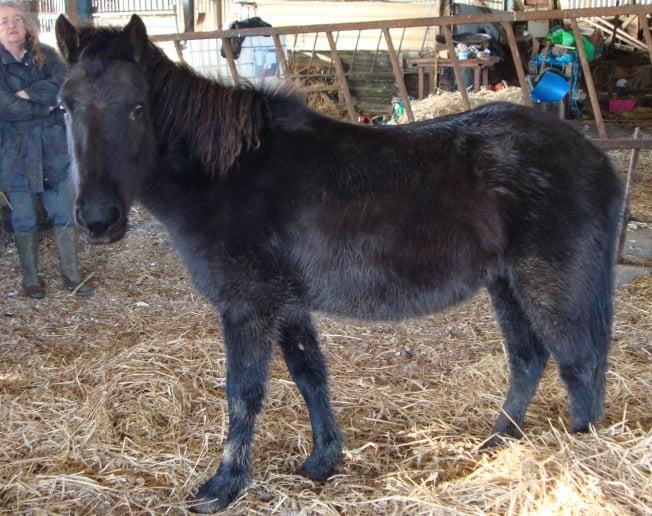
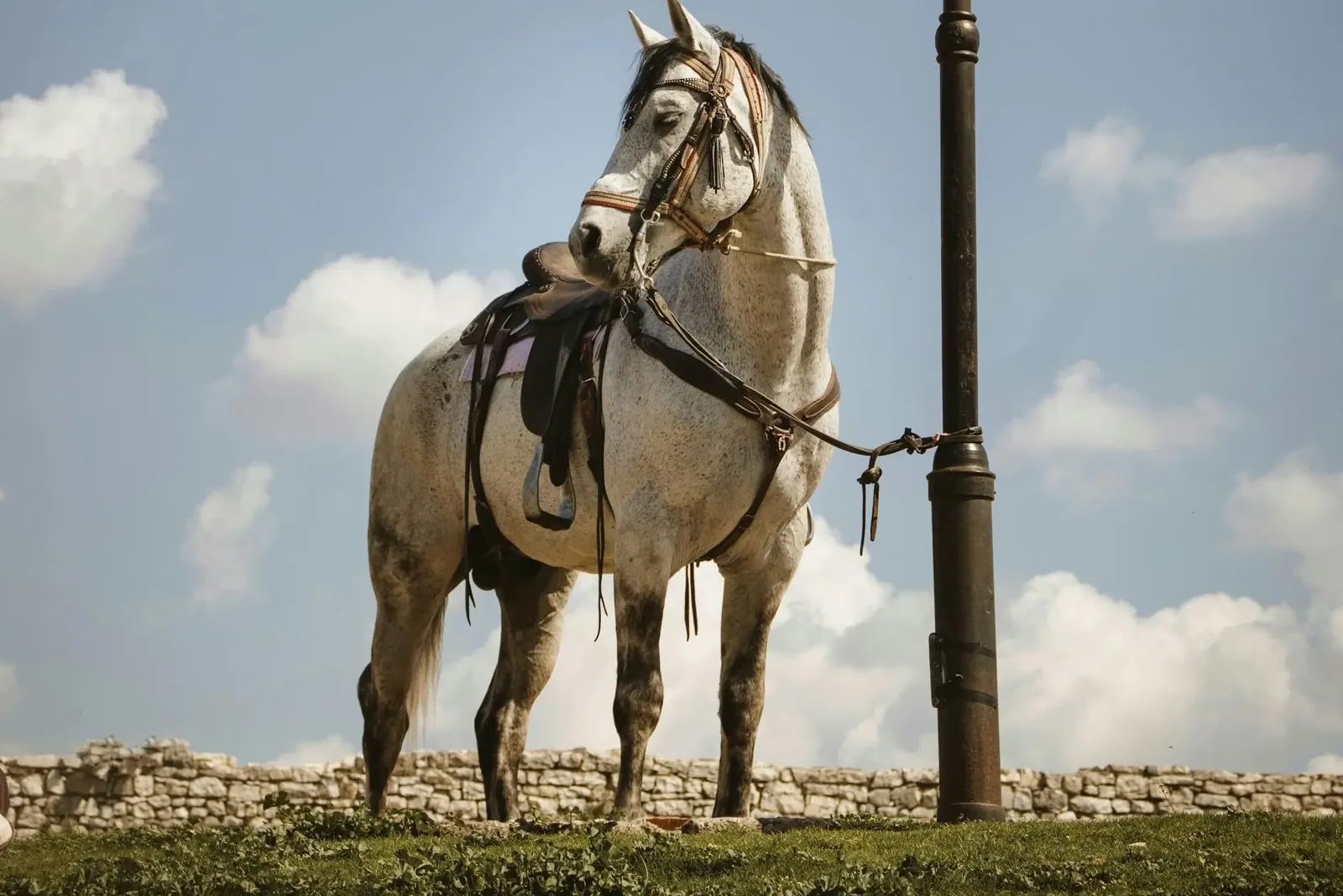
Reliable descriptions keep the Albanian horse in the small horse bracket rather than a tall, heavyweight riding type, and similar in build to other Balkan horses. That matters because many online summaries repeat big-horse measurements that do not fit the breed. Typical coat colours are often described as darker shades or grey.1
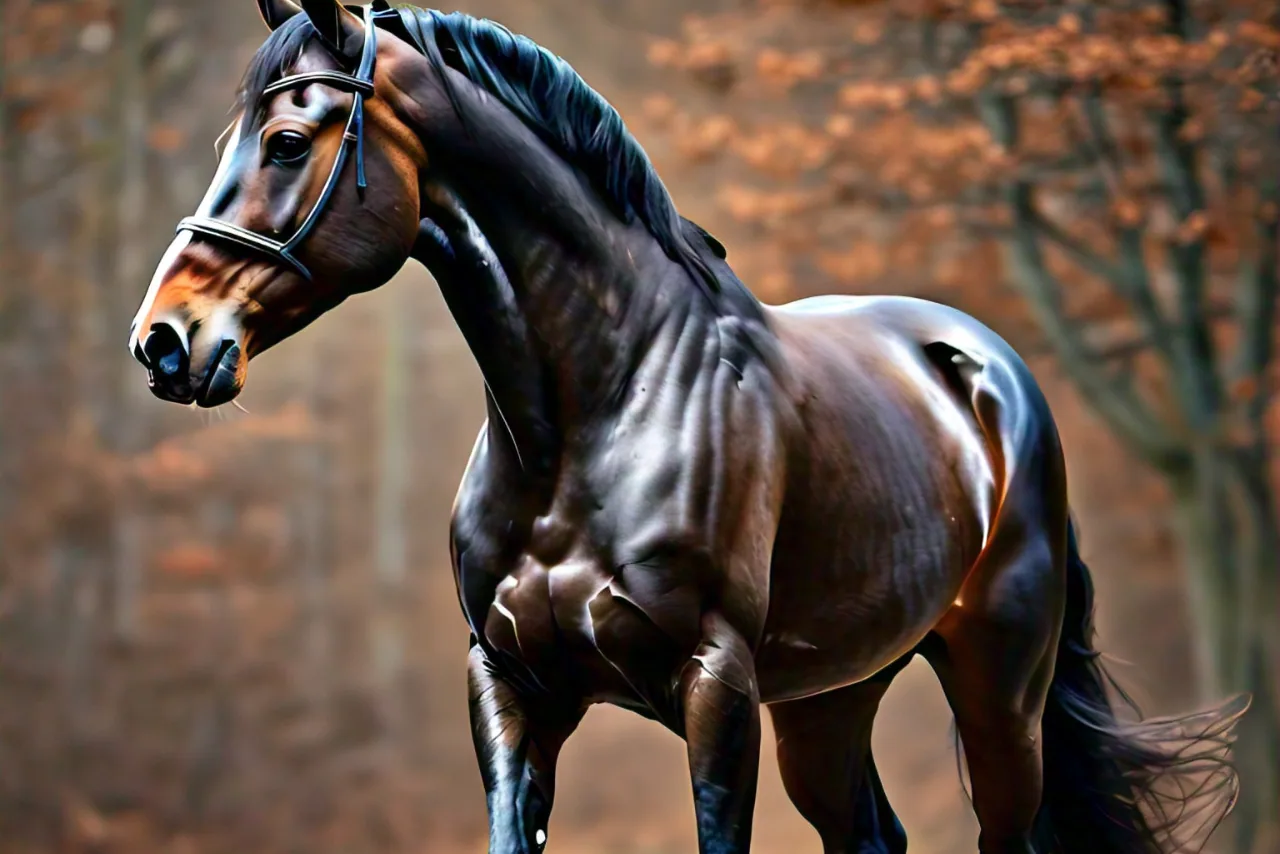
Two broad types are commonly mentioned. The mountain type is lighter and suited to steep, rough ground. The lowland type, sometimes called Myzeqeja after the Myzeqe plain, is often described as more robust.1 If you are assessing an individual horse labelled Albanian, treat any exact height or weight as a rough guide only. Condition, nutrition, age, and cross-breeding can shift size and body type noticeably.
Temperament and Personality
The breed is usually described as hardy, enduring, and sure-footed, which fits a horse shaped by uneven ground and long days. Those traits are the whole point of the animal. Individual temperament still depends on handling, training, and the horse's lived experience, so meet the horse in front of you before drawing conclusions from the breed label.
Is an Albanian Horse Right for You?
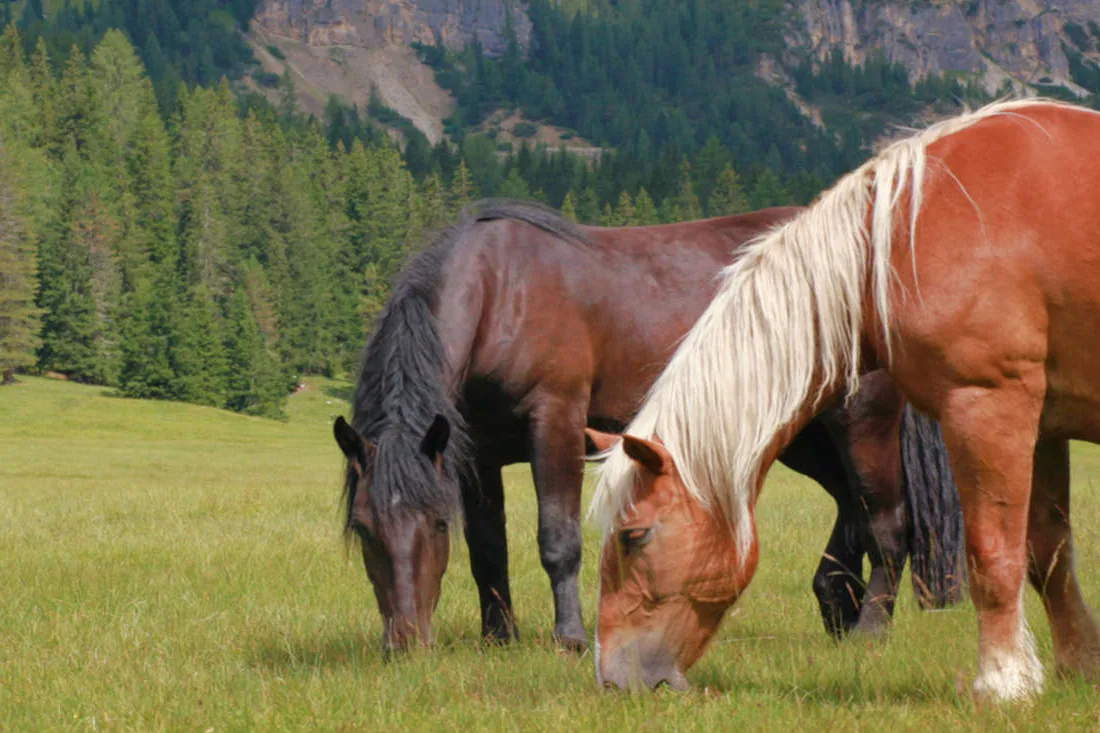
Historically the Albanian horse has been used mainly in harness and as a pack animal, with riding mentioned as occasional rather than central.1 That does not mean an Albanian horse cannot be ridden. It means the breed's strengths sit in thrift, stamina, and footing rather than specialised performance breeding. If you are considering one for sport, keep expectations realistic. Success will hinge on the individual horse's conformation, soundness, and training, not the breed name.
Care and Housing
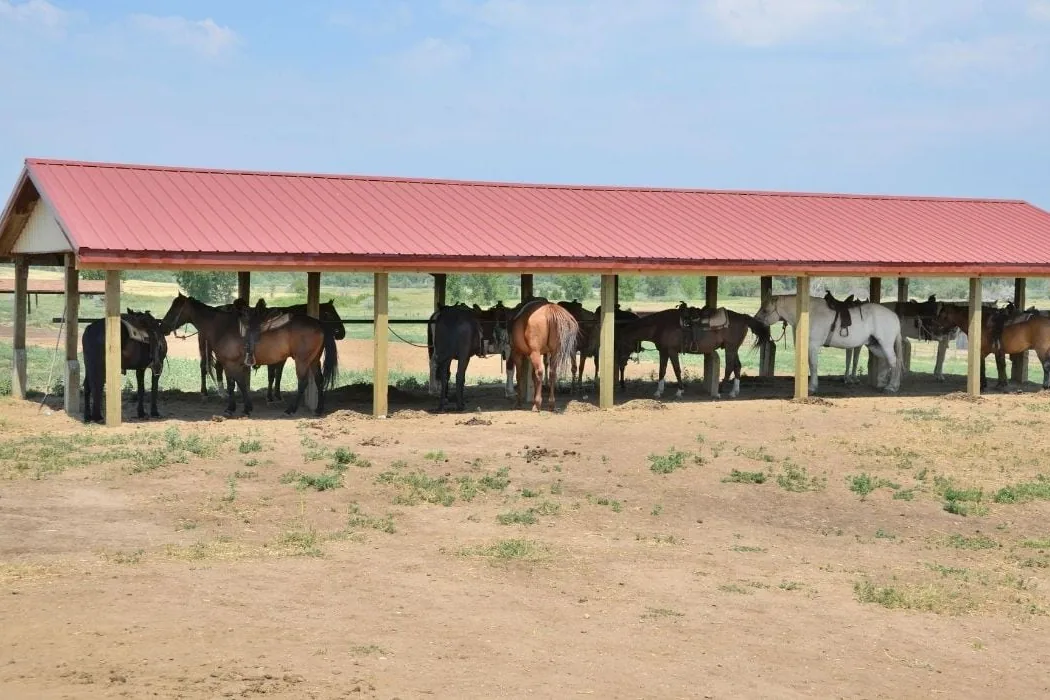
Good horse care is mostly quiet routine. Shelter can be trees, a walk-in shed, or a stable. What matters is protection from sun, wind, and rain, plus enough space to move naturally.3 In hot conditions, ventilation and shade are part of basic welfare, not optional extras.5 Australian state agriculture and animal welfare guidance stresses these basics alongside regular monitoring and timely veterinary care.2, 3, 4
Diet and Nutrition
Pasture and hay are the foundation for most horses, with supplementary feeds added when pasture is poor, or when the horse is in work, growing, or losing condition.4 If you are changing feeds, do it gradually and keep an eye on manure, appetite, and demeanour. Clean water needs to be available at all times. As a rough guide used in Australian welfare material, a horse may drink around 25 to 45 litres a day in hot weather, and sometimes more with exercise.3, 4
Health and Lifespan
The health issues worth naming for an Albanian horse are not breed-specific. Colic, lameness, and respiratory problems are common across horses generally, and they are the ones that most often turn a wait-and-see into an emergency.
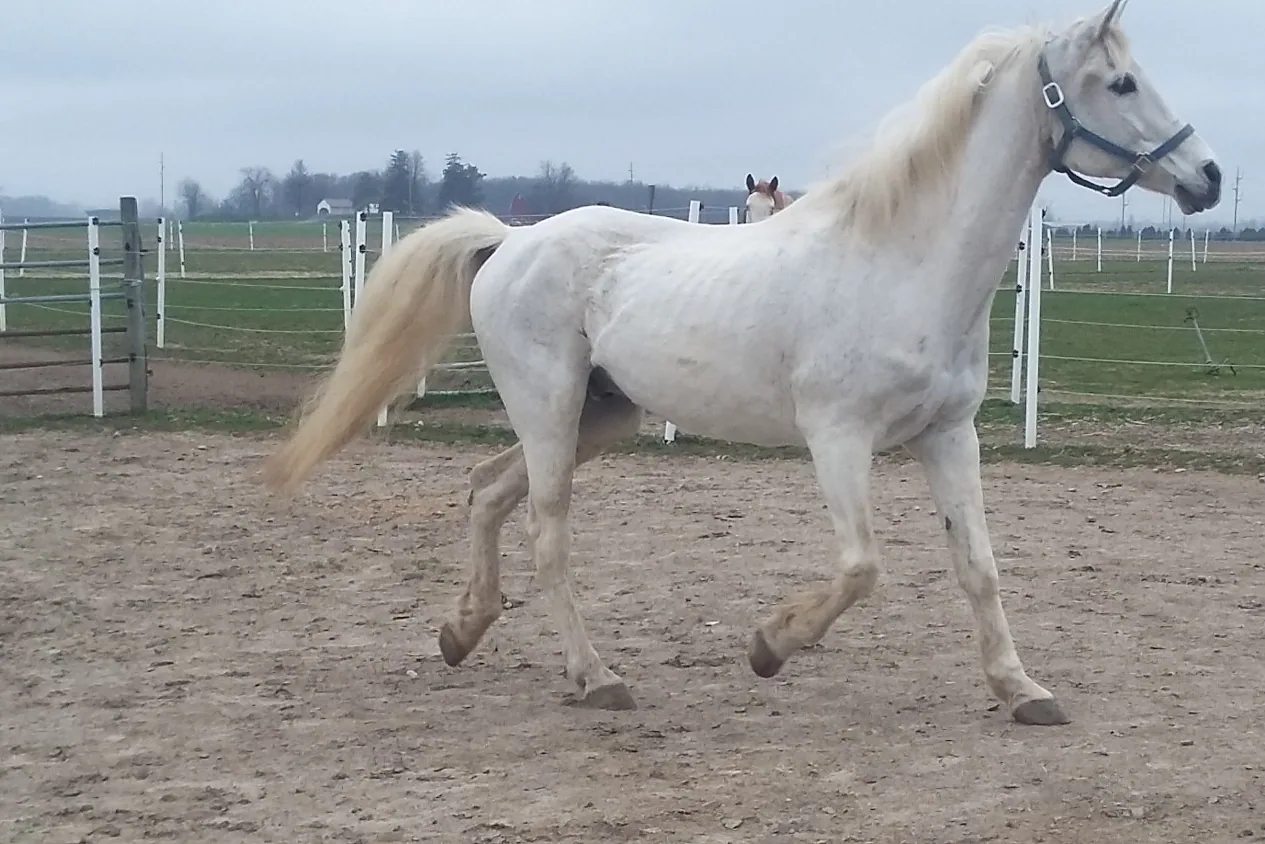
Colic is a broad term for abdominal pain and can range from mild to life-threatening. Common signs include pawing, looking at the flank, repeated lying down or rolling, sweating, stretching as if to urinate, reduced manure, and loss of appetite. If you suspect colic, contact a veterinarian promptly.6 Lameness can start subtly, with a shortened stride, uneven rhythm, reluctance to turn, or a change in how the horse stands. Early assessment and regular hoof care can stop small problems becoming long layoffs.
Biosecurity is everyday discipline, especially around events, agistment, or new arrivals. Australian government guidance commonly recommends limiting horse-to-horse contact where practical, not sharing gear, and isolating sick horses while you get veterinary advice.7
A Few Things Worth Knowing
- Some breed summaries list the Albanian horse as not at risk in FAO reporting, though those are older assessments. Breed status can change as cross-breeding, mechanisation, and shifting rural economies reduce the number of horses kept in traditional systems, so check current national or international livestock breed databases before making strong claims.1
- The FEI governs international equestrian sport rules and competitions, but it does not recognise horse breeds the way a studbook does. Eligibility is about the horse and rider meeting discipline rules and registration requirements, not whether a breed is on a list.9
- Sport-horse breeding rankings and championship eligibility are tied to studbooks and membership structures such as those managed by the World Breeding Federation for Sport Horses (WBFSH), not the existence of a breed name alone.8, 10
The Bottom Line
The Albanian horse makes sense where it was made: moving steadily over uneven country, pulling or carrying, conserving energy, and holding its footing. If you are choosing one, focus less on romantic claims and more on the individual in front of you. Soundness, temperament, and a management routine that suits the horse's body and your climate matter far more than the breed label.
References
- Albanian horse (overview, types, uses and historical notes), Wikipedia
- Horse welfare (legal welfare requirements: food, water, shelter, vet treatment), Agriculture Victoria
- Basic horse care (feed guides, water, shelter, exercise), Agriculture Victoria
- Caring for horses (feeding, water, transport basics), NSW Department of Primary Industries
- Horse welfare notes (water needs, shelter and ventilation considerations), RSPCA WA
- Colic in horses (signs and general guidance), Merck Veterinary Manual (Horse Owner Version)
- Horses (biosecurity and owner responsibilities), ACT Government
- Become a Member (studbook membership types and requirements), WBFSH
- About the FEI (role as international governing body for equestrian sport), Fédération Équestre Internationale
- Breeder Rankings (eligibility tied to WBFSH full member studbooks), WBFSH

Dog lover and writer at My Pets Australia, sharing practical breed guides and care advice for Australian pet owners.