Alaskan Malamute Care: A Comprehensive Guide for Australian Owners
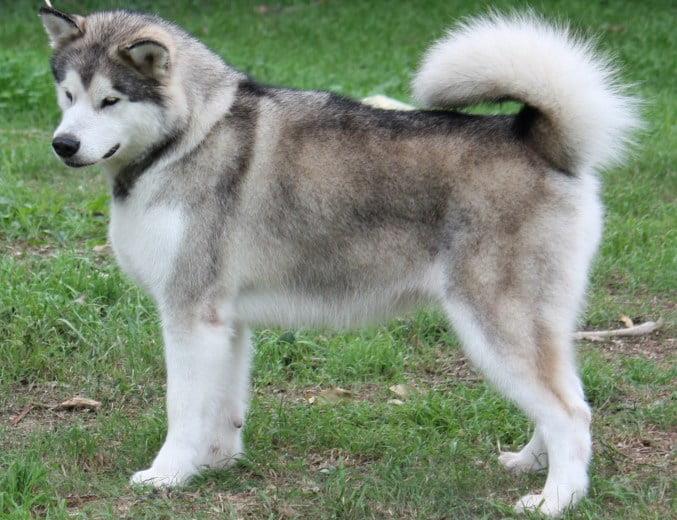
The Alaskan Malamute is a large freighting sled dog, built to pull heavy loads steadily over long distances in bitter cold. That heritage gives you a striking, powerful animal with a dense double coat, an easygoing way around its own family, and a quiet, economical way of moving. It is also a serious commitment. Malamutes are strong, independent, and heavy-coated, which raises real questions about exercise, training and heat once you are keeping one through an Australian summer. This guide covers what the breed is built for and the care that actually matters day to day.
Quick Profile
- Breed category: Working
- Country of origin: Alaska, United States
- Typical size (breed standard freighting ideal): males about 63.5 cm and 38.5 kg, females about 58.5 cm and 34 kg, with natural variation
- Life span: often around 10 to 14 years
- Grooming: high during seasonal sheds, otherwise steady maintenance
- Exercise: high, with a strong need for purposeful activity
History and Origin
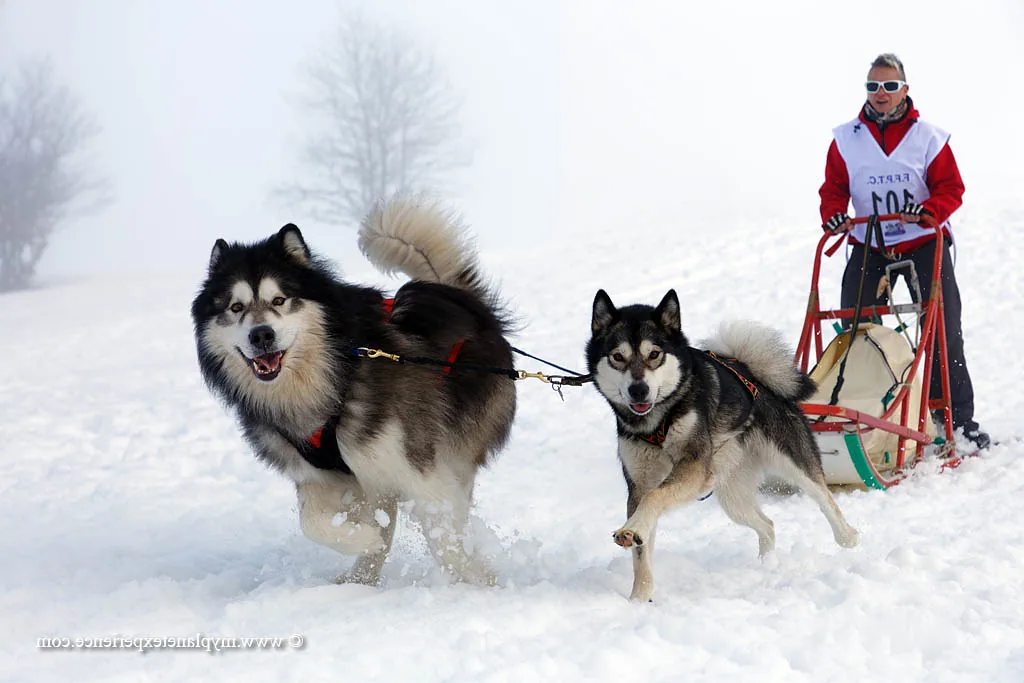
Malamutes trace back to Inuit communities in Alaska, where they were developed as strong, reliable sled and freight dogs in harsh conditions. They were bred to pull heavy loads steadily over distance, not to sprint. The modern breed standard still reflects that original purpose, treating strength, endurance and efficient movement as the core of the breed.
Appearance and Physical Characteristics
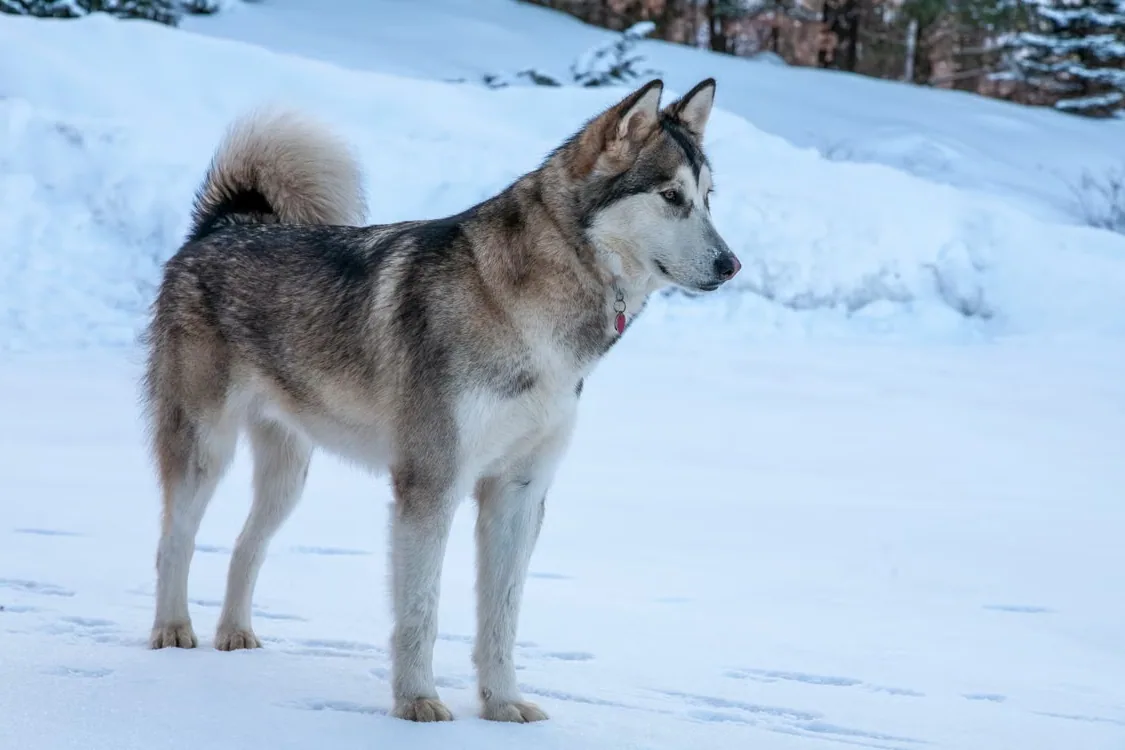
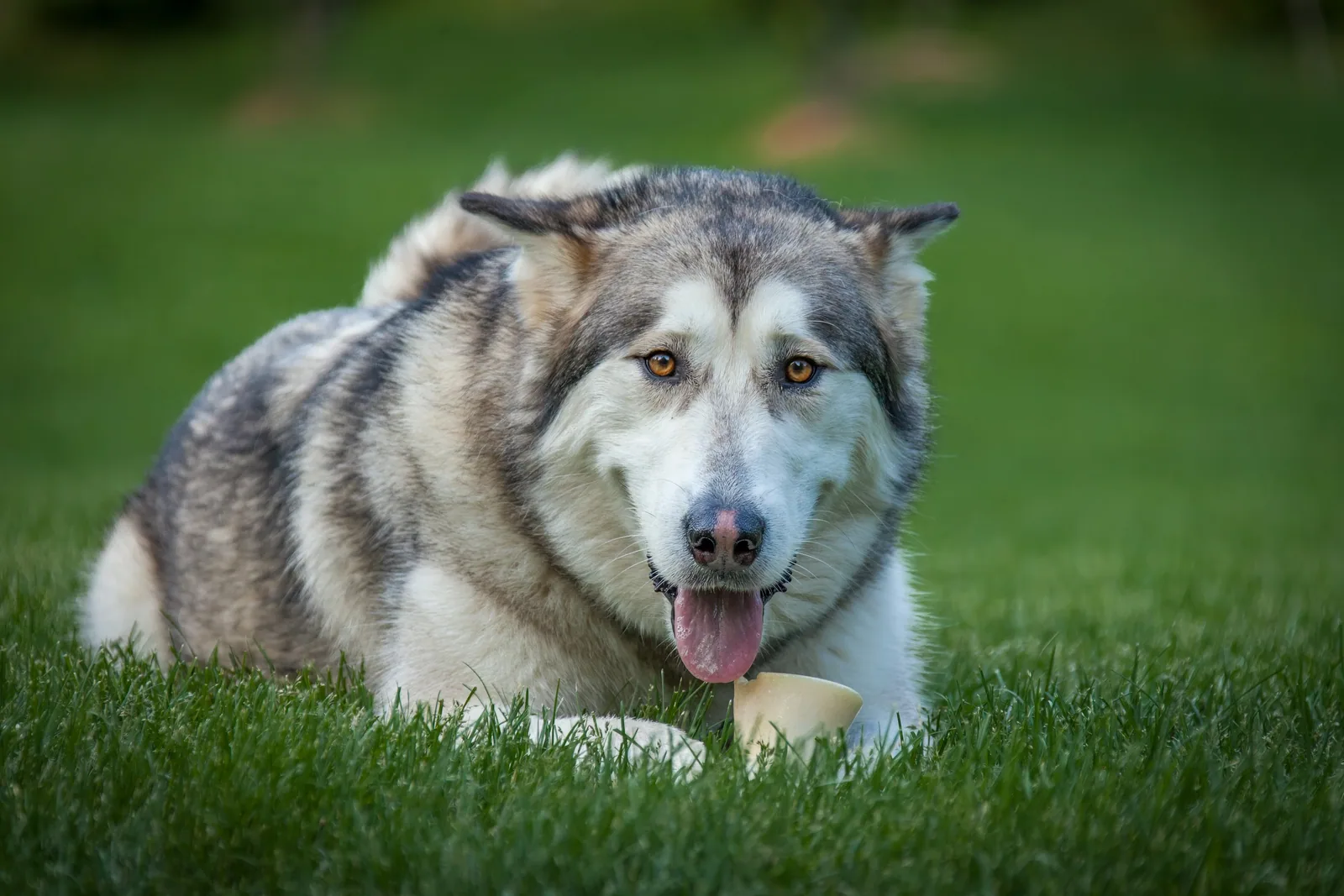
Most Malamutes are large, solid dogs with a dense double coat and heavy bone. The design shows up everywhere: broad chest, strong bone, thick coat, and a way of moving that looks economical rather than flashy. Colours commonly range from light grey through to black, sable and red, with white on the underbody and markings on the face and legs. One detail is fixed in the breed standard, blue eyes are a disqualifying fault. Dogs Australia describes the desirable freighting sizes as about 63.5 cm and 38.5 kg for males and 58.5 cm and 34 kg for females, which is a reference point rather than a guarantee of what any individual dog will be.
Temperament and Personality
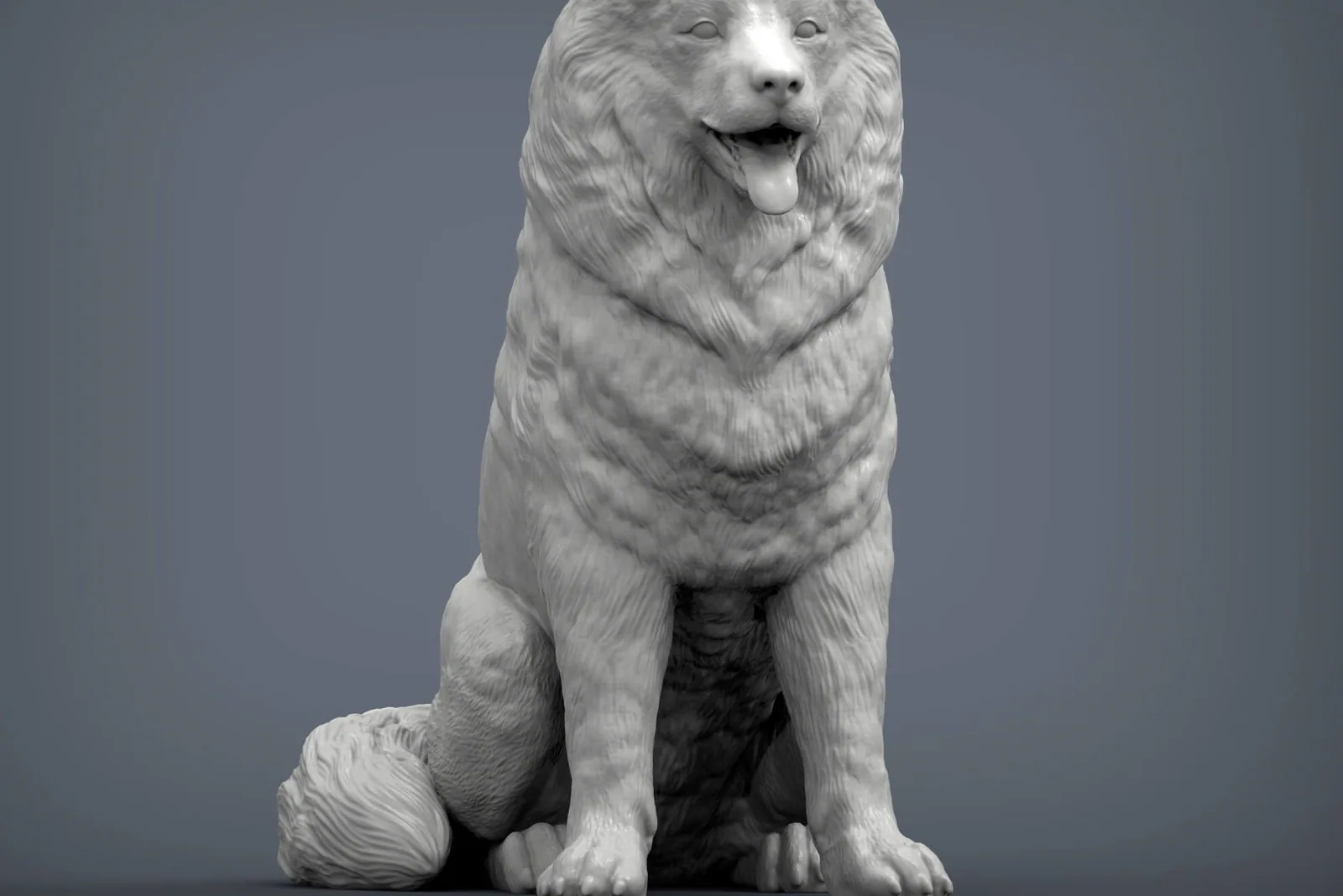
With their own family, Malamutes are often affectionate, social and surprisingly gentle in the house once their needs are met. Friendly does not mean easy, though, and independence is part of the package. Outside, they can be determined and practical: pulling into a lead, testing fences, following scent, and making quick decisions that do not always match yours. If the day feels empty, a Malamute will usually invent a job, whether that is digging, roaming, dismantling the garden bed, or practising long, carrying vocalisations.
Common patterns owners notice:
- Independence: they may comply slowly, or only once a cue is worth their effort.
- High arousal when under-stimulated: digging, chewing, talking and restlessness are common boredom outlets.
- Prey drive varies: early, careful socialisation helps, but supervision around smaller animals is still sensible.
Is an Alaskan Malamute Right for You?
For most households, honestly, this is a demanding dog. A Malamute needs secure fencing, daily activity with real purpose, early training, and an owner who will manage heat carefully. If you want a low-effort companion, or you cannot commit to structure and exercise year round, this is not the breed. If you can meet those needs, you tend to get the best of them: a dog that settles deeply into its people and moves through the world with quiet confidence.
Training and Exercise
Start early. The goal is not a perfectly obedient robot dog, it is a dog that can live safely in a modern suburb. Prioritise recall foundations, knowing they will never be perfect, along with loose-lead skills, calm greetings, and confidence around handling of feet, coat, ears and mouth.
What tends to work best:
- Short, frequent sessions with food rewards and play.
- Consistency across the household, since rules that change daily create a very inventive Malamute.
- Management through fences, long lines and secure gates, alongside training rather than instead of it.
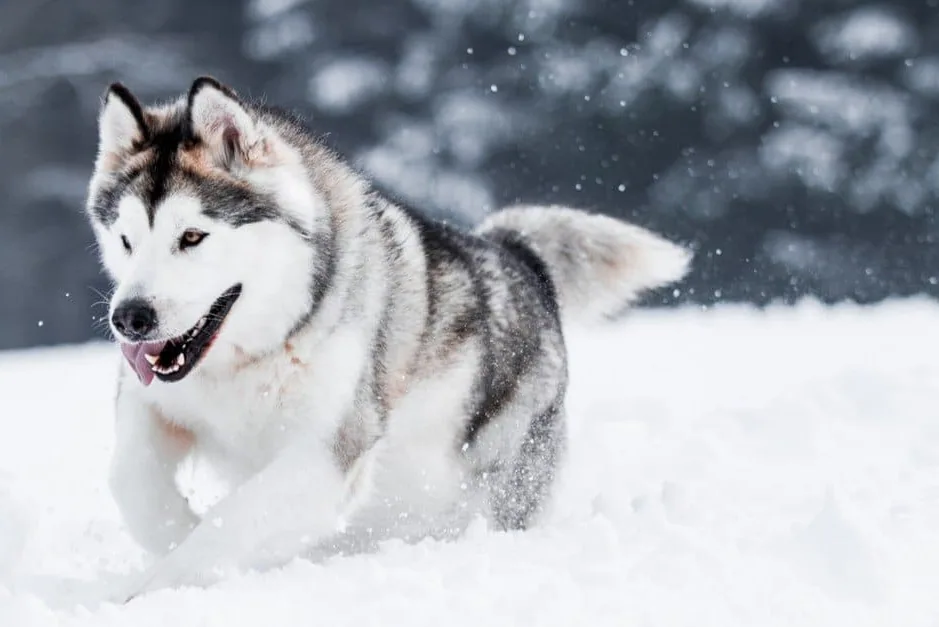
Malamutes usually need daily activity that feels purposeful: long walks, hikes, controlled pulling sports, and structured play. A slow, steady dog can still have a very large engine, especially in cool weather. In Australia, exercise planning has an extra layer, which is heat risk. Many Malamutes will keep going long after it is wise, so you may need to be the one who calls time.
Heat and Summer Safety in Australia
A thick coat and heavy build can make hot, humid conditions risky. Heatstroke is a medical emergency and can turn fatal quickly, so prevention matters far more than toughing it out.
Practical heat rules that fit real life:
- Walk early or late, and avoid hot, still, humid days for strenuous exercise.
- Check surfaces such as asphalt, concrete and sand before paws go on them.
- Provide shade, airflow and plenty of water, and bring the dog inside if indoors is cooler.
- Learn the signs: heavy panting, drooling, weakness, vomiting, collapse.
If you suspect heatstroke, move the dog to a cool area, apply cool but not ice-cold water, increase airflow with a fan or air conditioning, and contact a vet urgently. Avoid ice baths, and do not trap heat by covering the dog in wet towels.
Health and Lifespan
Many Alaskan Malamutes live around 10 to 14 years, with variation based on genetics, weight and overall management. Large, athletic dogs do best when their body condition is kept lean enough to protect the joints while still maintaining muscle.
Joints: like many large breeds, Malamutes can be affected by hip dysplasia. Keeping your dog at a healthy weight and building fitness gradually, especially in puppies and adolescents, helps reduce strain.
Inherited conditions: one example seen in the breed is Alaskan Malamute polyneuropathy (AMPN), an inherited neuromuscular condition. Responsible breeders may use DNA testing to reduce the risk of producing affected puppies.
Grooming and Care
The Malamute's double coat is designed to insulate and protect. It will shed all year, and then shed properly, often in heavy seasonal blow periods. Regular brushing helps keep the skin healthy and reduces matting, especially behind the ears, in the trousers, and around the neck ruff. Avoid shaving the coat unless your vet advises it for a medical reason, because the coat plays a role in temperature regulation and skin protection. Focus instead on thorough brushing and keeping the dog cool through shade, airflow and smart timing.
Diet and Nutrition
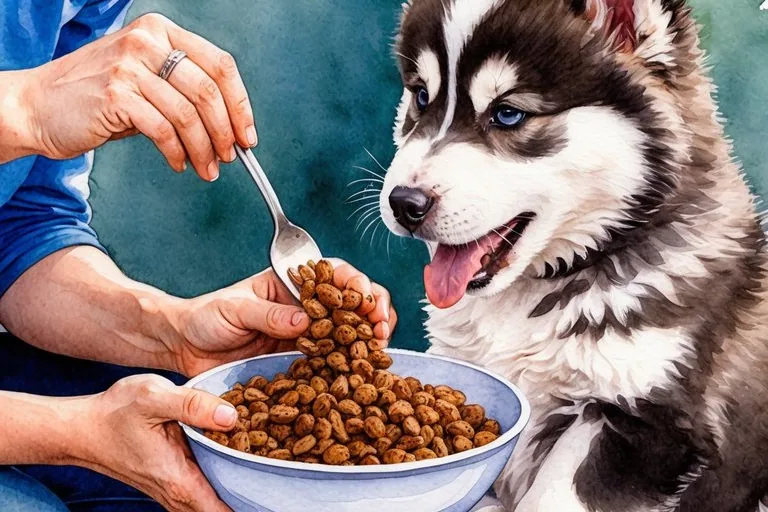
There is no single Malamute diet, but there is a reliable principle: feed the dog in front of you. Activity level, age, climate and desexing status all change calorie needs, and this is a breed that can gain weight surprisingly easily when under-exercised, so regular body condition checks matter. Use a complete and balanced diet, whether commercial or properly formulated, and ask your veterinary team to help with body condition scoring and portion adjustments over time. Avoid sudden diet changes, and be cautious with high-fat extras during hot weather.
A Few Things Worth Knowing
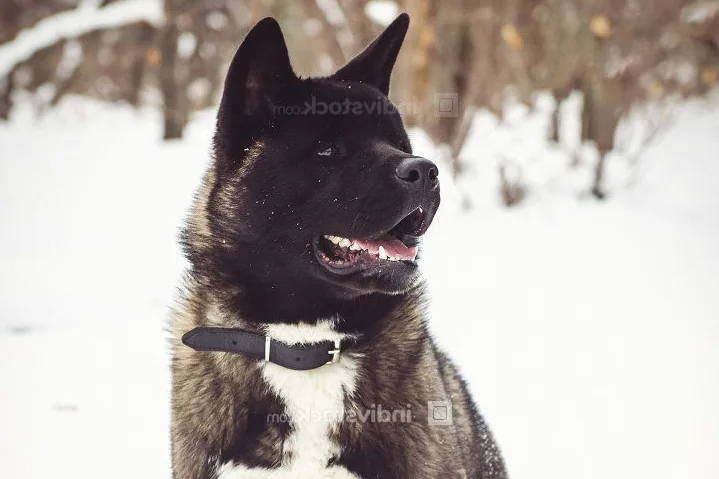
- Blue eyes are a disqualifying fault under the breed standard, not a rare feature to seek out.
- A bored Malamute is an escape artist and a digger, so secure fencing is not optional.
- The coat regulates temperature, so shaving it can make heat problems worse, not better.
- They are vocal, favouring long carrying sounds rather than constant barking.
The Bottom Line
An Alaskan Malamute in Australia can be a steady, companionable presence, with calm eyes, strong shoulders and a coat that seems to hold half the outdoors. The breed asks for structure in return: secure fencing, daily activity with meaning, early training, and careful heat management. Meet those needs and you get a dog that settles deeply into its people. Fall short of them and you get an inventive, powerful animal with too much time on its paws.
References
- Dogs Australia (ANKC), Alaskan Malamute breed standard
- Alaskan Malamute Club, Victoria, Breed standard (Australia)
- The Kennel Club (UK), Alaskan Malamute breed standard
- RSPCA Australia, Warm weather worries: protect pets from heatstroke
- VCA Animal Hospitals, Heat stroke in dogs
- World Small Animal Veterinary Association (WSAVA), Global Nutrition Guidelines
- UC Davis Veterinary Genetics Laboratory, Alaskan Malamute Polyneuropathy (AMPN)

Dog lover and writer at My Pets Australia, sharing practical breed guides and care advice for Australian pet owners.