Agouti Rats
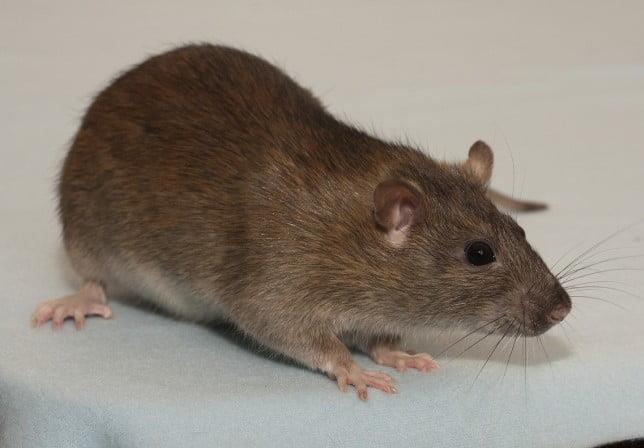
Agouti is the natural, wild-type coat you see on many pet rats: a brownish-grey fur flecked with black, so the animal looks speckled rather than one solid colour. People often meet the term on a breeder listing or a pet shop label and assume it names a special kind of rat. It does not. In pet rats, "agouti" describes a coat pattern, and the animal underneath is an ordinary domestic rat (Rattus norvegicus), which happens to be one of the friendliest and most trainable small pets you can keep. Rats are legal to own across Australia, so the real questions are the everyday ones: how long they live, and what care actually matters.
What "agouti" actually means
Agouti is a colour pattern, not a species. Each individual hair carries several bands of pigment, and that banding, sometimes called "ticking", is what gives the coat its speckled brown-grey look instead of a flat single tone.1 It is the same wild-type pattern seen across many mammals. In the fancy rat hobby, agouti is a recognised colour variety that sits alongside other coats and markings, and the genetics are well understood: the agouti allele produces banded hairs, while non-agouti produces solid ones.2
Worth clearing up one common mix-up. The agouti coat has nothing to do with the animals called agoutis (Dasyprocta species), which are large, long-legged tropical rodents from the Americas and not related to your pet in any practical sense.6 If you are choosing a rat, the agouti coat is essentially an appearance preference. It does not reliably predict personality, trainability, or health.
Appearance and size
The classic description is "brownish-grey with black ticking", and that effect comes from the banded hairs rather than patches of differently coloured fur.1 Size varies with the breeding line, but most pet rats run roughly 20 to 25 cm in body length, plus the tail, and often weigh around 300 to 500 g, with males commonly the heavier of the sexes.
Temperament and social life
This is where rats earn their reputation. They are alert, curious and genuinely social, and with gentle, regular handling most settle into calm, people-friendly companions.4, 5 The one condition attached to that good nature is company. Domestic rats do best kept with other rats, so most welfare guidance recommends a compatible pair or small group rather than a solo animal, ideally same-sex unless desexed to avoid unexpected litters.4, 5
A rat kept alone will still eat and play, but a bonded pair tends to show more grooming, more exploration and more relaxed resting. Those are the small signs of an animal that feels settled in its environment.
Is an agouti rat right for you?
For most people who want a small, interactive pet, rats are an easy recommendation, with two honest caveats. First, they are social, so plan on keeping at least two. Second, they are relatively short-lived, commonly around 2 to 3 years, with some going longer in good conditions.3 If a two to three year span suits your household and you are happy to keep a pair, an agouti rat is a rewarding, low-fuss choice. The agouti coat itself should not sway the decision either way.
Housing and ventilation
A good rat enclosure is tall enough to climb, easy to clean, and set up like a small landscape: levels, tunnels, hiding spots and chew-safe objects that you can rotate as they lose their novelty.4, 5 Ventilation matters more than many people expect. Ammonia from urine builds up quickly in poorly ventilated or infrequently cleaned housing, and it can irritate airways and contribute to respiratory problems.4, 7
- Aim for: good airflow without draughts, dry bedding, and regular removal of soiled areas.
- Avoid: strong-smelling cleaners, dusty bedding, and sealed set-ups that trap humid air.
Diet and nutrition
Rats are omnivores, but a balanced base diet still matters. Many welfare and care guides recommend a commercial rat pellet as the staple, with fresh vegetables and small additions for variety and enrichment.5 Fresh water should be available at all times.5
- Daily staple: rat pellets, measured to body condition (lean, not rounded).8
- Daily extras: a small handful of mixed vegetables, rotated over the week.5
- Occasional protein treats: small amounts of cooked egg or similar, used sparingly, especially for rats prone to weight gain.8
Activity and enrichment
Rats are busy in short bursts. Give them safe ways to climb, shred, forage and chew, and that energy channels into purposeful activity rather than cage-bar chewing or restless pacing. RSPCA guidance emphasises mental and physical stimulation as part of good rat care, alongside safe handling and appropriate companionship.4, 5 Many rats also learn their name, come to the cage door and follow simple routines, and some pick up tricks through food rewards and repetition. Keep training short and calm, and treat it as a supplement to, not a replacement for, the company of other rats.
Health and lifespan
Pet rats can be robust, and most live around 2 to 3 years.3 A couple of issues come up often enough that it pays to recognise the early signs.
Respiratory disease is one of the most common health problems in pet rats, and Mycoplasma pulmonis is a major cause, often complicated by husbandry and air quality.9, 4 See a vet promptly if you notice persistent sneezing, noisy breathing, increased effort to breathe, weight loss, or porphyrin staining (red discharge) around the eyes or nose.
Tumours are also common, and mammary tumours in particular are frequently discussed in veterinary references for the species.10 A new lump anywhere along the underside or flanks is worth a timely vet check, since earlier assessment usually means more options.
Grooming and care
Rats groom themselves meticulously, so most only need light help: a quick check of coat condition, nails, and any signs of irritation or mites. Gentle, regular handling keeps them relaxed around people and makes health checks easier as they age.5
A few things worth knowing
- Agouti is the wild-type coat, so it is the pattern closest to a rat's natural colouring.
- Some insurers do cover small animals, but policies and exclusions vary widely. It is often worth pricing common vet visits in your area and setting aside a small fund for check-ups and emergencies.
- The most reliable way to reduce surprise vet costs is plain husbandry: clean, well-ventilated housing, a steady diet, and early vet attention when breathing changes or new lumps appear.4, 7, 9, 10
The bottom line
An "agouti rat" is just a domestic rat wearing the natural speckled coat, and it makes the same friendly, sociable, easy-to-handle pet as any other pet rat. Keep at least two, give them roomy well-ventilated housing and a pellet-based diet, and watch for early signs of respiratory trouble or lumps. Do that, and you get a smart, engaging companion for the two to three years these animals typically share with us.
References
- Agouti (coloration), banded hairs and overall speckled appearance
- American Fancy Rat & Mouse Association (AFRMA): Rat genetics (Agouti locus and banded hairs)
- Animal Diversity Web: Rattus norvegicus lifespan (typically 2 to 3 years in captivity)
- RSPCA Australia Knowledgebase: How should I care for my rats?
- Agriculture Victoria (Animal Welfare Victoria): Caring for pet rats and mice (housing, diet, companionship)
- Encyclopaedia Britannica: Agouti (Dasyprocta) overview (distinct animal from domestic rats)
- Agriculture Victoria: Code of Practice (laboratory rodents), ventilation, ammonia build-up and respiratory irritation
- RSPCA (UK): Balanced diet for rats (pellets as a base; supplement carefully)
- BSAVA Library: Rodents, respiratory disorders (respiratory disease common; Mycoplasma pulmonis major cause)
- Merck Veterinary Manual: Mammary tumour, rat (clinical reference)

Dog lover and writer at My Pets Australia, sharing practical breed guides and care advice for Australian pet owners.