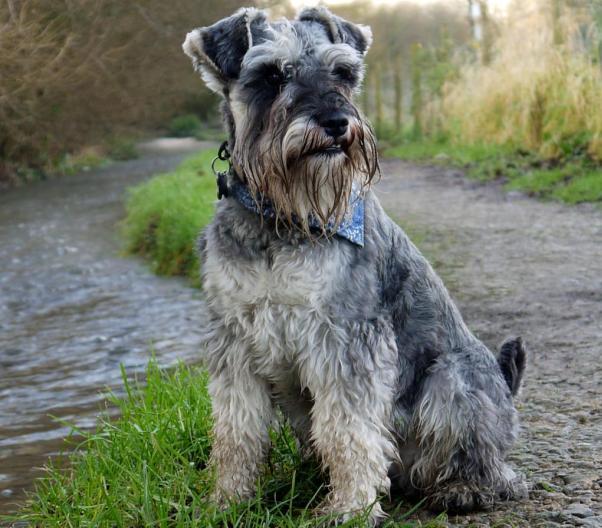
Adopt A Dog or Buy A Pedigree Puppy?
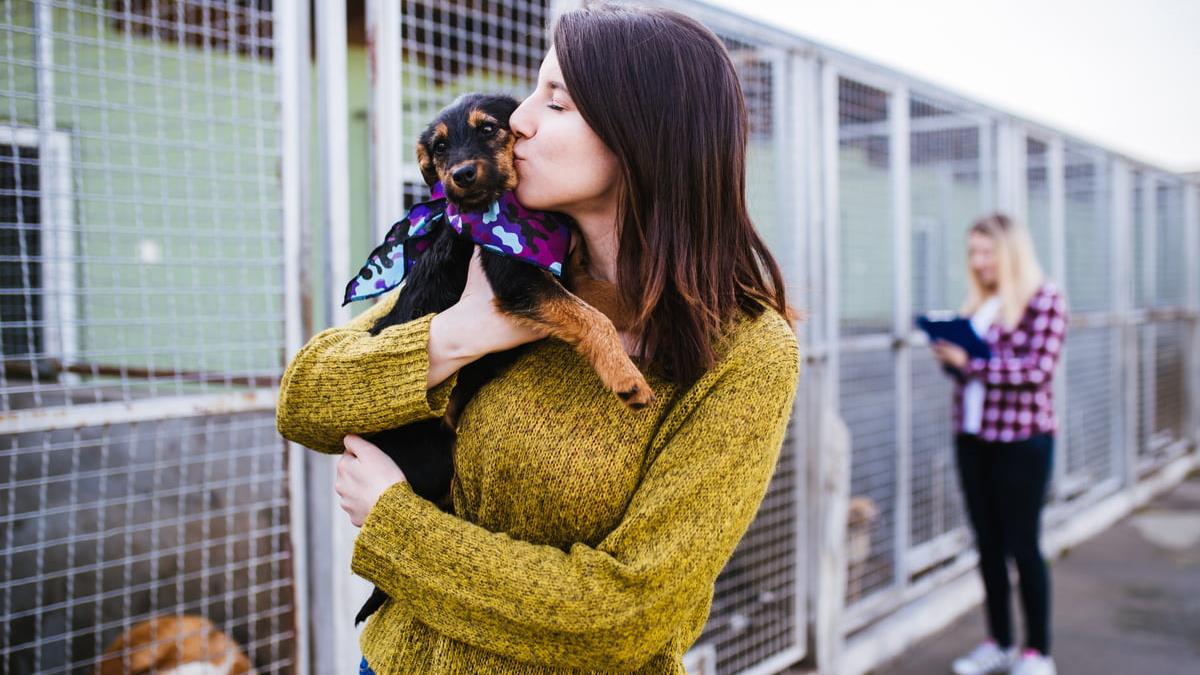
Deciding between a shelter dog and a pedigree puppy is one of the more consequential choices a new owner makes, and it reaches well past the sticker price. Both paths can give you a healthy, well-adjusted dog. The real differences show up in what you can verify at the time, what the first year costs, and how much early behaviour is already set. This is a practical way to weigh both options in an Australian context, covering price, health checks, socialisation and the ethical questions worth asking before you commit.
Adopting a dog from a shelter
Most dogs in a shelter are already living at full size, so what you meet is usually close to what you will live with. Some are young and bouncy, others older and calm, and many arrive with habits already formed.
Why adoption works well for many households
- Upfront value is usually better. Many Australian shelters include the essentials, desexing, microchipping, parasite treatment and a veterinary check, as part of adoption. Those items can otherwise cost hundreds in the first year.1, 2
- An adult dog's temperament is easier to read. Shelters commonly observe behaviour in kennels and during handling, then match dogs to homes as best they can.2
- You free up shelter space and resources. Adoption fees help fund veterinary care and rehabilitation for other animals coming through the system.3
What can be harder about adoption
Some shelter dogs arrive with unknown histories. Stress can mask behaviour in the first days, then shift once the dog relaxes at home, so a calm meet-and-greet helps but is not a perfect predictor. Health history can also be incomplete. Many shelters provide examinations and treatment, but they cannot always confirm genetic risks or what happened earlier in the dog's life.2
Buying a pedigree puppy from a breeder
A well-bred puppy is a blanker page, though not an empty one. Genetics and early rearing still matter, and the quality of the breeder is the difference between a predictable dog and an expensive surprise.
When a pedigree puppy can make sense
- More predictable adult size and traits. With a recognised breed, you can usually estimate adult weight, coat needs and typical drive levels. That is useful if you have small children, limited space or livestock nearby.
- Access to parent information and documented testing. Some breeders screen breeding dogs for known inherited conditions and can show evidence of the results. That lowers risk, but it does not erase it.
- Ongoing breeder support can be genuinely useful. A responsible breeder stays in contact, answers training and feeding questions, and will take the dog back if needed rather than letting it drift into rehoming.
The main risks to watch for
Pedigree does not automatically mean healthy or ethically bred. Poor breeding practices can produce puppies with preventable disease risk, weak socialisation or chronic anxiety. The paperwork may look tidy while the welfare picture is not.
Costs: what you pay upfront, and what you pay later
Buying a puppy often costs more at the start, but the bigger story is the first-year essentials: microchipping, vaccinations, desexing, parasite control and training support. In Australia those basics add up quickly, even before you hit any illness or injury.1 With adoption, many of those core items are commonly included in the adoption fee, which is why adoption tends to feel financially steady in the early months.1, 2
Quick cost check before you decide
- If you buy a puppy, budget for vaccinations, microchipping, desexing and puppy training classes early.1
- If you adopt, ask exactly what is included: desexing status, microchip details, parasite prevention and any current medication.2
Health: what each path can and cannot guarantee
Both shelter dogs and pedigree puppies can be healthy, and both can develop expensive conditions. The difference is what you can verify at the time.
Shelter dogs
Many shelters provide a veterinary examination and routine preventative care before rehoming, which improves the odds you are starting with a dog that has been checked, treated and identified correctly.2 What you may not know is the long-term medical history: previous injuries, early nutrition or inherited risk. If certainty is crucial for your household, for example high allergy sensitivity or very limited finances for future vet care, that uncertainty matters.
Pedigree puppies
Good breeders use health screening relevant to the breed, raise puppies in clean conditions and handle them in ways that build resilience. Poor breeders do none of that, and the puppy may look fine at eight weeks while problems surface later. You are not really paying for a puppy. You are paying for the breeder's decisions over years.
Training and socialisation: the window that does not wait
Puppies move through a short critical socialisation period, roughly the first few months of life, when safe positive exposure to the world shapes adult behaviour. Miss it, and you are often doing remedial work later.4, 5, 6 This matters for both routes:
- If you buy a puppy: ask what the breeder has already done, such as handling, household noises, car trips and gentle novelty. Then continue it carefully at home without overwhelming the pup.4, 5
- If you adopt: you may be working with an adult dog who missed early socialisation or learned different coping strategies. Progress can still be excellent, but it often relies on steady routines, reward-based training and time.
Australian guidance also notes that a properly run puppy preschool can be appropriate before a puppy finishes its full vaccination course, provided it is conducted hygienically and sensibly, because behaviour risks from poor socialisation can be serious and long-lasting.4, 6
Ethics: how to avoid supporting harm
Adoption is the straightforward ethical choice for many people, since you are taking in a dog that already exists and needs a home. If you choose a breeder, the ethics hinge on how that breeder operates. A few practical signals help:
- They can explain why this pairing was chosen, not just colour or rare traits.
- They can show relevant health screening results for the parents, at appropriate ages.
- They raise pups in a rich, clean home environment with careful early handling and exposure.
- They will not sell through brokers, pet shops or quick-sale channels, and they will take the dog back if your circumstances change.
Codes of ethics across breeder organisations commonly emphasise welfare, responsible breeding ages, avoiding commercial puppy-mill style supply chains and using appropriate health testing.7
Breed, age and availability
Shelters offer a shifting mix. Puppies appear, but adult and senior dogs are often more available, which can suit households that want a calmer companion or would rather skip the intensity of puppy months. Breeders usually offer puppies only, with wait times that can stretch for months depending on breed demand and litter plans. That delay can be useful, giving you time to prepare, but it can also tempt rushed decisions if you feel you must secure a pup.
A simple decision guide
- Adoption often suits you if: you want lower upfront costs, you are open on breed, you would prefer a dog whose adult size and temperament are already visible, and you are comfortable with some unknown history.1, 2
- A well-bred pedigree puppy often suits you if: you need predictable traits for your living situation, you can wait for the right breeder, and you are prepared to invest heavily in early training and socialisation during that narrow developmental window.4, 6
Before you bring any dog home
- Confirm microchip details and complete transfer paperwork. Requirements vary by state and territory, but microchipping before transfer is a common legal baseline.8, 9
- Book a vet visit early, even if the dog seems well.
- Plan the first two weeks: quiet routine, predictable sleep, gentle introductions and short training sessions that end on success.
References
- RSPCA NSW, Cost of Owning a Pet (includes notes on costs commonly covered by adoption)
- RSPCA ACT, Adoption Process (what is included with adoption)
- RSPCA ACT, Reduced Adoption Fees (why fees exist and what care animals receive)
- RSPCA Knowledgebase, How can I socialise my puppy? (critical period and safe socialisation guidance)
- RSPCA Australia, Socialising your puppy (critical socialisation period and reward-based approach)
- American Veterinary Society of Animal Behavior (AVSAB), Puppy Socialization Position Statement (summary and link to statement)
- Australian Cattle Dog Club of Canberra, Code of Ethics (examples of welfare and breeding ethics expectations)
- NSW Office of Local Government, Microchipping requirements (NSW)
- WA Department of Local Government, Sport and Cultural Industries, Microchipping requirements (WA)

Dog lover and writer at My Pets Australia, sharing practical breed guides and care advice for Australian pet owners.