Red House Spiders as Pets
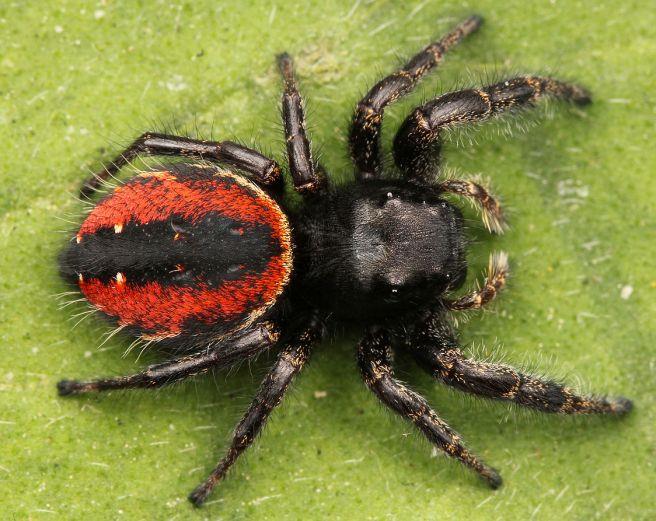
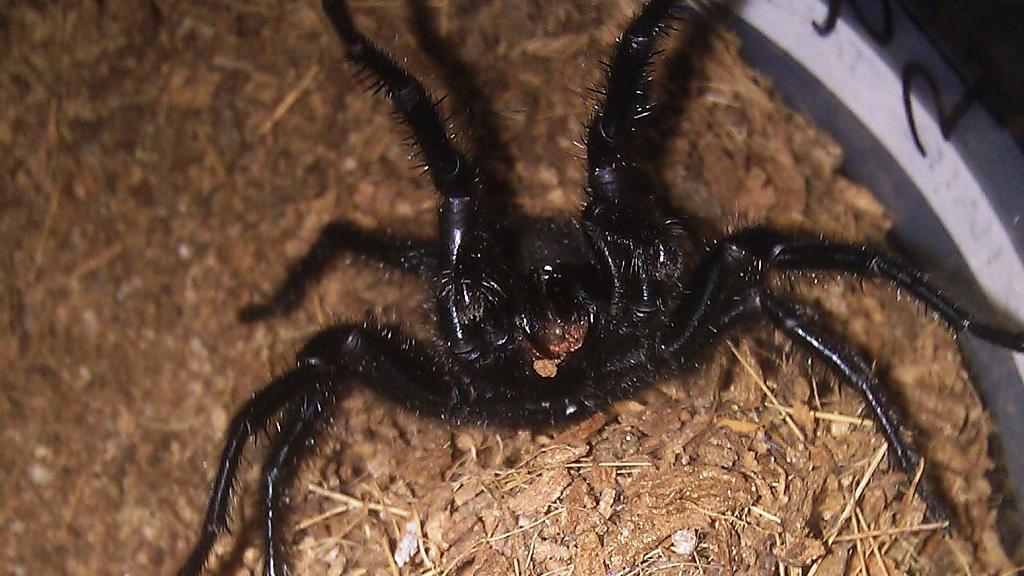
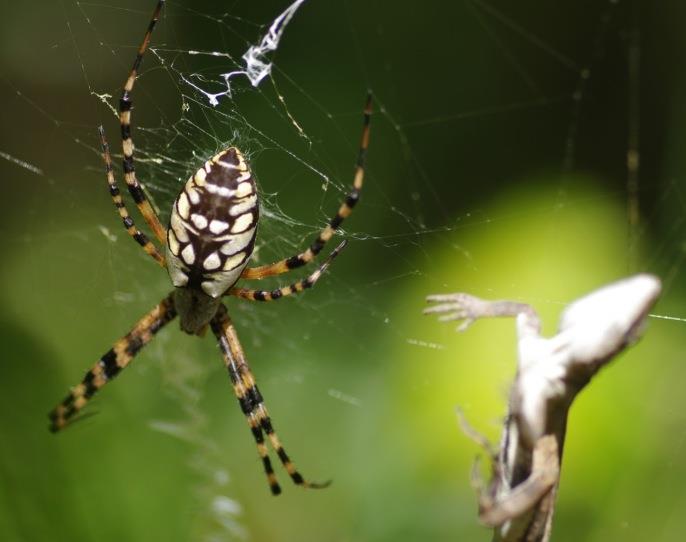
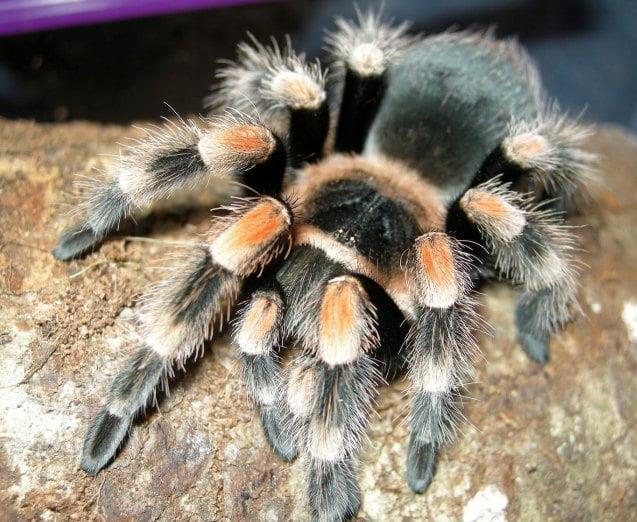
The spider most Australians call a "red house spider" is almost always one of the native house spiders in the genus Badumna, usually the grey house spider (Badumna longinqua) or the black house spider (Badumna insignis). They are common around buildings, they build messy lacy webs with a funnel retreat, and they mostly keep to their corner if left undisturbed. As a "look, don't handle" pet they are calm, low-fuss and genuinely interesting to watch up close. The catch is that they are legal to keep only when you find them locally, and a house spider that escapes its enclosure is a spider you will not find again.1, 2
A quick note on the name
"Red house spider" is not a standardised Australian common name. The references use "grey house spider" and "black house spider" for the two Badumna species people usually mean. Some individuals can look warmer or browner in certain light, but they are not reliably red. If someone sold or described one to you as a "red house spider", they were almost certainly talking about a Badumna.1, 2, 3
Appearance and Identification
A Badumna house spider is a small, sturdy web-builder that is easier to identify by its web than its colour.
- Size: adults usually sit in the 1 to 2 cm body-length range, with females larger than males and some variation by species and individual.1, 3
- Colour: typically dark brown to black or greyish, often with a faint pale pattern on top of the abdomen.1, 3
- Web: a messy, lace-like sheet with one or more funnel-like retreats tucked into a crack or crevice such as a window frame, brickwork, bark or a rock wall.1, 2
Temperament and Bite Risk
House spiders generally avoid contact and stay close to their retreat. Bites are uncommon and usually happen when a spider is trapped against skin, for example inside clothing or when someone reaches into a crevice. Take any bite seriously at first if you are not sure what bit you, but most spider bites do not cause severe illness. If there is any chance the spider is a funnel-web or mouse spider, use a cautious first-aid approach and seek urgent advice.2, 4
First aid basics (Australia)
- For most minor bites and stings: wash with soap and water, use a cold pack for pain and swelling, and monitor symptoms.4
- If a funnel-web or mouse spider bite is suspected: call 000, apply a pressure immobilisation bandage and keep the person still.4
- If a redback bite is suspected: do not use pressure immobilisation. Use a cold pack and seek medical advice if pain is severe or symptoms spread beyond the bite site.4
Is a House Spider Right for You?
This is a pet you observe, not one you interact with. A house spider can be a calm, low-fuss animal to watch at close range, but it is not social, it will not respond to you like a mammal, and it can be stressed by constant disturbance. A secure enclosure matters more than almost anything else here, because a roaming spider in a house quickly becomes one you cannot locate. Legality also depends on where the spider came from: in Australia you generally cannot import invertebrates as pets, so a legal pet house spider is one you found locally, not one bought in from overseas.7
Housing
A small, well-ventilated container beats a large, damp terrarium. House spiders do best when they can anchor a web and retreat into something tight and dark, rather than living in constant moisture.
- Enclosure: a clear plastic container or small glass tank with a secure, ventilated lid. A merely "tight" lid is not enough. Use a locking or clipped lid if you can.
- Ventilation: keep good airflow. Stale, wet enclosures are a common cause of mould and mite problems in invertebrate keeping.
- Furnishings: add a piece of bark, a folded section of cardboard or a small log to create a stable crevice-like retreat where the spider can sit back from the web.1, 2
- Substrate: optional. If used, keep it on the dry side and spot-clean regularly.
- Water: instead of a deep dish, use a very shallow cap or lightly mist one side occasionally so droplets form. Avoid soaking the whole enclosure.
Diet and Feeding
Badumna house spiders are predators that take insects caught at the edge of the web. Around homes they feed on moths, beetles, termites and other night-flying insects drawn to lights.1
- Best foods: small crickets, small cockroaches, moths and flies, prey that is smaller than or roughly similar to the spider's body length.
- Frequency: many adult spiders do fine with one or two appropriately sized insects a week. Reduce this if prey is left uneaten.
- Avoid: fruit and vegetables, which they do not eat, and leaving large live prey in the enclosure for days, which can stress or injure a spider during moulting.
Handling
Handling is not necessary for a healthy pet spider, and it raises the risk of both bites and accidental injury, since a fall can be fatal for some spiders. If you need to move the spider, guide it gently into a container using a soft brush or a piece of cardboard. Treat it like a small, skittish animal that lives by vibration and shadow. If children are involved, the simplest rule is still the safest: look, don't touch.2
Lifespan and Breeding
Females can live for around two years in some Badumna species, with males often shorter-lived. Females may produce multiple egg sacs, kept within the retreat area of the web, and they stay with the sacs until the spiderlings hatch.1
Common Problems in Captivity
- Dehydration: the spider looks sluggish and stays tucked away. Check that droplets are available occasionally and that the enclosure is not baking in the sun.
- Too much humidity: mould, mites and a sour smell. Increase ventilation and reduce misting.
- Moulting trouble: often linked to stress, poor ventilation or prey left in the enclosure. Keep the environment stable and leave the spider undisturbed.
Legalities in Australia
It is not accurate to say these spiders are "legal to keep as pets in most countries". Rules vary widely by jurisdiction. In Australia the main legal line to know is importation: invertebrates, including spiders, are not permitted to be imported as pets, and permitted imports are generally limited to research or zoological purposes under strict controls.7 If you are keeping a spider you found locally, check your state or territory wildlife rules when in doubt, especially if you plan to buy, sell, transport across borders or keep large numbers.
References
- Australian Museum, Black House Spider (Badumna insignis)
- Australian Museum, Spiders in the House and Garden
- Museums Victoria, Black House Spider (Badumna insignis) species information
- Queensland Government (Health), Bites and stings: first aid guidance (including spider bites)
- Atlas of Living Australia, Badumna longinqua (Grey House Spider)
- Australian Government DCCEEW, Live Import List
- Australian Government DAFF, Unique or exotic pets (invertebrates not permitted as pets)
- Australian Government DAFF, Invertebrate animals: importing live invertebrates into Australia

Dog lover and writer at My Pets Australia, sharing practical breed guides and care advice for Australian pet owners.