Pet Spider Risks and how to avoid them
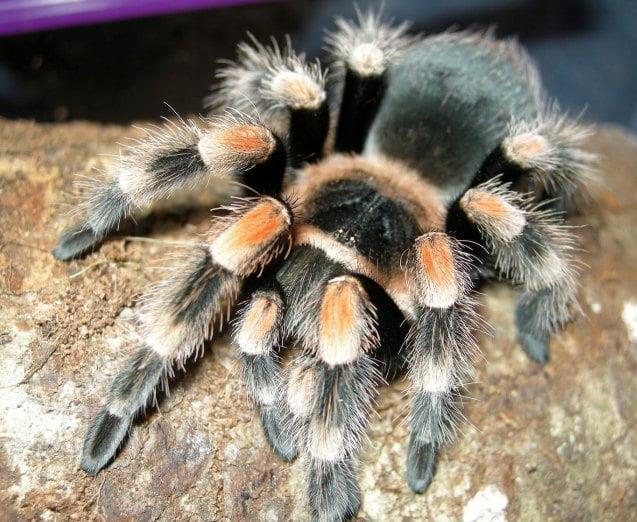
A pet spider asks very little of you, which is a large part of the appeal: no walks, no noise, no daily fuss, just a quiet animal in a stable enclosure. People usually arrive at the topic one of two ways, either fascinated by an eight-legged tenant that has moved into the house, or weighing up a captive spider and wanting to know what can go wrong. The honest answer is that the risks are real but mostly predictable. A painful bite from the wrong species, an escaped spider loose in the house, and legal trouble from keeping or trading without the right approvals are the three that matter. Keep the animal in its enclosure, handle it rarely, and know the first aid in advance, and most of the trouble never starts.1, 2
The real health risks are smaller than the internet suggests
Most of the everyday risk with spiders is not infectious disease. It is injury to you or the spider, allergy, and knowing how to manage a bite. Claims that pet spiders commonly spread Salmonella, E. coli or Cryptosporidium to people are usually borrowed from reptile and general animal-handling advice, and they do not reflect how spiders are actually kept. What is true is that any neglected enclosure can build up mould, mites, rotting feeder insects and bacteria, and dirty hands move germs into mouths, eyes and food.
The hygiene that helps is low-drama:
- Wash your hands after touching the enclosure, substrate, water dishes or feeder insects.
- Keep feeder insects and their containers away from kitchens and eating areas.
- Spot-clean dead prey and mouldy substrate promptly, then do periodic full cleans without harsh fumes.
- Avoid cleaning sprays or insecticides in or near the enclosure, since spiders are sensitive to residues.
Bites and venom in Australia
Most spider bites are minor, and many suspected spider bites turn out to be something else entirely. Australia does have medically important species though, and the correct first aid depends on which spider bit you.1, 3
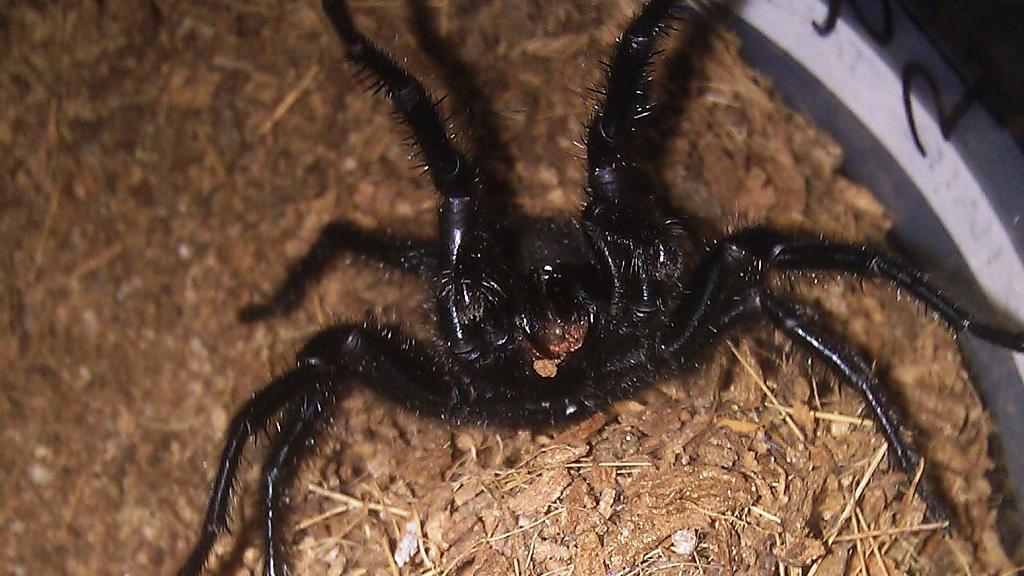
For severe envenomation, the main concerns are the Sydney funnel-web and its close relatives, and mouse spiders. These are the cases where pressure-immobilisation is used and urgent treatment matters.1, 2
Redback bites can cause significant pain and systemic symptoms, especially in children, but the first aid is different. Pressure-immobilisation is not used for redback bites, because it can worsen pain and does not help in the same way.1, 5, 6
White-tailed spider bites are often discussed online in alarming terms. If symptoms are concerning or worsening, treat it as a medical issue, but do not assume every painful or ulcerating skin lesion is a spider bite. The safest habit is to seek medical advice when symptoms progress or you cannot confidently identify what happened.3
First aid, in plain language
- Suspected funnel-web or mouse spider bite: apply a pressure-immobilisation bandage, splint the limb, keep the person still, and call an ambulance.1, 2, 3
- Suspected redback bite: do not use pressure-immobilisation. Use a cold pack for pain and seek medical advice, especially for children or severe pain.1, 5, 6
- Any bite with severe symptoms, such as breathing difficulty, collapse, rapidly spreading pain, vomiting, heavy sweating, severe headache, or a child who looks unwell: get urgent medical help.3
Safe handling means less handling
Most pet spider incidents happen during handling. A spider does not need to be held to be well kept, and frequent handling only raises the chance of bites, drops and escapes. The skill is a container transfer, not your hands.
- Use a clear cup or tub and a stiff card to guide the spider in and cover the opening.
- Keep your movements slow and the room closed, with doors shut and gaps blocked, before you open the enclosure.
- Plan the transfer first: new enclosure open and ready, lid within reach, no pets underfoot.
- If you must use tools, use soft brushes or long forceps carefully, and avoid pinning legs or the abdomen.
If you are trying to capture a spider for identification after a bite, the jar-and-card method is recommended by Australian experts, but only if it is safe to do so.1
Choosing a species: safe starts with appropriate
In Australia, the safest pet spider is usually one that is legally sourced, not medically significant, and content in a stable enclosure without handling. Avoid keeping, or attempting to keep, high-risk species such as funnel-webs and mouse spiders. If you cannot reliably identify the spider, or you bought it from someone who could not tell you exactly what it is, treat that as a red flag rather than a mystery to solve later.1, 3
Housing that prevents escapes and stress
A good spider enclosure is simple and tight. The goal is an escape-proof, stable micro-habitat that suits the species. Burrowers need depth and structure, web-builders need anchor points, and wandering hunters need floor space and hides.
- Secure lid and ventilation: fine mesh or drilled vents that a small spider cannot squeeze through.
- Stable placement: out of direct sun, away from heaters and draughts, away from vibration.
- Hides and substrate: enough cover for the spider to retreat, with substrate matched to its humidity needs.
- Routine checks: latches, mesh corners and cable holes are where escapes start.
If the spider gets out
Escapes happen quietly. A lid left ajar, a warped plastic corner, a feeding hatch not clipped down. If a spider is missing, treat it as an immediate safety task.
- Close the room and block the gap under the door with a towel.
- Remove clutter from the floor and along walls, then check dark edges: behind furniture, under skirting, inside shoes.
- Use a torch at a low angle to pick up silk lines and movement.
- If you find it, use a container capture with a cup and card. Do not grab.
If you are seeing repeated webs, egg sacs and multiple spiders across rooms, that may be a broader household issue rather than one escaped animal. Physical removal and sealing entry points is the first line. Use chemical treatments cautiously and according to label directions, especially if you keep a pet invertebrate that could be affected by drift or residues.
Legal restrictions in Australia
Spider keeping rules vary by state and territory, and the category can be confusing, spanning wildlife, invertebrates and protected animals. Before buying or swapping spiders, check your local wildlife authority and licensing requirements.
In Queensland, the government sets out a licensing framework for keeping protected native animals, and the licence conditions differ by what you keep and what you intend to do with it, whether keeping, breeding, trading or display. Their advice explicitly covers protected spiders and scorpions under certain licence types.4
In New South Wales, native animal keeper licensing applies to many native species. It requires you to use the official species list and comply with licence conditions, including record-keeping, and requirements and eligibility vary by licence class and animal group.7
Importing live pet spiders from overseas is a separate legal problem. Australian Government biosecurity advice states that importing terrestrial invertebrates as pets, including spiders, is not permitted. Imports of live invertebrates are generally limited to research or other tightly controlled purposes, and require permits assessed case by case.8, 9
Children and other pets: simple boundaries
Treat a spider enclosure like a fish tank with a locked lid: look, do not touch.
- Keep the enclosure out of reach, ideally in a room that can be closed.
- Never allow unsupervised handling, even with docile species.
- Keep cats and dogs away from the enclosure, since pawing, knocking and curiosity can create bites and escapes.
- Store feeder insects securely, because loose crickets become a household nuisance quickly.
The Bottom Line
A pet spider is mostly a lesson in quiet husbandry: steady temperature, clean corners, minimal interference. The risks shrink when the spider stays in its enclosure, the enclosure stays shut, and everyone in the house knows what to do if a bite or an escape happens.1, 3
References
- Australian Museum, Spider bites and venoms (first aid and pressure-immobilisation guidance)
- healthdirect, Spider bites: symptoms and first aid
- healthdirect, When to seek medical advice for spider bites
- Queensland Government, Licences to keep, use or display native animals (includes spiders and scorpions licensing notes)
- Royal Children's Hospital Melbourne, Clinical practice guideline: Redback spider bite
- HealthyWA (Perth Children's Hospital), Spider bite guideline (pressure immobilisation not recommended for redback)
- NSW Environment & Heritage, Apply for a native animal keeper licence
- Australian Government Department of Agriculture, Fisheries and Forestry, Unique or exotic pets (invertebrates as pets not permitted to be imported)
- Australian Government Department of Agriculture, Fisheries and Forestry, Importing live invertebrate animals (permit and purpose restrictions)

Dog lover and writer at My Pets Australia, sharing practical breed guides and care advice for Australian pet owners.