Pet Garden Spiders
Garden spiders are the web-builders and ground hunters most Australians notice around the yard at dusk, and "garden spider" is a loose label rather than a single species. It can mean an orb-weaver strung across a wheel-shaped web, a wolf spider prowling the ground, or a jumping spider watching from a fence post. They are genuinely absorbing to observe up close, a small predator built for a very specific job, and watching one hunt or repair its web holds the attention longer than you would think. Most, though, are built for web life and open ground, not for handling or long captivity. The calm approach is to identify what you actually have, check your local wildlife rules, then decide whether to watch and release or keep it briefly with minimal interference.
"Garden spider" is not one species
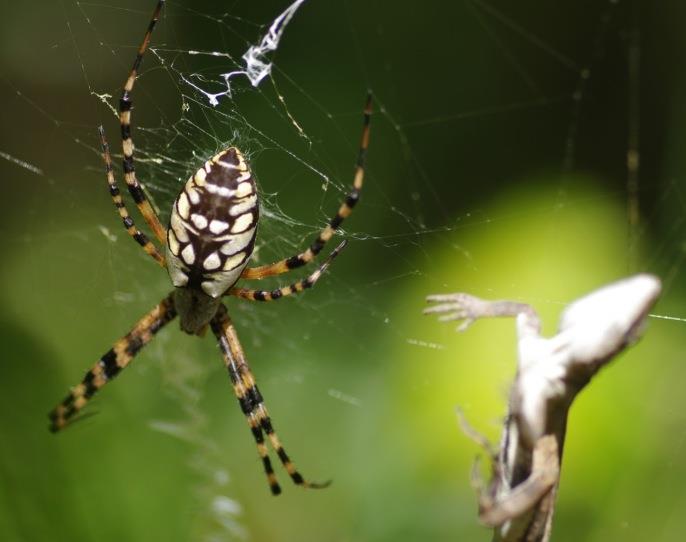
Care differs because hunting style differs. In Australia the label can mean an orb-weaver hanging in a wheel-shaped web, a wolf spider hunting on the ground, or a jumping spider watching from a fence post, so the first job is always working out what you actually have. One common group is the Garden Orb-weaving Spiders, including Eriophora species, found widely across Australia. They build orb webs to catch flying insects, then wrap prey in silk before feeding.1
Check the law where you live
The rules come before anything else. In some jurisdictions you may need a permit to keep spiders, and you may be restricted from taking wildlife from the wild, especially threatened species. The Northern Territory, for example, requires permits and proof of purchase for pet spiders and warns against removing threatened species from the wild.2 Ownership depends on state law, so check with your state or territory wildlife authority before you keep anything. Observing and releasing is often the simplest and most humane choice.
What you might find in the garden
The three types you are most likely to meet each want a different setup.
Orb-weavers
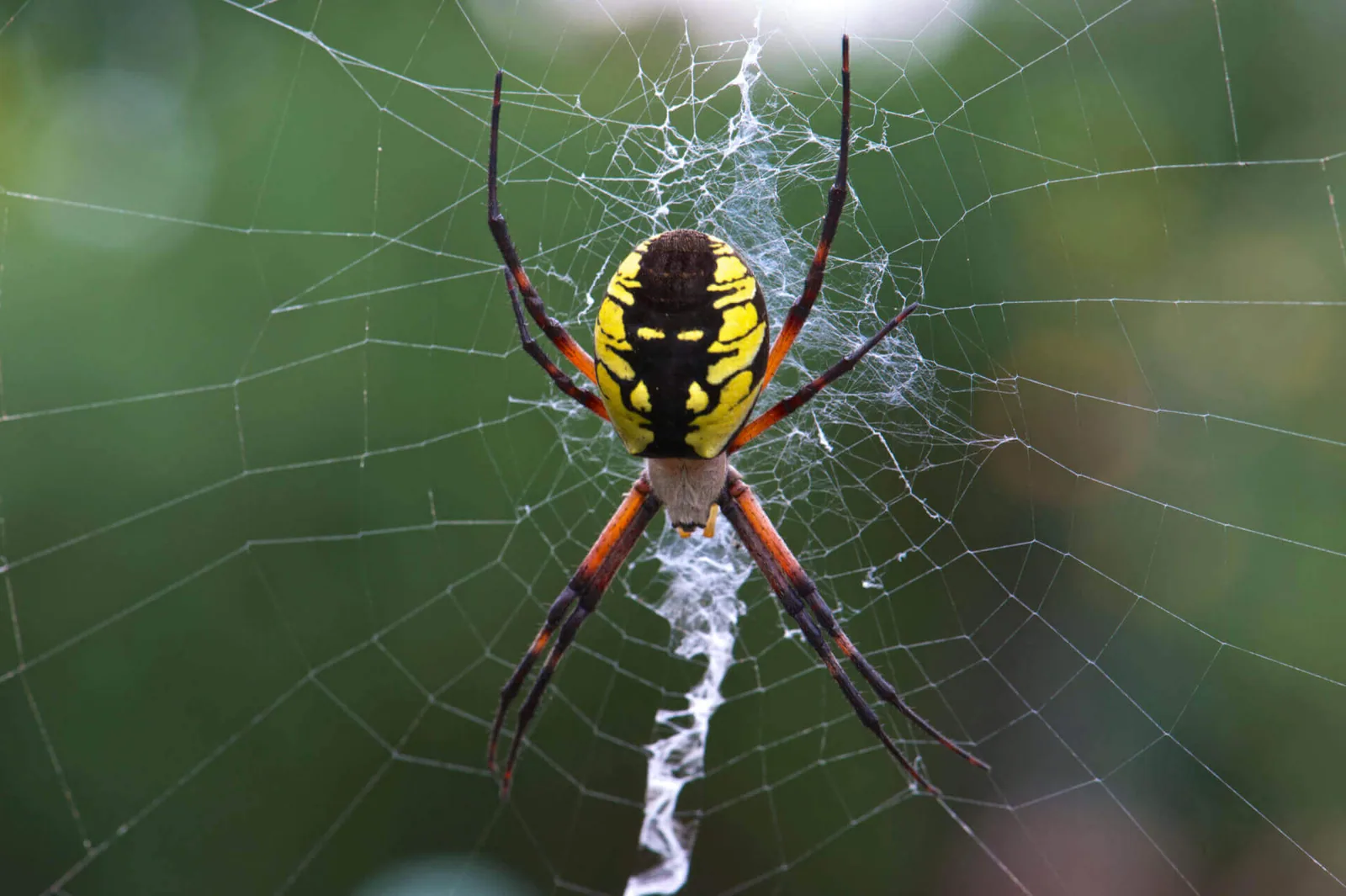
These are the classic garden web spiders. They are web specialists, placing a large, sticky, wheel-shaped web where insects fly, then responding to vibrations when prey hits the silk.1 They are usually better observed outdoors. Indoors they often struggle to build a functional web in a small container, and feeding becomes hit-and-miss.
Jumping spiders (Salticidae)
Jumping spiders do not rely on a large capture web. They hunt with sharp vision and short, controlled pounces. In a small enclosure they can be easier to accommodate than a big web-builder, provided there is ventilation, climbing surfaces, and suitable live prey.
Wolf spiders
Wolf spiders roam and ambush rather than building orb webs. They need floor space, shelter, and a substrate that stays dry enough to avoid mould but not so dry that the animal dehydrates.
Quick ID checks
- Big wheel-shaped web at night: likely an orb-weaver.1
- No web, fast on walls or windows, and it "faces" you: often a jumping spider.
- On the ground under mulch or rocks, runs rather than climbs: often a wolf spider.
If you are unsure, treat it as a look, do not handle animal until it is identified.
Housing
The enclosure has two jobs: keep the spider in, and keep air moving. Spiders can squeeze through small gaps, so a well-sealed container with a lid that has small ventilation holes is commonly recommended. Add substrate plus leaf litter, sticks, or bark so the spider can hide and move naturally.2 Place the enclosure in a bright, warm, shaded spot, not in direct sun, which can overheat a small container quickly.2
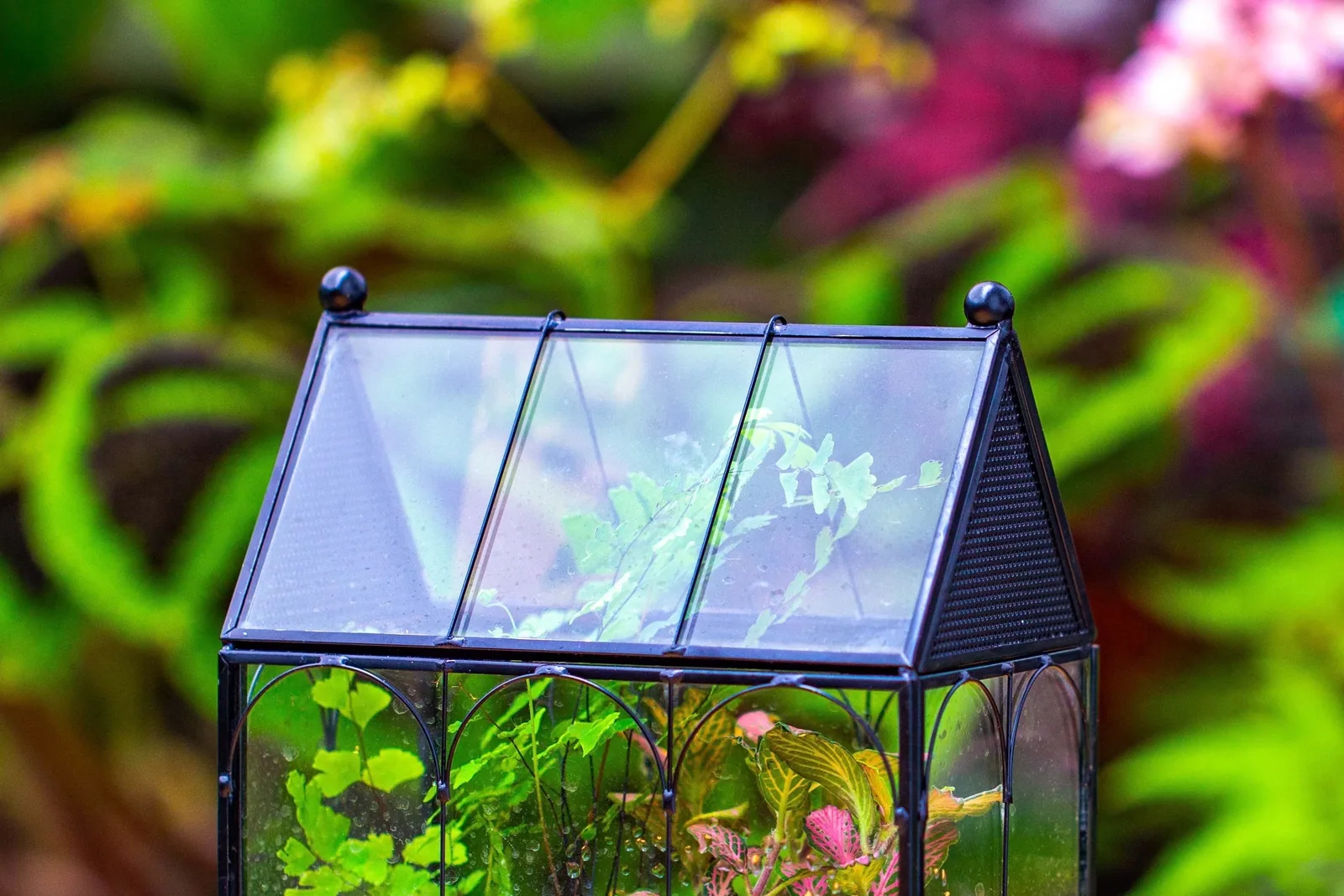
If you are keeping an orb-weaver temporarily, give it vertical space and multiple attachment points such as twigs, mesh, or branches. Without good web anchors they may repeatedly attempt web construction, damaging silk and wasting energy.
Food and water
Spiders are predators, not omnivores, so despite what some older care notes claim, they do not eat plant matter.2 Many will take live insects such as flies, moths, crickets, or grasshoppers, depending on the spider's size and species.2

- Feed once or twice a week as a general starting point, adjusting for size, species, and whether prey is being taken.2
- Avoid pesticide exposure. If you collect insects yourself, make sure they have not been sprayed.2
- Provide water in a shallow dish, for example a bottle cap, so there is moisture without flooding the enclosure.2
Handling
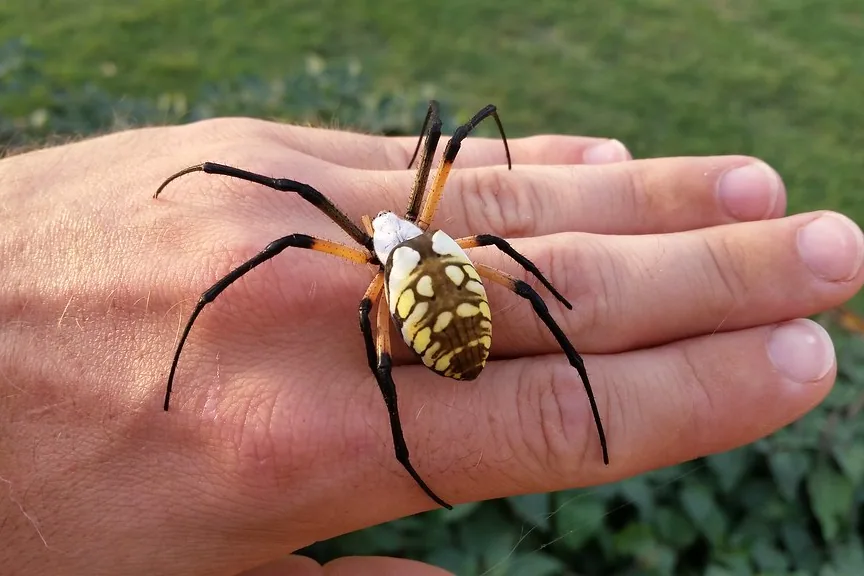
Handling is where most problems start: stress, falls, and bites. If you must move a spider, use a container-and-card method rather than fingers, especially if you cannot identify the species. Official guidance commonly recommends handling spiders only when necessary, watching for signs of stress, and washing your hands before handling to reduce disease risk to the animal.2
Signs of a healthy spider, and common problems
Healthy behaviour varies by species, but common signs include settling into a regular hiding spot or web location, a steady posture with coordinated movement, and feeding responses that suit its hunting style, whether that is a web strike for orb-weavers or active stalking for hunters. For orb-weavers, it is normal to see them resting off the web during the day, then becoming more active around dusk and overnight.1
When something is off, the fix is usually in the setup:
- Not eating is often caused by unsuitable prey size, low temperatures, lack of concealment, or too much disturbance. Offer smaller prey, reduce handling to near zero, and make sure the spider has cover.
- Mould and mites usually mean stale food, poor ventilation, or a wet substrate. Remove uneaten prey promptly, improve airflow, and keep the enclosure dry enough to prevent fungal growth while still providing a water source.2
- Dehydration or heat stress comes from small enclosures swinging hot quickly. Keep the container out of the sun and provide a reliable water source.2
How long they live
Many common garden orb-weavers have a short, seasonal life cycle. The Australian Museum notes a lifespan of around twelve months for female Garden Orb Weavers, with eggs laid in late summer to autumn and adults typically dying off by autumn to early winter.1 That short window is worth knowing before you get attached to a wild orb-weaver.
Bites and first aid
Many orb-weavers are reluctant to bite, and effects are often mild and local, but any bite should be taken seriously if symptoms spread, worsen, or if the spider might be a medically significant species.1 If you are bitten and feel unwell, seek medical advice promptly. For first aid and emergency steps, follow your state or territory health guidance. The NT Government provides detailed first-aid instructions for spider bites and stresses getting medical assistance.2

The Bottom Line
A pet garden spider is best treated as a short-term window into wild life, a small predator built for a particular niche. Identify the spider first, check your local rules, then set up a secure, ventilated enclosure that matches how it lives, web-builder or hunter. Feed sparingly, keep it clean, and handle as little as possible. For many people the honest answer is to observe it in the garden and leave it there.
References

Dog lover and writer at My Pets Australia, sharing practical breed guides and care advice for Australian pet owners.