Pet Pink Toe Tarantula
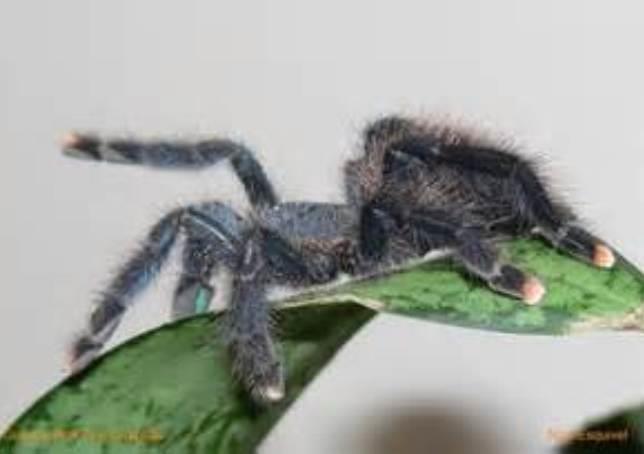
The pink toe tarantula is one of the most popular starter tarantulas, and it earns that reputation. The species usually sold under the name, Avicularia avicularia, is a tree-dwelling spider from northern South America with soft pale pink pads on the ends of its feet and a habit of building silken retreats up high in foliage or cork bark. It is generally calm compared with the more defensive species, so people tend to keep it as an animal to watch rather than a display of aggression. The main thing to get right is the enclosure: tall, airy, with clean water always on hand and only light, carefully managed humidity. Get that balance wrong and a pink toe fails quietly, which is where most of the trouble starts.1, 2, 3
What "pink toe tarantula" usually means
In the pet trade the name almost always points to Avicularia avicularia, a New World tarantula named for the pale pink pads at the tips of its feet. It is arboreal, meaning it lives up in the branches rather than on the ground, and it webs a tube-like retreat among leaves, cork or timber.2, 3, 8
It is often described as relatively calm next to more defensive tarantulas. It is also quick, agile and prone to sudden jumps, which makes it more a spider to observe than one to pick up.2, 3
Temperament and behaviour
Pink toes spend most of their time perched in the upper half of the enclosure, especially once they have built a webbed retreat among the leaves, cork or branches. They get more active after dark, when they are more likely to roam and hunt.2, 3
When something disturbs them they tend to bolt or jump rather than stand their ground. That skittish speed is the real handling risk, not aggression. A short fall can injure a tarantula's abdomen, and a startled spider can disappear behind furniture in seconds.2, 3
Enclosure setup: tall, cluttered and airy
Because Avicularia avicularia is arboreal, vertical height matters far more than floor space. A secure, escape-resistant lid is not optional. Tarantulas climb smooth surfaces like glass and plastic with ease, and a small gap is all one needs to get out.7
Core setup
- Orientation: a tall enclosure with usable height and plenty of anchor points for webbing, such as a cork bark slab, branches and artificial foliage.2, 3
- Ventilation: strong cross-ventilation, with air moving in and out through vents on different sides, to avoid stagnant, humid air.1, 2
- Substrate: a modest layer of coco fibre or coir to buffer moisture and keep things hygienic. This species does not need deep burrowing substrate.1, 2
- Water: a shallow water dish available at all times and kept clean.1, 3
Humidity and the stale air trap
Care sheets often quote mid to high humidity ranges, but with pink toes the more useful target is fresh air plus a water source, with only light, occasional misting if the enclosure is drying out too fast. Piling on humidity in a poorly ventilated enclosure is a common route to mould and a stressed, unhealthy spider.1, 3
Temperature
Typical guidance for A. avicularia sits around normal indoor warmth, roughly the low to mid 20s C, with many keepers aiming across the low to high 20s C and avoiding long cold spells.1, 2, 3
Feeding and nutrition
Pink toes are insectivores. Offer prey that is smaller than the spider's body, and remove anything uneaten, especially if a moult looks near, because live prey can injure a soft, freshly moulted tarantula.3
What to feed
- Crickets
- Roaches
- Other suitably sized feeder insects
Gut-loading the feeders, meaning feeding the insects well before you offer them, improves the nutritional value of each meal.1
How often
Exact schedules vary with age, temperature and the individual spider. Many care guides feed juveniles more often than adults, with adults commonly eating around weekly or slightly less. Appetite often pauses before a moult.1, 3
Moulting: what is normal, what to avoid
Moulting is when a tarantula sheds its old exoskeleton. Many tarantulas moult on their backs, sometimes on a web hammock, and the process can run for hours, longer for larger animals.7
- Do not handle or disturb a tarantula during a moult.
- Remove live prey if you suspect a moult is imminent.
- Keep water available and the enclosure stable.
Handling: keep it rare, keep it low
Routine handling is not recommended for pink toes. The risk is not aggression, it is speed and height. If you must move the spider, guide it into a tub with a soft brush rather than lifting it onto your hands.2, 3
New World tarantulas can also defend themselves by flicking urticating hairs from the abdomen. These barbed hairs irritate skin and, if they get into the eyes, can cause serious inflammation. That is another reason to avoid close face-level handling and to wash your hands after any enclosure work.6
Common problems and quiet fixes
Refusing food
Short fasts are common, especially before a moult. Check the basics first: water dish full, enclosure not swampy, and a secure retreat in place. If the abdomen is plump and the spider is otherwise steady, patience is usually the right move.1, 3
Mould and condensation
Mould usually means too much moisture and not enough airflow. Improve cross-ventilation, let the enclosure dry out a little, and keep the water dish clean instead of misting heavily.1, 2
Dehydration signs
A lethargic spider with a noticeably shrunken abdomen may be dehydrated. Provide fresh water at all times and make sure humidity has not crashed for long stretches. If you are unsure, consult an exotics-capable vet, because tarantulas hide problems until they cannot.1, 3
Australian legal and ethical notes
Whether you can legally keep a tarantula in Australia depends on your state or territory, so check the local rules before you buy. In Queensland, native tarantulas (family Theraphosidae) are regulated, and keeping one requires the appropriate licence and legally sourced animals. Collecting from the wild without a licence is illegal, and releasing a captive spider is never an option.4, 5
If you are looking at an imported pink toe species, check your obligations first. Australia treats exotic animal importation and biosecurity seriously, and illegal imports can carry heavy penalties.4, 5
References
- Tarantula Cribs, Avicularia avicularia (Pinktoe) care guide
- The Tarantula Vault, Avicularia avicularia tarantula care
- The Tarantula Collective, Avicularia avicularia care sheet
- Queensland Government, Australian tarantulas (Theraphosidae): living with wildlife
- Queensland Government, Exempt, prohibited and species class listings (includes tarantulas)
- Australian Museum (archived PDF), notes on tarantula urticating hairs and irritation risk
- Australian Museum, Australian tarantulas (behaviour, moulting, climbing and escape ability)
- Stradling DJ (1978). "The growth and maturation of the 'tarantula', Avicularia avicularia L." Zoological Journal of the Linnean Society

Dog lover and writer at My Pets Australia, sharing practical breed guides and care advice for Australian pet owners.