Pet Jumping Spiders
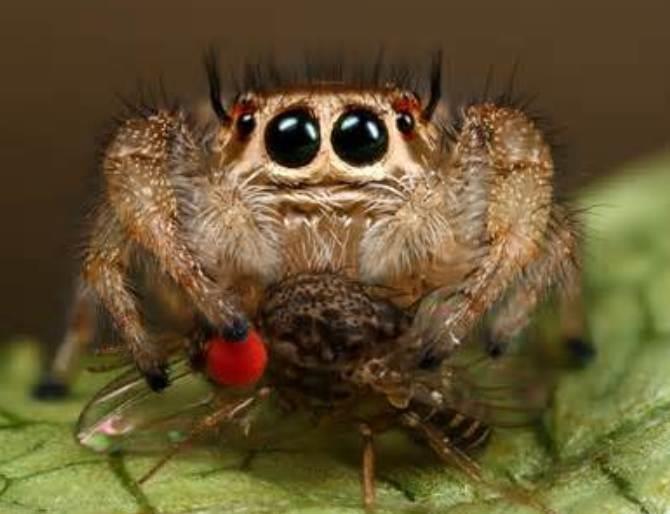
Jumping spiders (family Salticidae) are compact, day-active hunters, and among the most watchable invertebrates you can keep. They stalk and pounce rather than spin capture webs, and their forward-facing eyes let them judge distance with real accuracy, which is unusual for a spider. They are hardy little animals when the setup is right: a dry-fresh enclosure with pockets of humidity, prey sized to the spider, and gentle handling. Most people look them up for one of two reasons, either they have found a bright-eyed jumper at home and want to keep it safely, or they are choosing a captive-bred one and want a care setup that will not end in dehydration, mould, or a missing spider. The care basics are plain and practical.1, 2
Size: typically 2 to 25 mm (varies by species)
Lifespan: often around 1 to 2 years; some species and individuals live longer, especially females
Colour: varied (often brown, black, grey; some species are vividly patterned)
Temperament: alert, curious, mostly tolerant when left undisturbed
Activity level: diurnal (active by day)
Diet: live insects and other small invertebrates
Habitat: a secure, well-ventilated enclosure with vertical climbing surfaces and hides
Special needs: light misting and drinking opportunities without a constantly wet enclosure
Health issues: most problems are husbandry-related (dehydration, bad moults, mould or mites from poor ventilation or hygiene)
Grooming: none required
Jumping spiders, in plain terms
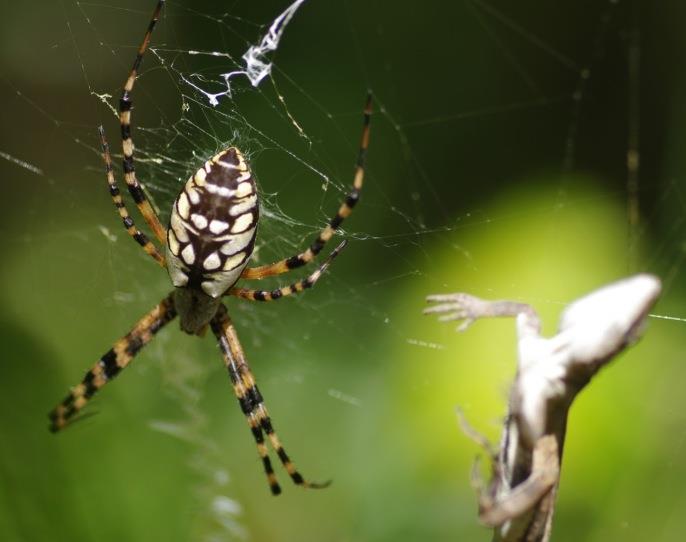
Jumping spiders are found across Australia and much of the world. Unlike orb-weavers, they do not build capture webs. They stalk and pounce, trailing a fine safety line of silk as they go.1
Their standout feature is a pair of large, forward-facing principal eyes. Those eyes do more than detect movement. They help the spider gauge distance with surprising precision, using optical blur cues inside the eye itself.2, 3
What they are like to watch
A healthy jumper spends time perched high, scanning, then moving in quick, precise bursts. Many build a small silk retreat, usually near the top of the enclosure, which they use for resting and moulting.
They can look engaged because they orient toward movement, but it is more accurate to call this attentive hunting behaviour than affection. They are small predators with simple needs: warmth, air, water, and prey of the right size.
Are they safe to handle?
Most jumping spiders are reluctant to bite, and bites are generally mild when they do happen. Even so, any spider can bite if trapped or stressed, and anyone can have an allergic reaction to a bite.4
- Handle over a soft surface.
- Let the spider walk onto your hand; do not pinch or grab.
- Keep sessions brief, especially around moulting time.
Choosing a species: the Australian reality
Start with the law, because it shapes your options. In Australia, the safe and simple route is a captive-bred jumping spider from a reputable local breeder, keeping only what is legal in your state or territory. Do not buy imported exotics online.
Federal biosecurity rules are strict. Importing live invertebrates as pets is not permitted, spiders included, except under specific research or zoological conditions.5
What a healthy jumper looks like
- Alert posture and coordinated movement.
- Clear eyes and clean legs, with no visible mites.
- A steady feeding response, though appetite may drop before moulting.
- A secure enclosure that opens from the front or side, not straight down onto the spider's retreat.
Housing: a small, vertical world with fresh air
Jumping spiders use height, so give them vertical surfaces, clutter to explore, and a calm top area for a retreat. The most common mistake is chasing humidity by keeping everything wet. Humidity helps, but stale air and soggy substrate invite mould.
Enclosure basics
- Secure lid and fine ventilation: small gaps are enough for a jumper to disappear.
- Cross-ventilation: vents on more than one side help prevent mould and bacterial build-up.
- Front or side opening: jumpers often web and rest near the top, and top-opening enclosures frequently tear retreats.
- Furnishings: cork bark, twigs, and artificial foliage create climbing routes and hiding pockets.
Temperature and light
Most pet jumpers do well at steady indoor temperatures. Avoid hot windowsills and direct sun on the enclosure, since small volumes overheat quickly. If you add heat, keep it gentle and leave a cooler area so the spider can choose its spot.
Water and humidity: enough to moult, not enough to rot
Jumping spiders dehydrate easily in very dry air, especially around moulting. Constantly wet enclosures, on the other hand, breed mould and mites. Aim for a rhythm of light misting, then drying out with good airflow.
- Mist a wall lightly rather than soaking the substrate.
- Provide a small water droplet the spider can drink from, on a wall or leaf, refreshed regularly.
- Increase humidity slightly during pre-moult and moulting, while keeping ventilation strong.6
Feeding: prey size matters more than variety
Offer live prey smaller than the spider's body. Fruit flies suit tiny juveniles, while small crickets or roaches suit larger individuals. Overlarge prey can injure a spider, particularly during or just after moulting.
- Remove uneaten prey if the spider is not feeding, particularly around moulting.
- Feed less often as a moult approaches; appetite usually drops on its own.
- Keep feeders clean and, where appropriate, gut-load them so they are more nutritious.
Moulting: the quiet, vulnerable phase
Moulting is when most losses happen in captivity, usually because conditions are too dry, too wet, or the spider is disturbed. A jumper may seal itself into its retreat and stay still for days. That is normal.
- Do not handle or check the spider inside its retreat.
- Keep water available through light misting, without flooding the enclosure.
- After the moult, wait until the spider is moving confidently again before offering larger prey.
Health issues you can prevent
Dehydration
Signs include lethargy, poor coordination, and a shrunken abdomen. Offer drinking droplets and review ventilation and misting frequency. Do not keep the enclosure soggy.
Mould and mites
Mould is usually a ventilation problem first and a cleaning problem second. Reduce organic material that stays wet, improve cross-ventilation, and replace any mouldy decor. If mites appear, quarantine the spider, clean or replace furnishings, and reassess moisture and feeder hygiene.
Breeding, only if you are prepared
Breeding jumping spiders can be straightforward for experienced keepers, but it quickly becomes a numbers game. Egg sacs can produce many spiderlings, and they often need separating to prevent cannibalism as they grow. Plan enclosure space, feeder supply, and a clear rehoming method before pairing adults.
Keeping more than one jumper
Most jumping spiders are best housed individually. Group housing tends to end in stress, missing limbs, or cannibalism, especially once the spiders have matured.
The Bottom Line
A pet jumping spider thrives in a small, tidy enclosure with height, hiding places, and steady fresh air. Keep moisture light and purposeful, feed prey that is safely sized, and leave the spider alone when it retreats to moult. Do those few things well and you will see the real character of a jumper: a patient observer, then a sudden, exact leap.1, 2
References
- Encyclopaedia Britannica: Jumping spider (family Salticidae)
- Nagata T. et al. (2012). Depth perception from image defocus in a jumping spider. Science (PubMed abstract)
- European Space Agency (ESA): Jumping spider vision (depth perception from defocus overview)
- Healthline: Jumping spider bite (typical symptoms and when to seek care)
- Australian Government DAFF: Unique or exotic pets (invertebrates such as spiders not permitted as pets)
- RSPCA Australia: Animal care information (general guidance on welfare basics: environment, diet, stress reduction)
- Australian Government DCCEEW: Live Import List (rules around importing live specimens)
- Australian Government DAFF: Invertebrate animals (biosecurity risks and import context)
- Taylor L.A. et al. (2022). Jumping spiders do not seem fooled by texture gradient illusions. Behavioural Processes (PubMed abstract)

Dog lover and writer at My Pets Australia, sharing practical breed guides and care advice for Australian pet owners.