Pet Huntsman Spiders
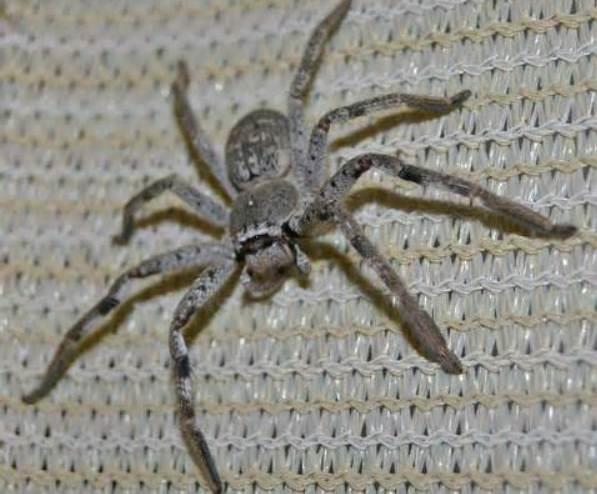
Huntsman spiders (family Sparassidae) are the fast, flat, long-legged spiders most Australians know from the wall or ceiling, and they are one of the few local spiders people genuinely consider keeping. They are hardy, tolerate simple captive conditions, and are fascinating to watch hunt. They are also widely regarded as low-risk to people, which is a big part of the appeal. The catch is that they are built for movement, so the real work is containment rather than care. Kept as a look-don't-touch animal in a secure enclosure, a huntsman can be a rewarding invertebrate to observe.1, 2, 3, 4
Quick Facts
Common name: Huntsman spider
Scientific group: Family Sparassidae3
Size: Usually described by leg span. Some species look very large on a wall, and size varies a lot between species.4
Habitat: Many species occur across Australia and shelter under bark, in rock crevices and inside human buildings.4
Behaviour: Mostly nocturnal hunters, fast runners, and excellent climbers on many indoor surfaces.4
Diet: Predatory. They take insects and other invertebrates, and opportunistically small vertebrates.4
Threat level to people: Generally low. Bites usually cause local pain and swelling, though some huntsman (notably the badge huntsman, genus Neosparassus) are reported to cause more unpleasant symptoms in some cases.2, 4
Are Huntsman Spiders Good Pets?
They earn the "easy pet" label because they cope with simple conditions and reward observation, but easy is a little misleading. A huntsman is built for wide-ranging, wall-climbing ambush and pursuit, so the main challenge is not feeding, it is keeping the spider contained and handling it calmly. For many households the most humane and least stressful option is still to capture and release the spider outdoors, or to leave it in place if it is not causing problems. If you do decide to keep one, plan around a secure enclosure and near-zero handling.
Safety: Bites, Symptoms and First Aid
Huntsman spiders are not classed among Australia's medically significant spiders, and bites are uncommon because these spiders tend to run rather than stand their ground. A bite can still happen if the spider is pressed against skin in bedding, clothing or towels, or grabbed during capture.
What a huntsman bite can feel like
- Local pain and swelling are the commonly described effects.4, 5
- Some species, including the badge huntsman (Neosparassus), have been linked to more intense local pain and broader symptoms such as sweating, nausea and vomiting in some reports.2
Simple first aid (Australia)
- Wash the area with soap and water.1, 6
- Apply a cold pack wrapped in cloth to reduce pain and swelling.1, 2, 6
- Seek medical advice urgently for severe pain, worsening symptoms, young children, or any signs of a serious allergic reaction such as swelling of the face, lips or tongue, wheeze, or trouble breathing.1, 6
Choosing a Huntsman Species
"Huntsman" is a broad group, not a single species. Behaviour, adult size and defensiveness (especially around egg sacs) all vary. If you cannot identify the spider confidently, treat it as a look-don't-touch pet and avoid risky handling. Identification also matters for your own risk assessment, since some huntsman such as the badge huntsman (Neosparassus) turn up more often in bite reports with stronger symptoms.2
Habitat Setup: A Secure, Simple Enclosure
Huntsman spiders are escape artists, so a good setup is less about decoration and more about containment, airflow and a place to hide.
Enclosure essentials
- Secure lid: tight-fitting and escape-proof, with no gaps around vents or doors.
- Ventilation: good airflow to prevent stale, overly damp conditions.
- Vertical structure: bark, cork or branches for climbing, plus at least one dark retreat.
- Substrate: a simple base layer so spills can be cleaned and humidity managed, kept on the dry side unless you have a reason to increase moisture.
Temperature and humidity
Rather than chasing a single ideal number, aim for stable, room-like conditions and avoid extremes such as heat spikes, direct sun on the enclosure, or persistently wet substrate. Many Australian huntsman are comfortable across typical indoor temperatures, provided they have shelter and ventilation.4
Feeding and Water
In captivity, huntsman spiders are usually kept on appropriately sized live insects. The most reliable routine is small meals at intervals, with the spider's abdomen size and activity guiding frequency rather than a strict schedule.
- Offer prey the spider can subdue without a prolonged struggle.
- Remove uneaten insects so they cannot harass the spider, especially around moulting.
- Provide water as droplets on the enclosure wall or in a very shallow dish. Drowning risk is low but not zero, and humidity can rise if water is left to evaporate in a poorly ventilated tank.
Handling: Keep It Minimal
A huntsman is best treated as an animal to watch, not to hold. They move quickly, and a startled sprint across your hands or up your arm is how most pet huntsman stories end.
- Use a cup-and-card method for transfers rather than bare hands.
- Move slowly and avoid cornering the spider against glass.
- Never handle during or soon after moulting, when the spider is soft and easily injured.
Health Issues
In captivity, most problems come down to husbandry: dehydration, poor ventilation, overheating, or stress from constant disturbance. A huntsman that hides continuously, refuses food for long periods outside seasonal shifts, or shows abnormal posture may be reacting to its conditions rather than being ill. For people, the main concerns after any spider bite are pain management, the rare risk of an allergic reaction, and secondary infection if the skin is broken. Standard Australian first aid advice is to clean the bite site and use a cold pack, with medical review for severe symptoms or vulnerable people.1, 6
The Bottom Line
Keeping a huntsman can be reasonable if you can provide an escape-proof enclosure, keep handling to near zero, and you are comfortable with a fast-moving animal living in your care for months or longer. If your plan relies on frequent handling, or if the household includes someone with severe allergies or high anxiety around spiders, it is often kinder to release the spider and choose a different kind of pet.
References
- Australian Red Cross, First aid for someone with a spider bite
- Australian Museum, Badge huntsman spiders (Neosparassus), bite symptoms and advice
- Australian Museum, Spiders (education resources)
- Australian Geographic, Huntsman spider (fact file)
- University of the Sunshine Coast, The huntsman spider: our hidden and hairy heroes
- healthdirect, Spider bites (first aid and when to seek help)
- Australian Museum, Spider bites and venoms
- Australian Museum, Spider facts

Dog lover and writer at My Pets Australia, sharing practical breed guides and care advice for Australian pet owners.