Pet Crab Spiders
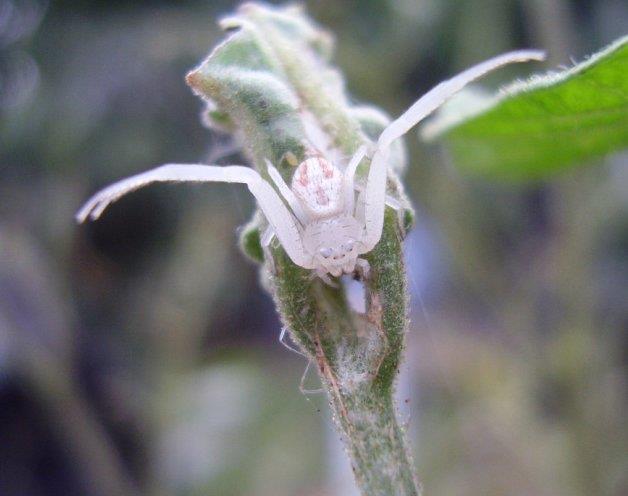
Crab spiders (family Thomisidae) are the ambush artists of the spider world. Instead of building a web, they sit still on a flower, a leaf, or a piece of bark, blend into the background, and grab passing insects with sudden speed. Many Australians first meet one on a native bloom, which is why they are often called flower spiders, and some species can slowly shift colour over days to match where they are sitting. They are genuinely interesting to watch, and they ask very little of a keeper beyond quiet and the right conditions. They are also delicate and easily stressed, so they are best treated as wildlife first and a pet second.1, 2
Crab spiders: what you are actually looking at
The name usually points to a thomisid: a spider with the front two pairs of legs longer and stronger, angled forward in a crab-like stance. Many species do not spin a capture web at all. They rely on camouflage and a fast strike when prey wanders within reach.1, 2
In Australia you will most often see them on native flowers, where their colour and posture let them vanish into petals and leaves. This is the whole trick of the animal, and it is why they can be so hard to spot even when you know one is there.1, 2
One common mix-up is worth clearing up. Peacock spiders are not crab spiders. They are jumping spiders (family Salticidae), with different behaviour and different care needs. If you have been sold a "peacock crab spider", the label is simply wrong.2
Is a crab spider right for you?
The appeal is the stillness broken by speed. A crab spider will sit motionless for long stretches, then strike the instant an insect strays too close, and watching that patience pay off is the reason to keep one. What they will not do is become tame. They are not handleable and they do not "settle in" the way some hardy invertebrate pets do.2
Their best quality as a pet is that they tolerate quiet, low-interference keeping, provided the setup suits them. If you want an animal to interact with, this is not it. If you are happy to observe and leave alone, it can be rewarding. They are generally not dangerous in the way funnel-webs are, but any spider can bite if pressed against skin, and reactions vary from person to person, so treat them as hands-off animals.3, 4
Choosing a species, and choosing ethically
Australia has many crab spider species, from bright flower-dwellers to bark-camouflaged forms. Identifying one to species from a quick glance is difficult, and care advice online often blends different families and regions together. If you cannot identify yours confidently, build husbandry around what you can actually see: where it was found (flower, foliage, bark, or leaf litter) and whether it favours open perches or tight cover.1, 2
If you have collected a wild spider, keep the goal modest. Short-term observation, then release back where it was found when it is safe to do so. Wild adults may not feed readily in captivity, and females may already be carrying eggs.1
Setting up an enclosure
Crab spiders do not need a large enclosure, but they do need a secure one. A small, well-ventilated container is often safer than a big tank, because airflow, moisture, and prey escape are all easier to control in a small space.
- Ventilation: put airflow first. Stale, wet enclosures are a common cause of trouble, including mould, mites, and stressed spiders.
- Furnishings: add a few slender twigs, bark pieces, or dried leaves so the spider can perch and tuck itself away. Many thomisids rest hidden at night, or under petals and leaves when they are not hunting.1
- Substrate: keep it thin and tidy, such as paper towel or a light layer of coco fibre or leaf litter. Avoid waterlogged substrates.
- Water: skip deep dishes. Lightly mist one side of the enclosure and let droplets form for drinking, then allow it to dry. This lowers the drowning risk for small spiders and stops humidity from creeping up.
Many crab spiders are comfortable at typical indoor temperatures. Keep the enclosure out of direct sun, where a small container can overheat very quickly.
Feeding: live prey, not fruit
Crab spiders are predators, so they need live, appropriately sized insects, ideally smaller than the spider's body length. Common options include small crickets, flies, and other soft-bodied insects that will not injure the spider.2
Do not leave uneaten prey roaming the enclosure for long. Some feeder insects will nibble at a spider while it is moulting or inactive. Feeding frequency varies with age and temperature, but crab spiders often eat less often than people expect, and overfeeding tends to cause more problems than it solves: leftover prey, stress, and poor hygiene.
Handling: mostly do not
Handling is where most pet-spider accidents happen, whether that is a drop, a crushed leg, or a spider bolting somewhere inconvenient. Crab spiders rely on camouflage and sudden movement, and they can launch quickly when startled.2
If you must move one, use a clear container and a stiff piece of card to guide it, the jar-and-card method, rather than your fingers.4
Moulting and common problems in captivity
Moulting is a quiet, vulnerable time. A crab spider may stop feeding and sit motionless while it sheds its old skin. Do not poke it, reposition it, or try to help it out of the shed. The safest approach is simple: stable conditions, good airflow, and no live prey left wandering the enclosure.
Dehydration can happen in very dry indoor air, but constant high humidity is the more common captive mistake for small spiders. Aim for occasional access to water droplets and then let the enclosure dry again, rather than keeping everything damp all the time.
Watch for these warning signs:
- the spider cannot climb or keeps slipping on smooth surfaces
- persistent curling and weakness despite access to water droplets
- mould, mites, or a sour smell in the enclosure
- a failed moult, with stuck legs or abdomen, or repeated falls
Breeding in captivity
Breeding is not a casual project. Crab spider courtship and mating can be risky, and females may eat males. Egg sacs are usually guarded, and disturbing the female often ends badly for the brood.2
If you do end up with spiderlings, they need tiny prey such as fruit flies, and careful separation as they grow to reduce losses from cannibalism.
Safety note: bites and first aid in Australia
Most Australian spider bites cause local pain and irritation, but some spiders can cause serious illness. If you suspect a bite from a funnel-web or mouse spider, treat it as an emergency and apply a pressure-immobilisation bandage while you seek urgent medical care. For redback bites, pressure immobilisation is not recommended, and cold packs plus medical advice are the usual approach.3, 4, 5
If you are not sure what spider was involved, or symptoms are getting worse, get medical help.
The bottom line
A crab spider is a fascinating animal to observe and an undemanding one to house, as long as you keep the enclosure small, well-ventilated, and on the dry side, and feed it modestly on live insects. It will never be a pet you handle, and a wild-caught adult is often best watched briefly and then released where you found it. Set your expectations for quiet observation and you will get the best of what these ambush hunters offer.
References
- Australian Museum, Flower spiders (Family Thomisidae)
- Encyclopaedia Britannica, Crab spider (Family Thomisidae)
- Australian Museum, Spider bites and venoms (including pressure bandage guidance)
- healthdirect (Australian Government funded), Spider bites: symptoms and first aid
- Queensland Government, Bites and stings (spider bite first aid notes)
- Australian Red Cross, First aid for spider bite
- Western Australian Museum, Prey capture behaviour of Diaea sp. (Thomisidae)
- Australian Museum (Records), Machado & Teixeira (2025) on Australian crab spider taxonomy (Stephanopinae)

Dog lover and writer at My Pets Australia, sharing practical breed guides and care advice for Australian pet owners.