Pet Brown Recluse Spider
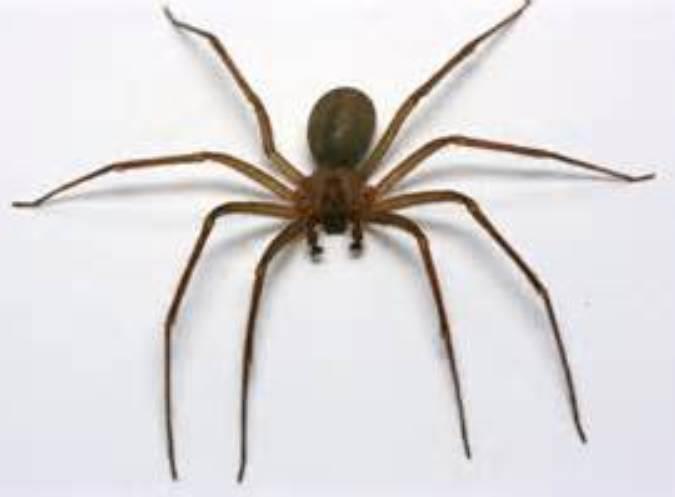
The brown recluse (Loxosceles reclusa) is one of the most famous spiders in the world, a small, plain, shy hunter that has earned a genuine reputation in medical entomology. If your interest is watching an unusual spider, the fascination is real. Two things need saying up front, though. It is not an Australian species, and bringing live spiders into the country is tightly controlled, so it is not a pet Australians can simply go out and get. It is also medically significant, which means the honest version of "keeping" one looks nothing like the hobby people imagine.1, 2, 3
The brown recluse is not an Australian spider
Start with the geography, because it settles most of the confusion. The brown recluse is native to the United States, with a well defined core range in the south-central Midwest and neighbouring states. Persistent claims that it is "common in Australia" are not supported by the evidence used in medical entomology and pest management references.2, 4
In Australia, "brown recluse" often gets used as a catch-all label for any small brown house spider, and that is a recipe for confusion. If you are in Australia and worried about a spider, local identification and local first aid advice matter far more than an imported name.3
How to identify a brown recluse, and why the violin mark is not enough
The famous "violin" or "fiddleback" marking is the least reliable clue there is. Plenty of spiders look brown in dim light, and people tend to see a fiddle shape in all sorts of harmless species. The most useful field feature is the eyes: recluse spiders have six eyes arranged in three pairs (dyads), rather than the eight eyes seen in most spiders.1, 4
Other features described in clinical and identification references include a plain, patternless abdomen and legs without obvious heavy spines. None of these is a guarantee on its own, because photos and specimens still get misidentified, but together they are more reliable than the fiddleback story alone.1, 4
There is a practical warning attached to all this. Skin ulcers and "necrotic" wounds are frequently blamed on brown recluses in places where the spider does not even live. That is a problem, because a wrong label can distract from other serious causes that need proper diagnosis and treatment.1, 5
Where brown recluses actually live, and how they behave
Within its native US range, the brown recluse prefers dry, sheltered, low-disturbance spaces. Indoors that usually means stored items and quiet corners; outdoors it means protected gaps under rocks, bark, or debris. It is not a spider that sits out in the open. Outside that core range, verified finds are uncommon and are often explained by a one-off transport of household goods rather than by stable, spreading populations.2, 1, 5
Its temperament is shy and nocturnal, spending the day tucked away. When bites happen, it is usually because the spider has been pressed against skin inside bedding, clothing, or shoes, or when someone reaches into stored items, rather than because it is aggressive.6, 2
What a brown recluse bite can do
A confirmed bite can range from mild irritation to a slowly worsening wound. Some people develop a blister and then a deeper ulcer over time, and healing can be prolonged and may leave scarring. Systemic symptoms such as fever or general unwellness are less common but can occur, and children can be more vulnerable to severe effects. There is no specific antidote for the venom; care is supportive and focused on wound management, pain relief, and monitoring for complications.6, 7, 8
If you suspect a bite:
- Wash the area with soap and water.
- Apply a cool compress intermittently to reduce pain and swelling.
- Seek urgent medical advice if you are unsure what caused the bite, the pain is severe, the wound is worsening, or you develop broader symptoms such as fever, spreading redness, or feeling unwell.6, 7
Keeping a brown recluse as a pet: the reality
Calling a brown recluse a rewarding pet glosses over the practical problem. It is medically significant, secretive, and easy to lose. Most of the time you would not handle it at all; you would simply keep it contained and try not to forget it is there. That is not a moral judgement, just the natural shape of the animal's life.
In Australia there is a further issue. Obtaining an exotic live spider lawfully is not simple, and the importation of live animals is tightly controlled. An import permit may be required, conditions can be strict, and approval is not guaranteed. Attempting to bring in live spiders without permission can result in seizure and destruction, or re-export at the importer's expense.9, 10
If someone does keep any spider, the enclosure matters more than any decoration, because most spiders can squeeze through surprisingly small gaps. The set-up needs a secure lid, ventilation that does not create escape routes, and a design that does not require frequent hands-in maintenance. That principle is reflected in Australian government guidance for keeping spiders generally, even though the rules vary by state and territory.3
Safer alternatives if you want observation, not risk
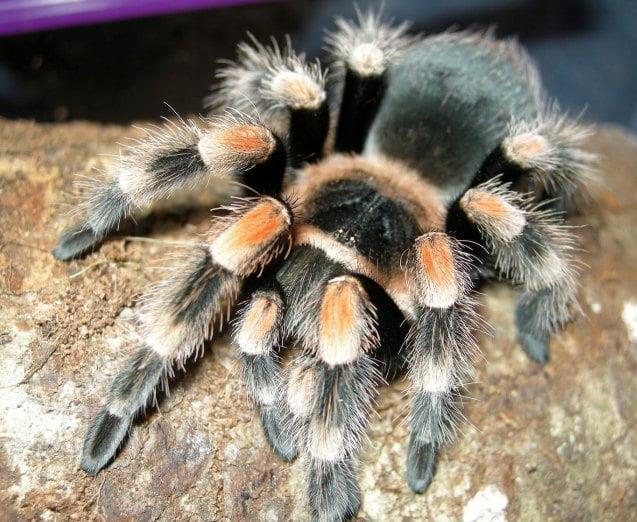
If the appeal is watching a spider hunt and build, a species that is not medically significant is a far better match for home keeping. Many people choose beginner-friendly tarantulas or locally permitted native species obtained through legal channels. The animal is calmer to manage, and the household risk profile is entirely different.
The Bottom Line
The brown recluse is real, medically important, and widely misunderstood. It is also not an Australian species and not a sensible starter pet. If you are outside its native range, identification errors are common and "recluse bite" is often the wrong answer. If you are inside its range, the best protection is simple: reduce clutter, be careful with stored items and clothing, and treat worsening wounds with the seriousness they deserve.1, 2, 6
References
- Vetter RS, et al. "Arachnids Submitted as Suspected Brown Recluse Spiders...". Journal of Medical Entomology.
- University of California Statewide IPM Program (UC IPM). Brown Recluse and Other Recluse Spiders.
- Northern Territory Government. Keeping spiders as pets.
- Vetter RS, Shay M, Bitterman O. Identifying and Misidentifying the Brown Recluse Spider.
- Saupe EE, et al. Tracking a Medically Important Spider: Climate Change, Ecological Niche Modeling, and the Brown Recluse (Loxosceles reclusa). PLoS ONE (via PubMed Central).
- MedlinePlus Medical Encyclopedia. Brown recluse spider.
- Mayo Clinic. Spider bites: First aid.
- Poison Control (National Capital Poison Center). Brown recluse spider bites: Know the signs, reduce the risks.
- Australian Government Department of Agriculture, Fisheries and Forestry (DAFF). Applications to import biosecurity risk materials.
- Australian Government DAFF. Importing live animals and reproductive material (including conditions via BICON).

Dog lover and writer at My Pets Australia, sharing practical breed guides and care advice for Australian pet owners.