Australian Barking Spiders as Pets
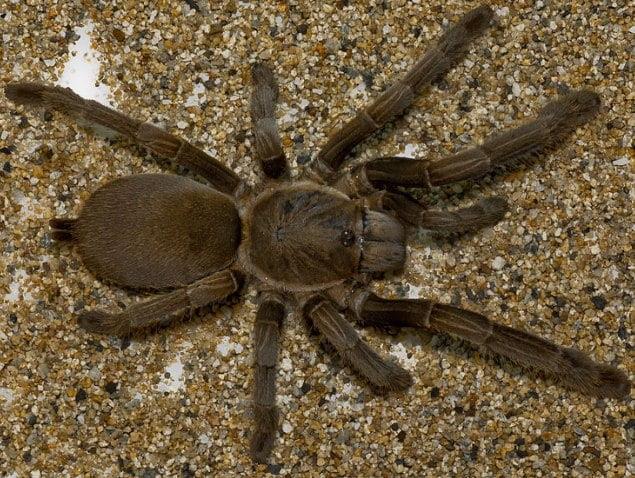
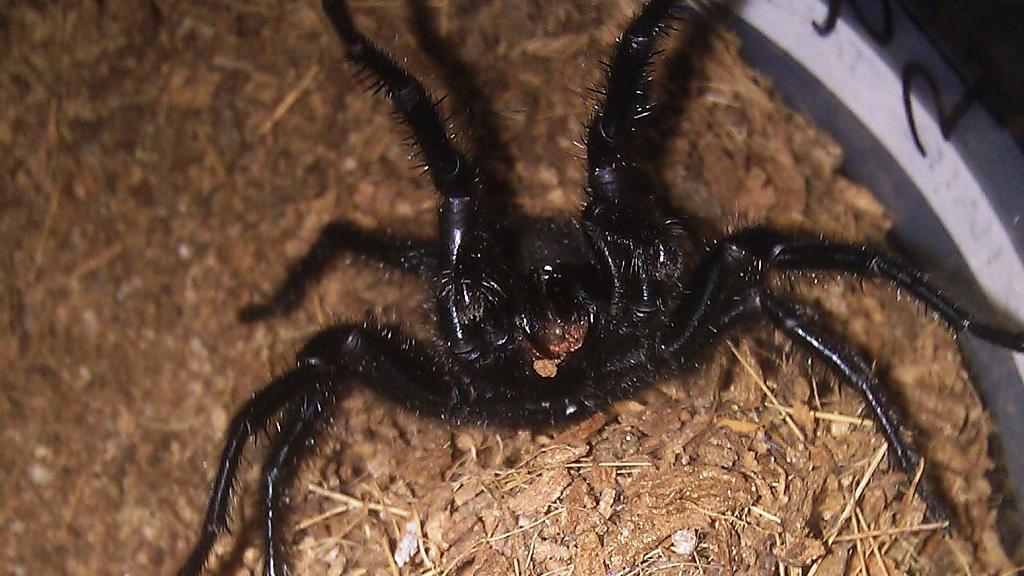
The Australian barking spider is the common name for our native whistling tarantulas, big, heavy-bodied mygalomorphs that dig burrows and hunt by ambush after dark. Their standout trick is sound: when threatened they can produce an audible hiss or whistle, which is where the "barking" nickname comes from. They are long-lived, impressively built, and among the most striking spiders on the continent. People usually go looking for information after one turns up in a shed, or after hearing that odd noise from the leaf litter, and wondering whether it can be kept at home. It can be, in some states and with the right paperwork, but a stressed spider bites and it is a protected native animal first and a pet second.1, 2
What an "Australian barking spider" actually is
"Barking spider" is a loose common name for large Australian tarantulas (family Theraphosidae) that make a warning sound when disturbed. The two species most often tied to the nickname are the Queensland whistling tarantula (Selenocosmia crassipes) and Stirling's tarantula (Selenocosmia stirlingi).1, 3
They are mygalomorph spiders: heavy-bodied, long-lived, mostly terrestrial, and often fossorial, meaning they live in burrows. You will usually see them at night, or after rain, or when mature males roam looking for females.2
The "bark": what the sound really is
The sound is not a bark in any mammal sense. It is stridulation, where the spider rubs specialised structures together to produce a hiss, hum, or whistle, most often while it is threatened and holding a defensive posture.2
In plain terms it is a warning. The spider is telling you to back off and give it room to retreat, and that is exactly what you should do.
Size, lifespan, and where they live
These are large spiders by Australian standards. Selenocosmia crassipes is reported to reach legspans of up to about 22 cm, with a robust body built for digging and holding prey.1
Habitat depends on the species. S. crassipes, for example, is associated with north-eastern Australia and lives in burrows across a range of habitats, not only dry, arid country.4
Lifespan is often understated. Many tarantulas are long-lived, especially females, so figures like "up to 5 years" or "up to 10 years" can be too low for Australian tarantulas as a group, depending on species and sex.1, 2
Temperament: shy, but defensive when cornered
These spiders are not looking for a fight, but they defend themselves effectively if handled or trapped. When provoked they may rear up, display their fangs, stridulate, and bite. The safe assumption is that any handling attempt can escalate quickly.2
Are barking spiders dangerous to humans?
Australian tarantulas are not generally counted among the country's most medically dangerous spiders, but a bite can still be significant. The Australian Museum notes that bites can be painful and that more severe symptoms, including nausea and vomiting for several hours, have been reported.2
They also have large fangs, which can cause mechanical injury and raise infection risk if a bite is not cleaned and monitored.2
If you are bitten
- Wash the area with soap and water, apply a cold pack, and seek medical advice if symptoms are more than mild or you feel unwell.
- Pressure immobilisation bandages are recommended for funnel-web and mouse spider bites, not as a default for all spider bites.5
- If it is safe, capture the spider for identification using a jar and a stiff card, never bare hands.5
Keeping one as a pet: what to sort out first
Treat a barking spider as a display animal, not a companion. That means minimal disturbance, minimal handling, and a setup that lets the spider do what it is built to do: hide, dig, and ambush prey.
Before any enclosure decisions, check legality in your state or territory. Rules differ, and in Queensland a licence is required to keep protected native animals, with specific licence types that can cover protected spiders and scorpions.6
Legal basics (Queensland example)
Queensland's native animal licensing system covers keeping, using, and trading protected native animals. The government advises buyers to purchase native wildlife only from licensed sellers and to check licences before buying.6, 7
Outside Queensland, use your local wildlife authority's guidance before you buy, sell, transport, or advertise any native spider.
Housing: build for a burrower, not for handling
The enclosure should prioritise security, ventilation, and enough substrate depth for burrowing, plus an easy way to service it without cornering the spider. The aim is a stable refuge, not a display box you rearrange constantly.
General principles that reduce stress and escape risk:
- Secure lid with good ventilation.
- Deep substrate so the spider can dig and settle, with behaviour varying by species and individual.2
- Hide options such as cork bark, a half-log, or a starter burrow, so it can retreat rather than stand its ground.
- Water dish kept clean, plus humidity suited to the species and your local conditions.
Feeding: a grounded view of the diet
Australian tarantulas mostly take insects, and some species will take small vertebrates opportunistically, such as frogs. Despite the dramatic nicknames, they are not known for regularly eating birds.4
In captivity it is safer and more practical to stick with appropriately sized invertebrate prey such as crickets or roaches, offered at intervals that suit the spider's size and appetite. Remove uneaten prey if it is stressing the spider or lingering during a moult.
Handling and safety: the simplest rule
Do not handle them. Even calm individuals can react suddenly when touched, and a fall from hand height can injure or kill a heavy-bodied spider. The Australian Museum specifically warns keepers not to attempt handling, and to be careful when cleaning containers.2
Low-drama ways to reduce risk
- Use long tools such as tongs or a soft brush for minor adjustments.
- Do maintenance during daylight, when the spider is often less active.
- Have a catch cup and card ready before you open the enclosure.
- Never reach into a burrow. That is where bites happen.
Common health and welfare issues in captivity
Most problems trace back to enclosure conditions and disturbance rather than disease.
- Poor hydration access: a water dish and a stable setup matter, especially in warmer weather.
- Moulting complications: stress, poor hydration, or unsuitable conditions can make moults harder. Avoid feeding and disturbance when a spider is in pre-moult or actively moulting.
- Mites and hygiene issues: keep leftover prey and waste under control, and quarantine new feeder insects if you suspect contamination.
- Injury from falls: another reason handling is a bad trade.
The bottom line
Australian barking spiders are quiet, long-lived, and genuinely impressive animals that spend most of their lives half-hidden in a burrow. If you meet one in the wild, give it space and let it return to its hole. If you are set on keeping one, treat it as a protected native animal first: check your local laws, source it legally, and build an enclosure that lets a wary spider stay a wary spider.6, 7
References
- Wikipedia, Selenocosmia crassipes (Queensland whistling tarantula / barking spider)
- Australian Museum, Australian tarantulas (whistling / barking spiders): communication and danger to humans
- Wikipedia, Barking spider (common name and species)
- Australian Museum, Tarantulas: the truth behind their evil image (whistling spider habitat and diet notes)
- Australian Museum, Spider bites and venoms (first aid notes and pressure immobilisation guidance)
- Queensland Government, Licences to keep, use or display native animals
- Queensland Government, Wildlife permits (buy only from licensed sellers)
- Wikipedia, Selenocosmia stirlingi (often called a barking / whistling spider)

Dog lover and writer at My Pets Australia, sharing practical breed guides and care advice for Australian pet owners.