How to Choose the Right Pet for Your Lifestyle
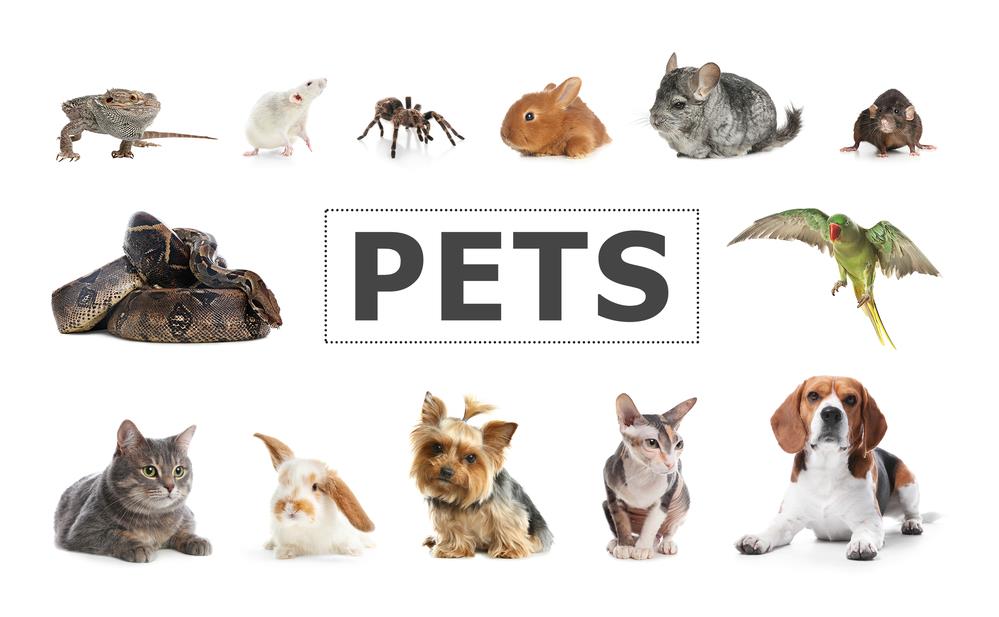
Choosing a pet is one of the more consequential decisions a household makes, and the best match is the animal your everyday life can genuinely support. A good fit comes down to space, routine, budget, noise tolerance, health needs, and the care you can still provide on your busiest week. It is not about finding a perfect animal. It is about being honest with yourself before you commit, because the choice shapes your time, sleep, finances, and even the air inside your home for years. The sections below break those pieces down so the decision feels steady rather than hopeful.
Evaluate your lifestyle first
Start with the unglamorous details, because pets thrive on dependable care: feeding, cleaning, exercise, enrichment, grooming, and calm handling when something changes. If your days are often rushed or unpredictable, a pet that needs frequent interaction, such as many dogs, parrots and other highly social birds, can struggle, and so can you. Activity level matters too, though not in a heroic way. Some animals need brisk movement and training, while others are content with short bursts of play and a quieter home. Matching energy needs to your real routine reduces stress on both sides.
Your living environment sets the boundaries. Think about:
- Space and access: indoor room to move, a safe outdoor area if relevant, and secure fencing.
- Noise and neighbours: vocal birds and some dogs can create friction in close housing.
- Rules where you live: strata and rentals may restrict species, size, or the number of animals.
- Local obligations: registration requirements and desexing or microchipping rules vary by state and council.
One point worth settling before anything else: some animals are illegal to keep in Australia. Hamsters and gerbils are banned nationwide as declared pests, so if you are after a small, low-fuss companion, look at guinea pigs instead. Many exotic birds, reptiles and fish need permits that differ by state, so check your state authority before you fall for a particular species.
Financial considerations of pet ownership
Day-to-day costs are only the start. Over a pet's lifetime you will pay for food, parasite control, bedding, toys, grooming, routine vet care, and the occasional surprise: a cracked tooth, an ear infection that will not settle, an emergency after-hours visit. Planning for that uncertainty is part of responsible ownership.1
Costs often rise as pets age and their needs become more specific. In Australia, estimates of typical spending vary, but the pattern is consistent: food and routine care are steady, while veterinary costs and travel or boarding costs can spike when life gets busy or health issues appear.1, 2
Preventive care, meaning vaccinations, parasite prevention, dental checks and regular examinations, helps reduce risk, but it does not remove it. Consider setting aside a small emergency buffer alongside everyday costs. If you are looking at pet insurance, compare what is covered, the excess, waiting periods, and exclusions for pre-existing conditions.1
Assess your time commitment
A pet is a long commitment measured in ordinary days: mornings when you are late, weekends away, unexpected overtime, illness in the household. Your pet still needs care on those days, and that is where many mismatches show up. Dogs generally need daily exercise, training, and social contact. Cats are often more independent, but they still need daily care, play, safe housing, and regular attention to health and behaviour changes. Fish and reptiles may not require the same social interaction, but their environments can be technically demanding and unforgiving if maintenance slips.
Before you commit, ask yourself a few plain questions:
- Who will care for the pet when you are away, unwell, or travelling?
- Can you reliably manage daily cleaning, feeding, and enrichment?
- Do you have the patience for training, and the time to do it gently and consistently?
Understand the potential for pet allergies
Allergies can quietly reshape life with a pet, and symptoms often appear after a delay, so feeling fine around animals today is not a guarantee. Allergens can linger in a home and cling to surfaces and clothing, even after the animal is gone.3, 4 Pet allergy is usually linked to proteins found in an animal's dander (skin flakes) and secretions such as saliva, not the fur itself. That is why hypoallergenic pets are not allergy-proof, and why any cat or dog can potentially trigger symptoms.4, 5
A little preparation goes a long way:
- Get tested: a GP can help, and may refer you for a skin-prick test or blood test to confirm triggers.4
- Trial exposure: spend time in the same indoor space as the species or breed you are considering, as pet-sitting can be revealing.
- Plan your allergen rules: at minimum, keep pets out of bedrooms and use cleaning routines that reduce build-up.4, 5
Consider age and lifespan
Some pets fit neatly into a single season of life, while others will still be with you when jobs, housing, and family circumstances change. Cats commonly live into their teens and can reach 20 years. Dogs vary widely by breed and size, but long lifespans are common enough that you should plan for a decade or more. Many birds can live for decades.2, 6
So think about likely changes: moving house, renting again, having children, extended travel, or caring responsibilities. A long-lived pet can be a stable presence, but only if you can provide stable care through those shifts.
Personality and temperament: choose the individual, not the idea
Temperament shapes the everyday feel of a household. Some animals are busy and persistent, while others prefer quiet corners and predictable routines. Breed tendencies can be a useful clue, but they never replace meeting the animal in front of you and watching how it responds to handling, noise, and novelty. High-drive working breeds, for example, often need more structured activity and training than many families expect. Some cat breeds are known for being more placid, but individuals still vary. The safest approach is to ask the carer, breeder, or shelter staff what they see day-to-day, and to spend time with the animal in a calm setting before deciding.
Family and household considerations
A new pet changes the rhythm of a home. It brings movement, noise, odour, cleaning, and extra planning around gates, doors, visitors, and holidays. It can also bring scratches, trips to the vet, and the occasional chewed remote. Look for calm, predictable behaviour around handling and sudden noise. If you already have animals, plan for slow introductions and separate spaces at first. Many rehoming organisations will help assess suitability, especially where young children or existing pets are involved.
Be honest, too, about what your household can tolerate: shedding, litter tracking, barking, cage cleaning, or strong odours. These are not moral failings, they are practical limits, and acknowledging them early prevents resentment later.
Make a responsible decision
A responsible choice is rarely rushed. It is grounded in what you can provide consistently: safe housing, daily care, veterinary attention, and patient handling. If any one of those is shaky, the kindest decision may be to wait, or to choose a lower-need species. Talk to a veterinarian about routine care and likely costs in your area, and speak with reputable shelters or breed clubs about temperament, enrichment needs, and common health problems. For allergy concerns, a GP or allergy specialist can help confirm triggers and discuss management options.4, 5
Then plan future care now. Write down who can step in if you are away or unwell, and how you will manage costs if an emergency happens. It is a small piece of paperwork that can save an animal from being rehomed in a crisis.
References
- Moneysmart.gov.au (Australian Government), Getting a pet
- RSPCA NSW, Costs of owning a pet
- ABC News (Health), Can you build up a tolerance to pet allergies?
- healthdirect, Cat and dog allergy
- National Asthma Council Australia, Pets and allergies
- Animal Care Australia, Responsible pet ownership
- RSPCA Pet Insurance, Cost of pet ownership
- RSPCA Pet Insurance, How much does it cost to visit a vet?

Dog lover and writer at My Pets Australia, sharing practical breed guides and care advice for Australian pet owners.