How to choose a Pet

Choosing a pet works best when you start from your daily life and move outward: species first, then breed, age, and finally the individual animal. A good match is usually quiet and stable, and it makes the following years far easier. A poor match tends to mean stress for the animal, pressure on your budget, and, too often, a rehoming conversation twelve months later. The decision lands quickly on practical questions: time, noise, space, cost, allergies, and whether the animal will cope with your routines. Get those right and most of the rest follows.
Start with your real week, not your ideal one
Pets do not live in your plans; they live in your Mondays. Before you fall for a photo, watch your household for a few days and write down what is actually true.
- Hours at home: who is around in the morning, midday, evenings, and weekends?
- Noise tolerance: neighbours, shift workers, babies, thin apartment walls.
- Space: indoor room to move, safe outdoor areas, and whether you can secure gates and fences.
- Household mix: toddlers, older children, elderly relatives, existing pets.
- Travel and weekends away: who reliably does the feeding, cleaning, and supervision?
- Rental or strata rules: what is allowed, and under what conditions?
RSPCA guidance is blunt for a reason: your accommodation and routine have to meet the animal's physical and mental needs, and containment matters, both for safety and for preventing escapes.1, 2
Choose a species first
It helps to think in broad care shapes. Every species has its own baseline needs, and no amount of good intentions changes them.
Dogs
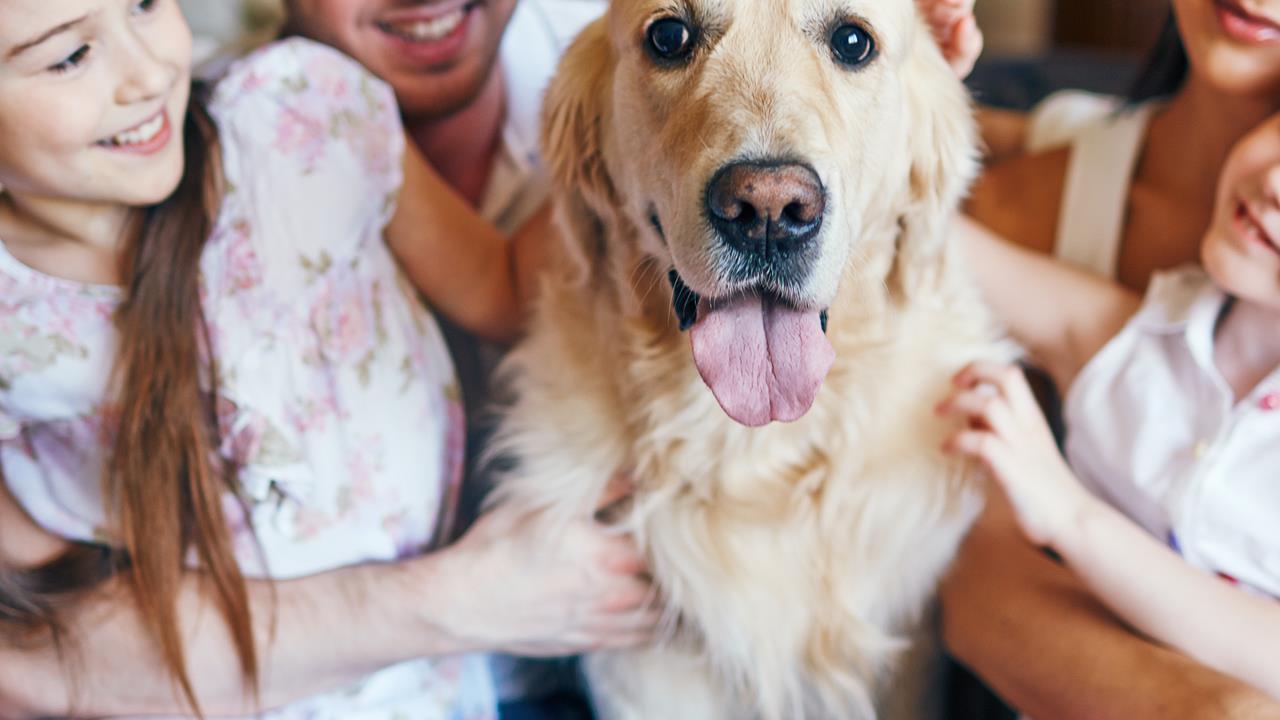
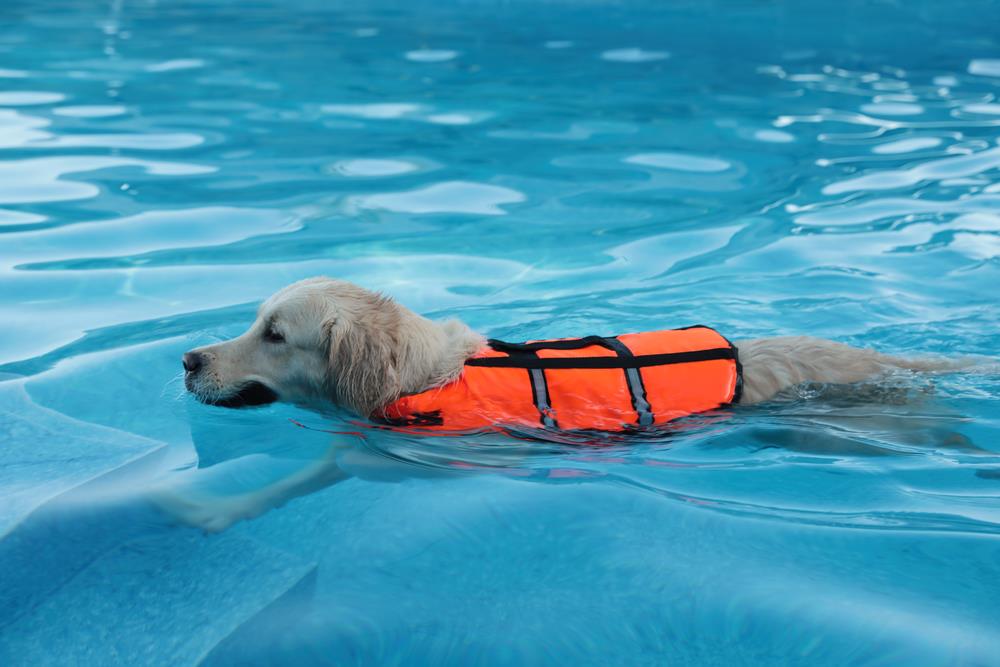
Dogs tend to ask for the most daily time: exercise, training, enrichment, and supervision. If your days are long and unpredictable, plan for professional help such as a dog walker or daycare, or consider a different species.1, 3
Cats
Cats can suit smaller homes, but they still need stimulation, safe containment, and routine care. Many households now plan for cats to live primarily indoors or within secure outdoor enclosures to reduce risk from traffic, fights, and disease exposure.1
Small mammals
Rabbits, guinea pigs, rats, and mice are often described as easy, but their welfare depends on clean housing, the correct diet, an appropriate temperature, and gentle handling. They can be a good fit where time is limited, provided you can keep their living area hygienic and enriched. One important legal note: hamsters and gerbils are banned as pets across Australia because they are declared pests, so do not plan around them. Guinea pigs are the legal small companion to look at instead.
Fish
Fish are quiet and space-efficient, but not maintenance-free. Water quality, filtration, and cycling a tank properly are the real workload, and poor water conditions can lead to illness quickly.
Birds
Birds can be long-lived and socially demanding, with specific housing and enrichment needs. If you are drawn to birds, check typical lifespans and daily care before you commit, because the timeline can be measured in decades for some species.4
Then narrow it: breed, size, age, and temperament
Once the species fits, look at the animal's likely behaviour and care needs, not just its appearance. Breed and type can strongly shape energy level, grooming workload, and common health issues.3, 5
- Energy level: match the animal's daily needs to what you can repeat, week after week.
- Coat and grooming: longer coats and high-shedding coats usually mean more brushing, more cleaning, and sometimes paid grooming.3, 5
- Age: puppies and kittens often require concentrated time for training, toileting, and socialisation, while adult animals can be more predictable once assessed.
- Health risks: some popular flat-faced (brachycephalic) breeds are associated with breathing and other welfare issues, so choose carefully and ask direct questions about health history and vet care.5
Budget: plan for the ordinary, save for the surprise
The cost of owning a pet is not just the purchase or adoption fee. Ongoing expenses such as food, parasite prevention, routine vet visits, training, and equipment add up over years, and emergencies can arrive without warning.3, 6 For a quick reality check, start here:
- Ongoing annual costs: food, vet services and medicines, parasite treatments, and extras like grooming, training, and boarding.3
- Upfront first-year costs (often underestimated): vaccinations, microchipping, registration, desexing, basic equipment, and initial training.6
- Emergency buffer: either a dedicated savings amount or insurance you understand, including coverage, exclusions, and waiting periods.3
Time, energy, and experience
Most pets rely on a steady cadence: feeding, cleaning, exercise or enrichment, and quiet supervision. If you are frequently away, plan for consistent support rather than a vague "we will see how we go". RSPCA's advice is to weigh exercise, training, grooming, cleaning, and vet visits as part of normal life, not occasional add-ons.1, 2
Your experience level matters too, and it is not a judgement. If you are new to animals, aim for a pet with straightforward care, predictable handling needs, and accessible veterinary support. If you are experienced, you may be comfortable with a higher-needs animal, but it still has to fit the household's time, space, and budget. For any first-time owner, a short chat with a local vet or a reputable shelter can prevent common mistakes early, particularly around diet, parasite control, safe housing, and behaviour support.1
Legal and practical checks in Australia
Pet rules vary by state, territory, and local council. At minimum, check requirements for microchipping, registration, and identification before you bring an animal home.7 As one clear example, New South Wales requires cats and dogs to be microchipped before being sold or given away, or by 12 weeks of age, with owner details recorded by an authorised identifier.8 When you are unsure whether a species is allowed where you live, treat ownership as dependent on state law and check the relevant state authority first.
Adoption, rescue, and buying safely
Adoption is often the simplest path to a well-supported start. RSPCA adoption listings note that animals have typically been assessed, and dogs and cats are generally desexed, microchipped, and vaccinated before rehoming, which reduces some immediate costs and unknowns.9 If you search online, be cautious. RSPCA specifically warns against buying an animal sight unseen and encourages steps that avoid supporting puppy farms and misleading sellers.10
The quiet test of a good match
The best pet choices look almost boring on paper: the animal's needs match the home's rhythm, the costs are understood, and there is a plan for holidays and emergencies. Start with your ordinary week, choose the species that fits, then look for an individual animal whose care needs you can meet consistently, quietly, for years.
References
- RSPCA Pet Insurance, Ask yourself these questions before adopting a pet
- RSPCA Australia, Responsible pet ownership
- ASIC MoneySmart, Getting a pet
- Animal Care Australia, Responsible pet ownership
- CHOICE, The unexpected costs of owning a pet
- RSPCA NSW, Costs of owning a pet
- Australian Government (Department of Agriculture, Fisheries and Forestry), Cats and dogs: frequently asked questions
- NSW Office of Local Government, Microchipping
- RSPCA Australia, Adopt a Pet
- RSPCA Knowledgebase, Is there a safe way to look for a new companion animal online?

Dog lover and writer at My Pets Australia, sharing practical breed guides and care advice for Australian pet owners.