Choosing a Pet and Pets as Presents for Children
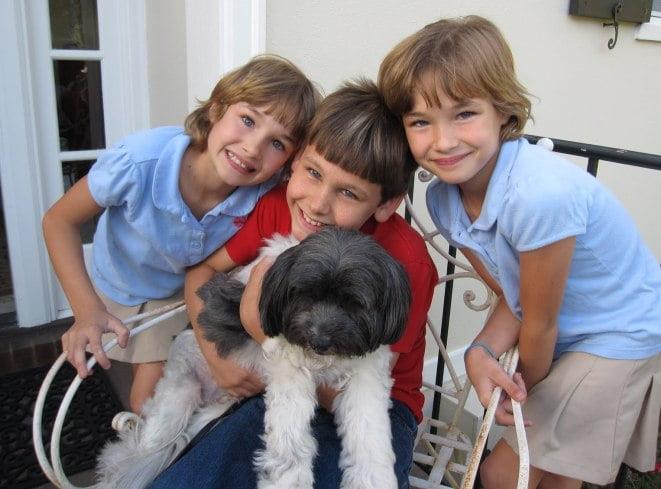
A pet can be one of the best things you bring into a family home, giving children company, routine, and a first real lesson in caring for another living thing. It is also a serious commitment. The animal cannot opt out once it arrives, so the choice has to fit your everyday life: your time, your budget, your space, and the age of your kids. The best decisions here are quiet, practical ones rather than a rush of enthusiasm on a birthday morning. This guide keeps the focus on the ordinary week the pet will actually live with you.1, 2
Start with the non-negotiables
Before you compare breeds or scroll adoption profiles, look at the parts of your life that do not bend easily: time, supervision, space, and money. A good match is one you can keep steady on a tired Tuesday, not just on day one.
- Adult responsibility: children can help, but an adult needs to be ready to do the daily care and make the decisions about health and welfare.3
- Time every day: feeding, cleaning, exercise for many animals, and gentle handling practice. Holidays, sport, and school runs still count.
- Space and set-up: not just floor area, but quiet corners, safe barriers, and a place an animal can retreat to without being followed.
- Ongoing costs: food, housing, preventative health care, and the occasional sudden vet visit.
- Household health: if anyone has asthma or allergies, speak with your GP and a vet before choosing an animal. "Hypoallergenic" is not a guarantee.
Match the pet to your child's age and supervision level
In most households the key variable is not the child's enthusiasm. It is supervision. Young children move quickly, grab clumsily, and miss the early warning signs that an animal is uncomfortable. That is when bites and scratches happen, often with a familiar dog, in the home, during play, around food, or when an animal is resting.2
- Preschool and early primary: choose pets that adults can manage almost entirely, and keep child and animal time short, calm, and closely supervised.2
- Upper primary: children can take on small, reliable tasks such as measured food, topping up water, and helping clean, with an adult doing the checks.
- Teens: more capacity for routines, training, and handling, still with adults responsible for welfare decisions, costs, and follow-through.
Pros and cons by pet type
Dogs
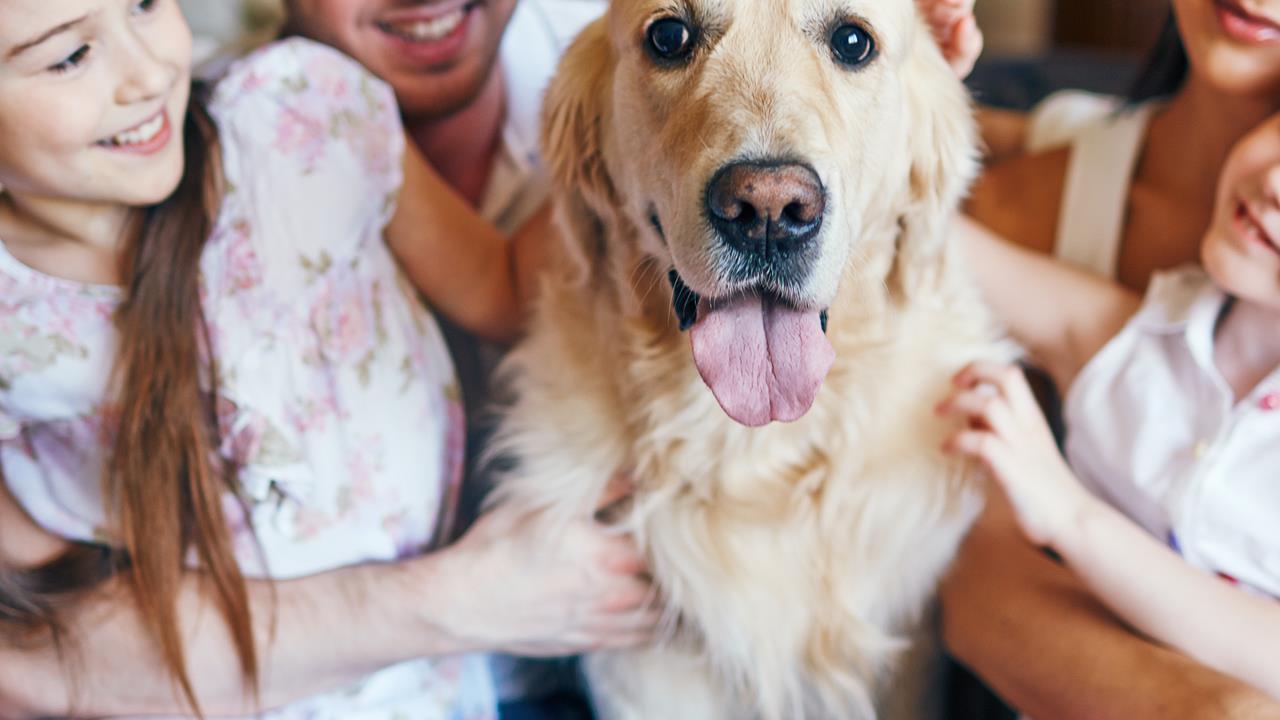
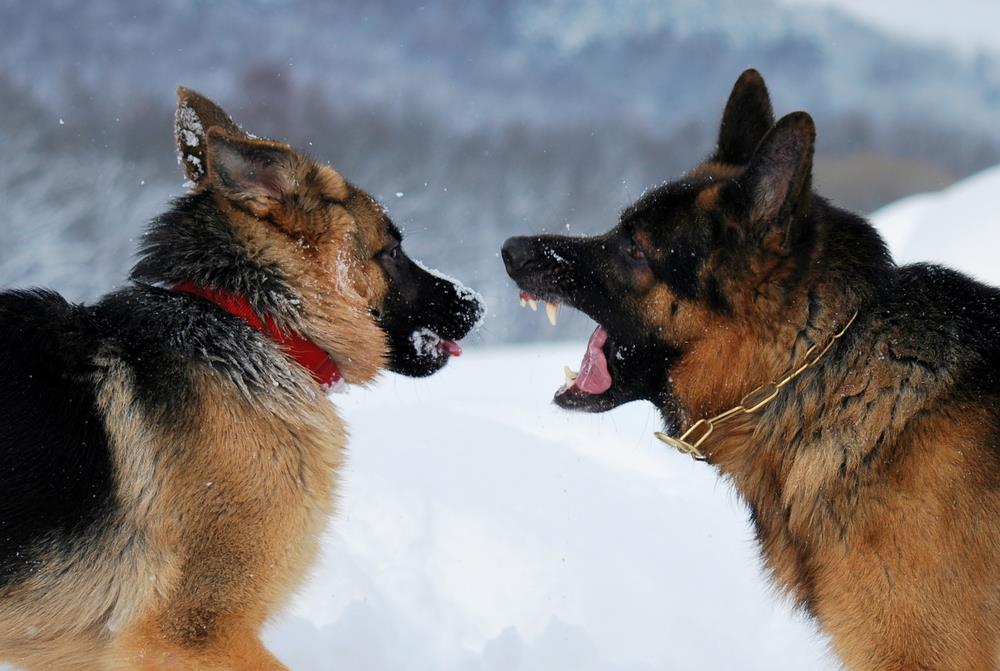
Dogs are social and adaptable, which is a big part of why they suit family life so well. They are also time-intensive and need training, exercise, and supervision around children. Any dog can bite, and preventing incidents relies on adult supervision and sensible household rules, especially around meals, sleep, and high-energy play.2
Cats
Cats often suit busy homes because they can cope with more downtime, but they still need daily care, enrichment, and safe spaces. Scratches are common when handling is rushed or a cat is cornered. Teach children to invite contact rather than grab it.
Small mammals
Guinea pigs, rabbits, rats, and mice can be a good step for families not ready for a dog, though they are not low effort. Housing needs regular cleaning, and handling must be gentle and supported, since many small pets are easily injured by accidental drops. Some are nocturnal, which can clash with a child's expectations of playtime. One important note for Australia: hamsters and gerbils are illegal to keep as pets nationwide because they are declared pests, so if a small furry animal is what your child wants, look at guinea pigs instead.
Fish
Fish are quiet and space-efficient, but good fishkeeping is really water-quality management. Tanks need cycling, testing, and steady maintenance. For the right family the routine can be calming. For the unprepared it becomes a slow-motion problem.
Reptiles
Reptiles can be fascinating to observe, yet their care is specialised, covering heat, UV where required, diet, and enclosure design, and they are not ideal for frequent handling. Hygiene matters, especially around children, as reptiles can carry germs that make people sick if basic handwashing slips. Keeping many reptiles in Australia also depends on state law and can require a permit, so check your state authority before you commit.
Pets as presents: doing it properly
A live animal is not a tidy gift. It changes routines, budgets, and the shape of the home. That is why major welfare groups advise against giving pets as surprise presents, especially for children, and recommend confirming sustained interest and the capacity to care before any animal arrives.3, 4
- Do: make it a family decision with the adults who will do the care.3
- Do: meet the animal first and allow time for a cooling-off period. A week is better than a rush.
- Do: budget for set-up costs and ongoing care, including registration and microchipping rules in your state or council area.5, 6, 7
- Don't: buy on impulse or under holiday pressure.3, 4, 8
- Don't: assume a child will learn responsibility quickly enough to meet an animal's daily needs.
Better alternatives to giving a live animal
If the goal is excitement now and a thoughtful decision later, keep the surprise in the idea, not in the animal.
- A collar, lead, carrier, or enclosure voucher paired with a planned "meet and choose" day.
- A contribution to adoption fees, microchipping, desexing, or initial vet checks, with the new owner's agreement.
- A book about pet care plus a visit to a shelter or rescue to learn what daily care looks like.
Preparing your home before the animal arrives
Set the house up as if you are planning for the pet's worst day: spooked, curious, hungry, or overtired. Most problems are preventable with barriers, routines, and a quiet retreat.
- Create a safe zone: a bed, crate, hide, or enclosure where children do not follow and hands do not reach in.
- Remove easy hazards: loose cords, accessible medications and cleaning products, small chewable objects, and unsecured bins.
- Plan supervision points: mealtimes, visitors, after-school chaos, and bedtime are common flashpoints.2
- Book early care: arrange a vet check soon after arrival, and ask about vaccinations, parasite control, and desexing timing.
Teaching responsibility without putting the animal at risk
Responsibility works best when it is concrete and consistent, with an adult quietly checking the work. Choose tasks where a small mistake will not cause harm.
- Good starter jobs: topping up water, measuring food with an adult confirming, brushing, filling puzzle feeders, and noting behaviours in a simple chart.
- Adult-only jobs: medical care, diet changes, unsupervised walking, bathing, and any handling that risks a bite or drop.
- Teach body-language basics: leave animals alone when they are eating or sleeping, and stop play at the first signs of discomfort such as stiffness, lip lift, growl, or backing away.2
Quick checklist: is this a good time to get a pet?
- An adult can commit to daily care for the animal's full lifespan.
- There is a realistic budget for food, housing, and vet care.
- The home has a safe retreat space the pet can actually use.
- Children can be closely supervised around the pet, especially in the first months.2
- The pet is not being bought as a surprise gift.3, 4
Final thoughts
The right pet does not just suit your child. It suits your household on its ordinary days, when schedules tighten, money is stretched, and everyone is tired. Choose with that week in mind, involve the adults who will carry the load, and you will give the animal the steady life it quietly needs.3, 2
References
- Queensland Government, Choosing a pet and caring for it
- Better Health Channel (Victoria), Animals and child safety
- ASPCA, Position Statement on Pets as Gifts
- American Veterinary Medical Association (via PR Newswire), Think twice before gifting a pet as a holiday surprise
- Toowoomba Regional Council, Dog and cat registration and microchipping requirements
- WA Department of Local Government, Sport and Cultural Industries, Microchipping (cats and dogs)
- Agriculture Victoria, Permanent ID, microchips and scanners (Domestic Animals Act guidance)
- RSPCA South Australia, Keeping your pet safe this festive season

Dog lover and writer at My Pets Australia, sharing practical breed guides and care advice for Australian pet owners.