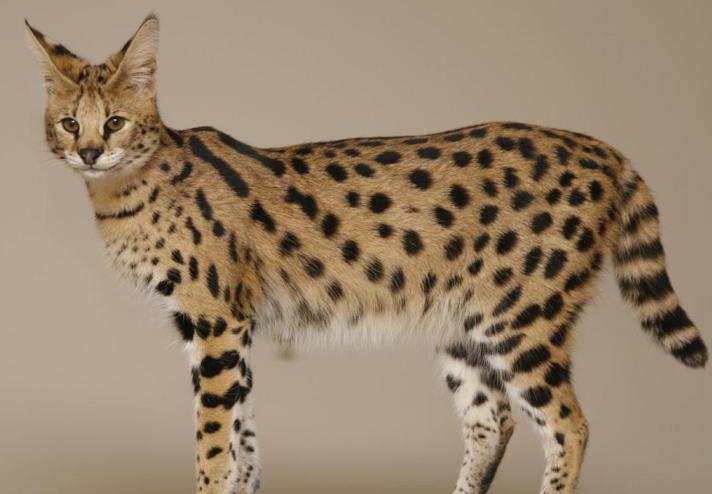
York Chocolate Cat
The York Chocolate is an uncommon American cat known for one thing above all: a solid, deep-brown coat with a quiet sheen, carried on a semi-longhaired, sturdy body. Most people find their way to the breed after seeing a brown cat advertised as a "York Chocolate" and wondering whether the label is real. It usually describes an affectionate, people-focused cat that likes to be near its household rather than watching from across the room. The honest complication is that the breed is rare and not recognised by the largest cat registries, so a lot of what gets repeated online is muddled, including where it came from. The notes below stick to what is consistently documented and flag the claims that tend to get overstated.1, 2
Quick Profile
- Size: medium to large, commonly around 4.5 to 7 kg, with males often heavier than females.3, 4
- Coat: semi-long, silky, typically chocolate or the dilute "lavender", with some bicolours.3, 4
- Temperament: generally people-oriented, bright and active, and often good with respectful children and other pets when properly introduced.4
- Life span: commonly reported around 13 to 15 years, though diet, genetics and preventive care matter more than the breed label.3
- Registry status: not recognised by CFA, TICA or FIFe, but recognised by the WCF under "York".1, 5
History and Origin
The breed name points straight to its home. The line was established in New York State in 1983 by Janet Chiefari, after a chocolate-coloured kitten called "Brownie" appeared in a litter on her farm. From there, breeding focused on producing a consistent colour and type in a healthy, semi-longhaired cat.1, 3, 4
You will often see the breed given a United Kingdom or "York, England" origin. That does not match the documented breed history or the source of its name, so treat it as one of the common online errors.1, 4
One more point worth clearing up: a York Chocolate is not a Scottish Fold, and it is not a "rare Scottish Fold type". Scottish Folds are defined by a cartilage mutation that folds the ears. York Chocolates have upright ears and a separate origin entirely.1
Appearance and Physical Characteristics
Colour is the signature. Most York Chocolates are chocolate, a deep brown, or lavender, which is dilute chocolate, and some cats are bicolour with white. The coat can darken as the cat matures, so young cats sometimes look noticeably paler than they will as adults.3, 6
The build is usually described as sturdy and well-muscled, with a farm-cat practicality to the body. The semi-long coat is soft and tends to lie close rather than stand out in a heavy cloud. The tail is often well-plumed, and the feet may have light tufting between the toes.3, 4
Temperament and Personality
York Chocolates are commonly described as affectionate and people-focused, often shadowing household activity and preferring to be close rather than watching from a distance. They tend to be lively and curious, with enough independence to entertain themselves, but they usually do best with daily interaction and play.4
As with any cat, temperament varies with early handling, environment and how well the cat is matched to the household. A calm home, consistent routines and gentle, regular play usually bring out the best in this type of cat.
Is a York Chocolate Right for You?
If you want a friendly, involved cat and you are not fixed on paperwork, a York Chocolate type suits most households well. It asks for daily company and play, a steady routine, and the ordinary preventive care any cat needs. The harder question is the label itself. Because the breed is uncommon and not widely recognised, "York Chocolate" gets used loosely for almost any chocolate-coloured domestic longhair.1, 5
If you are set on a verified York Chocolate, ask for registry paperwork where applicable, lineage information and a clear health screening history, not just coat colour. If it is the look and temperament you are after rather than the name, adoption is a sensible path. Plenty of chocolate-coloured domestic longhairs in rescues share the same day-to-day needs: regular grooming, play, stable routines and preventive veterinary care.
Training and Socialisation
Most cats learn best with quiet consistency, and the York Chocolate is no exception. Short, predictable sessions work well: a word, a cue, a reward, then stop before the cat loses interest. For a bright and social cat like this one, the basics come down to repetition and good timing rather than force.4
- Harness training: start indoors and reward calm standing, then a few steps at a time.
- Carrier comfort: leave the carrier out as furniture and feed treats inside it.
- Introducing other pets: go slowly, use scent-swaps, and let the cat control the distance.
Health and Lifespan
The fair way to put it is that York Chocolates are not known for a single, defining breed-specific disease the way some tightly-bred pedigrees are. "No known health issues" goes too far for any cat, though. Any individual can develop dental disease, obesity, kidney disease, diabetes, parasites or chronic viral conditions, whatever the breed name says.7
Because the breed is uncommon and not broadly tracked by the major registries, there is not the same depth of published, breed-specific health data you would find for more established pedigrees. Your best guide stays the individual cat in front of you: family history where known, body condition, dental health and routine vet checks. Life span is commonly reported around 13 to 15 years.3
In Australia, vets commonly recommend core ("F3") vaccination to protect against feline panleukopenia and the cat flu viruses, feline herpesvirus and feline calicivirus. Whether the ongoing schedule runs annually or three-yearly for core vaccines depends on the cat's risk and your vet's advice.8
Grooming and Care
Despite the semi-long coat, York Chocolates are often described as relatively low-maintenance next to heavier-coated longhairs, with coats that can be less prone to heavy matting. A steady routine still prevents knots from quietly tightening behind the ears, under the collar line and in the "armpits".3, 9
- Brush: 2 to 3 times a week, more during seasonal shedding.
- Check hotspots: behind the ears, under the front legs, the belly, and the base of the tail.
- Nails: trim as needed and provide scratching posts to reduce snagging.
- Hairballs: regular brushing and hydration help, and talk to your vet if vomiting becomes frequent.
The Bottom Line
The York Chocolate is best understood as a rare, American, chocolate-coated cat type: semi-longhaired, usually sturdy, often people-oriented, and shaped as much by home life as by genetics. If you are drawn to the quiet sheen of that brown coat, take your time, verify the claims, and choose the individual cat whose calm health history and temperament fit your household.1, 3, 4
References
- York Chocolate (breed overview and recognition notes), Wikipedia
- WCF Semi-Longhair breed standards list (includes "York Chocolate"), World Cat Federation
- York Chocolate, breed profile, PetMD
- York Chocolate Cat Breed FAQs (history, colours, size), TCA, Inc. / IYCF material
- World Cat Federation (WCF), official site
- Cat coat genetics (chocolate and dilution concepts), Wikipedia
- WSAVA Global Nutrition Guidelines (healthy body condition and obesity risk principles), World Small Animal Veterinary Association
- Vaccinations factsheet (core/F3 and general schedule guidance), Cat Protection Society of NSW
- How often should I groom my cat?, RSPCA Knowledgebase

Dog lover and writer at My Pets Australia, sharing practical breed guides and care advice for Australian pet owners.