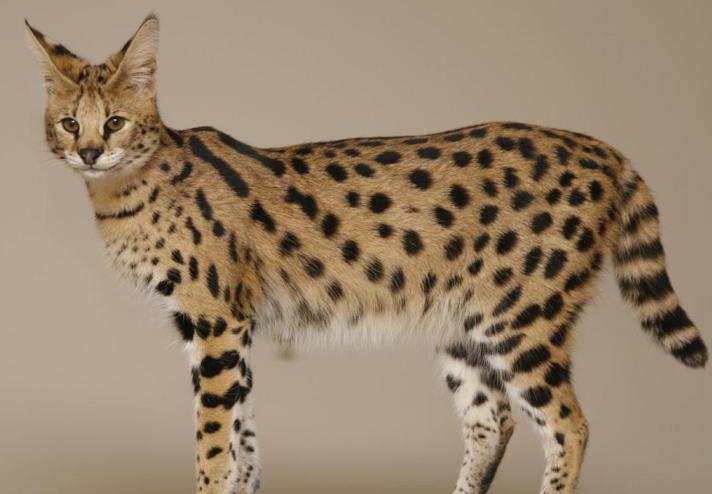
Worms in Cats - worming your kitten
Intestinal worms are one of the most common health issues in kittens, and the good news is that they are also one of the most manageable. A steady worming routine, accurate dosing and decent flea control clear most cases before they cause any lasting harm. The catch is that kittens are exposed early, sometimes before they leave their mother, so a burden can build quietly while the kitten still looks fine. A few worms can also move from "common" to "serious" fast in a very young animal, and some can affect people through contaminated soil or faeces. This guide covers the main worms seen in Australian cats, what to watch for, how often to worm, and how to keep reinfection down.
Types of worms in cats
Most intestinal worms in cats belong to a few familiar groups. They live and spread in different ways, and they do not all respond to the same products, which is why worming is really about matching the coverage to your cat's age and risk rather than reaching for any single "wormer".
Roundworms
Roundworms are very common in kittens. They are picked up from the environment and can also pass from a queen to her kittens during nursing. Heavy burdens can cause a pot-bellied look, poor growth and digestive upset.1
Hookworms
Hookworms attach to the intestinal lining and feed on blood. In kittens, that blood loss can contribute to anaemia and weakness, especially when the burden is heavy.1
Tapeworms
Tapeworm infection is usually linked to fleas. A cat becomes infected by swallowing an infected flea while grooming. You may see small, rice-like segments near the anus or in bedding, though many cats look otherwise well.2
Symptoms of worms in kittens
Some kittens carry worms with only subtle signs. Others show clear digestive or growth problems, particularly if they are very young, underfed, stressed or carrying a high worm load. Watch for:
- Vomiting or diarrhoea
- Poor weight gain or weight loss
- Pot-bellied appearance
- Dull coat
- Lethargy
- Pale gums, a possible sign of anaemia, particularly with hookworms1
Worms are sometimes seen in vomit or faeces, but not seeing them does not rule them out.1
Why regular worming matters
In kittens, worms can contribute to dehydration, poor growth and, in severe cases, life-threatening illness. A predictable routine matters because exposure starts early and most products work by clearing the infection present on the day. They do not create a permanent shield.1
There is also a human-health angle. Roundworm eggs can persist in the environment for long periods under the right conditions, and people, especially young children, can be exposed through contaminated soil, sandpits, or unwashed hands after handling pet waste.6
How often to worm a kitten
Schedules vary a little by clinic and product, but a common, practical regimen for kittens in Australia is:
- Every 2 weeks until 12 weeks of age
- Then monthly until 6 months of age
- Then every 3 months in adulthood, or as advised for your cat's lifestyle and local risks1
If you have adopted a kitten and do not know its worming history, ask the rescue or breeder for dates and product names, then confirm a catch-up plan with your vet.
Choosing the right worming treatment
Different products cover different parasites, and age limits matter. The simplest approach is to pick a broad-spectrum product suited to your kitten's age and weight, then dose it accurately. Things to weigh up:
- Age and minimum weight. Some actives are not suitable for very young kittens.1
- Coverage. Not all wormers treat tapeworm, and flea control is often essential to break the tapeworm cycle.2
- Lifestyle. Outdoor access, hunting, multi-cat homes and flea exposure all raise the need for consistent coverage.
- Combination products. Some monthly spot-ons or tablets combine flea control with intestinal worm coverage, but not every formulation covers every worm type, so read the label and confirm with your vet.1
How to give worming medication
Your vet can match the product to your kitten's age, risk and temperament. However you give it, the aim is the same: the full dose, swallowed or applied correctly, on the right day.
Tablets or oral paste
- Weigh your kitten first, since even small changes matter for dosing.
- If giving with food, offer a small amount first to be sure it is eaten in full.
- If pilling directly, place the tablet gently at the back of the tongue, close the mouth, and allow a swallow before offering water or a small treat.
Spot-on products
- Apply to the skin at the back of the neck. Part the fur rather than applying to hair alone.
- Prevent licking until it is dry, and keep other pets from grooming the area.
If your kitten vomits soon after a dose, or you are not sure the full dose went in, ring your vet before re-dosing.
Preventing reinfection
Worming clears the worms in the kitten. Preventing reinfection is about reducing exposure, mainly to fleas, prey animals and contaminated environments.
- Keep flea control consistent to reduce tapeworm risk.2
- Remove faeces promptly and clean litter trays regularly.
- Wash hands after cleaning litter trays, gardening or handling pet waste, and supervise children closely with handwashing.6
- Reduce hunting and scavenging where you can, since prey can carry parasites.
In households with pregnancy or immunosuppression, litter tray hygiene matters for other parasites too. Daily cleaning reduces the chance of Toxoplasma oocysts becoming infective, and gloves plus handwashing add a practical layer of protection.5
Risks of leaving worms untreated
Left alone, worm burdens can cause ongoing digestive disease, poor growth and general weakness. In kittens, heavy infestations can become emergencies, for example profound anaemia with hookworms or intestinal complications with large roundworm burdens.1
Worm control also reduces environmental contamination with eggs and larvae, which is part of protecting other pets and people, particularly children who play in soil and sand.6
When to see a vet
Book a veterinary check promptly if your kitten has any of the following:
- Repeated vomiting or ongoing diarrhoea
- Weight loss, failure to gain weight, or poor appetite
- Signs of dehydration, such as dry gums, weakness or prolonged skin tenting
- Pale gums, marked lethargy or collapse, which can point to significant anaemia
- Visible worms or segments, especially if your kitten is very young or unwell
Your vet may recommend a faecal test, tailored parasite control including flea treatment, and supportive care if your kitten is dehydrated or anaemic.
The bottom line
Most kitten worm problems are manageable with a steady routine: broad-spectrum treatment on an age-appropriate schedule, accurate dosing by weight, and good flea control. Add simple hygiene, quick faeces clean-up, clean litter trays and handwashing, and you cut the chance of reinfection while keeping the household safer.1, 6
References
- University Veterinary Teaching Hospital Sydney, Intestinal worms (kitten worming schedule and signs)
- Merck Veterinary Manual (Cat Owners), Worms in cats
- University Veterinary Teaching Hospital Sydney, Kitten parasite protection calendar
- Companion Animal Parasite Council (CAPC), General parasite control guidelines (kittens)
- Victoria State Government (Health), Toxoplasmosis (prevention and litter tray advice)
- US Centers for Disease Control and Prevention (CDC), How toxocariasis spreads and prevention
- CDC, Healthy Pets, Healthy People: Cats (hygiene and litter box precautions)
- CDC, Preventing toxoplasmosis (daily litter tray cleaning and hygiene)
- Crookwell Veterinary Hospital, Worming in cats (risks in kittens and suggested programs)

Dog lover and writer at My Pets Australia, sharing practical breed guides and care advice for Australian pet owners.