Why Pets Need Regular Eye Check-ups
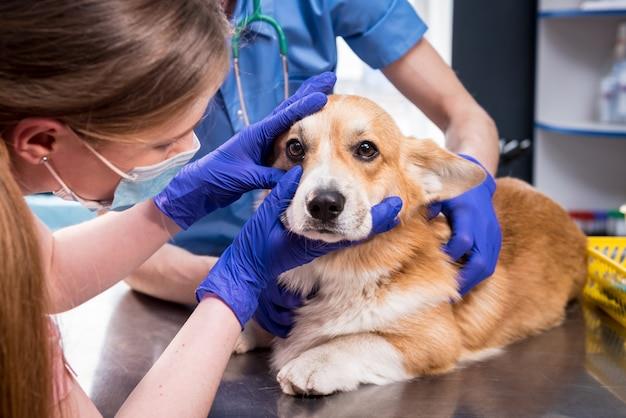
A pet's eyes can go from healthy to a genuine emergency in a matter of hours, which is exactly why regular checks are worth the small effort. Many eye conditions begin quietly, and pets are very good at carrying on as normal while a problem builds. A proper eye exam is more than a quick look: it is a calm sequence of checks that can catch early disease before your pet learns to hide it, and rule out urgent trouble like corneal ulcers or glaucoma. The sections below cover what your vet looks for, what the common conditions actually mean, and what you can sensibly watch at home.
Why regular eye check-ups matter
Most eye conditions start without any drama. Pets often keep eating, playing and getting around well enough that early vision loss or ongoing discomfort slips past unnoticed. By the time an eye looks obviously different, the damage may already be well advanced.
Routine checks help your vet:
- catch treatable problems early, before scarring or permanent vision loss
- identify pain (squinting, rubbing, light sensitivity) that owners often read as the pet simply being tired
- monitor age-related change and breed-related risks, especially in dogs with prominent eyes or long facial hair
Common eye problems in pets
Cataracts
Cataracts are an opacity of the lens inside the eye. They usually show as a whitish or grey haze behind the pupil and can reduce vision, sometimes progressing to blindness. A vet exam matters here because lens changes can be confused with other age-related cloudiness that looks similar from a distance.
Glaucoma
Glaucoma involves increased pressure inside the eye, which can cause significant pain and rapid, irreversible vision loss. Classic warning signs include a red eye, a cloudy or blue-tinged cornea, tearing, squinting, a dilated pupil, or an eye that looks enlarged. If glaucoma is suspected, it is treated as an emergency.3
Conjunctivitis
Conjunctivitis is inflammation of the conjunctiva, the tissue lining the eyelids and covering the white of the eye. It often appears as redness, watery to mucky discharge, and irritation such as rubbing or pawing. Causes vary. In dogs, ongoing conjunctivitis is commonly linked with allergy and underlying surface disease. In cats, infections such as feline herpesvirus and chlamydia are common contributors.4
What happens in a typical eye examination
Most of the core tests are quick and minimally invasive, and each one answers a practical question: is the eye producing tears, is the cornea intact, and is the eye pressure safe? Common steps your vet may use include:
- Visual inspection of the eyelids and eye surface for redness, swelling, discharge, lash problems, and obvious injury.
- Schirmer tear test to measure tear production, useful when dry eye or chronic irritation is suspected.1
- Fluorescein stain to look for corneal scratches or ulcers and to assess tear drainage. The dye highlights areas where the corneal surface is damaged.1, 2
- Tonometry (an eye pressure test) to help detect glaucoma or inflammation such as uveitis.2
Depending on what your vet finds, they may also examine the back of the eye (the retina) and the lens with an ophthalmoscope, or recommend a referral to a veterinary ophthalmologist for specialised testing and treatment.
When to treat it as urgent
Eye pain and sudden changes should always be taken seriously. Book an urgent appointment, or seek an emergency vet, if you notice:
- sudden squinting or holding an eye closed
- cloudiness, a blue or white haze, or a sudden change in eye shape
- a red, swollen, or bulging eye
- a pupil that looks unusually large or unequal
- rapid vision changes such as bumping into things or hesitating on stairs
These signs can occur with glaucoma, corneal ulceration, trauma, or uveitis, and delaying care can mean permanent vision loss.3
Fears and misconceptions about eye exams
Most pets tolerate eye checks well. When there is discomfort, it usually comes from the underlying eye problem rather than the test itself. Your vet will work gently and efficiently, and may use local anaesthetic drops for certain procedures, such as some forms of tonometry. If your pet is very anxious or sore around the face, tell the clinic when you book. A quieter appointment time, careful handling, or a staged approach can make the visit safer for everyone.
What you can do at home
Simple home checks
Once or twice a week, and more often for flat-faced breeds or pets with chronic tear staining, take a quick look in good light:
- Are both eyes open comfortably and the same shape?
- Is the surface clear and glossy rather than cloudy?
- Is any discharge clear and minimal, rather than thick, yellow or green, or bloody?
- Is there new redness, swelling, or frequent rubbing?
Gentle cleaning
If there is mild discharge at the corner of the eye, wipe it away with a clean, damp cloth or cotton pad, using a separate pad for each eye to avoid spreading infection.
What not to do
- Do not use human eye drops unless your vet has told you to. Some can worsen ulcers or mask serious disease.
- Do not try to remove a foreign body stuck on the eye surface.
- Do not wait it out when there is squinting, cloudiness, or obvious pain.
How often should pets have eye checks?
For most pets, an eye assessment is folded into routine veterinary health checks. Pets that are older, have prominent eyes, have had previous eye disease, or belong to predisposed breeds may benefit from more frequent monitoring. Your vet can tailor the schedule to what they see on the exam.
References
- Merck Veterinary Manual (Professional Version), Diagnostic tests pertaining to the eye in animals (Schirmer tear test; fluorescein stain)
- Animal Eye Care (Australia), Eye examination summary (fluorescein staining; tonometry overview)
- Cornell University College of Veterinary Medicine, Glaucoma in dogs (clinical signs; importance of early diagnosis)
- Animal Eye Care (Australia), Conjunctivitis (common causes and signs in dogs and cats)

Dog lover and writer at My Pets Australia, sharing practical breed guides and care advice for Australian pet owners.