Why It's Important to Play with Your Pets
Play is one of the simplest and most valuable things you can give a dog or cat every day. It sits where movement, mental work, and connection overlap, and done well it helps manage weight, eases stress-driven behaviours, supports training, and gives pets a safe outlet for the instincts that shape their daily lives.1, 2, 9 It also costs very little to build into a normal week. A restless dog at night, a cat that ambushes ankles, or a shredded cushion is often the visible edge of a pet that needs more or different play, not a pet that has turned naughty.
Why play matters beyond burning energy
For dogs and cats, play is a small daily ritual with big downstream effects. It can be physical, like chasing, tugging, and climbing, or mostly mental, like sniffing games, puzzle feeders, and short training sessions that ask the brain to work.1, 2 When that mix is missing, pets tend to default to whatever behaviours are easiest to reach: vocalising, chewing, over-grooming, pestering other animals, or pacing the same worn track through the house.1, 2
Play and physical health
Regular activity helps maintain a healthier body condition and supports joints and mobility over time. Extra body fat raises the risk of problems such as diabetes and osteoarthritis, and it can quietly reduce quality of life long before it becomes an obvious crisis.4, 5 Play adds to that daily movement in a way many pets accept more readily than exercise on its own, especially when you match the activity to the animal in front of you: age, breed type, health status, and temperament. If your pet has pain, limps, or tires suddenly, swap to gentler games and check in with your vet before pushing intensity.3
Quick signs your pet may need more or different play
- Weight creeping up despite no obvious diet change.4, 5
- Restlessness in the evening, especially after quiet days indoors.1, 2
- Chewing, digging, scratching, or getting into things when left alone.1, 6
Play and mental stimulation
Enrichment is part of welfare, not a luxury add-on. It covers sensory input, problem-solving, choice, and safe social contact. When pets cannot express normal behaviours, or when life is too predictable and empty, boredom and stress can show up as repetitive or disruptive habits.1, 2 Many so-called behaviour problems are better described as unmet needs. Rotating toys, adding food-dispensing puzzles, or running a two-minute training game can redirect that need into something the household can live with.1, 7 These issues do not reliably fade with age either. If a pattern is strengthening, such as reactivity, escalating rough play, or anxiety, early and qualified help makes a difference.8
Social learning and training through play
Play is one of the easiest ways to rehearse life skills without turning it into a heavy event. For dogs, games can practise recall, impulse control, and calm transitions between excitement and stillness. For cats, the right toys satisfy the chase, stalk, and pounce sequence in a safe direction.9, 10
- Keep it short. A few minutes, then a pause. Stop while your pet is still engaged.
- Reward the behaviour you want. Treats, a favourite toy, or a brief burst of the game can reinforce calm or cooperative choices.8
- Finish cleanly. Offer a chew, a snack in a puzzle toy, or a calm settle so arousal does not spill into mouthing or zooming.7
Strengthening the bond through play
Play is shared attention at ground level, on the pet's terms. Over time those small exchanges build predictability and trust: the dog learns that people are worth checking in with, and the cat learns that hands are not the toy and the toy always arrives when the game starts.10 Play is also a quiet way to read your pet. A change in play style, such as less jumping, shorter bursts, avoiding one side, or sudden irritability, can be an early clue that something physical or emotional has shifted and needs a closer look.3
Managing destructive and stressful behaviours
Chewing, scratching, digging, and midnight sprints are often the visible edge of a bigger picture: too much stored energy, too little stimulation, or stress without an outlet. Regular, appropriate enrichment can reduce the risk of stress-related behaviours and help pets settle more easily when alone.1, 2, 7
A pre-departure play session and a food puzzle can take the edge off for some pets, but true separation anxiety is a clinical behaviour problem and may need a vet-led plan, behaviour modification, and sometimes medication. If your dog injures itself trying to escape, soils the house only when alone, or panics at departure cues, treat it as a welfare issue rather than a training failure.6
Matching play to the pet you have
Cats: small hunts, often
Cats are wired for short, intense bursts. Interactive play that mimics prey movement, using wand toys, rolling toys, and food-based games, helps them express predatory behaviour safely. Aim for controlled sessions and keep hands out of the game to reduce play aggression.9, 10
Dogs: movement plus thinking
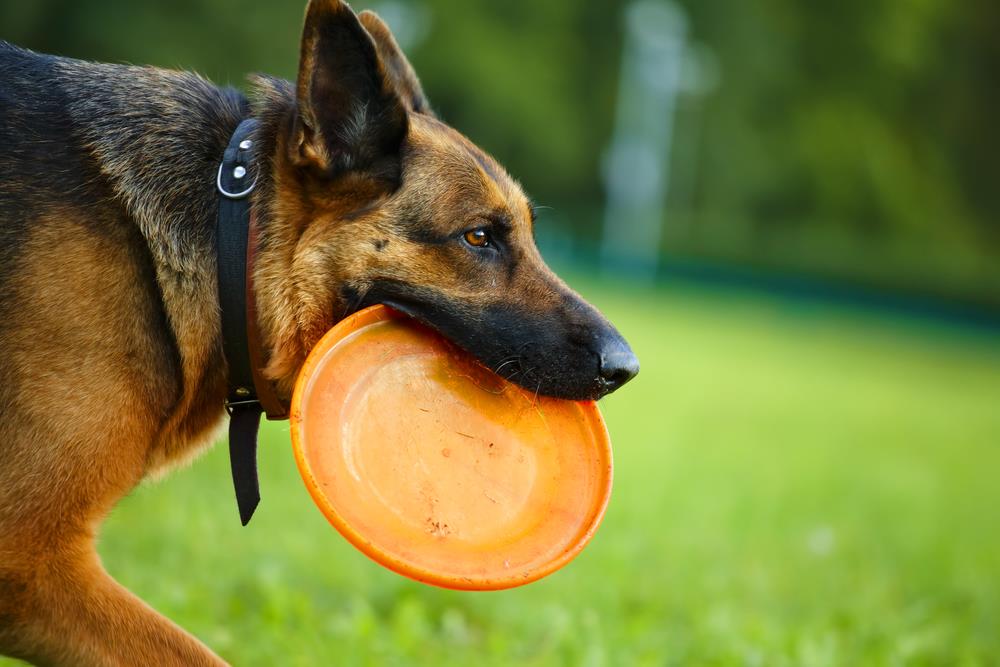
Dogs often do best with a mix: physical games such as fetch, tug, and chase games with rules, alongside brain work such as scent games, basic cues, and puzzle feeding. Rotate activities to keep novelty without turning every day into chaos.1, 7
Safety notes that prevent common play injuries
- Choose toy sizes that cannot be swallowed, and supervise anything that can splinter or tear into chunks.
- Avoid very hard objects for dogs to chew, since some can crack teeth. If in doubt, ask your vet what suits your dog's chewing style.
- If your pet has breathing issues, arthritis, or is overweight, keep play low-impact and build gradually.4, 5
Making play a realistic daily habit
The most effective play routine is the one that actually happens. A few short sessions spaced through the day usually work better than one long weekend blow-out followed by five quiet days.1
- Anchor it to existing moments: after morning coffee, before dinner, or just before you sit down to watch something.
- Rotate, do not hoard: keep some toys away and swap them every few days to refresh interest.7
- Use food wisely: puzzle feeders and scatter feeding can turn mealtimes into enrichment without adding extra calories, as long as you account for treats in the day's intake.1, 5
Long-term benefits for a calmer home
Play supports the basics of fitness, body condition, and mobility, while also shaping behaviour through safe outlets and daily learning. It can be the difference between a pet that copes with ordinary life and one that continually leaks stress into the household.1, 2, 4 Keep it simple. Follow your pet's preferences, keep sessions short and safe, and treat changes in playfulness as useful information. Over time the bond deepens in the steady way most animals prefer: through repetition, reliability, and quiet attention.3
References
- RSPCA NSW, Enrichment
- RSPCA Pet Insurance, Supporting the emotional wellbeing of dogs and cats
- RSPCA Knowledgebase, What are the signs of pain in cats?
- World Pet Obesity Association, Guidelines for pet obesity (communication and definitions)
- WSAVA, Global Nutrition Committee (nutrition assessment and guidelines resources)
- RSPCA NSW, Behaviour (common concerns including separation anxiety and boredom)
- RSPCA WA, Why enrichment is so important (dog enrichment and behaviour)
- AAHA, Canine and Feline Behavior Management Guidelines: Age and behaviour
- RSPCA Australia, The importance of a safe and stimulating environment for cats
- RSPCA Pet Insurance, Understanding why your pet behaves in certain ways (including play aggression and play needs)

Dog lover and writer at My Pets Australia, sharing practical breed guides and care advice for Australian pet owners.