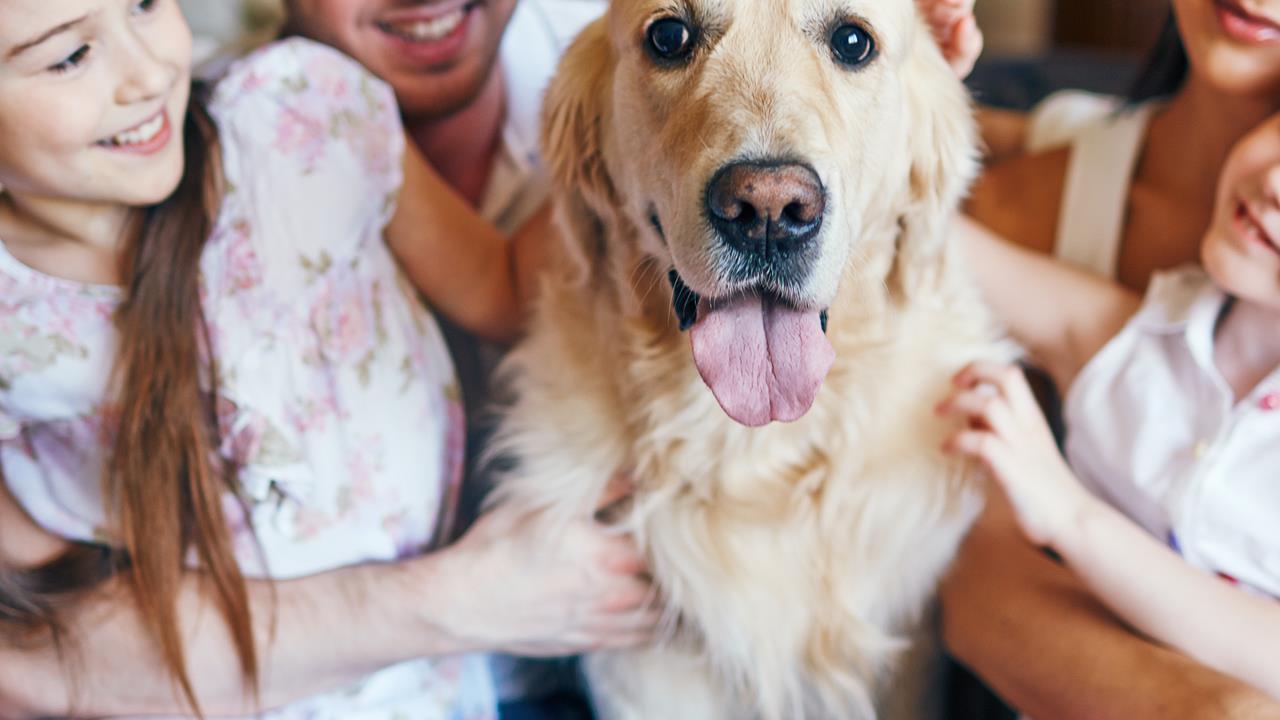
Why have a pet ?
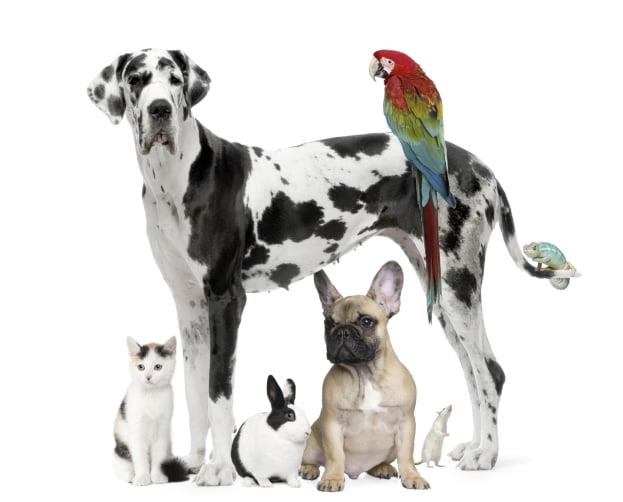
A pet earns its place at home through small, steady things: quiet company, more movement in the day, and a routine that gives ordinary time some shape. It is also a serious commitment. The value of any pet depends far less on the idea that animals are good for us and far more on fit: the animal's needs, your time and budget, and how steady your week actually is. The notes below cover the benefits that research supports, alongside the practical responsibilities that keep those benefits real.
Companionship that changes the feel of a home
Most pets settle into the background of daily life and stay present in a grounding way. For people living alone, that presence can soften the edges of isolation. For families, it adds a shared point of attention: feeding, walking, training and cleaning, the small tasks that anchor a day. Evidence suggests pets can support social and emotional wellbeing, including reducing feelings of loneliness and helping people feel more connected to others, particularly through activities like walking a dog and meeting neighbours at the park.1, 2, 3
Health effects: real, but not guaranteed
The most consistent physical benefit is simple. Some pets, especially dogs, nudge people outdoors and into light exercise, and over time that can support cardiovascular health for some owners.1, 2 It helps to keep expectations tidy, though. Major medical organisations note that the evidence is mixed, and no one should adopt a pet purely to fix blood pressure or heart risk. Think of it as a possible nudge toward healthier habits, one that only works if you can meet the animal's needs every day.1
- Likely benefit: more incidental movement (walks, play, trips to the vet and pet shop).2
- Possible benefit: lower stress and improved mood in some people, especially with regular interaction and a steady routine.2, 3
- Not a promise: measurable changes in cholesterol, blood pressure or long-term outcomes. Results vary and the research does not always agree.1
Mental health and stress
Predictable care tasks can bring a particular kind of calm: a feed at dawn, a walk at the same corner, a quiet check of the water bowls. For some people that routine helps with stress and gives the day clearer shape.4 Physical contact and play can also help people downshift in the moment. Health advice sources note links between time with pets and lower stress and anxiety for some owners, though the effects vary by person and circumstance.2, 3
Responsibility and life lessons
Pets can be a steady way to teach practical care: noticing empty bowls, keeping to a routine, learning that animals have needs that do not pause for weekends. Children can help, but the responsibility must still sit with the adults. There is also a harder lesson. Most families will eventually face illness and death in a pet, and that can become a quiet, age-appropriate introduction to grief and responsibility, provided adults guide it with honesty rather than leaving children to make sense of it alone.
Social connection and community
Pets often act as harmless social glue. Dog walking, training classes and local parks create repeat encounters where people talk naturally, first about the animal, then about the neighbourhood, and sometimes about life beyond it.2
Protection and security
A dog's bark can be a deterrent and an early warning, and many owners feel safer with a dog in the house. But security varies widely by breed, training, temperament and the way the dog is managed. A pet is not a security system, and treating one like a weapon is unsafe and unfair to the animal. Cats are more likely to provide comfort than active protection. They may react to unusual noises, but that is not reliable guarding behaviour.
Before you commit
The benefits people talk about, companionship, routine, better days, rest on the unglamorous basics: time, money and consistency. Animal welfare organisations describe pet ownership as a long-term commitment that requires planning and ongoing care, not just affection.5
- Daily care: food, fresh water, exercise where needed, hygiene, safe housing and supervision.
- Veterinary care: routine check-ups, vaccinations and parasite control, plus a plan for emergencies.
- Identification and legal requirements: microchipping and keeping details up to date. Requirements vary by state or territory and by council.5, 6, 7, 8
- Containment and behaviour: training, enrichment, and preventing roaming or nuisance behaviour.
If you are on the fence, choose an animal whose exercise and care needs match your typical week, not your best week. Budget for the full lifespan, including veterinary surprises. Consider adopting through a reputable shelter or rescue that can help match temperament to your household.5
Final thoughts
A good pet match does not transform life in one dramatic moment. It accumulates through small repetitions, quiet company and the steady work of care. If you can meet an animal's needs reliably, the relationship tends to pay you back in ordinary, lasting ways.
References
- American Heart Association: Pet ownership and cardiovascular risk (Scientific Statement, Circulation)
- US CDC: Healthy Pets, Healthy People, ways to stay healthy around animals
- healthdirect Australia: Health benefits of having a pet
- Mayo Clinic Press: The benefits of having a pet
- RSPCA Australia: Responsible pet ownership
- RSPCA Australia: Microchipping
- ACT Government (City Services): Responsible dog ownership, your responsibilities
- Agriculture Victoria: Microchipping of dogs and cats
- Western Australia (DLGSC): Microchipping requirements for cats and dogs

Dog lover and writer at My Pets Australia, sharing practical breed guides and care advice for Australian pet owners.