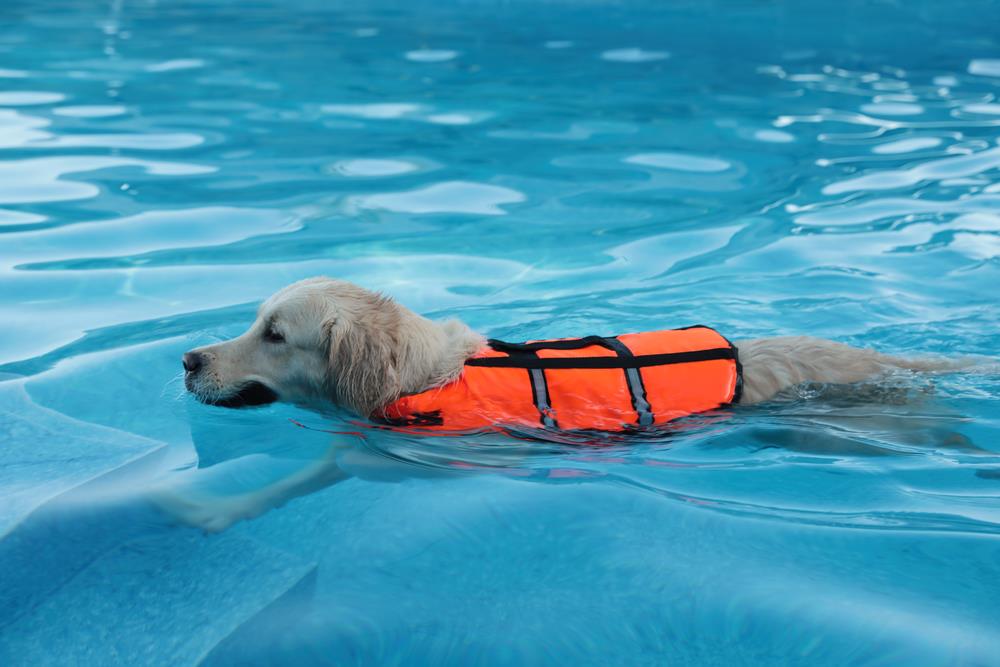
Why get Pet Insurance? What are the benefits?
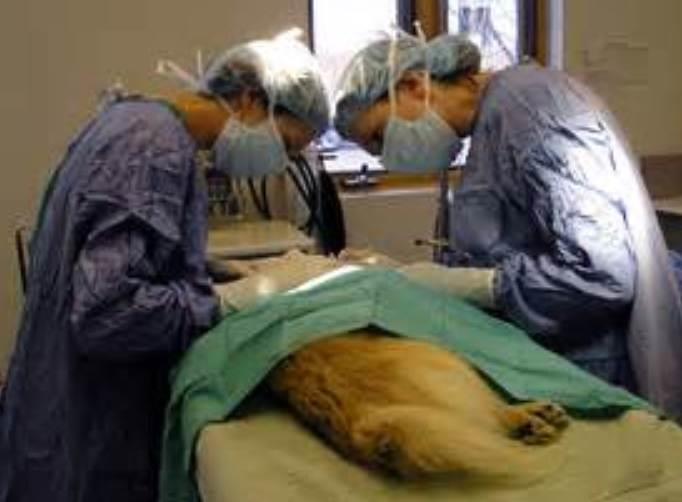
Pet insurance is a way to shift some of the financial risk that comes with owning an animal, reimbursing eligible vet costs when something goes wrong. For Australian owners the core benefit is real: when a bill lands without warning, cover can make it far easier to say yes to the treatment a vet recommends. The catch is that the value lives in the fine print. Waiting periods, exclusions, benefit limits and the way "pre-existing" is defined all decide whether a claim is actually paid.1, 2
What pet insurance is designed to cover
Most Australian pet insurance is built around accident and illness cover. It reimburses eligible veterinary expenses after you have paid the vet, up to the policy limits and less any excess and co-payment (the benefit percentage). Some insurers also sell optional routine care or wellness add-ons, but these sit separate from core accident and illness cover and usually carry their own caps.2, 3
The common gaps are predictable, and worth knowing before you buy:
- Pre-existing conditions, including signs or symptoms that appeared before the policy started or during waiting periods.3, 4
- Waiting periods before illness and certain conditions are covered, often longer for things like cruciate ligament and some dental conditions.3, 5
- Elective or preventative procedures, usually excluded unless you have bought a routine care add-on.3, 6
Financial protection when vet bills arrive without warning
The central benefit is straightforward: pet insurance can reduce the out-of-pocket hit when your pet needs urgent or costly care, whether that is imaging, a hospital stay, surgery, ongoing medication or specialist treatment, depending on the policy wording and limits.2, 3
How much you get back depends on the mechanics of the claim:
- your benefit percentage (for example 70% to 90% of eligible costs, depending on the insurer and plan)
- your excess (the amount you pay before benefits apply)
- any annual limit and any sub-limits (caps for specific conditions or treatments).3, 7
Peace of mind, with the trade-offs stated plainly
Cover makes it easier to fund recommended care, but it does not remove every decision. You may still need to pay the bill upfront and wait for reimbursement, and you may still meet exclusions, caps and gaps between what is charged and what counts as eligible.3, 7
If you are switching insurers, take extra care. A condition you have previously treated or claimed for can be treated as pre-existing by the new policy, even when your pet is currently well.3
Routine care and preventative cover
Routine items such as vaccinations, parasite prevention, desexing and dental cleaning are frequently not included in standard accident and illness cover. Some policies offer optional routine care benefits, typically with set annual allowances (sub-limits) that may or may not match your local vet's pricing.2, 3
A quieter detail sits underneath: insurers can exclude treatment for diseases where a vaccine is known to exist, and policies can also exclude some bilateral conditions, where a problem affecting one side may later affect the other. These are the clauses that only show themselves when you read the Product Disclosure Statement slowly.3
Access to quality veterinary care
Veterinary care in Australia is often delivered through local general practices, with referral pathways to emergency hospitals and specialists when a case becomes complex. Many pet insurance policies let you choose any registered vet, so you are not locked into a narrow network when time is tight.2
Even so, coverage still depends on what the policy defines as eligible treatment, and on the limits attached to it.3
Protection against accidents and illnesses
Accident cover is the straightforward part: poisoning, fractures, bite wounds, foreign-body surgery. Illness cover is where many owners find the real value, because that is where chronic conditions live, including skin disease, arthritis, gastrointestinal problems, cancers and endocrine disorders. Policies vary widely on chronic care, so check whether your plan has per-condition caps, annual caps, or per-year resets that could change your long-term costs.3, 7
Customisable plans and what "custom" usually means here
Most insurers let you tune three main dials:
- annual benefit limit (higher limits generally mean higher premiums)
- benefit percentage
- excess (and sometimes whether it applies per year or per condition).3, 5
These settings matter most when your pet is older, large-breed, or prone to specific conditions, because premiums and exclusions can shift with age and breed risk.3
Cost savings in the long run
Pet insurance is risk management, not a guaranteed bargain. Over a pet's lifetime premiums add up, and you may have years with few or no claims. The strongest savings case tends to be when a pet develops an expensive illness or needs major surgery after the policy is in force, and when the policy's caps and exclusions do not blunt the payout.3
Costs are also a moving target. Australian consumer data shows veterinary costs have risen over the past year, which is part of why owners revisit whether to self-fund or insure.8
Extra benefits and services
Some policies include add-ons or small extras, for example certain preventative benefits, emergency boarding in limited circumstances, or other services. Treat these as secondary. The main event is still the accident and illness cover, with its waiting periods, exclusions and caps.3, 9
Quick checklist before you buy
- Read the Product Disclosure Statement (PDS) and note the waiting periods for illness, cruciate ligament, dental and hereditary conditions.3, 5
- Check the pre-existing condition definitions, including "signs or symptoms".3, 4
- Find the annual limit and any sub-limits that match your pet's likely needs (skin, dental, joints).3
- Confirm whether your excess applies per year, per condition, or per claim or event.5, 7
- If switching insurers, assume anything previously treated may become pre-existing under the new policy unless the insurer confirms otherwise in writing.3
Final thoughts
Pet insurance can be a steadying hand when life with animals turns sharp: an accident, a sudden diagnosis, a long tail of follow-up visits. The value is rarely in the marketing. It sits in the PDS, in the waiting periods, exclusions, benefit limits and the way pre-existing is defined.3
If you are unsure which plan fits, bring your vet into the conversation. They cannot choose an insurer for you, but they can tell you what they see most often in your breed and age group, and what tends to become expensive when it is missed early.1
References
- RSPCA Pet Insurance, Busting myths around pet insurance
- RSPCA Pet Insurance, What is pet insurance?
- ASIC MoneySmart, Pet insurance
- Real Insurance, Pet insurance: what isn't covered?
- PD Insurance, Pet insurance FAQ (waiting periods and eligibility)
- RSPCA Pet Insurance, Dog insurance FAQs (routine desexing and routine care)
- PetSure, Find a policy (general exclusions and notes about the PDS)
- Canstar, Pet costs climb as insurance premiums and vet bills bite
- iSelect, What is pet insurance? (typical exclusions and example extras)

Dog lover and writer at My Pets Australia, sharing practical breed guides and care advice for Australian pet owners.