Why Does My Cat's Nose Run When I Pat Her?
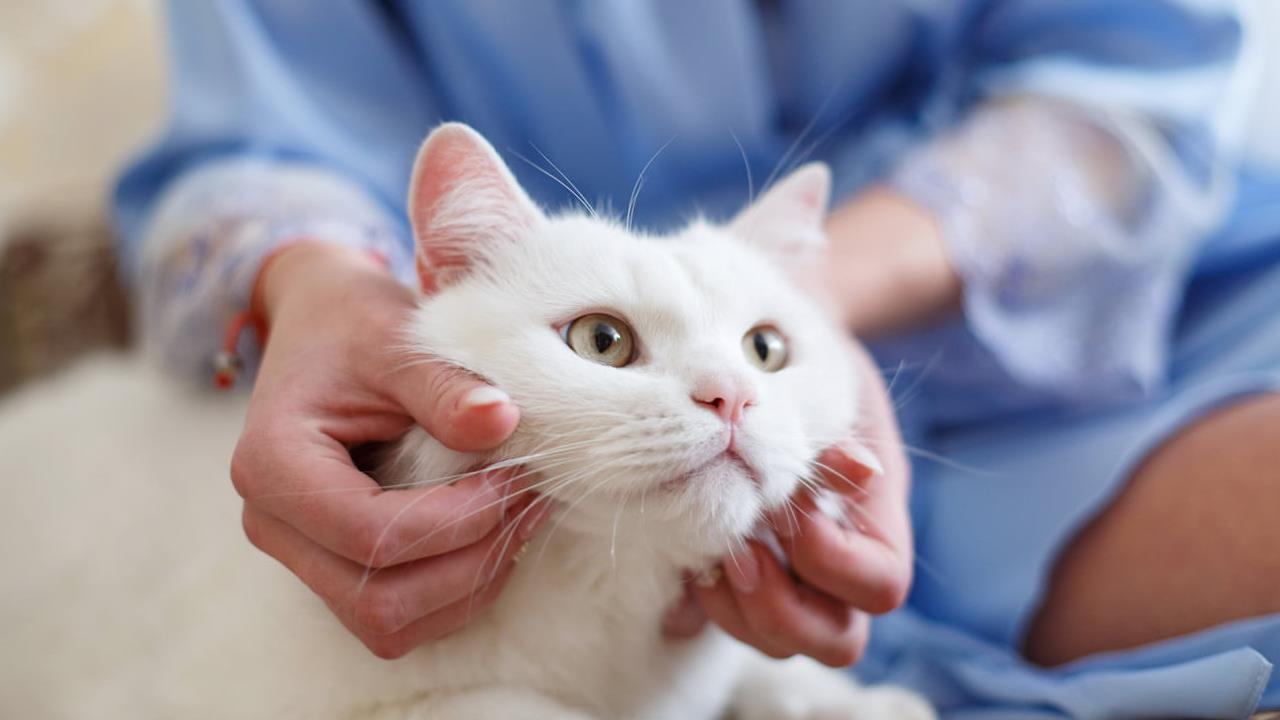
A clear drip from your cat's nose that appears the moment you start patting her is usually just a reflex. Touch and excitement change how a cat breathes and sniffs, and a small amount of thin fluid can spill forward from the nasal passages. Most of the time it means nothing. What actually matters is the pattern of the discharge, because cats are quiet about illness and respiratory disease can sit in the background for a while before it becomes obvious. If the drip is frequent, thick, coloured, one-sided, bloody, or comes with sneezing, sore eyes, noisy breathing, lethargy or a poor appetite, the patting is probably just the moment you happened to notice a bigger problem.1, 2
What a cat's nose is doing all day
A cat's nasal cavity is lined with delicate tissue that warms and humidifies the air and traps dust and microbes. When that lining is irritated or inflamed, it produces more fluid and mucus. The result ranges from a brief, watery run to thicker, sticky discharge that crusts around the nostrils.1
Why it can happen when you pat your cat
Patting itself rarely causes anything. It usually just coincides with one of a few simple triggers:
- Brief nasal reflexes. Touch, a change in posture, and a quick burst of sniffing can shift a little clear fluid to the nostrils.
- Mild irritation in the environment. Perfume, cleaning sprays, smoke, dusty litter or pollen can make the nose more leaky, and handling just makes it easier to spot.2
- A flare-up of an underlying upper respiratory infection. Some viral infections settle into dormancy and reappear during stress. For some cats, a busy household, visitors, or handling they do not enjoy can be enough to tip symptoms back into view.6, 7
Think of the patting as the torchlight that shows what was already there, not the cause.
Common medical causes of nasal discharge
Viral upper respiratory infections (cat colds)
Upper respiratory infections are common, especially where cats mix closely in shelters, catteries and multi-cat homes. Typical signs include sneezing, nasal and eye discharge, conjunctivitis, mouth ulcers in some cases, lethargy and a reduced appetite.5, 6 Feline herpesvirus (FHV-1) and feline calicivirus (FCV) are the major causes. With herpesvirus in particular, signs can recur later in life, sometimes linked to stress or other illness.6, 7
Secondary bacterial infection
A watery discharge that turns thick, yellow or green can point to secondary bacterial involvement on top of viral irritation, or to another inflammatory process in the nose and sinuses.1, 6
Allergic or irritant rhinitis
Some cats react to airborne irritants or allergens such as dust, smoke, strong fragrances and pollens. The discharge is often clear and may come with sneezing or watery eyes. Because many conditions look similar at home, persistent signs are best assessed by a vet rather than guess-treated.2
Dental disease and oral-nasal connections
Infection around the upper teeth can affect the nearby nasal passages. One clue is discharge that seems worse on one side, especially alongside bad breath, drooling, reluctance to eat or obvious gum disease. Your vet may recommend an oral exam and dental imaging.2
Foreign material in the nose
Grass seeds and plant material can lodge in the nasal passages, often causing sudden sneezing fits and one-sided discharge. This may need investigation under sedation or anaesthesia to find and remove the material safely.4
Nasal polyps, chronic inflammation or tumours
Long-running nasal disease can involve chronic rhinitis, inflammatory tissue changes, polyps, or, less commonly, tumours. Red flags include noisy breathing, facial distortion, repeated nosebleeds, and discharge that persists despite basic treatment.1, 4
Normal versus concerning: quick checks at home
A small amount of clear discharge that appears briefly, in a cat who is otherwise bright, eating and breathing quietly, can simply be monitored. Book a veterinary visit sooner if you notice any of the following:
- Coloured discharge (yellow or green) or thick mucus.2
- Blood from the nose, or discharge with a bad smell.2
- One-sided discharge that keeps returning, which can point to dental disease, foreign material, polyps or a mass.2, 4
- Noisy breathing, open-mouth breathing, or obvious effort to breathe. This is urgent.2
- Lethargy, fever or reduced appetite. Cats can deteriorate quickly once they stop eating.2, 5
- Eye discharge, squinting, or swollen or congested eyes alongside the nasal signs.5, 6
Comfort care you can safely do at home
These steps will not cure the underlying cause, but they can make breathing and eating easier while you monitor or wait for a vet appointment:
- Gently wipe the nostrils with warm, damp cotton wool to remove crusts. Do not pick at stuck scabs.2
- Use humid air from a humidifier in the room to loosen secretions and reduce congestion.2
- Keep strong smells away. Avoid aerosols, diffusers, incense, harsh cleaners and cigarette smoke around the cat.2
- Watch food and water intake. Congestion can blunt smell and reduce appetite, so if your cat is eating poorly for more than a day, ring your vet.2
Do not give human cold or flu medicines. Many of them are unsafe for cats.
When to see a vet, and what they may check
If the discharge persists for more than a couple of days, keeps coming back, or arrives with systemic signs such as poor appetite, lethargy or fever, a veterinary exam helps separate mild irritation from infection, dental disease or less common nasal conditions.2 Depending on the findings, your vet may recommend:
- an oral and dental assessment
- swabs or PCR testing for infectious causes in some cases
- imaging (X-ray or CT) and rhinoscopy if a foreign body, polyp, fungal disease or tumour is suspected1
Keeping your cat's nose healthy
- Keep vaccinations up to date, particularly the core respiratory vaccines, to reduce the severity and spread of common viral disease.6
- Reduce exposure in high-density settings where respiratory infections spread readily, and isolate new or unwell cats where possible.5
- Support low-stress handling. Approach slowly, keep pats brief if your cat is sensitive, and let her choose when to leave. Stress can worsen signs for some cats with chronic or recurring viral disease.7
- Look after dental health with regular checks and prompt treatment of any dental disease.2
The bottom line
A brief clear drip when you pat your cat is usually a harmless reflex, and if she is bright, eating and breathing quietly, you can keep an eye on it. The signs worth acting on are colour, blood, a one-sided or persistent discharge, noisy or laboured breathing, and any drop in appetite or energy. When in doubt, a vet check sorts mild irritation from the conditions that need treatment.
References
- Merck Veterinary Manual, Rhinitis and Sinusitis in Dogs and Cats
- PetMD, Runny Nose in Cats (Nasal Discharge)
- PetMD, Cat Sneezing: Why Cats Sneeze and What to Do
- Cornell Feline Health Center, Respiratory Infections
- The Animal Medical Center, Feline Upper Respiratory Infection (URI)
- PetMD, Upper Respiratory Infection in Cats: What Pet Parents Should Know
- Merck Veterinary Manual, Feline Herpesvirus Infection
- Merck Veterinary Manual, Cats: Upper Respiratory Infection Complex

Dog lover and writer at My Pets Australia, sharing practical breed guides and care advice for Australian pet owners.