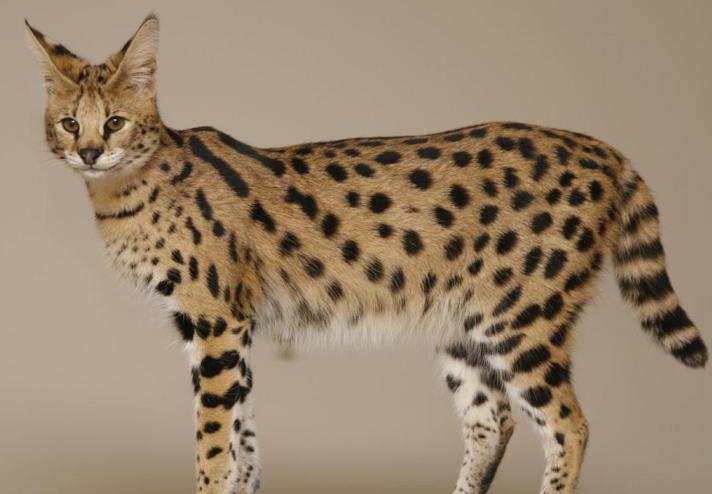
Why do cats make good pets?
Cats are one of the easiest animals to fit into an ordinary home. They don't need walking, they handle being alone during a work day better than most dogs, and many will happily entertain themselves between long naps. That reputation for being low effort is mostly fair, though it gets stretched a bit too far. A cat still needs daily care, a proper toilet set-up, and a home arranged for the way cats actually behave. Here is a clear look at what cats genuinely offer, what they need in return, and the practical checks that make the difference. 1, 2
Independent, with a quiet social life
The appeal of a cat is that it comes to you on its own terms. Cats are good at amusing themselves in short bursts, window-watching, patrolling the house, stalking a toy, then sleeping for long stretches. Many also seek out contact when it suits them: a slow blink from the doorway, a rub against your leg, a warm weight settling beside you on the couch. 2
That independence is genuinely useful in a busy household, but it doesn't mean a cat thrives without you. Daily play, predictable routines, and a home set up for feline behaviour (scratching, climbing, hiding, watching) are part of basic care, especially for indoor cats. 2, 3
What "low maintenance" really means
Low maintenance is not no maintenance. Cats don't need walks, and many cope well with being home while you're at work, but they rely on the same essentials every day: fresh water, appropriate food, a clean litter tray, and a safe environment that doesn't punish normal cat behaviour. 2, 4
- Food and water: fresh water available at all times, and a diet suitable for your cat's age and health. 4
- Litter trays: enough trays, in the right places, cleaned regularly, because many cats will avoid a tray that's dirty, noisy, or too exposed. 1, 2
- Scratching and climbing: a scratching post and places to perch, so claws meet cardboard and sisal instead of your sofa. 4
- Play and enrichment: short, regular play sessions and rotated toys for mental and physical health, particularly if your cat is contained. 4
One common claim worth correcting: cats should not simply be topped up with food and water and left for a few days. Aside from loneliness, the practical risks stack up fast. Water can spill, an automatic feeder can fail, a cat can vomit or stop eating, and a litter tray can become one the cat refuses to use. For any overnight absence, organise a reliable sitter or boarding, and make sure your cat has safe containment and hazard-free rooms. 5
Litter tray set-up, the make-or-break detail
Toileting problems are the fastest way a new cat home goes sideways. Most of the time it isn't bad behaviour, it's a tray in the wrong spot, the wrong type, too dirty, or competed over by other cats. 1, 2
- Place trays in quiet, accessible areas, away from food and water. 1
- Provide enough choice, especially in multi-cat homes. A common guide is one tray per cat, plus one extra, in separate locations. 1
- Scoop daily and clean trays regularly, since many cats avoid a tray that smells used. 1, 4
Pest control: a real instinct, not a guarantee
Cats are predators, and it shows. Many will stalk and catch mice given the chance, and some households notice fewer rodents once a cat moves in. Results still vary with the individual cat, the home, and the local pest pressure, so treat it as a possible side benefit rather than a plan. 2
If pests are a serious issue, use cat-safe approaches and store baits and chemicals where a cat can't reach them. Accidental poisoning is a real risk in homes that mix pets and pest treatments. 2
Small homes suit cats, if the inside is rich enough
A cat doesn't need a backyard, but it does need a landscape. Vertical space, hiding spots, sunny rest points, and safe outlets for scratching and chasing all matter more in a small flat, not less. 2, 4
Contained cats especially benefit from deliberate enrichment: things to climb, places to retreat, and play that mimics the hunting sequence of stalk, chase, pounce. 2, 4
Stress, mood, and health benefits
Plenty of people find cats grounding to live with, a steady presence and a warm animal choosing to rest nearby. Some studies link pet ownership with differences in stress responses and certain cardiovascular risk factors, but the evidence is mixed and often can't prove cause and effect. 6
The safest way to frame it is simple: a cat can support your wellbeing when the relationship suits your life, but it isn't a medical intervention, and you shouldn't take one on solely for health outcomes. 6
Cats and allergies: more reality, fewer myths
Cat allergies are usually triggered by proteins, not the length of the coat, and there is no truly hypoallergenic or allergen-free cat. Individuals do vary, and some people react less to a particular cat, but breed alone can't guarantee comfort. 7, 8
If allergies are part of your decision, spend time with the specific cat you're considering, not just the breed, and talk with your GP or allergist about practical management in the home. 8
Routine vet care: the quiet foundation
A cat that seems fine can still be carrying preventable disease risks. In Australia, vets commonly refer to core vaccines such as feline herpesvirus, calicivirus, and panleukopenia, often given together as the F3 vaccine, with timing and boosters guided by your vet and your cat's lifestyle. 9
If you're choosing a cat, budget for preventive care (vaccinations, parasite control, desexing where appropriate), and plan for the occasional surprise. Cats are masters at hiding illness until they can't. 2
The bottom line
Cats make excellent pets when their needs line up with the rhythms of your home: calm daily care, a clean toilet set-up, safe indoor enrichment, and companionship offered rather than demanded. They're often easier to house than dogs, especially in smaller spaces, but they still take planning, particularly around time away, allergies, and ongoing vet care. 2, 4
References
- RSPCA Knowledgebase: How do I encourage my cat to use a litter tray?
- RSPCA NSW: How to care for your pet cat or kitten
- RSPCA Pet Insurance: Essential cat care information
- RSPCA Victoria: How to care for your cat
- RSPCA NSW: Ready Pet Go (emergency preparedness)
- American College of Cardiology: Summary of the American Heart Association scientific statement on pet ownership and cardiovascular risk
- Thermo Fisher Scientific (Allergen Encyclopedia): Cat dander (Fel d 1)
- Purina Institute: There are no allergen-free or "hypoallergenic" cats
- RSPCA Pet Insurance: How often should our pets be vaccinated?

Dog lover and writer at My Pets Australia, sharing practical breed guides and care advice for Australian pet owners.