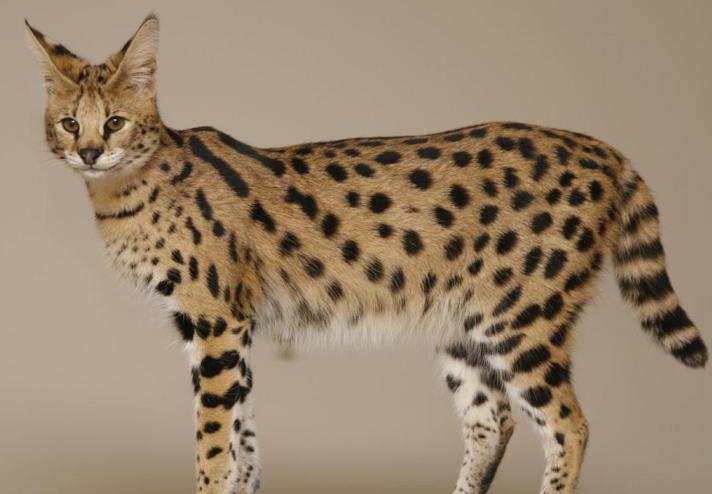
Why Cats are so Curious
A cat nosing into a cupboard, testing a new cardboard box, or appearing from nowhere to inspect a visitor's bag: this is a cat doing one of the things it does best. Curiosity is genuinely useful to a cat, and it makes them good company, always busy reading the room and checking what has changed. It is also the reason people search for "why are cats so curious?" after a slightly alarming moment. The same instinct that keeps a cat engaged can lead to swallowed string, chewed cords, or a nibble on a toxic plant. Below is a plain look at what drives that investigating, what is healthy, what is a worry, and how to give curiosity somewhere safe to go.1, 2
Why cats investigate
Cats evolved to survive by noticing small changes. In the wild, a new smell on the wind, a soft rustle in grass, or a shifted object can mean prey, danger, or a better resting spot. Investigating is how a cat updates its mental map and decides what is safe to approach and what is better left alone.1 This is not mischief. It is closer to routine fieldwork: gather information, test boundaries, keep options open. Domestic cats still carry those instincts into living rooms and laundries, where novelty is rarer and therefore often more interesting.
A lot of the work is done by the senses, and smell especially. Cats read places and objects by scent, and they leave their own chemical notes through rubbing and scratching. When you bring something new into the home, your cat is usually running a careful sensory audit rather than simply being nosy.1 Curiosity here sits at the meeting point of environmental needs and predatory behaviour. A healthy feline environment gives a cat the chance to play, stalk, chase and complete hunting-style sequences, along with safe resting places and predictable access to food, water, toileting and scratching areas.1, 2 When those needs are met, curiosity shows up as relaxed exploration and engaged play. When they are not, it can turn intense or repetitive, as if the cat is searching for something the home is not providing.
What it looks like day to day
A curious cat runs quiet inspections throughout the day. It re-checks doorways, window ledges and familiar routes, then zooms in on whatever has changed: a new parcel, a moved chair, a different scent on your shoes. Young cats and cats that spend most of their time indoors tend to do more of it, because there is more time to fill and every new object is worth a look.
Curiosity is not the same as intelligence
It is tempting to treat a nosy cat as a clever one, but the two are not identical. Curiosity is the drive to investigate. Learning is what happens next. Cats do learn quickly from outcomes, what opens, what falls, what makes humans get up, and that can make an inquisitive cat look very sharp. The practical point for welfare is simple: a cat that can explore safely, solve small problems like food puzzles, and choose where to rest is more likely to stay mentally settled at home.1, 3
The good and the risky
The upside is real. Exploration and play provide mental stimulation and physical movement,2 and cats with proper outlets for normal behaviours (scratching, hiding, climbing, hunting-style play) are less likely to develop stress-related problems.1 The risks come when curiosity meets a hazard.
- Chewing and swallowing hazards: string, elastic hair ties, plastics and small toys can all be swallowed.
- Falls and entrapment: open windows, balconies and tight gaps behind appliances can injure an exploring cat.
- Toxic plants: some common flowers and house plants cause serious illness. Lilies are particularly dangerous for cats, and even small exposures can be life-threatening and need urgent veterinary attention.4, 5
How to channel it safely
You do not need to create curiosity in most cats. You are shaping where it can go. Start by making the home easy to explore.
- Add vertical pathways: sturdy cat trees, shelving and window perches let cats observe and retreat without feeling cornered.2
- Offer safe hiding places: boxes, covered beds or quiet nooks that stay available even when the house is busy.1, 2
- Separate key resources: keep food, water, litter, scratching areas and resting spots in sensible, calm locations, and avoid placing food and water right next to the litter tray.1, 2
Then give curiosity something to work on. Puzzle feeders or scatter feeding slow fast eaters and give indoor cats a meaningful job.2, 3 Keep a small selection of toys out and swap them every few days so novelty stays gentle and steady.2
Play works best when it matches cat instincts. Choose toys that move like prey, wand toys and small skittering toys, and build in stalking and pouncing rather than random throwing.2 Keep sessions short and regular, since many cats do better with brief bursts than one long workout.2 Pack away risky toys after play, especially string-like items that can be chewed and swallowed.1 This is also why a new box can briefly outrank an expensive toy: it offers scent, texture, edges to peer over, and a place to ambush a passing feather on a string. Give a cat a safe stage to climb, scratch, hide and hunt, and curiosity tends to settle into a calm rhythm rather than spilling into cupboards and power cords.1, 2
When curiosity needs a closer look
Curiosity is normal. A sudden change in behaviour is not always just curiosity, especially if it comes with other signs.
- See a vet promptly if your cat becomes unusually restless, starts eating non-food items, seems disoriented, vomits repeatedly, or you suspect poisoning.
- If plant poisoning is possible (especially lilies), treat it as urgent and seek immediate veterinary help.4, 5
- In Australia, you can also contact the Animal Poisons Helpline (24/7) on 1300 869 738 for poisoning advice and triage support.6
A Few Things Worth Knowing
Is it normal for my cat to investigate everything? Yes. Exploring and checking changes in the environment are normal behaviours, especially in young cats and cats that spend much of their time indoors. Curiosity often increases when something in the home changes, such as new objects, visitors, smells or routines.1
Can curiosity be a sign my cat is bored? Sometimes. Healthy exploration is normal, but persistent searching behaviour can also mean your cat needs more outlets: climbing, hiding, scratching, hunting-style play and feeding enrichment.1, 2
What is the biggest safety risk for curious cats? It depends on the household, but common risks include swallowing string-like items, chewing cords, and exposure to toxins. Lilies are a well-known and particularly dangerous plant for cats and should be kept out of any home with a cat.4, 5
The Bottom Line
A cat's curiosity is one of its quiet strengths. It is how a cat gathers information, keeps itself safe, and stays engaged with the world. The goal at home is not to suppress the instinct but to give it somewhere suitable to land: vertical space, safe hiding spots, hunting-style play, and a few small puzzles that reward attention.1, 2 Do that, and curiosity becomes less about trouble and more about a cat doing what cats have always done, carefully, persistently, and on its own terms.
References
- AAFP & ISFM Feline Environmental Needs Guidelines (Journal of Feline Medicine and Surgery, full text)
- Agriculture Victoria (Animal Welfare Victoria): Creating the perfect indoor haven
- Cat Protection Society of NSW: Indoor cats factsheet
- RSPCA NSW: Toxic plants (cats and lilies)
- City of Monash (VIC): Toxic plants for cats
- Animal Poisons Helpline (Australia): About the service and 24/7 contact number
- RSPCA NSW: Keeping cats safe at home (indoor living and enrichment options)
- RSPCA Pet Insurance: Tips to help your indoor cat get enough exercise
- PubMed: AAFP and ISFM feline environmental needs guidelines (abstract)

Dog lover and writer at My Pets Australia, sharing practical breed guides and care advice for Australian pet owners.