What to Do If Your Pet Gets Lost
A lost pet is usually found close to home. Dogs and cats often stay within a small radius early on, hiding quietly in familiar cover, so the first day of a calm, local search does most of the work. The steps that reliably bring pets home in Australia are simple: search tight and close to where they went missing, tell the right places fast, put out clear flyers and posts, and confirm your microchip details are current and searchable. A pet can slip out during a delivery, bolt at a loud noise, or vanish through a gate that did not quite latch, and in those first hours your choices about where you look and who you call matter a great deal. The good news is that most of this is within your control before anything ever goes wrong.
Act quickly, especially in the first day
If your pet has only just gone missing, start searching straight away and keep it local at first. Many dogs and cats stay within a surprisingly small area early on, often tucked into familiar cover: under decks, behind sheds, in dense shrubs, or inside a neighbour's garage that has been closed without anyone realising.1, 2 The risks outside are straightforward and real: traffic, dehydration, exposure, and panic-driven running that makes a simple search much harder.2
Reduce the odds before anything happens
Prevention is where you have the most leverage. A few things set up in advance make a lost pet far easier to recover.
Microchip, and make sure it can actually identify you
Microchipping is widely used across Australia and is a legal requirement in some places. Queensland, for example, requires cats and dogs to be microchipped by 12 weeks of age.3 The chip does not provide GPS tracking. It is a permanent ID number that a scanner at a vet, pound, shelter, or council can read, then match to your contact details in a registry.4, 6 That match only works if your registry details are current and accessible, which is why councils and RSPCA branches regularly remind owners to update their contact details, and some councils set timeframes for updating after a change.5, 9
Check your microchip registry now
In 2025, Australian shelters and councils warned that pets registered with the private registry HomeSafeID may become difficult to reunite, because owner details may not be viewable when a microchip is scanned. If you are unsure where your pet is registered, look it up using Pet Address (you will need the microchip number), and transfer to a viewable registry if needed.4, 6, 7
Collar and ID tag
A visible tag is the fastest form of identification for a member of the public. Keep the phone number current and make sure the tag is still readable.
Training and routines
Reliable recall, comfort with being handled, and a familiar routine will not stop every escape, but they can reduce wandering and make recovery safer once your pet is sighted.
Immediate steps when your pet goes missing
- Search your home and yard first, then the immediate streets. Look under the house, behind bins, inside sheds, and anywhere quiet and enclosed. Ask neighbours to check garages, backyards, and any doors they may have closed.1, 2
- Call local vets, shelters, pounds and council. Someone who finds your pet may take them to the nearest clinic for a microchip scan, or drop them at a shelter or council facility.1
- Post clear, local alerts. Use local Facebook groups and lost-and-found pages in your suburb or council area, plus any local online databases active in your region. Include one sharp photo, the nearest cross-streets, and a phone number that will be answered.
If your pet is sighted but will not approach, avoid a noisy chase. Note the time, the direction of travel, and where they disappear into cover. Return quietly with familiar-smelling items (a bed, a worn T-shirt, favourite treats) and keep watch from a distance.
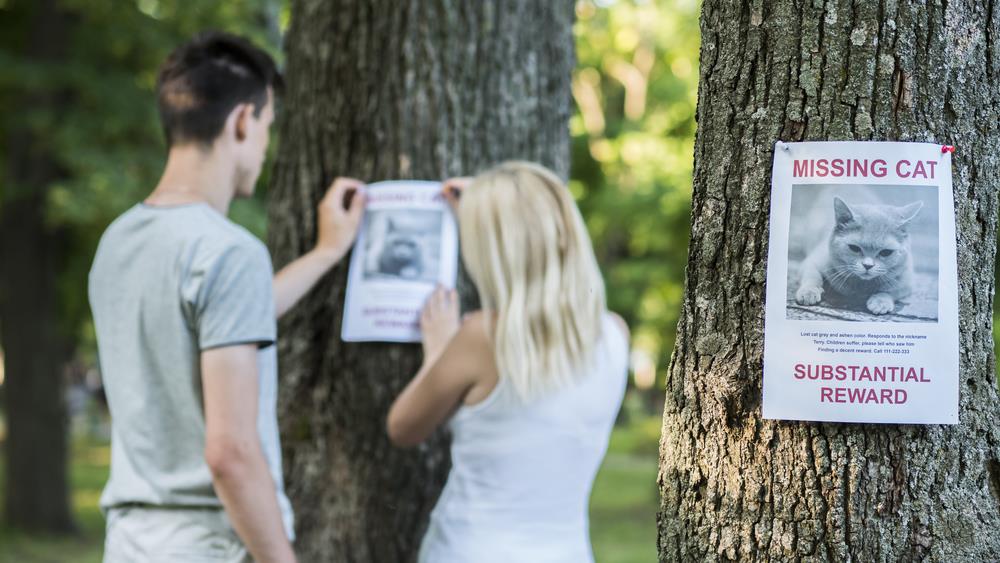
Creating an effective lost pet flyer
A good flyer is plain, readable at a glance, and consistent with your online posts. Use a single clear recent photo and keep the details factual and specific:
- species (dog or cat), breed type if known, colour and markings, size
- where and when last seen (suburb plus nearest cross-street)
- contact number (large font)
- microchipped: yes or no (optional but often helpful)
Place flyers where people naturally pause: local shops, noticeboards, parks, vet clinics, and along walking routes near where your pet went missing. Remove posters once your pet is found, which helps the community keep paying attention to current notices.1
Using technology without being misled by it
Technology helps, but only if you understand what each tool actually does.
Microchips: identification, not location
Microchips cannot show a live location. They reunite pets after a scan, by linking the microchip number to registry contact details.4
GPS trackers
GPS collars and tags can give a real-time location, but they depend on battery life and coverage. They are most useful as a preventative tool, not a recovery guarantee.
Check details via Pet Address
Pet Address is a search tool that helps you identify which participating database holds your pet's microchip record, so you can update details with the correct registry (you will need the microchip number).4, 6
Enlist the community and keep the message consistent
Neighbours, regular dog walkers, delivery drivers, and local shop staff often become the quiet eyes of a search. Give them something they can act on: one photo, one phone number, one location. Keep updates short, factual, and frequent enough that people do not assume the search is over.
Approaching a scared or injured lost pet
A lost pet may behave nothing like themselves, keeping distance, freezing, bolting, or snapping if frightened or in pain. Move slowly, keep your body turned side-on, speak softly, and avoid reaching over the head. If you cannot safely contain an injured or distressed animal, contact your local RSPCA or council for advice rather than escalating the risk with a struggle.2
Arrange a vet check after they are home
Even a short time away can mean dehydration, injuries (especially to pads and claws), parasite exposure, or stress-related illness. A prompt veterinary check helps pick up problems early and updates any overdue preventive care.
Close the loop
Once your pet is safely home, notify shelters, vets, council, and any online listings or local groups you used. It prevents duplicate call-outs and helps other people's lost pet posts stay visible.1
Coping during the search
Searching for a missing animal is tiring in a particular way: bursts of hope, long quiet stretches, and constant decision-making. Keep a simple log (times, suburbs, sightings, calls made) and lean on a couple of practical helpers so you can eat, sleep, and keep going.
References
- RSPCA ACT, Lost and Found (tips for looking for a lost pet)
- RSPCA WA, Helping lost pets: what to do
- Queensland Government, Laws for pet owners in Queensland (microchipping requirements)
- Pet Address, Microchip database lookup (search tool and importance of current contact details)
- Brisbane City Council, Register your dog (microchipping and keeping registry details up to date)
- RSPCA Queensland, Important update: Pet microchipping (HomeSafeID closure guidance)
- Government of Western Australia (Dept. of Communities), HomeSafeID removed from dog and cat regulations (media release)
- Townsville City Council, Animal registration and legislation (microchipping and Pet Address)
- Toowoomba Regional Council, Dog and cat registration (microchipping regulations and updating details)

Dog lover and writer at My Pets Australia, sharing practical breed guides and care advice for Australian pet owners.